
Product Category Rules Explained

.PCRs are the rulebooks behind every LCA and EPD, but the details shift with each product family. Here you will find plain‑language summaries that identify the most common PCRs for your industry, note upcoming revision dates, and compare overlapping standards so you always pick the right reference. Ideal for teams preparing new EPDs or checking whether an existing rule still fits.

34 articles

A circular timeline showing PCR creation, five‑year review, EPD publication, and renewal windows, with markers for verification and data refresh.
Product Category Rules Explained

PCR Compliance for EPDs, Decoded

Confused by “PCR compliance” for EPDs and what it takes to be truly conformant across markets? Here’s the plain‑English ...
Eric Hansen5 min read
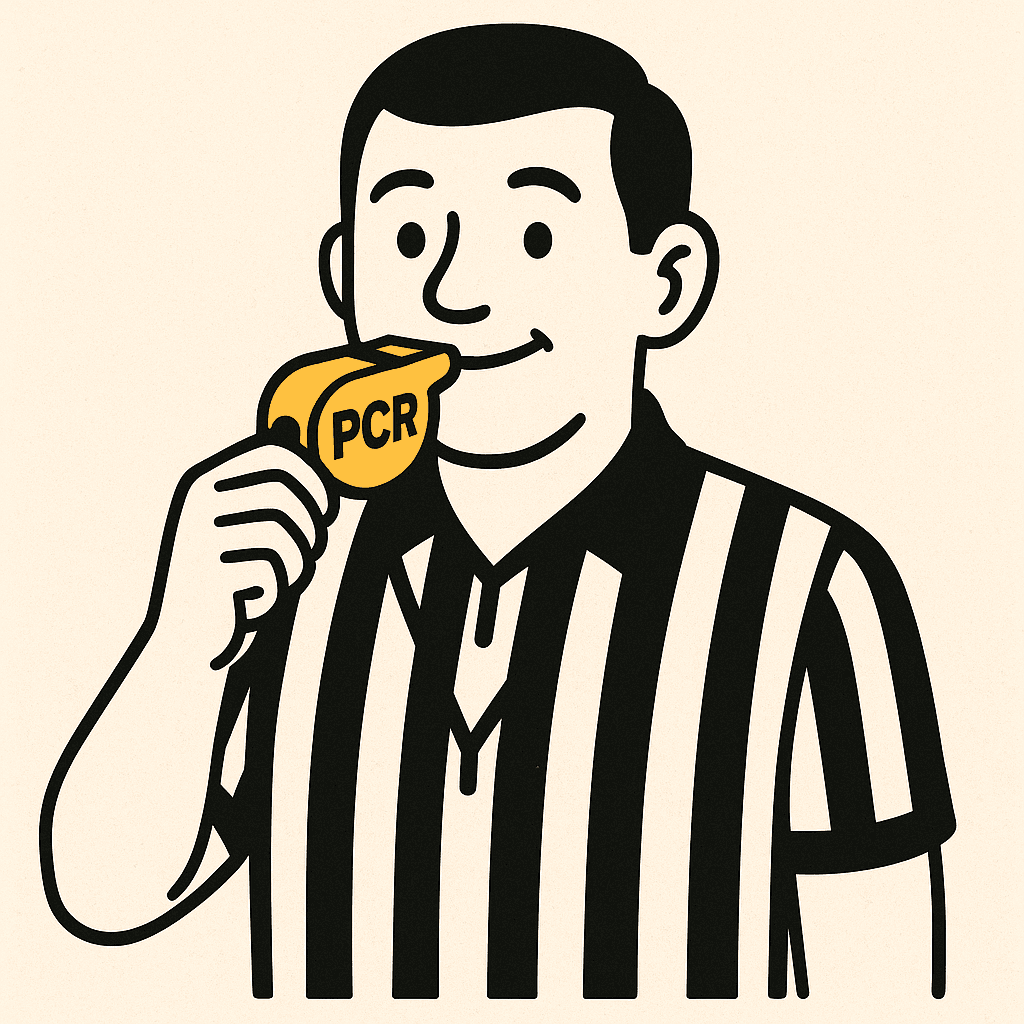
A referee with a PCR whistle illustrating that Product Category Rules are like the rulebook of a game
Product Category Rules Explained

What Is a Product Category Rule (PCR)?

If an EPD is a finished movie, a Product Category Rule is the script. It tells every producer of a given product type ho...

Eric Hansen5 min readTrusted by 492 Readers
A paint can with pages inside like a handbook, icons for declared unit, system boundary, and verification stamped on the label.
Product Category Rules Explained

PCRs for Paints and Coatings, Explained

Picking the right Product Category Rules for architectural paints, varnishes, powder coatings, and industrial maintenanc...
John Johnson5 min read
Product Category Rules Puzzle
Product Category Rules Explained

Which PCR Fits Resinous Flooring?

Specifiers crave EPDs, yet the rulebooks behind them can feel like grabbing phone chargers in a dark hotel room. They al...
Walker Ryan5 min read
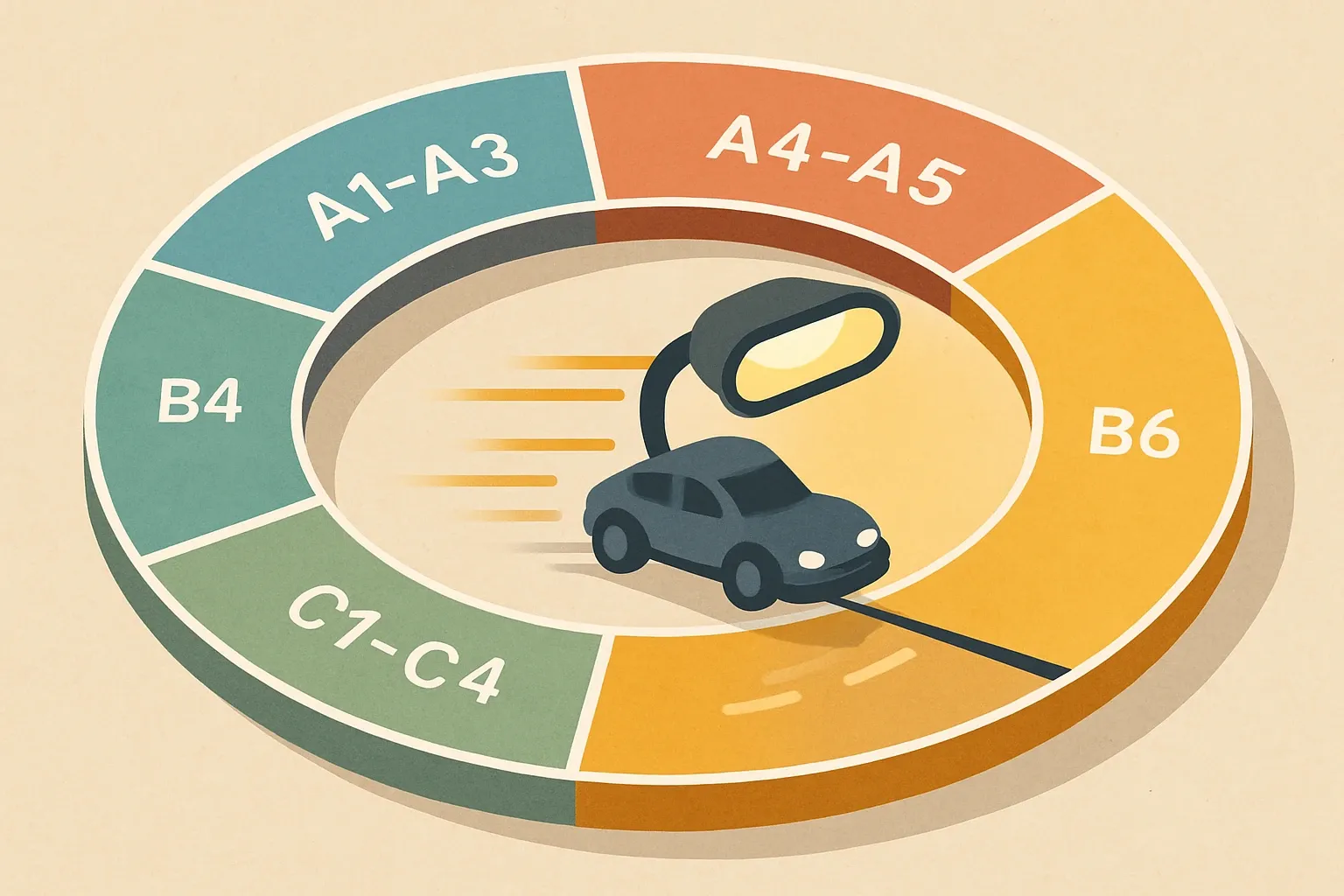
A circular race track labeled A1–A3, A4–A5, B4, B6, C1–C4 with a luminaire car speeding through the B6 section, visually larger to show dominance of use‑phase energy.
Product Category Rules Explained

PCRs for Lighting Systems, Decoded

If you make luminaires or lighting controls, the right Product Category Rules determine whether your Environmental Produ...
Eric Hansen5 min read
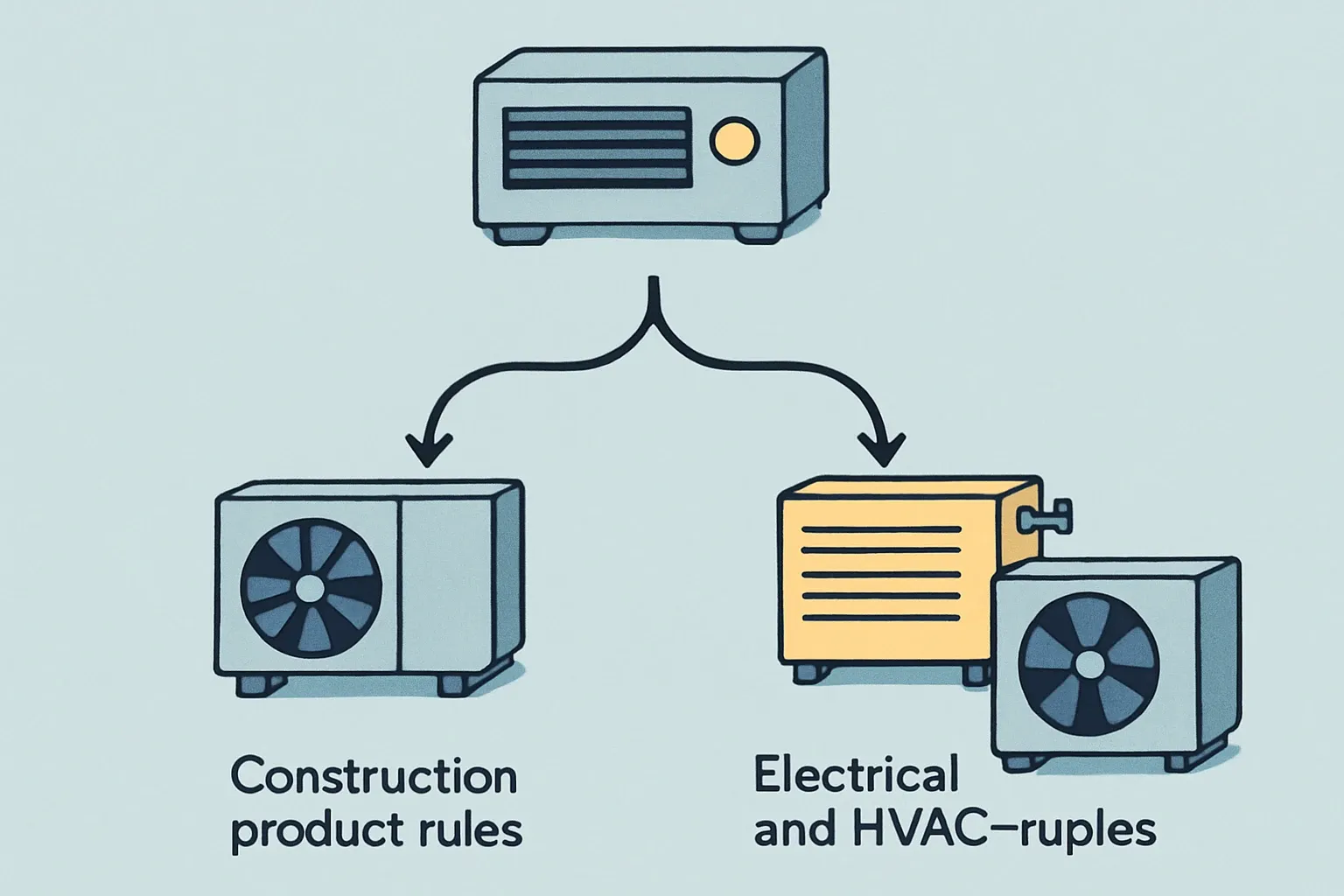
A branching diagram that starts with “Your HVAC product” and splits into two paths labeled “Construction product rules” and “Electrical and HVAC‑R rules,” each showing icons for an air handling unit, fan coil, and a heat pump to illustrate PCR selection.
Product Category Rules Explained

HVAC PCRs, explained for busy manufacturers

If your team is chasing an EPD for fans, air handling units, heat pumps, or ductwork, the rulebook you need is a Product...

Walker Ryan5 min read
Split-screen visual: full stadium seats labeled "Asphalt PCR" on one side, sparse meeting room labeled "Niche PCR" on the other.
Product Category Rules Explained

The Most Used PCRs in 2025

Hundreds of rulebooks jostle for attention, yet a tiny handful soak up most of the traffic. Here is the scoreboard for 2...
Walker Ryan5 min read
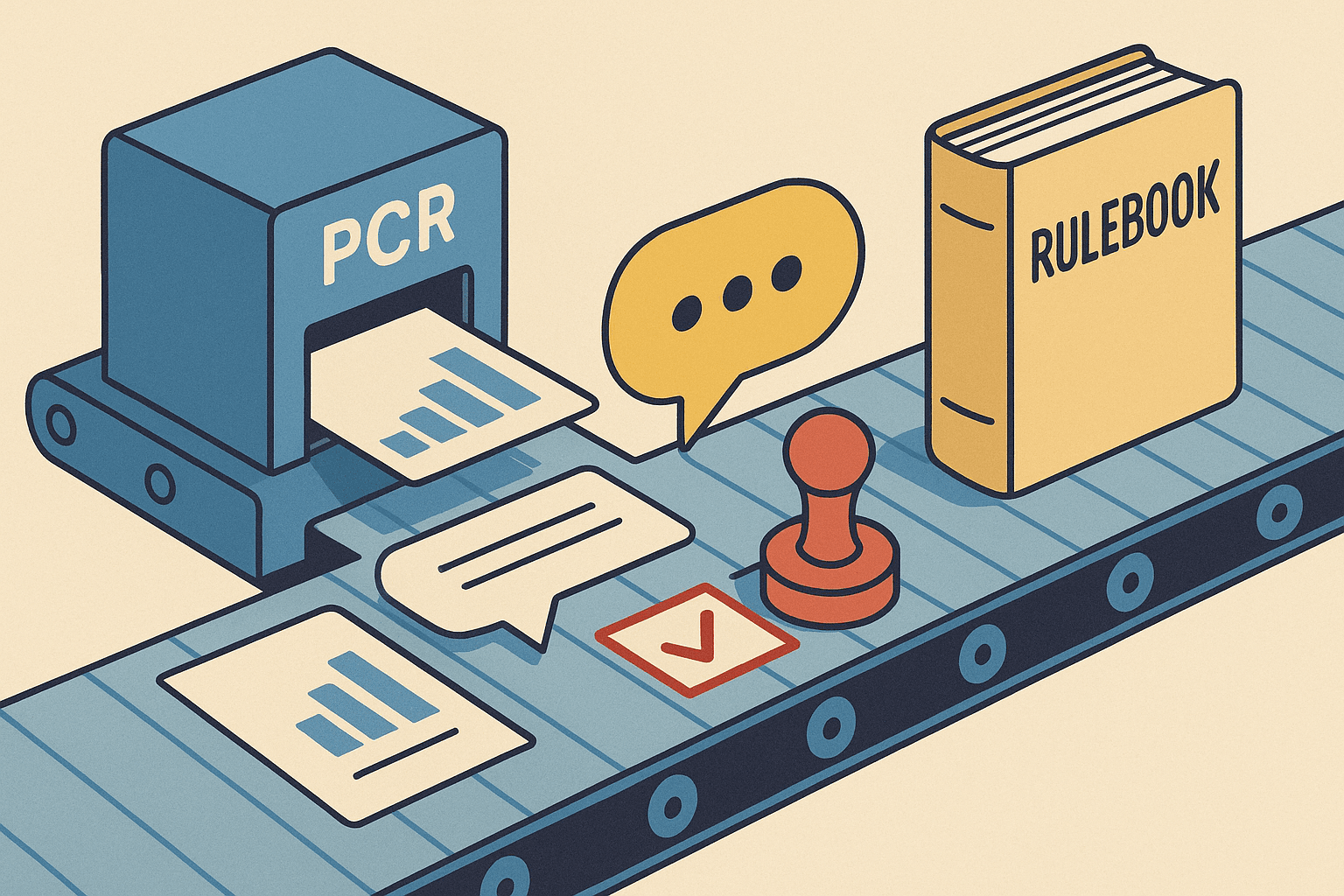
PCR production conveyer belt
Product Category Rules Explained

Who Writes PCRs and How They Happen

A Product Category Rule (PCR) is the referee’s whistle in the EPD game: it sets the limits, spells out the scoring syste...
Toby Urff5 min read
PCR Maze
Product Category Rules Explained

Finding the Right PCR: Your Shortcut Guide

Pick the wrong Product Category Rule and your EPD project can stall for months. Choose the right one and the declaration...
Walker Ryan5 min read
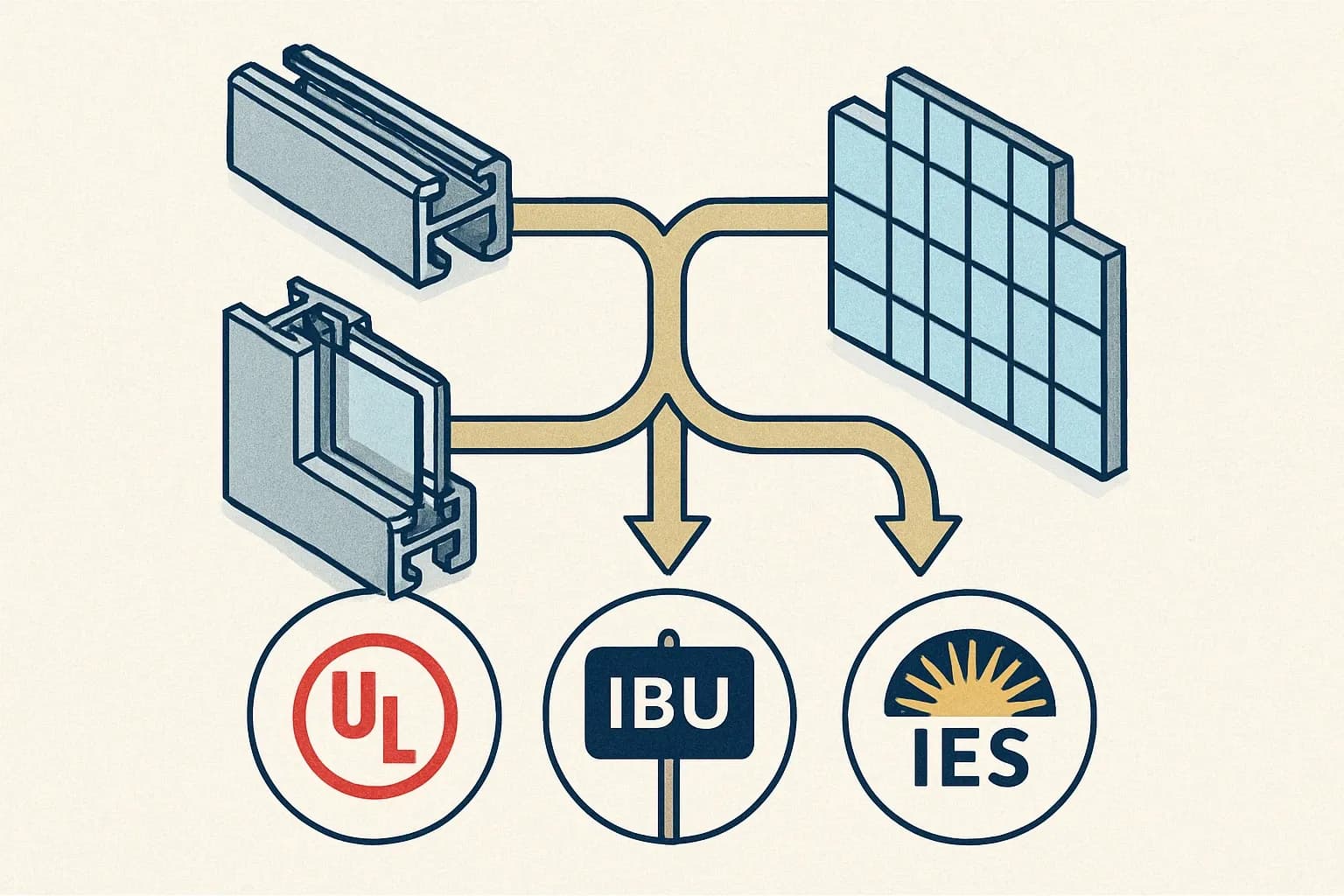
A clean flow diagram showing choices from semi‑finished profiles to full curtain wall assemblies, branching to different Part B endpoints with icons for UL, IBU, and IES.
Product Category Rules Explained

Which PCR fits aluminum construction products

Aluminum teams ask one question on repeat. Which Product Category Rule should we use for our extrusions, sheets, or faca...
Walker Ryan5 min read
Image of Picking the right Product Category Rules (PCRs) article
Product Category Rules Explained

Pick the Right PCR, Win the Bid

Grab the wrong Product Category Rule and your Environmental Product Declaration can stall six months, miss a bid date, o...
Walker Ryan5 min read
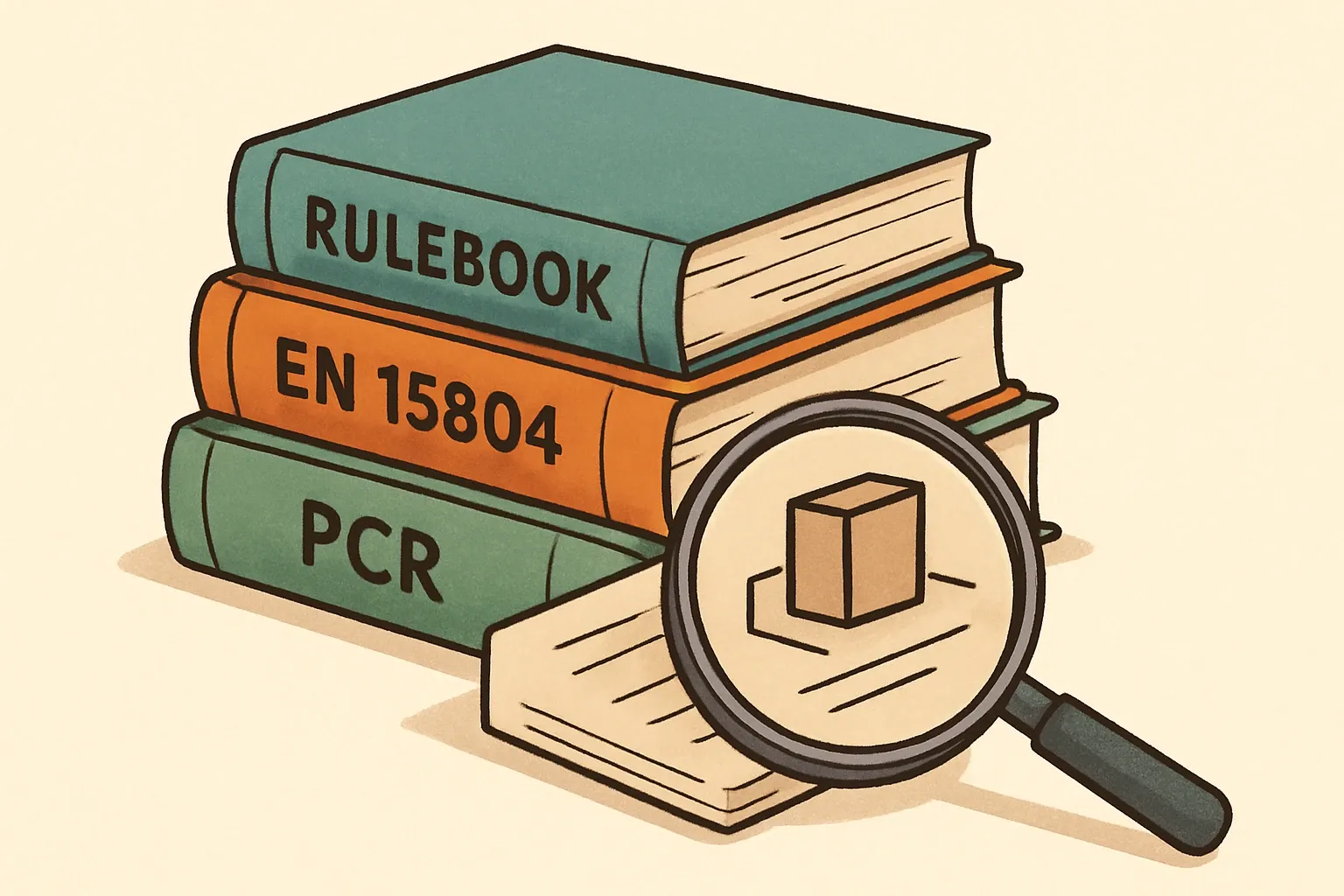
An illustrated stack of bound rulebooks labeled ISO 14025, EN 15804, and specific PCR titles, with a magnifying glass zooming in on a single product line.
Product Category Rules Explained

Pick the Right PCR Every Time

Choose the wrong Product Category Rule and your EPD can skid off the track before it even starts. The right one unlocks ...
Eric Hansen5 min read
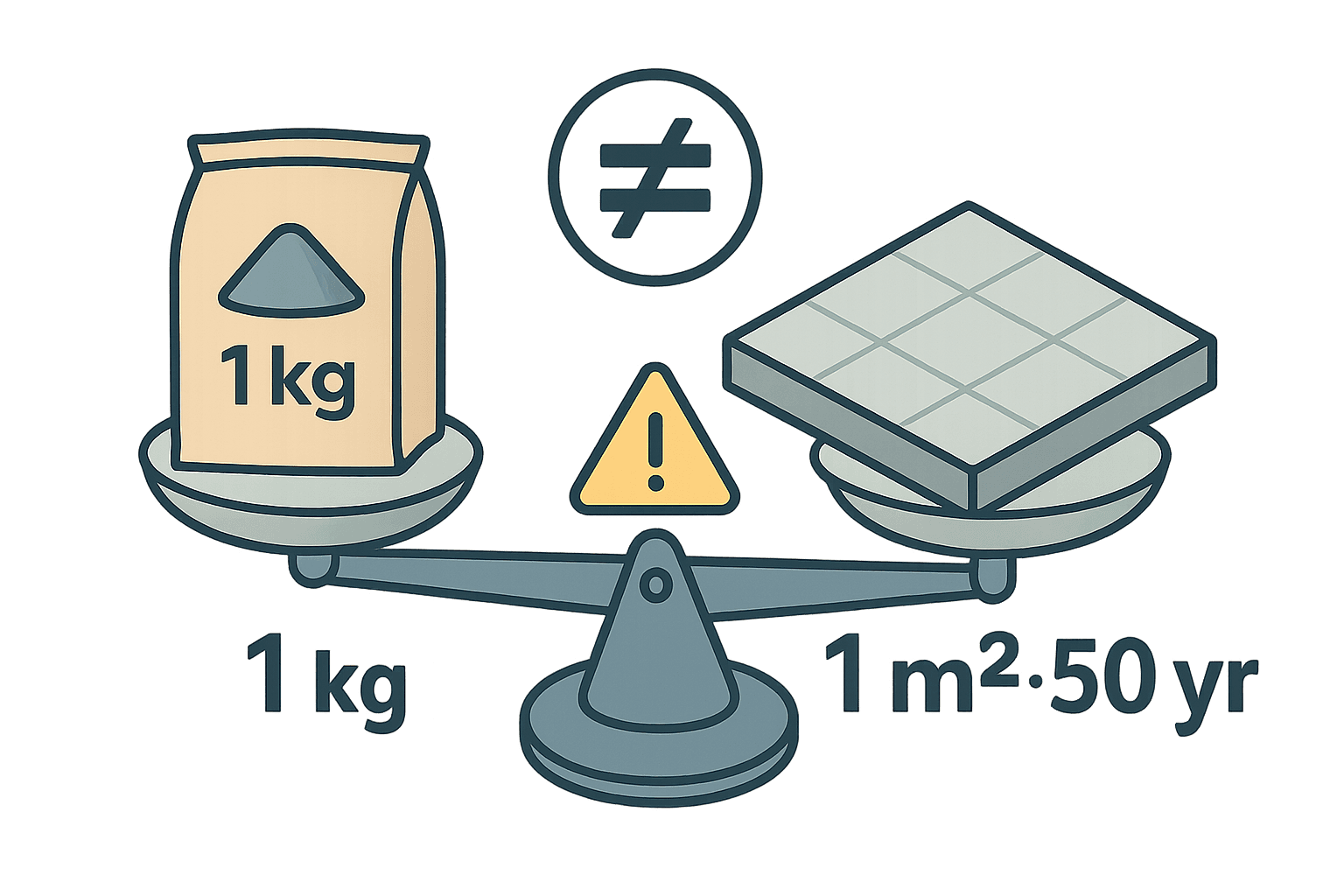
Scale with incorrect comparison between units of cement
Product Category Rules Explained

EPD Comparability Rules: Ensure Apples Match Apples

Two Environmental Product Declarations may look alike at first glance, yet comparing them can be as futile as judging a ...

Toby Urff5 min read
Open book labeled Part A on left and detachable booklet labeled Part B on right, showing how they slot together like puzzle pieces.
Product Category Rules Explained

Part B in PCRs: the product type-specific fine print for your EPD

Ever wondered why a rulebook called "Part A" is never alone? Part B is its sidekick, quietly deciding how your flooring ...
Walker Ryan5 min read
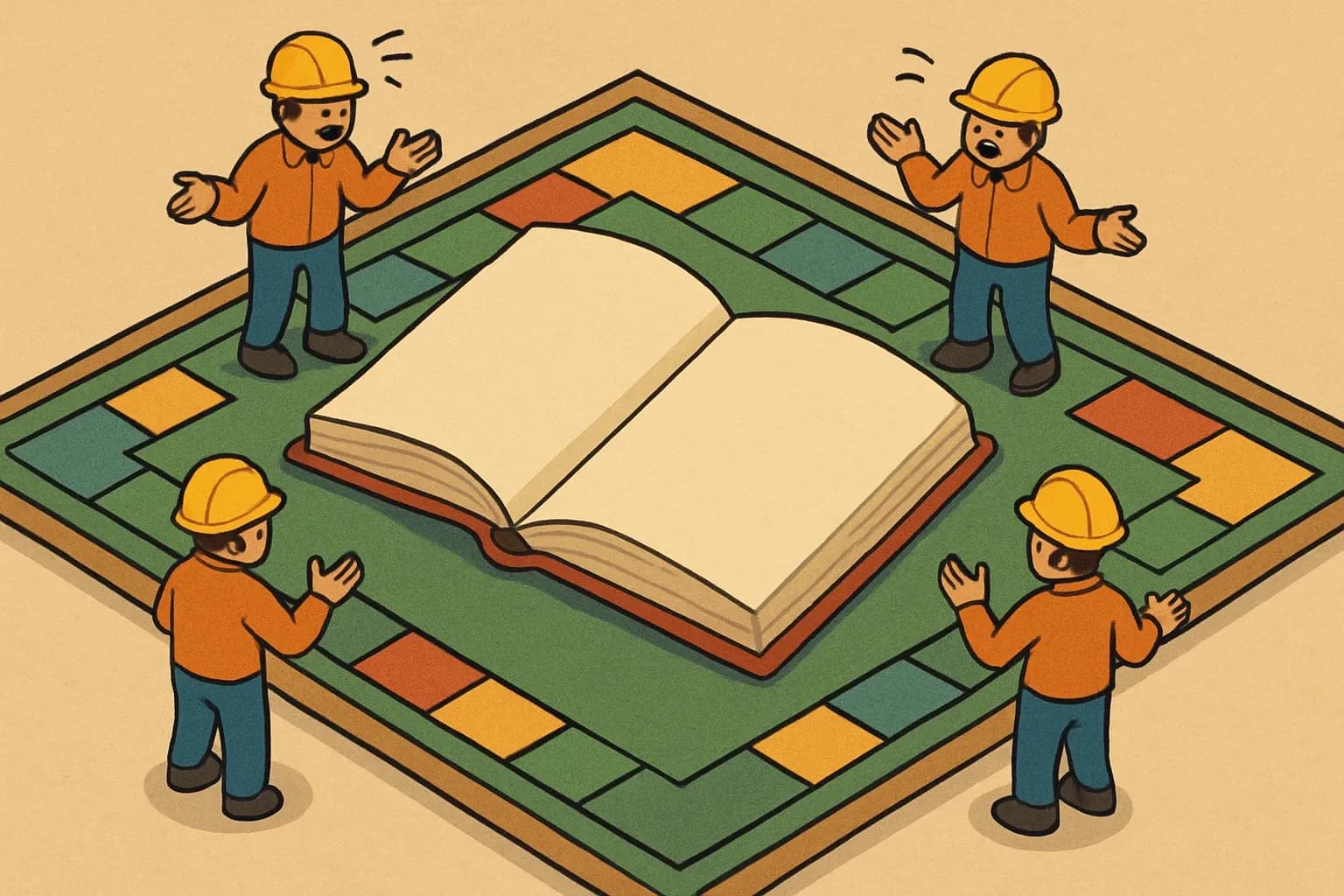
An open game board with blank pages where the rulebook should be, surrounded by confused miniature workers in hard hats.
Product Category Rules Explained

When No PCR Exists: How To Forge One

Running into a product with no Product Category Rule feels like opening Monopoly and finding the rulebook missing. You *...
Walker Ryan5 min read
Generate an illustration for an article following this concept:

Group Coating Sheens Under One EPD Without Guesswork
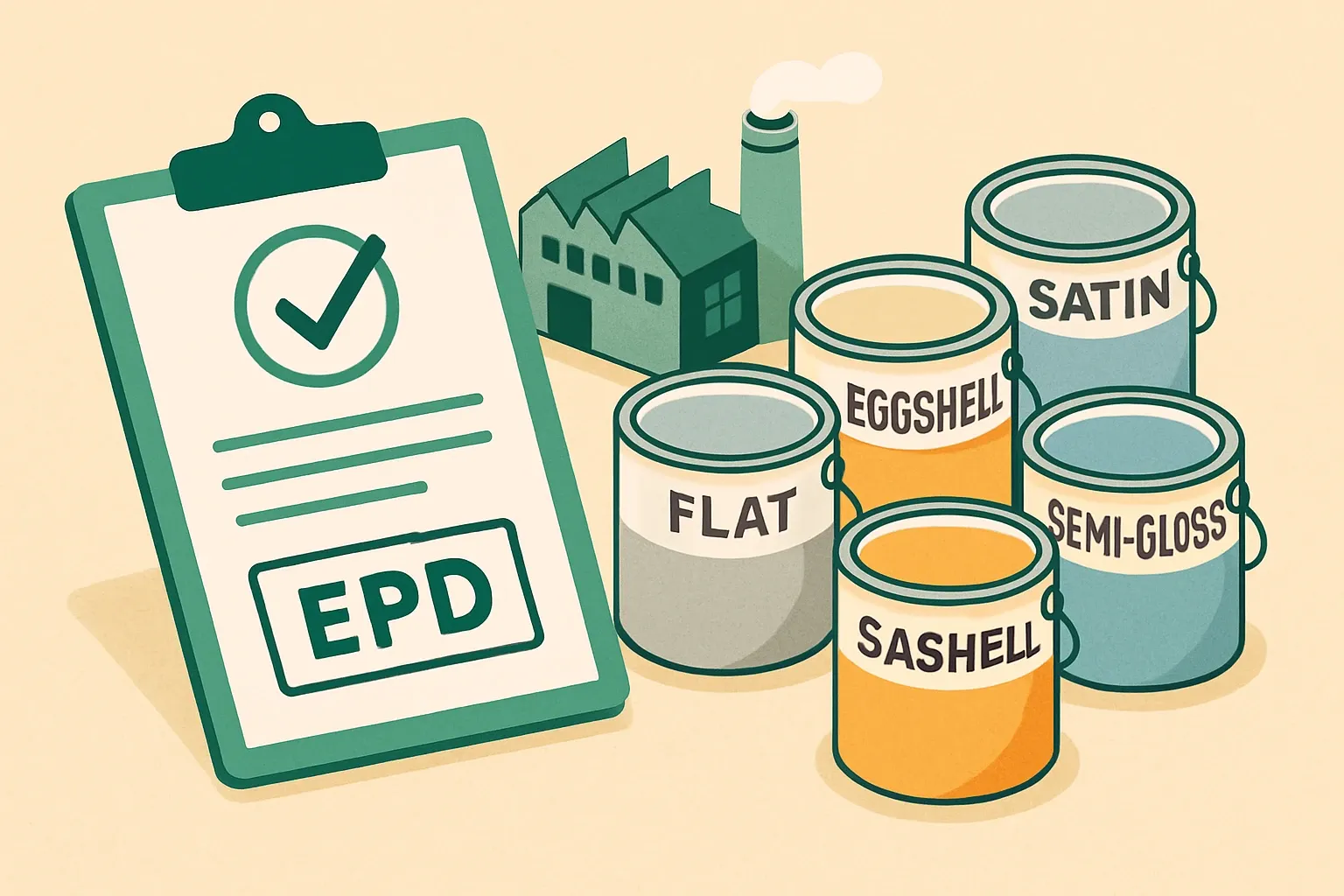
Paint lines often ship in flat, eggshell, satin, and semi‑gloss that share one resin backbone and one plant. Good news. Many architectural coatings PCRs let those variants live under a single, verified EPD when differences stay small and the declared use is the same. The trick is knowing where “small” ends so you save verification effort without risking a rejection at publication or in a bid.

Ensure that you use no text, as this illustration will be used on international translations of the article..

Use an illustrative style (e.g. isometic) and don't generate in a photorealistic style.
Product Category Rules Explained

Group Coating Sheens Under One EPD Without Guesswork

Paint lines often ship in flat, eggshell, satin, and semi‑gloss that share one resin backbone and one plant. Good news. ...
Walker Ryan5 min read
Generate an illustration for an article following this concept:

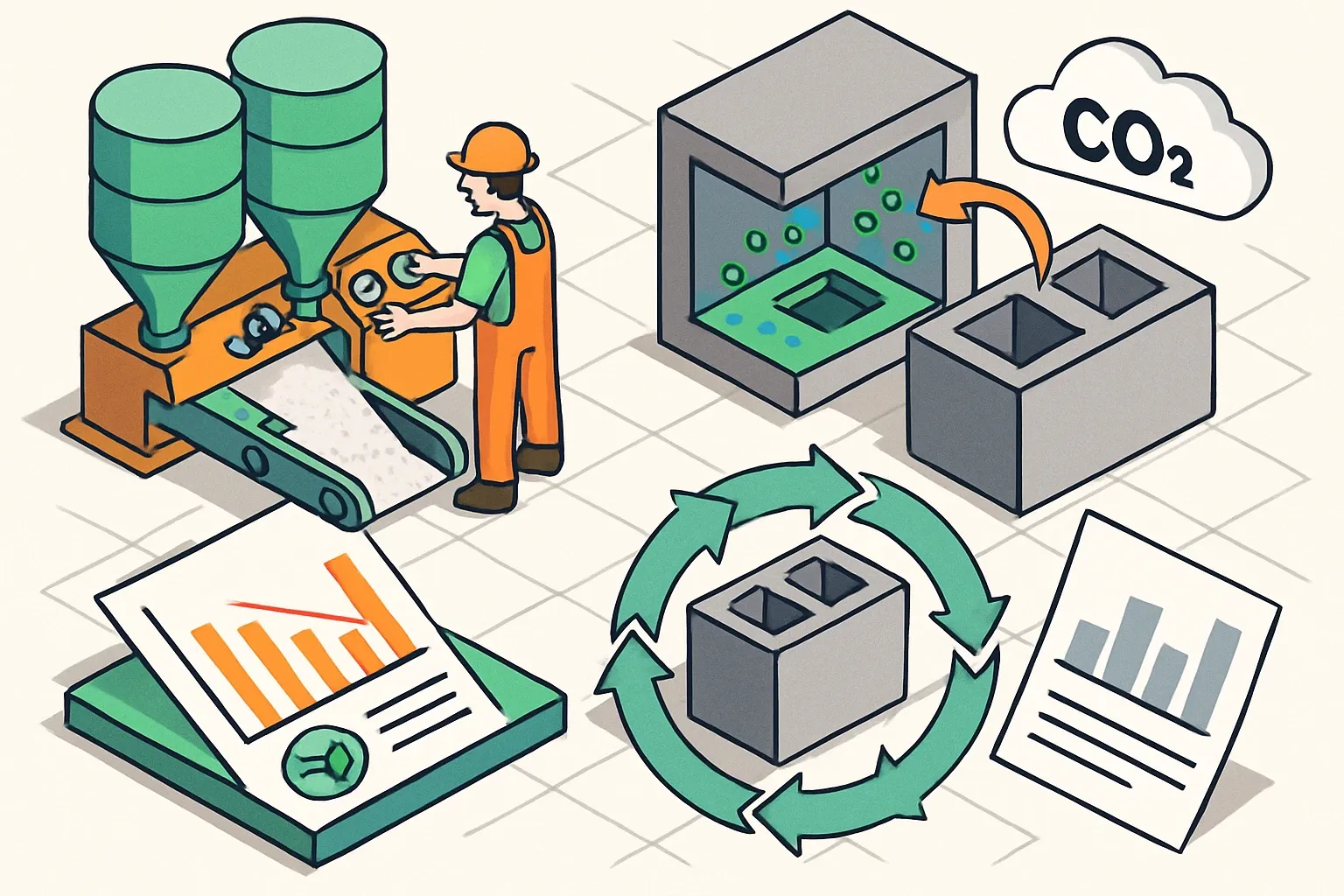
Blended cements, low‑carbon CMU, and the new PCR math
Cement chemistry and PCR rules are shifting under our feet. Blended binders cut clinker. CO2‑curing in CMU locks carbon away. New PCR language counts carbonation in more life‑cycle stages. If specs in your region now ask for mix‑level GWPs, the smartest move may be to revisit EPDs early so they show your real advantage, not your 2021 status quo.

Ensure that you use no text, as this illustration will be used on international translations of the article..

Use an illustrative style (e.g. isometic) and don't generate in a photorealistic style.
Product Category Rules Explained

Blended cements, low‑carbon CMU, and the new PCR math

Cement chemistry and PCR rules are shifting under our feet. Blended binders cut clinker. CO2‑curing in CMU locks carbon ...
Eric Hansen5 min read
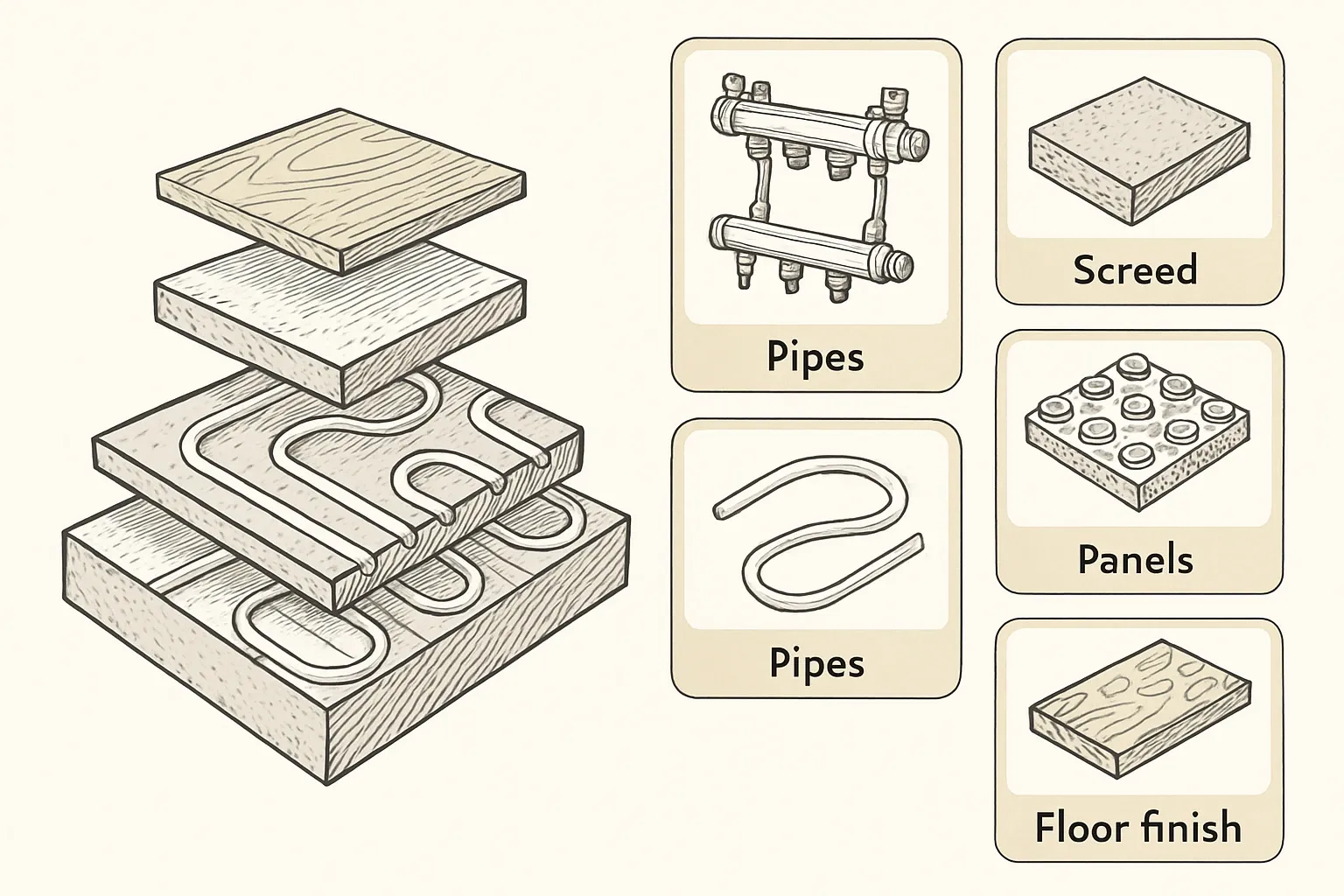
A line drawing of an underfloor heating assembly split into labeled layers showing pipes, manifolds, panels, screed, and floor finish, with each component highlighted as a separate EPD “card.”
Product Category Rules Explained

Which PCR Fits Underfloor Heating Systems?

If you make hydronic radiant floors, finding the right Product Category Rules can feel like sorting cords behind a serve...

Eric Hansen5 min read
A clean forked road graphic labeled EN 15804 on one side and ISO 21930 on the other, with signposts for PCR 2019:14 v2.0.0 and North American Sealants PCR update.
Product Category Rules Explained

Construction sealant PCRs without the headache

Sealant teams face a tricky fork in the road. Do you use a European EN 15804 path with a complementary rule for technica...
Eric Hansen5 min read
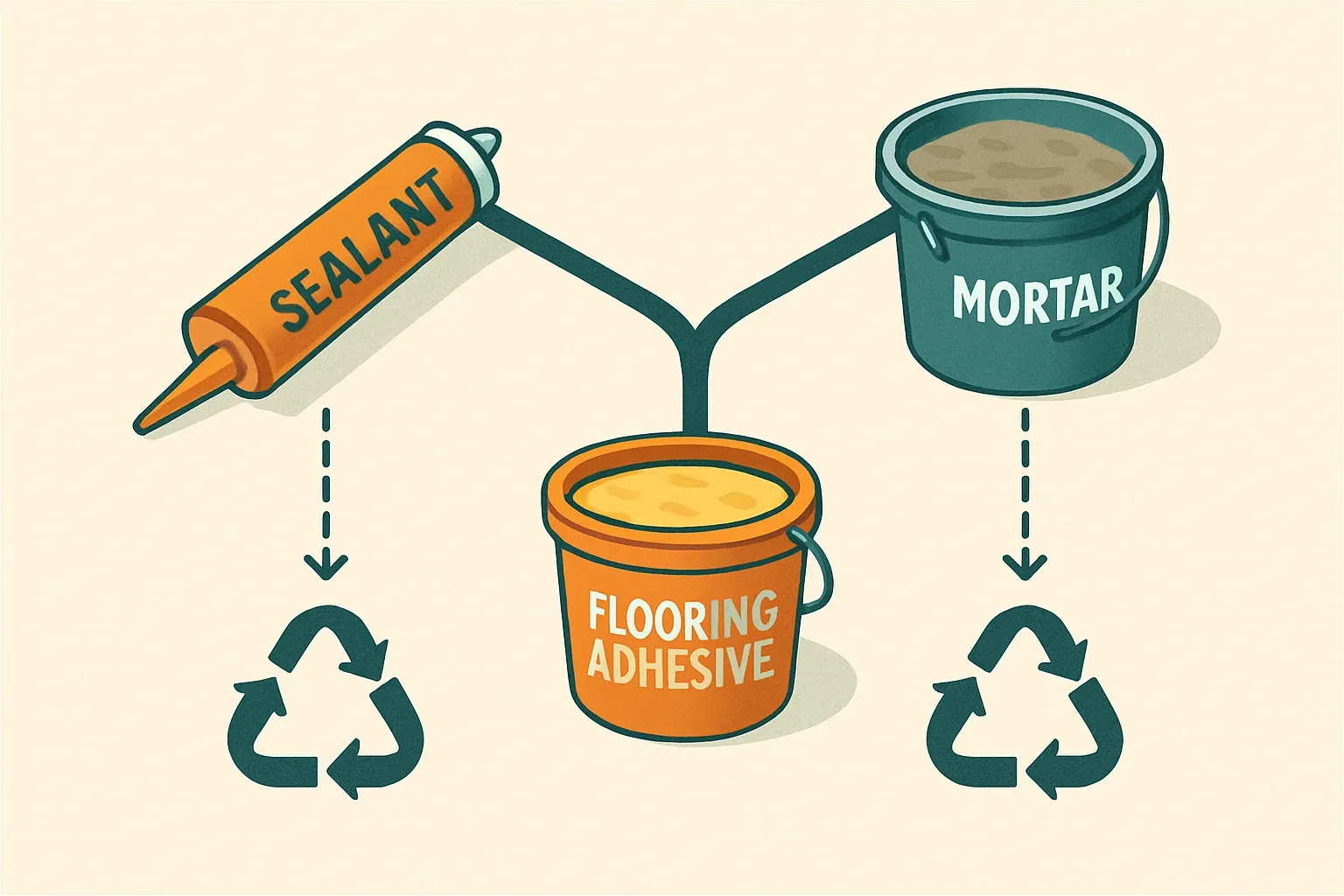
A simple forked flow showing tube sealant, flooring dispersion adhesive, and mortar buckets with icons for each and their typical PCR route.
Product Category Rules Explained

PCRs for Adhesives and Sealants, Explained

If you make sealants, tapes, grouts, or flooring adhesives, the right PCR is the rulebook that decides how your EPD gets...
Toby Urff5 min read
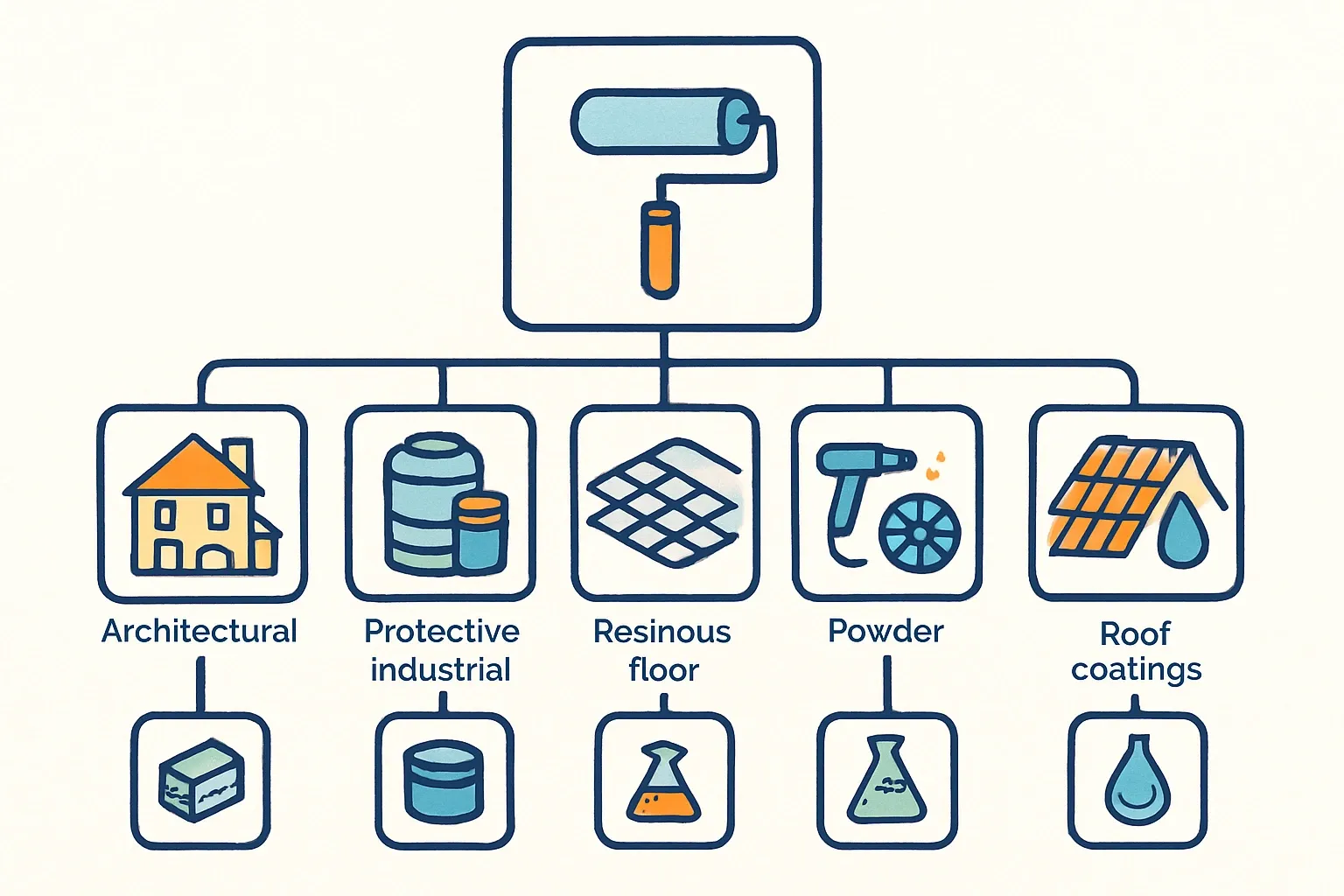
A clean flowchart showing branches for architectural, protective industrial, resinous floor, powder, and roof coatings leading to the relevant PCR families, with icons for substrate and chemistry.
Product Category Rules Explained

The PCR for Protective Coatings, Explained

Picking the right rulebook for your coating EPD can feel like choosing a streaming plan without reading the fine print. ...

Eric Hansen5 min read
An open rulebook printed over a gypsum board sheet, with icons for factory, truck, building site, and recycling arrows to symbolize LCA stages governed by the PCR.
Product Category Rules Explained

Gypsum board PCRs, decoded

Launching an EPD for drywall should not feel like a scavenger hunt. The rulebook you need is a Product Category Rule. Pi...
Toby Urff5 min read
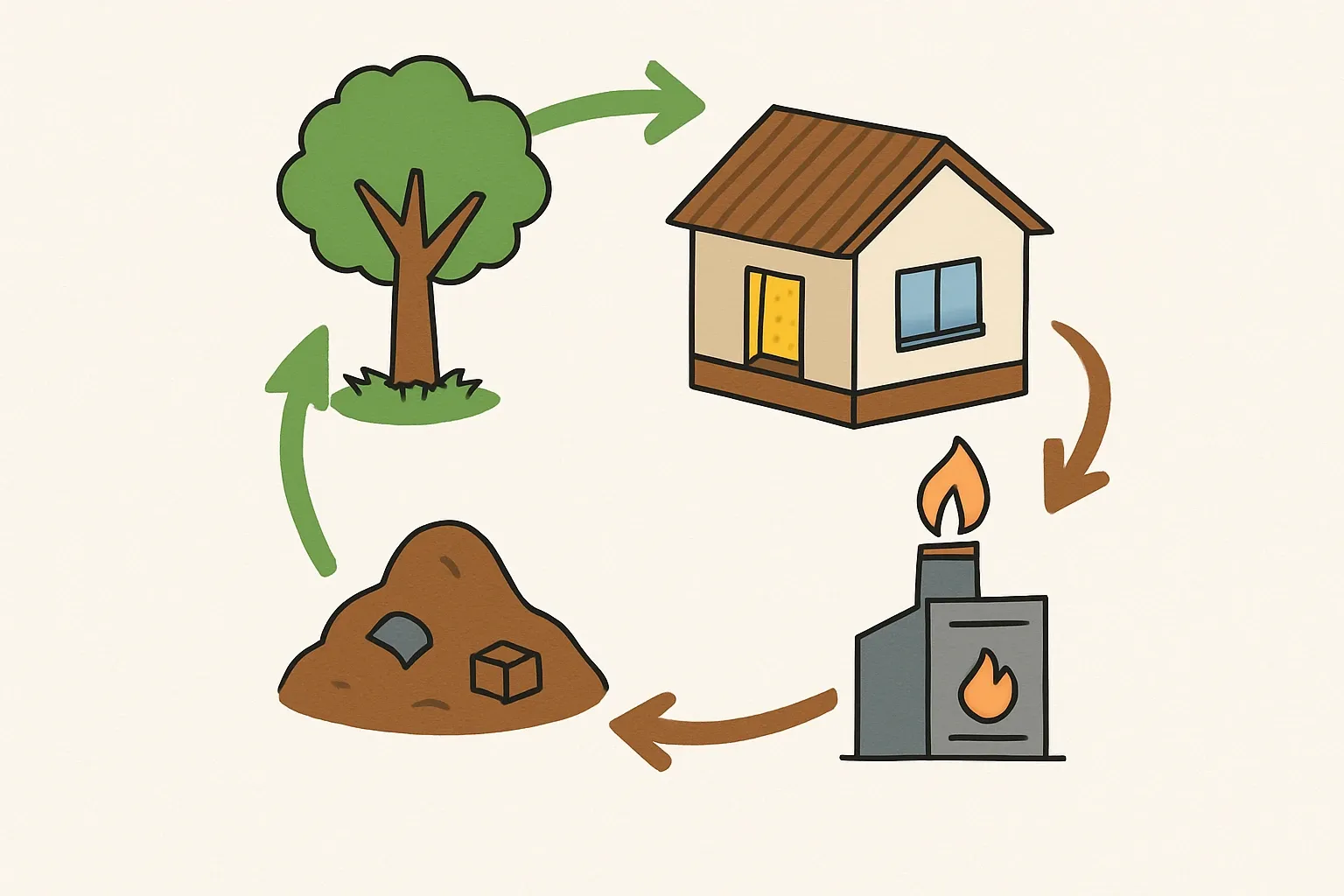
A simple circular flow showing carbon uptake during plant growth, storage in product use, and release routes at end‑of‑life with icons for energy recovery and landfill.
Product Category Rules Explained

Bio‑Based Insulation PCRs, explained

Cellulose, wood fiber, hemp, cork, even straw. If you make bio‑based insulation, the right PCR decides how you model bio...
Eric Hansen5 min read
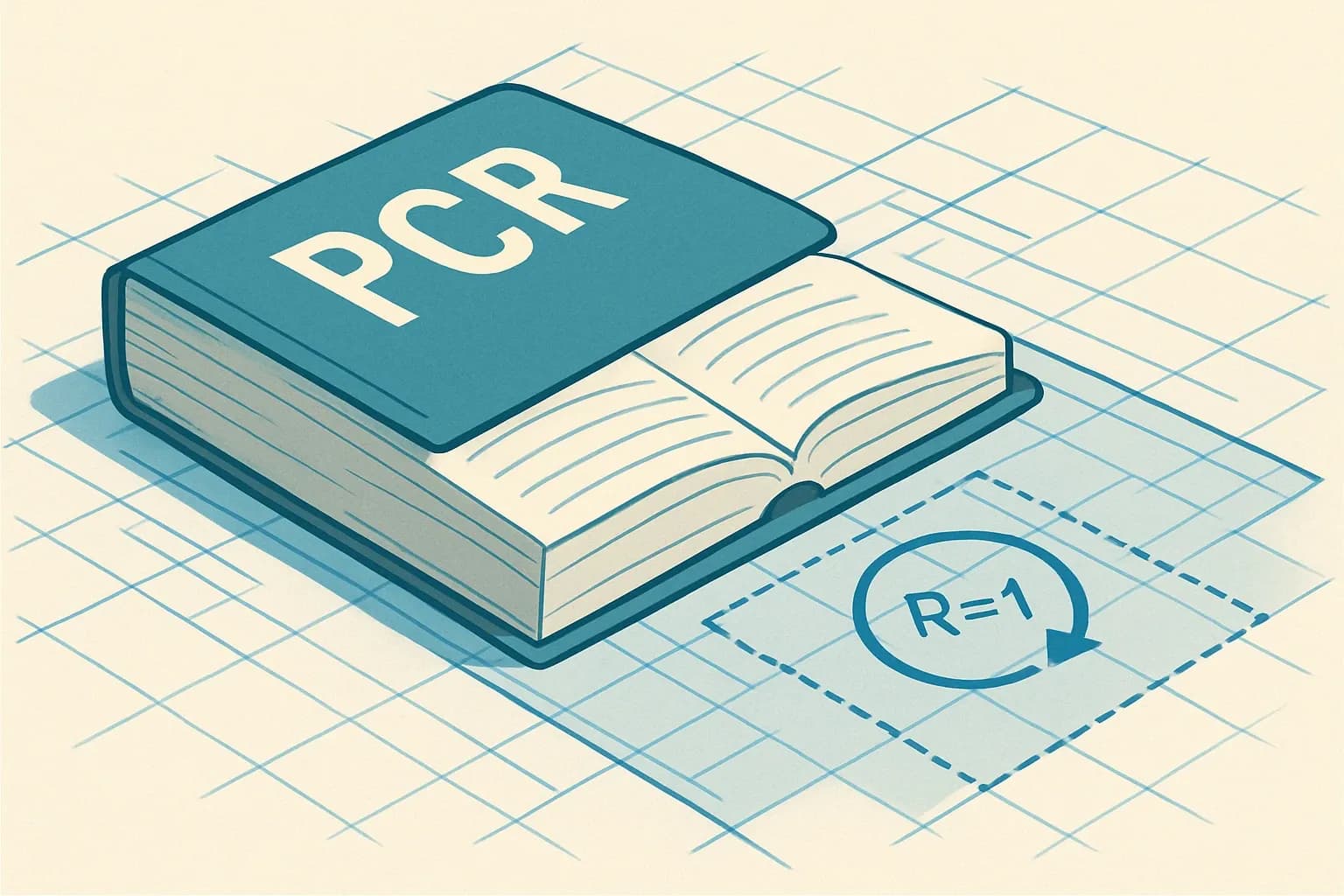
A clean visual of a thick open rulebook labeled PCR sitting on a construction blueprint with a square meter grid and an R=1 gauge overlay to show declared unit normalization.
Product Category Rules Explained

Stone wool insulation PCRs, explained

If you make mineral wool or stone wool, the PCR is your rulebook. Pick the wrong one and your LCA math, declared unit, a...

Toby Urff5 min read
A road sign with two clean arrows labeled “UL Part B” and “c‑PCR EN 16783,” set against a blueprint grid with an insulation roll icon, signaling the choice of PCR path.
Product Category Rules Explained

Which PCR fits mineral wool insulation

Confused by rock wool, glass wool, stone wool, and which rules apply where? Here is the straight path to pick the right ...
Walker Ryan5 min read
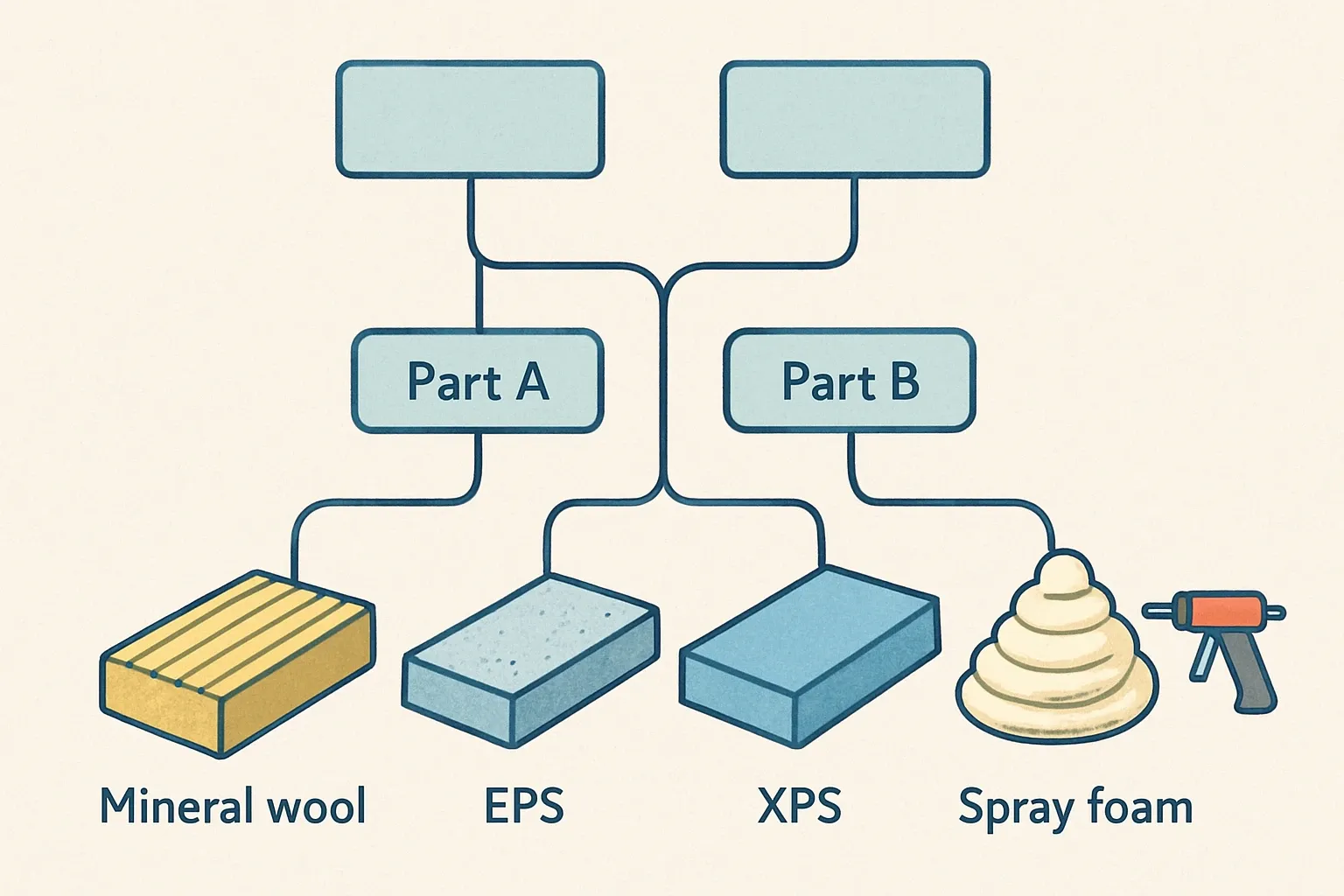
A clean flow diagram showing branches from ISO 21930 vs EN 15804 at the top, splitting into Part A and Part B, then different insulation types like mineral wool, EPS, XPS, polyiso, and spray foam.
Product Category Rules Explained

PCRs for Insulation Materials, Explained

If insulation is your product, the right PCR is your playbook. Choose well and your EPD lands fast, aligns with what spe...
Toby Urff5 min read
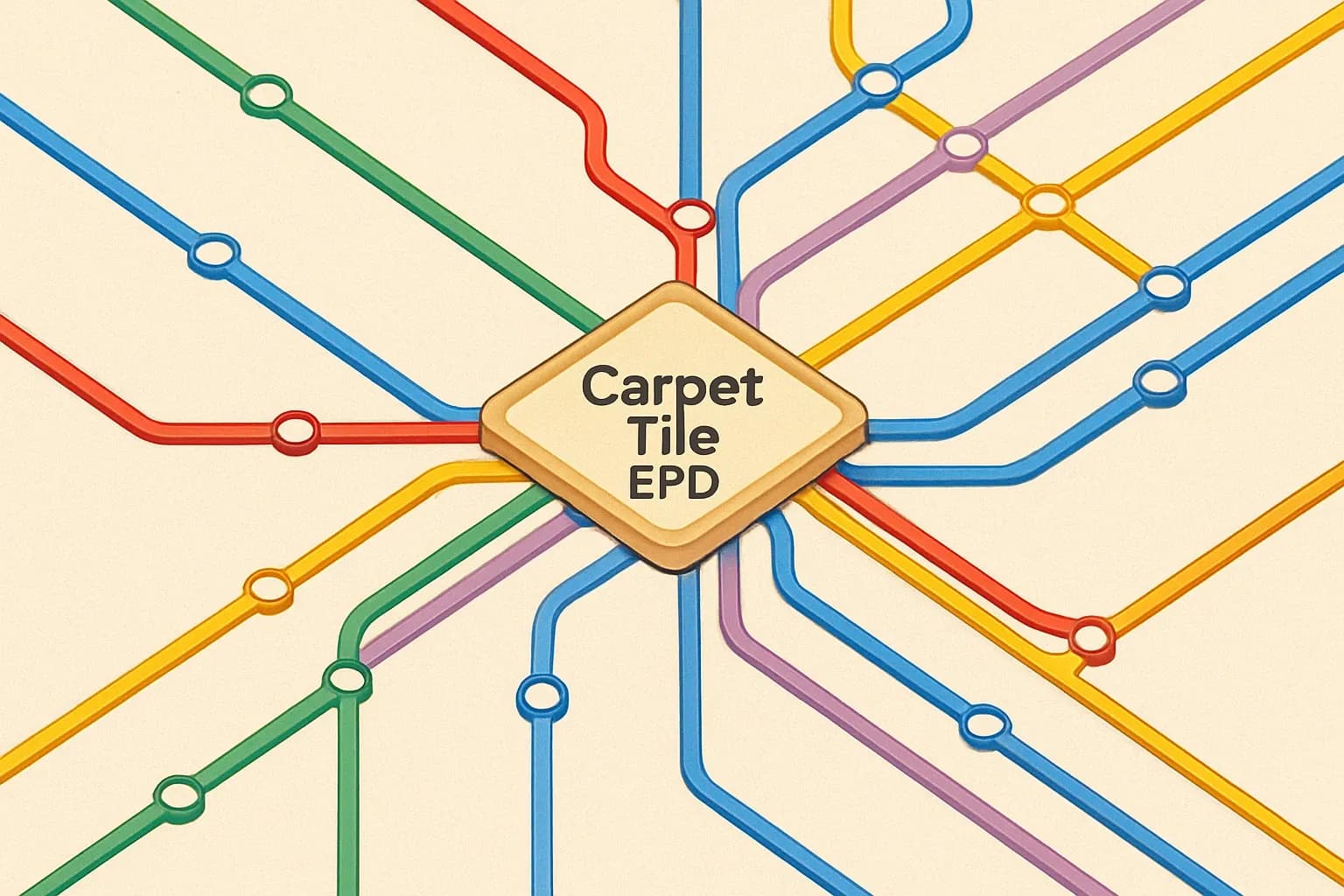
A stylized transit map where different colored lines represent PCR routes by region and operator, converging on a central 'Carpet Tile EPD' station.
Product Category Rules Explained

Carpet tile PCRs, explained for manufacturers

Scoping an EPD for carpet tiles starts with one decision that shapes everything else. Pick the right Product Category Ru...

Eric Hansen5 min read
Three slim rulebooks labeled with neutral icons for EN 16485, EN 16810, and ISO 21930 stacked on a wood plank, showing a clear choice path forward across a simple floor grid.
Product Category Rules Explained

PCRs for Wooden Flooring, Explained

Confused by overlapping rules for wood floors? You’re not alone. Picking the wrong Product Category Rule can slow an EPD...
Toby Urff5 min read
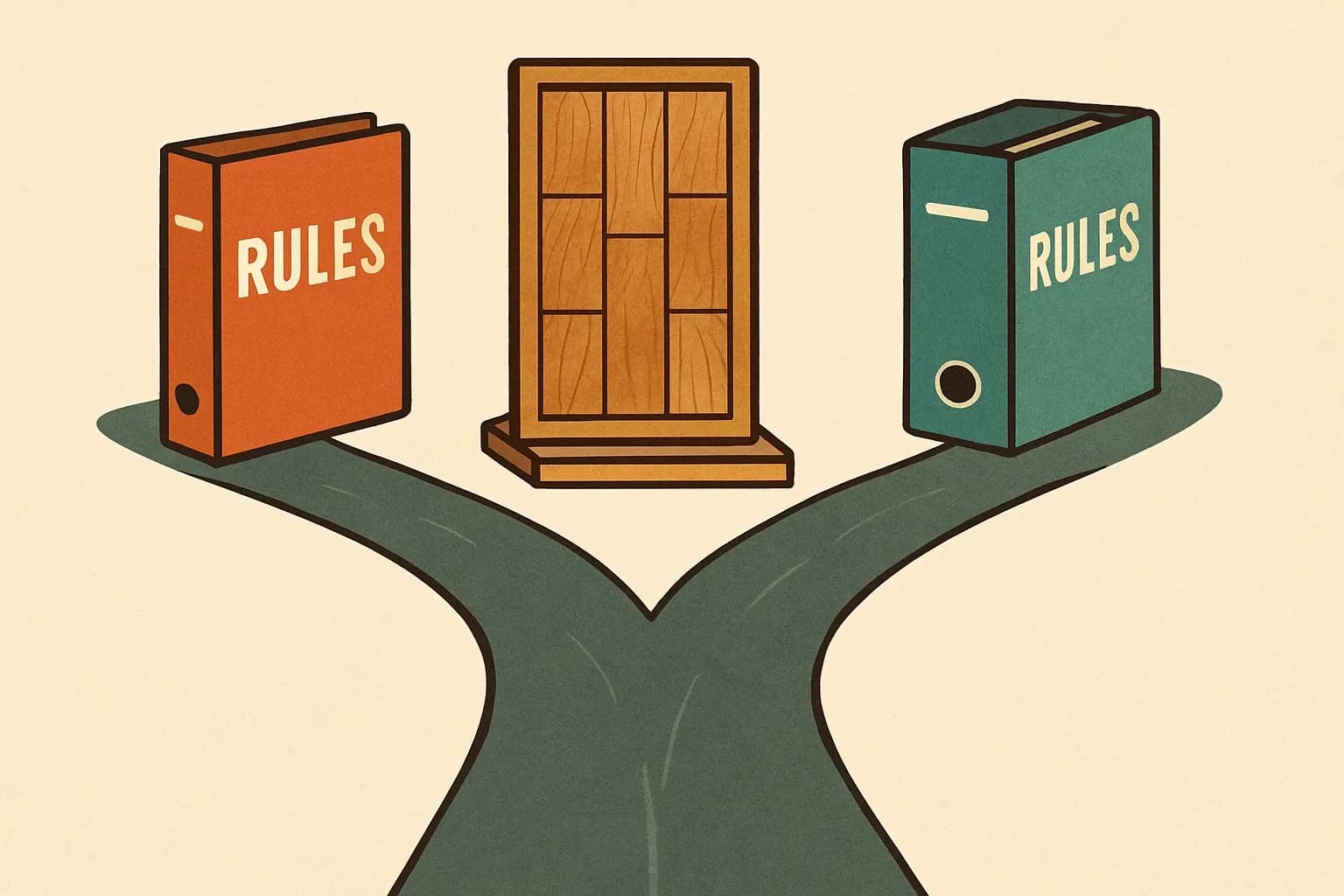
A split path graphic where a single retail flooring display divides into two roads labeled Wood‑based Laminate and Vinyl‑based Plank, each leading to a distinct rules binder.
Product Category Rules Explained

Which PCR Fits Laminate Flooring Today

If you make laminate flooring and need an Environmental Product Declaration, the rulebook you pick sets everything from ...
Eric Hansen5 min read
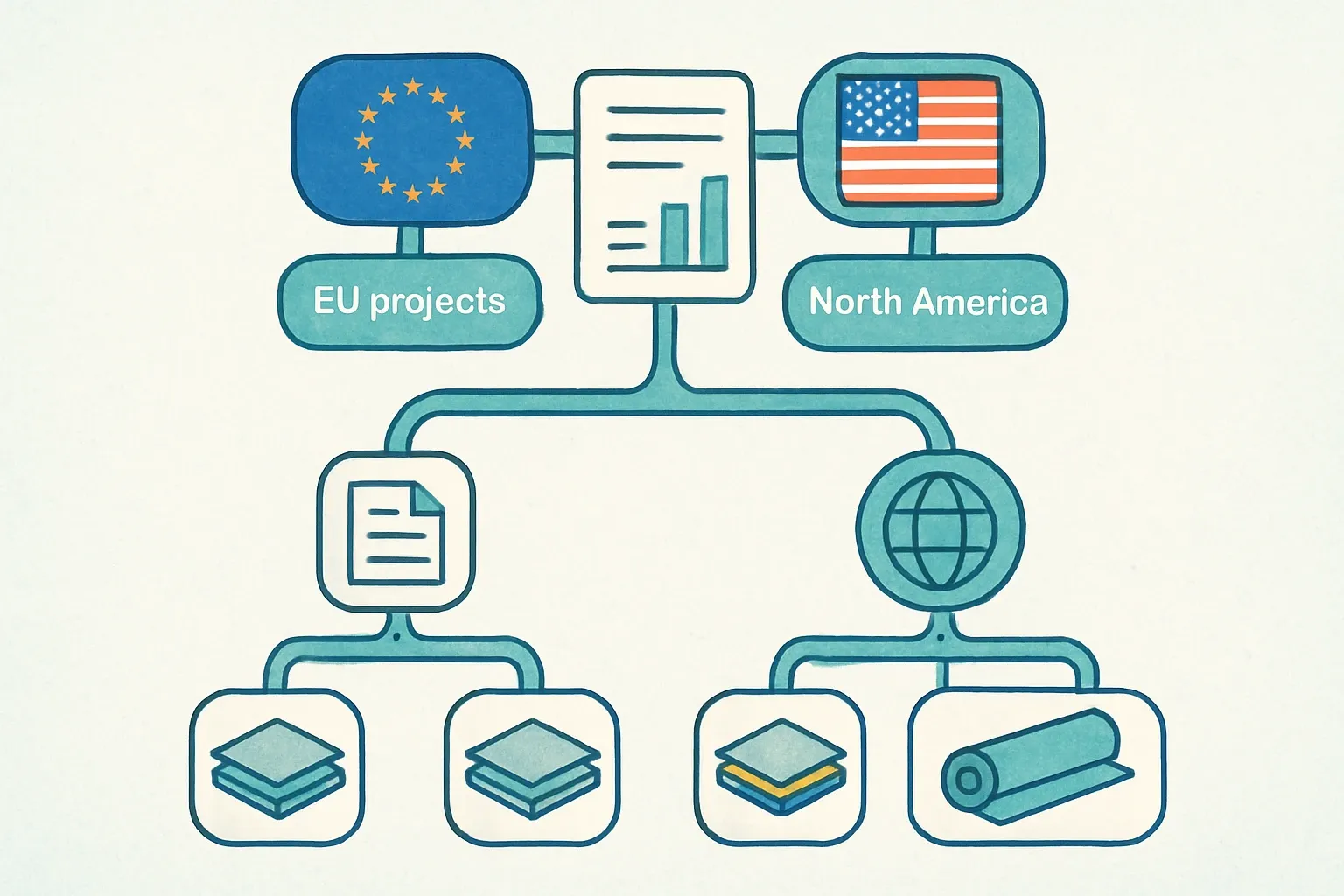
A clean flowchart that starts with two branches labeled EU projects and North America projects, splitting into EN 15804 main PCR 2019:14 and ISO 21930 Part B options, then narrowing to vinyl subcategories like LVT, SPC, WPC, sheet.
Product Category Rules Explained

PCRs for Vinyl Flooring, Decoded

Confused by which rulebook governs EPDs for vinyl tile, sheet, SPC or WPC. You are not alone. Different markets point to...

Toby Urff5 min read
A wall of labeled binders for common metal PCR families, with a hand selecting the correct binder for a profiled sheet, showing different tracks for structural steel, thin‑walled profiles, sandwich panels, and ceilings.
Product Category Rules Explained

PCRs for Metal Profiles and Sheets

Looking for the right rulebook for an EPD on metal profiles or sheet products can feel like picking the exact controller...

Toby Urff5 min read
An open rulebook overlaid on a building blueprint, with icons for unit, boundary, data, and verification arranged like components in a recipe card.
Product Category Rules Explained

How to Write a PCR That Actually Gets Used

If an EPD is the product label, a Product Category Rule is the recipe card everyone agrees to follow. Get the recipe rig...

Eric Hansen5 min read
An open rulebook morphing into a building blueprint, with icons for functional unit, system boundary, and modules to visualize how PCR guidance turns into EPD structure.
Product Category Rules Explained

Product Category Rules for EPDs

Confused about which rulebook governs your Environmental Product Declaration and why it matters for sales, specs, and cr...
John Johnson5 min read
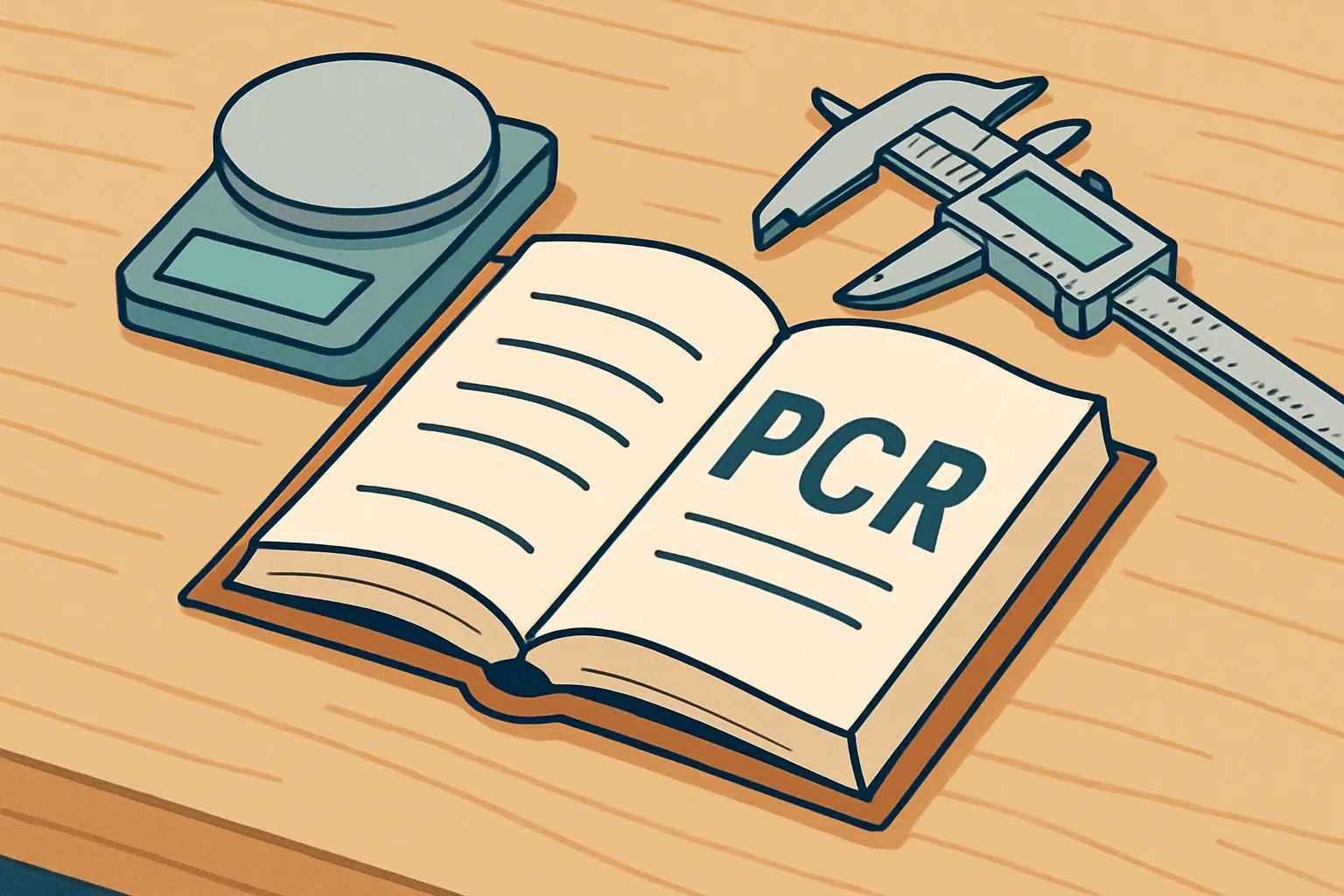
Open rulebook labeled PCR on a workbench, with measuring tools like a caliper and scale to symbolize declared unit and allocation.
Product Category Rules Explained

EPD PCRs, decoded for manufacturers

Product Category Rules sit behind every reliable EPD, yet many teams only meet them when a deadline is already on fire. ...

Toby Urff5 min read