HPD, in one minute
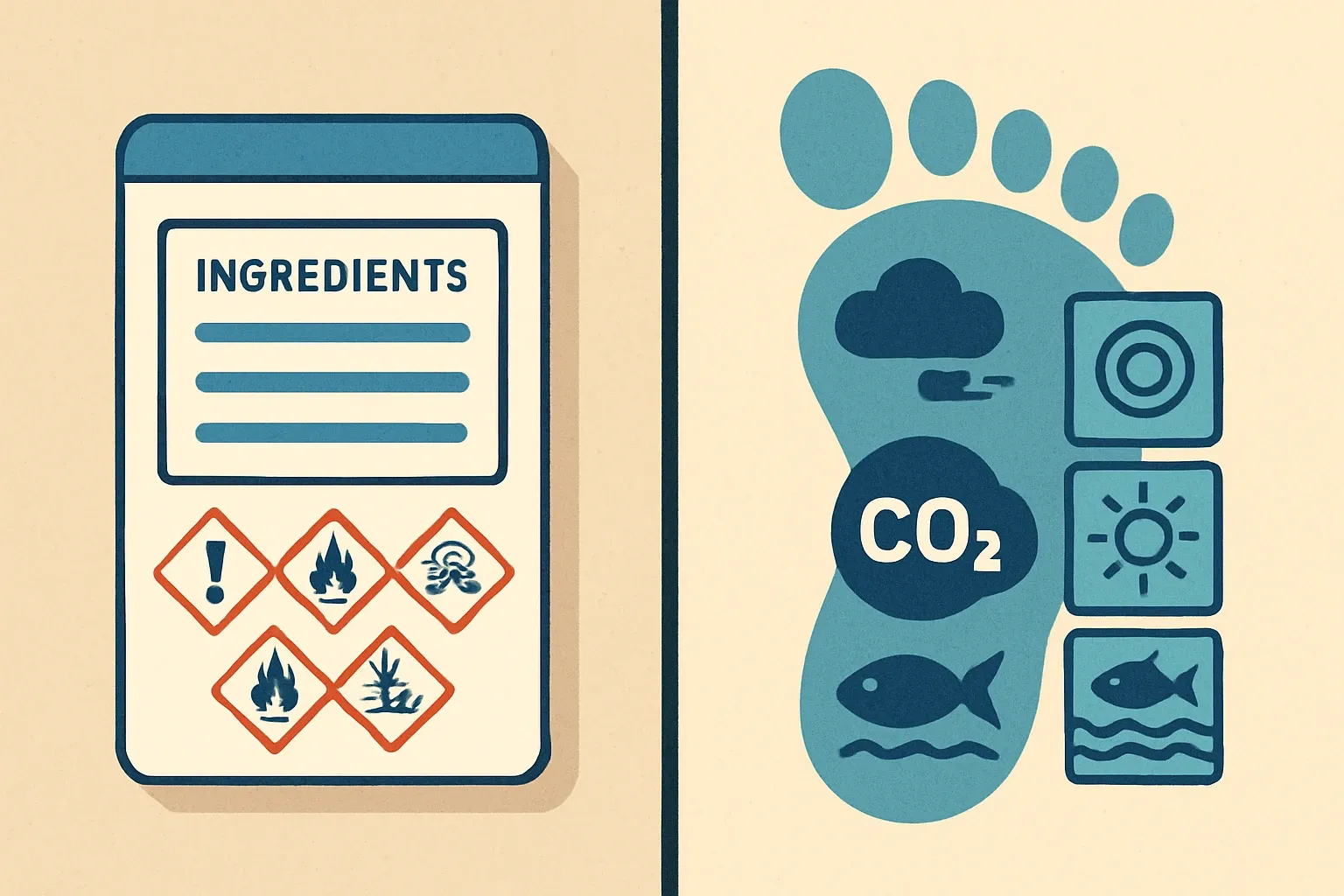
A Health Product Declaration is a standardized report that lists a product’s ingredients and screens them against authoritative hazard lists. It is not an LCA or an EPD, and it does not measure carbon. If someone types “health product declaration hpd” into a search box, this is the document they expect to find.
Why HPDs matter commercially
Design teams use HPDs to qualify products for material ingredient credits and to reduce risk during submittals. The HPD Public Repository now hosts more than 14,000 HPDs from almost 1,000 manufacturers, covering 40,000 plus products, which signals strong market uptake (HPDC, 2025) (HPDC, 2025). Visibility in that repository increases the chance a product is short‑listed rather than sidelined during spec reviews.
What a compliant HPD actually includes
At minimum, disclose ingredients to 0.1 percent by weight, which is 1,000 ppm, and report associated hazards for each ingredient per the HPD Open Standard. That 0.1 percent threshold aligns with how LEED projects meet the material ingredients disclosure option (USGBC, 2024) (USGBC, 2024). Advanced pathways document to 0.01 percent, which is 100 ppm, and screen for no LT‑1 or GHS Category 1 hazards.
HPD vs. EPD, and why both matter
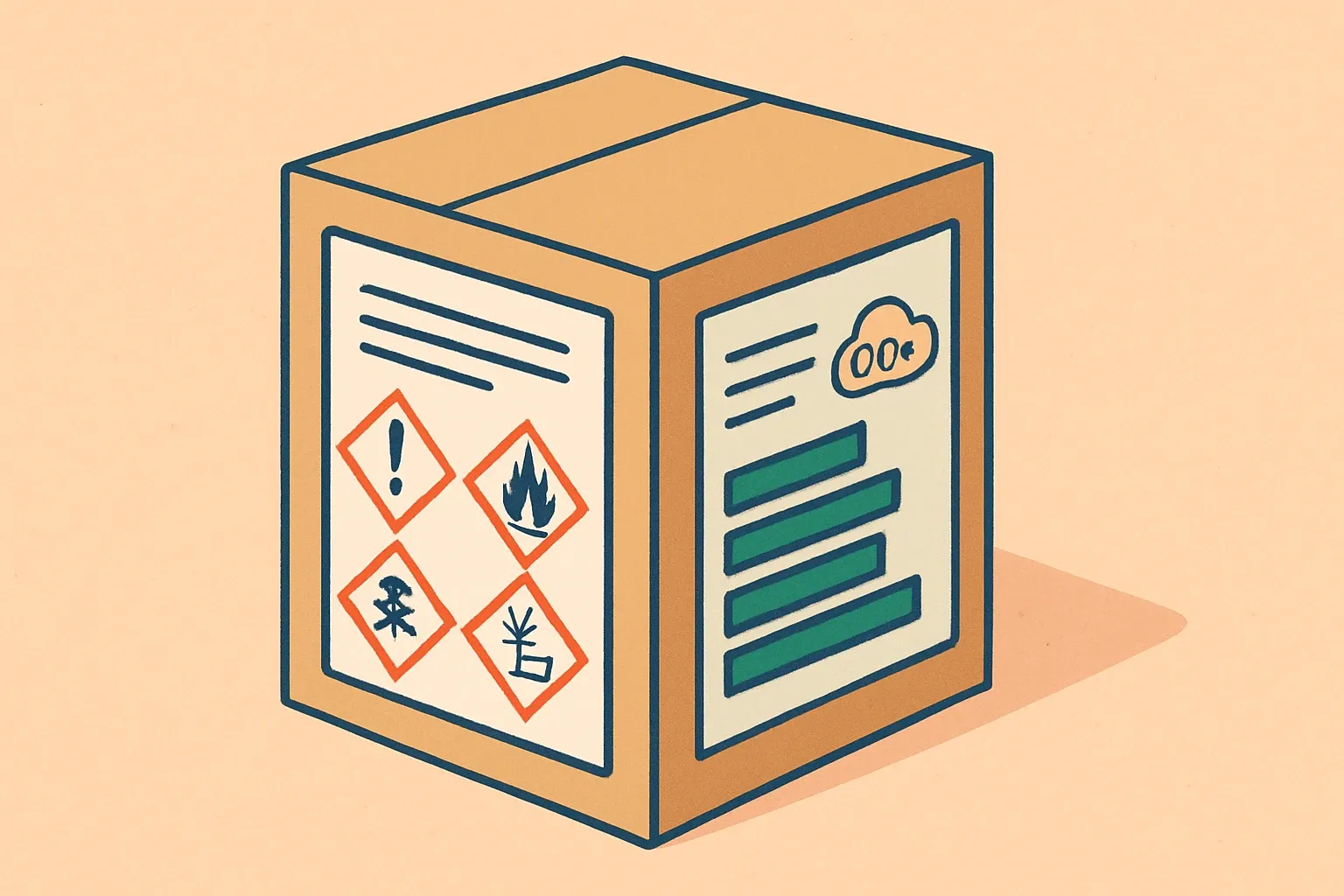
Think of the EPD as the product’s climate scoreboard and the HPD as the ingredient list with hazard flags. Owners are increasingly asking for both so they can manage carbon and chemical risk in one specification. Publishing them on a coordinated cadence prevents rework and keeps marketing claims consistent across submittals and portals.
Need to meet health standards for your materials?
Follow us on LinkedIn for updates on HPDs that help you win tenders and get specified.
LEED today, without the alphabet soup
Under LEED v4.1, a qualifying HPD earns credit toward Material Ingredients Option 1. Third‑party verified HPDs are weighted 1.5 times for that option, which can reduce the number of products a project needs to document (HPDC, 2025) (HPDC, 2025). LEED v5 is now active in 2025 and keeps material health in scope through a consolidated BPDO approach that still recognizes HPDs, with member ratification recorded in March 2025 (USGBC, 2025).
How manufacturers get an HPD without chaos
Start by mapping bill of materials at the ingredient level, then engage suppliers for CAS numbers and residuals. Use the HPD Builder to structure data and run automated hazard screening, then optionally add third‑party verification to boost credibility and LEED value. Publish to the HPD Public Repository so specifiers can find it through common libraries.
Data to assemble before kickoff
- Ingredient list with roles and weight percentages to at least 0.1 percent
- Safety data sheets plus supplier disclosures for residuals and impurities
- Manufacturing site details for variants that change formulations
- NDA language for sensitive trade secrets, while keeping nonproprietary fields public
Common blockers and how to de‑risk them
Suppliers may hesitate to share exact formulations. Offer an NDA and remind them that the HPD standard allows proprietary masking while still listing hazards. Internal teams may fear the workload. A white‑glove partner that handles outreach, version control, and publication can cut cycle time significantly, and it prevents duplicate effort with your EPD program.
Timelines, renewals, and versioning
Most teams can publish an initial HPD within a few weeks once ingredient data is flowing. Plan to refresh when formulations change or when you can upgrade to a higher disclosure level. When LEED priorities shift, keeping HPDs current maintains credit eligibility and avoids last‑minute submittal scrambles that hurt win rates.
Bottom‑line takeaways
An HPD is the clearest path to material health transparency, and it pairs neatly with your EPDs to cover both hazard and carbon narratives. Aim for disclosure to 0.1 percent today and target 0.01 percent as supply chain readiness improves. Get it into the repository, keep it updated, and your spec submittals get alot smoother.