What a Digital Product Passport actually is
A Digital Product Passport (DPP) is a persistent, scannable record tied to a unique product identifier. Think of it as the product’s Wikipedia page that only accepts verified facts, not edits from strangers. For construction, the DPP will reference your Declaration of Performance and your EPD, so specifiers and auditors can trust one source of truth, not a maze of PDFs.
The rulebook behind DPPs
Two EU laws set the field. The Ecodesign for Sustainable Products Regulation makes DPPs possible across many product groups and entered into force on 18 July 2024 (European Commission, 2024). The revised Construction Products Regulation 2024/3110 entered into force on 7 January 2025, with most provisions applying from 8 January 2026, and it introduces digital-by-default product information for construction products, including DPP features once product standards are updated (FPS Economy Belgium, 2025).
Timelines you can bank on today
Batteries are the concrete example. Battery passports are mandatory from 18 February 2027 for EV, light transport and large industrial batteries, which shows how DPP enforcement looks in practice (EU Battery Regulation, 2023). For construction products, obligations phase in as harmonised standards are revised under the new CPR. Exact dates vary by product family, so plan for staged adoption rather than a single cliff date. If someone promises one universal deadline, be skeptical.
Why this matters commercially
Construction and demolition activities generated 38.4% of all waste in the EU in 2022, which is why regulators and public buyers care about product data they can verify at speed (European Parliament, 2024). The EU’s circularity rate reached 12.2% in 2024, a reminder that secondary materials are growing but still limited inventory, so transparent data can win tie‑breakers in bids (Eurostat, 2025). Teams that surface verifiable EPD and performance data at the scan of a code shorten back‑and‑forth in tenders and reduce the risk of being swapped late in design.
Ready to navigate digital product passports in construction?
Follow us on LinkedIn for updates that help you stay compliant and competitive in your tenders.
What goes in a construction DPP
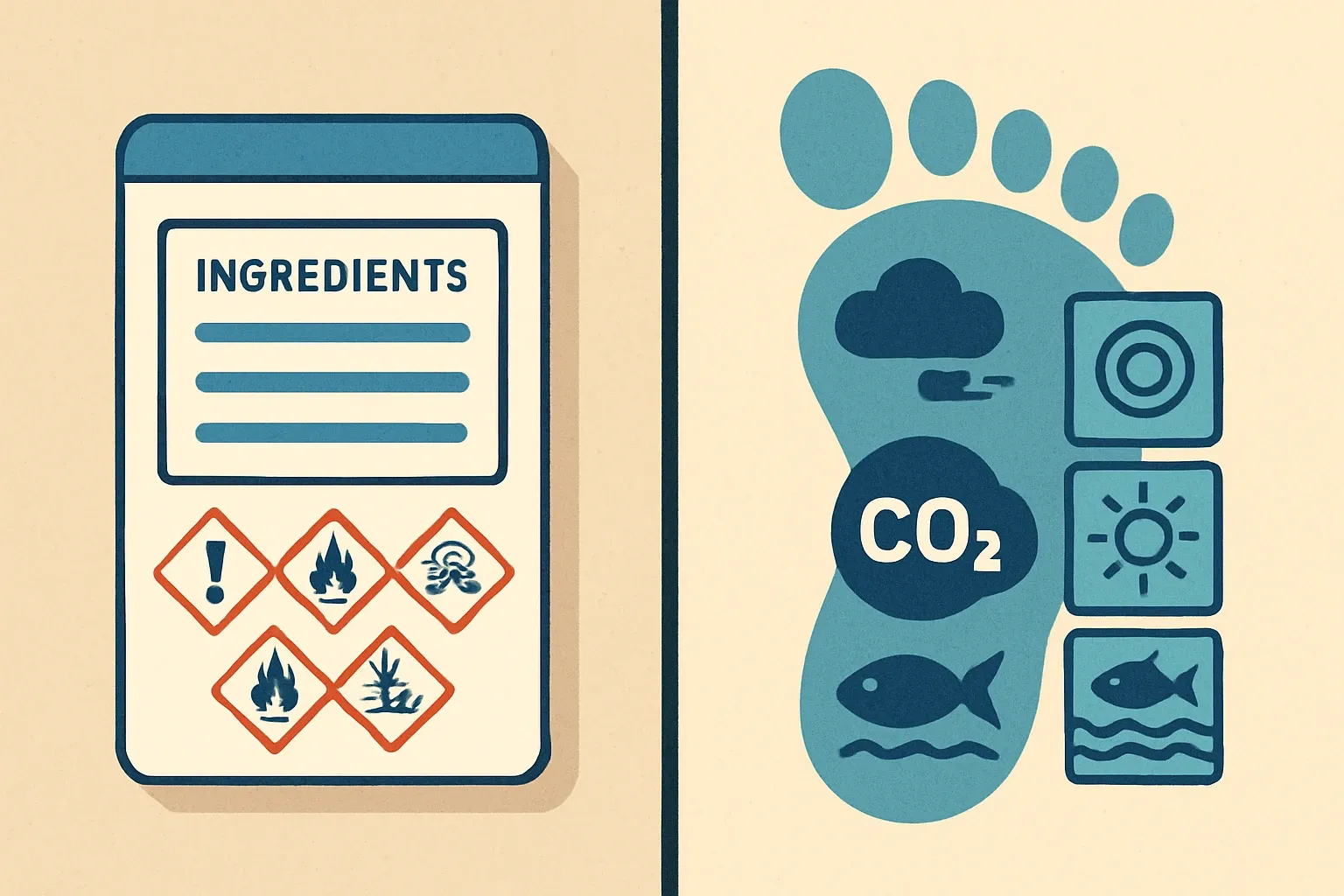
A practical DPP for a door, panel, adhesive, or aggregate will typically include: a globally unique ID, model and batch, Declaration of Performance link, EN 15804 EPD reference, GWP figures for A1 to A3, recycled content, substances of concern, installation and maintenance guidance, repair or reuse routes, warranty basics, and end‑of‑life instructions. Treat it as a living index that points to verified records, not a new PDF to babysit.
How the data flows
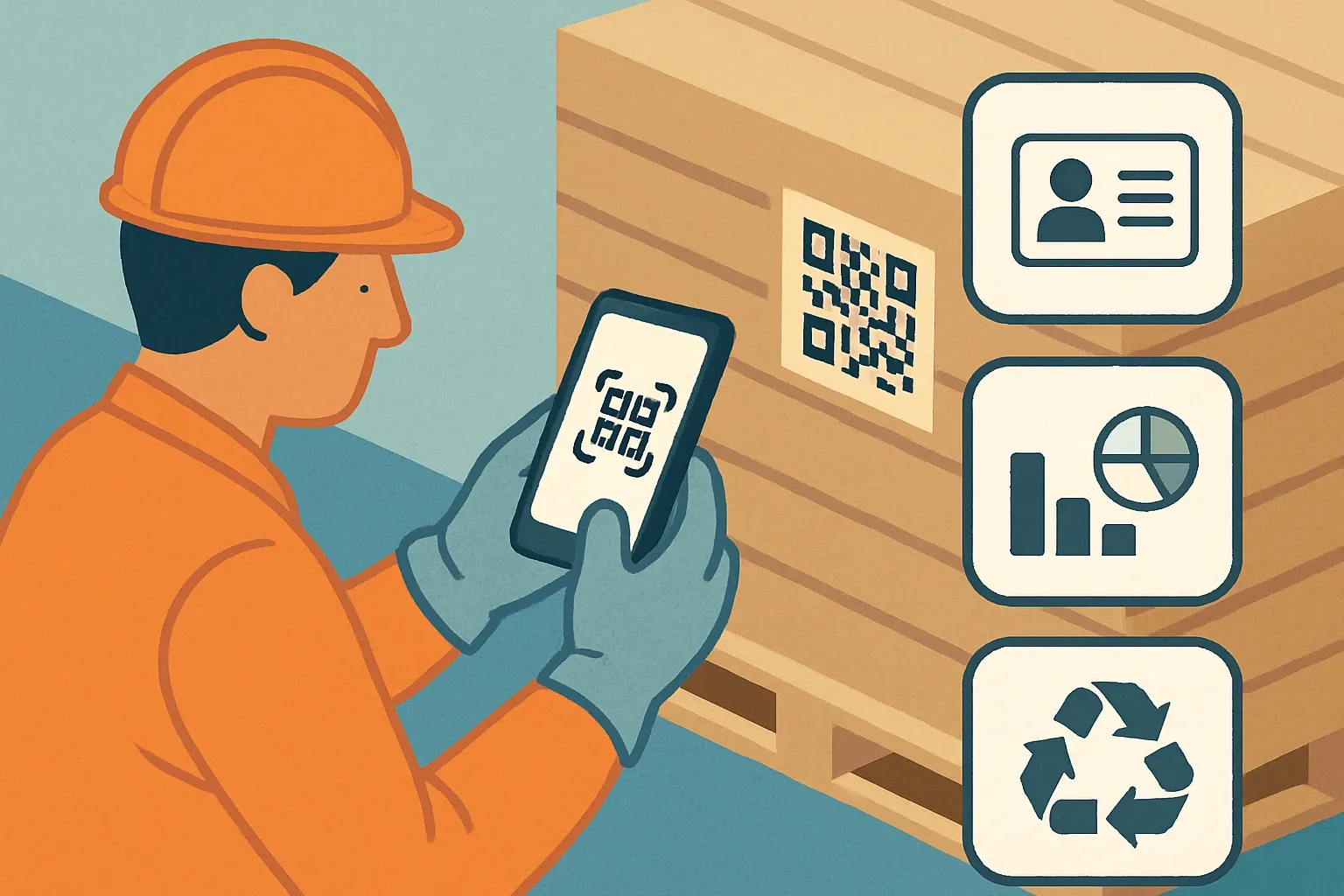
Most DPPs point a QR or NFC data carrier to a canonical URL that answers three questions in seconds. What exactly is this product, what are its verified impacts, and what can I do with it next. Identification and data‑sharing often ride on GS1 standards, which are already used across supply chains in dozens of countries (GS1 in Europe, 2024).
EPDs are the backbone
In construction, the DPP will not replace your EPD. It will make your EPD findable and usable in procurement tools and design software. That means the fastest path to a credible DPP is a high quality, third‑party verified EPD based on the right PCR, with clean facility data and a clear renewal path. A PCR is the rulebook of Monopoly. Ignore it and the game falls apart.
A 90‑day prep plan that actually fits real work
Start with one high volume product line. Assign or confirm unique product identifiers. Map your bill of materials and facilities. Pull one reference year of utility, volume, and waste data. Publish or refresh the EPD under EN 15804 with a program operator your market recognizes. Stand up a DPP page that reads from the same database fields as your EPD, so updates stay in sync. Pilot the QR code in production packaging, then scale.
Avoid the common traps
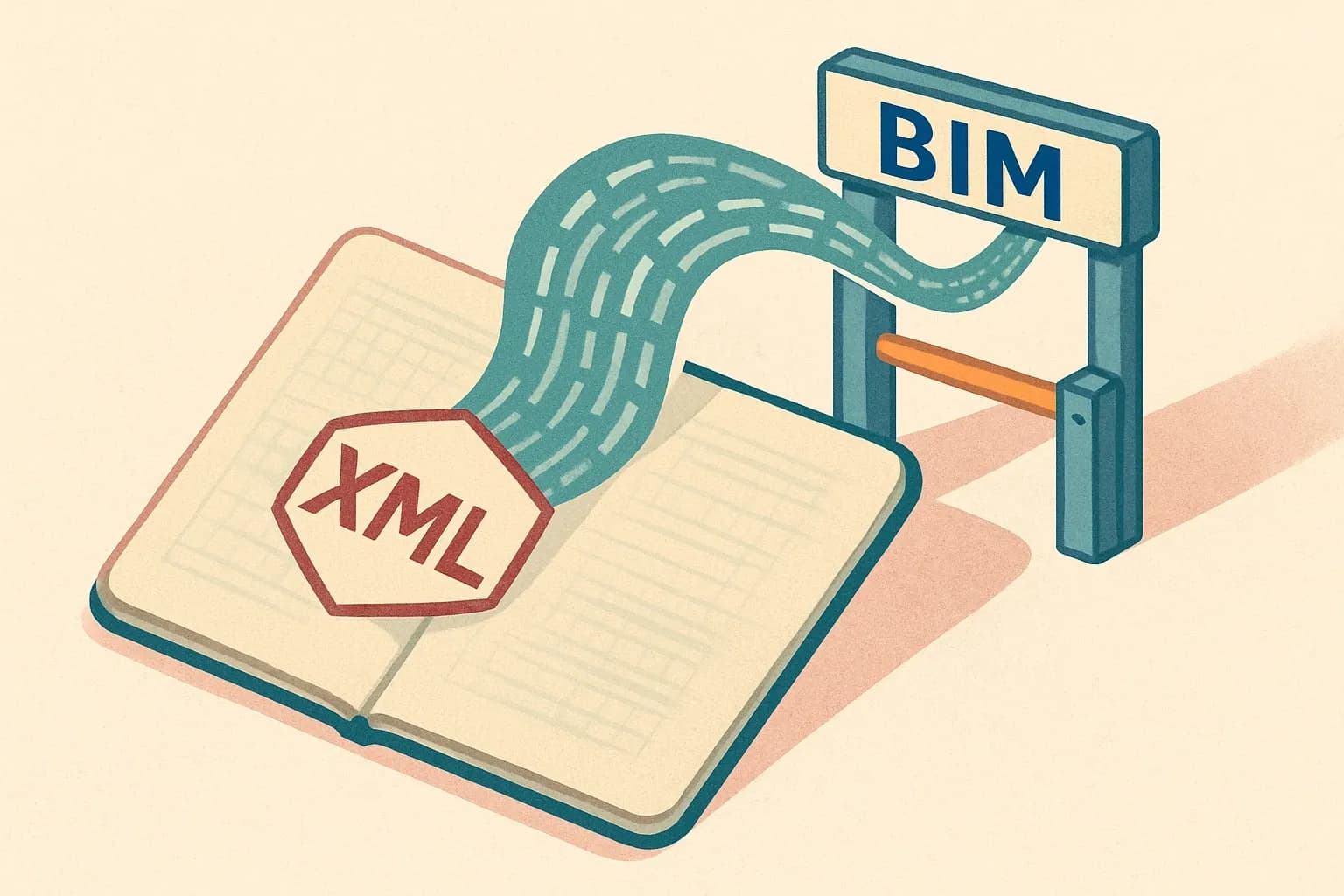
Do not hard‑code marketing copy into the passport. Keep it machine‑readable and versioned. Do not split truth across five systems. One data source should feed your EPD, DPP, website, and BIM objects. Do not wait for a final, one‑size‑fits‑all template. The CPR roll‑out is staggered, so the perfect template will arrive after your competitors start shipping. Get the backbone right now, then iterate. That is how you stay specced in, not chasing late submittals.
The US angle
Federal incentives tied to green procurement shifted in early 2025, so do not count on them for planning. If your products enter the EU market, DPP expectations still apply once your category is regulated. LEED v5 pilots also keep pushing for credible embodied carbon data, which a verified EPD already supplies.
What “good” looks like
The winning pattern is boring in the best way. Clean product identifiers, a single data model that feeds EPDs and passports, and a calm, repeatable update cadence. Do that, and your team saves hours every bid cycle, sales stops hunting for PDFs, and compliance questions become routine. It is definately less glamorous than a glossy brochure, yet far more powerful when a buyer scans and sees exactly what they need.