HPD in one minute
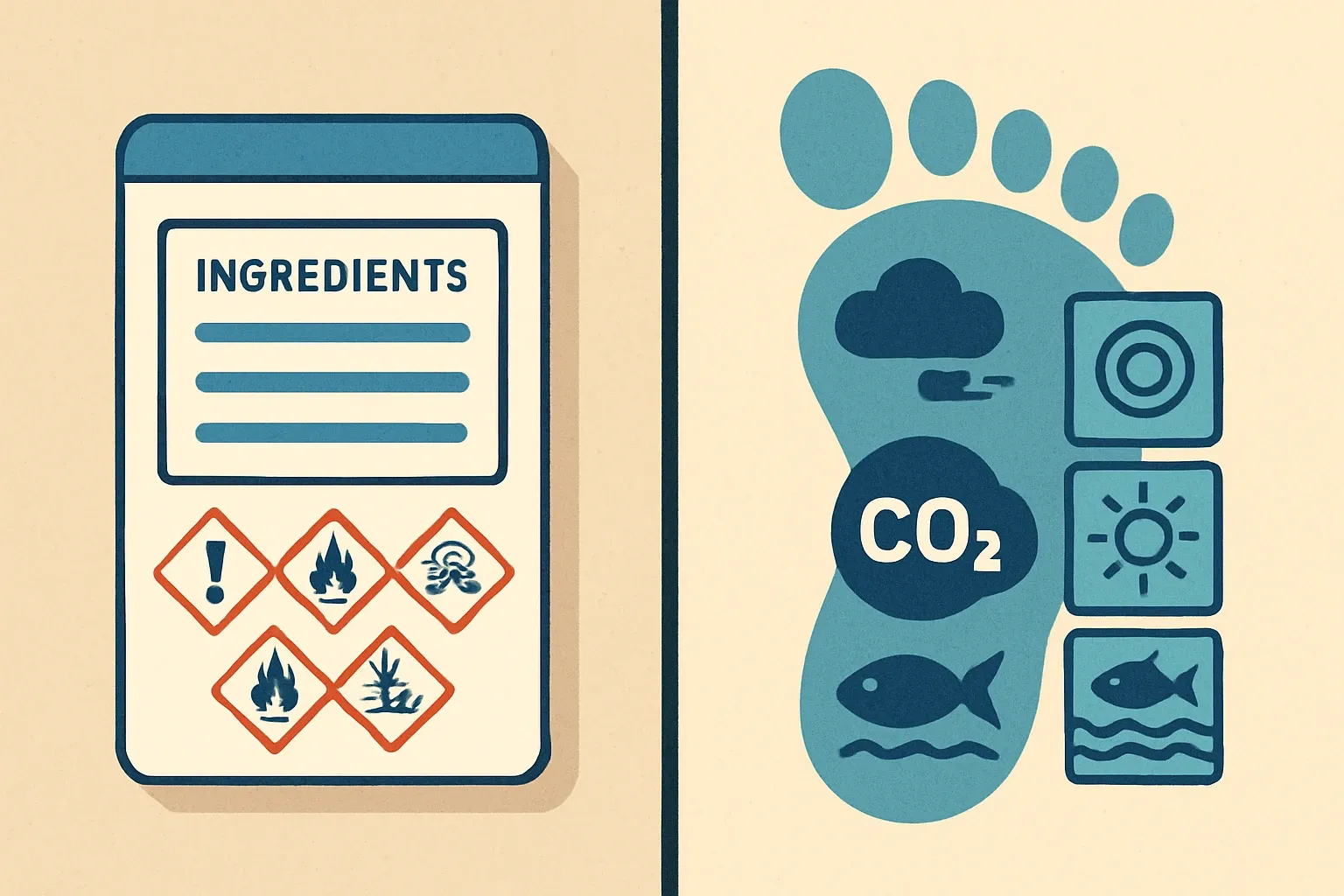
An HPD is a standardized report about a product’s ingredients and associated hazards. Think of it as the nutrition facts panel for material health. It is not the same thing as an EPD, which reports environmental impacts. You will often need both for major projects.
HPDs follow the HPD Open Standard. The current practice in the market centers on Version 2.3, which added clearer screening and reporting options for manufacturers.
Why HPDs matter commercially
Architects and owners now expect ingredient transparency. The HPD Public Repository lists over 14,000 published HPDs from almost 1,000 manufacturers, representing 40,000 building products, and more than 6,000 project teams use material health disclosures to earn LEED material credits (HPDC News, 2025).
LEED v5 was ratified by USGBC members on March 28, 2025 and raises the profile of materials selection, with a stronger, consolidated approach to product disclosure and optimization that project teams will track closely (USGBC, 2025).
Anatomy of a strong HPD
A high quality HPD reads like a clean lab notebook. It should include:
- Product identification and scope, including variants covered.
- Content inventory with accurate thresholds and residuals logic documented.
- Hazard screening against required lists, with listings and authoritative bodies clearly named.
- Certifications and emissions data relevant to the product and facility.
- Notes that explain assumptions, recycled content handling, and accessory materials.
- Third‑party verification status, if used.
A plain‑English “health product declaration example”
Here is a simplified template that mirrors what reviewers want to see.
Product: Acoustic Ceiling Panel, mineral fiber, paint‑ready finish 2 by 4 ft.
Inventory threshold: 100 ppm. Residuals considered for upstream mixtures above 1 percent.
Content inventory: Mineral wool 70 percent, starch binder 15 percent, calcium sulfate 10 percent, titanium dioxide 3 percent, additives 2 percent with CAS‑level disclosure for each.
Screening: All intentionally added substances screened against HPD Priority Hazard Lists. Titanium dioxide flagged for carcinogenicity in respirable powder form with applicable agency noted. No ILFI Red List substances present at or above threshold.
VOC and emissions: Classroom certification for low emissions listed with test method and certificate ID.
Notes: Paint topcoat not included in scope. Installation adhesives addressed in a separate HPD.
Verification: Third‑party verified by qualified preparer and verifier, with dates.
Ready to launch a winning Health Product Declaration?
Follow us on LinkedIn for practical insights that help you stand out in tenders and projects.
HPD vs EPD vs Declare vs C2C
HPD focuses on ingredient transparency and hazards. EPD reports life‑cycle impacts like global warming potential. Declare and Cradle to Cradle include broader performance or optimization paths that may build on HPD‑style data. Many owners ask for an HPD plus an EPD so they can check both toxicity risk and embodied carbon in one submittal set.
How long is an HPD valid
HPDs are typically valid for three years from screening, and LEED requires that the HPD be valid at the time of product purchase and use for credit eligibility (HPDC Support, 2020). If ingredients change, update sooner. Treat this like a food label. Stale data confuses reviewers and slows approvals.
LEED v5 and submittal strategy
USGBC has confirmed LEED v5 timelines and a tighter materials focus. Early guidance signals continuity with familiar documentation pathways for ingredient disclosure along with a new scoring approach that rewards optimization. That means clean HPDs with credible screening remain a safe bet for project teams that do not want friction at submittal time (USGBC, 2025).
Version 2.3 details worth getting right
Version 2.3 supports finer screening and clearer reporting for antimicrobial additives and harmonized restricted substance lists. Manufacturers that publish consistently see fewer RFIs. The ecosystem is active, with an average of about 250 new HPDs published monthly by 40 plus manufacturers, which raises the bar on what reviewers expect to see in formatting and completeness (HPDC Press Release, 2025).
Common pitfalls that sink an HPD
Inventories that dodge residuals. Thresholds that change between sections. Emissions certificates listed without model, site, or test date. Vague mixture names with no CAS numbers. Missing accessory materials that users actually install. All of these cause headaches for project teams and can push a product out of consideration.
Data you should gather before starting
You will save days by collecting these items up front.
- Full bill of materials with supplier contact for each mixture.
- SDSs with revision dates and any proprietary ranges clarified under NDA.
- Facility location and emissions test reports with IDs and dates.
- Notes on variants and SKUs that should roll into one HPD scope.
Third‑party verification
Verification is optional but powerful. It signals that a competent reviewer checked hazard screening and formatting. Some owners treat verified HPDs as preferred. If you pursue it, align verification timing with your product launch so the dates land well inside bid cycles.
Connecting HPDs and EPDs
Running HPD and EPD efforts in parallel often shortens spec cycles. The same supplier outreach can collect ingredient and process data in one go. We prefer one coordinated pull so R&D and plant teams are not peppered with duplicate requests.
Fast path to your first HPD
Start with your top revenue product that frequently shows up in interior scopes. Nail one exemplary HPD, then replicate the pattern across close relatives. Publish to the HPD Public Repository and keep a clean change log so updates are painless. You will definitley feel the difference when submittals stop bouncing back.
What good looks like in the wild
Reviewers love simple scopes, explicit thresholds, and transparent mixture handling. They look for clear mapping between BOM items and screened substances. They notice when accessory adhesives are covered either here or with a sister HPD. They reward products that pair a verified HPD with a current EPD because it reduces risk for their teams.
Final thought
HPDs are not paperwork for paperwork’s sake. They are a credibility signal. In a crowded spec, the product with a crisp HPD and an EPD is easier to approve and harder to replace. The market volume shows where things are headed and the cadence of new publications confirms the momentum behind ingredient transparency (HPDC News, 2025).