The quick answer
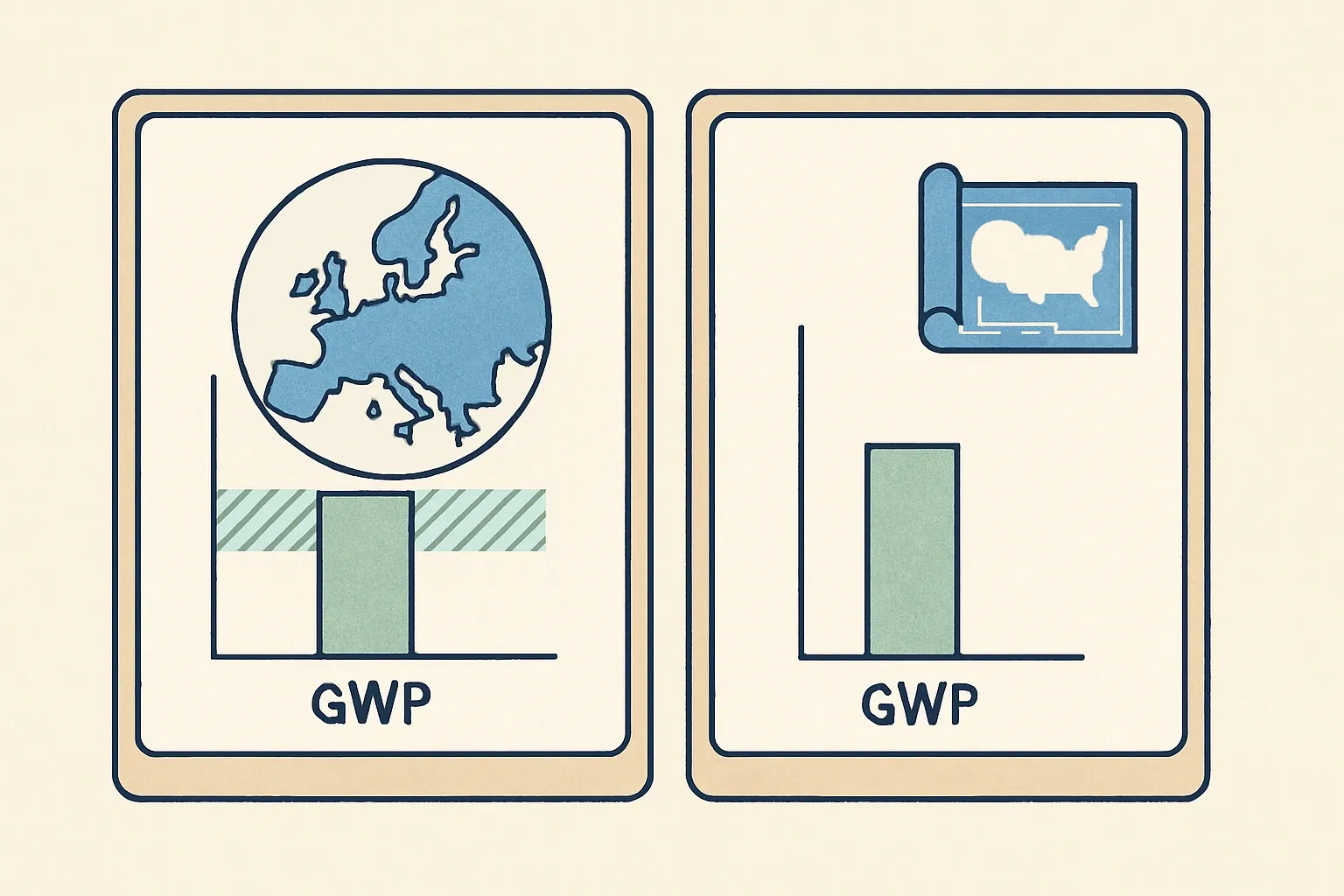
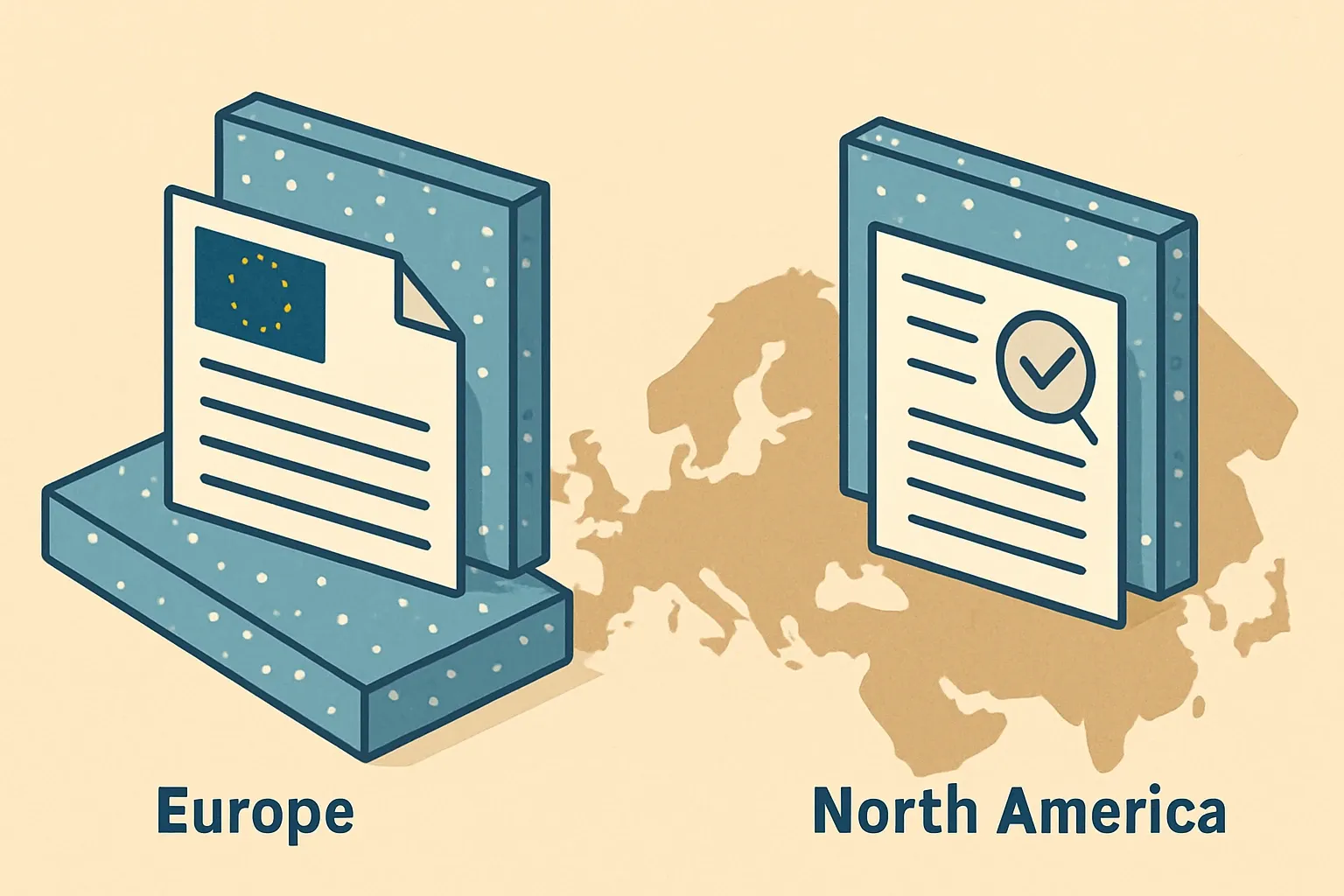
As of December 11, 2025, an industry‑wide EPD exists in Europe for EPS insulation, published under EN 15804. We are not aware of a current North American industry‑wide EPD for EPS insulation, so owners, architects, and GCs typically lean on product‑specific EPDs or conservative generic assumptions.
Where a sector average EPD for EPS does exist
Germany’s IBU hosts a pan‑European, association EPD for EPS insulation issued by IVH on behalf of EUMEPS. It covers common densities and applications aligned to EN 13163 and EN 15804, making it usable across many European markets. You can view it on IBU’s site. citeturn2click0
If you work in the UK or Ireland, that European EPD is the usual reference point for sector averages, and it is also signposted by the British Plastics Federation’s EPS group. citeturn1search10
Who stands behind the European average and how it was built
IVH, the German EPS industry association, prepared the declaration with EUMEPS, the European umbrella organization. The document follows EN 15804 and reports cradle‑to‑grave impacts for EPS boards in typical building uses. In practice, that means project teams can compare a manufacturer’s product‑specific EPD against the sector average to show improvement. citeturn2click0
Maximize your chances of winning specs with EPD insights?
Follow us on LinkedIn for updates on product-specific EPDs that can enhance your project opportunities.
What about the United States and Canada
There is no active, association‑level industry‑wide EPD for EPS insulation in North America at the time of writing. Specifiers therefore either use a manufacturer’s product‑specific EPD or fall back to conservative generic data. That generic fallback often makes a product look heavier on carbon than it really is, which can quietly push a bid to the sidelines.
Manufacturers already publishing product‑specific EPS EPDs
Plenty of mid‑sized players have moved ahead with their own declarations.
- United States: Atlas EPS publishes Environmental Product Declarations for its ThermalStar EPS insulation lines and points specifiers to them directly in product pages. If a project team needs a product‑specific EPD for whole‑building LCA, it is available. citeturn1search3turn1search2
- United Kingdom: Jablite by BEWI has BRE‑verified EPDs for inverted flat roof EPS boards listed on GreenBook Live, valid through late 2026, which makes them easy to reference in UK specifications. citeturn2search5
- Nordics and wider Europe: BEWI holds multiple current EPS insulation EPDs verified by EPD Norway, including country‑specific variants such as Bewi Finland Oy EPS Lattia. These provide project‑level transparency where a sector average is not the best fit. citeturn3search4
Why a sector average is a conservative estimate by design
Think of a sector average like a league‑wide batting average. It is helpful to set context, yet it will not capture a factory’s new energy contract, process heat recovery, recycled feedstock, or a switch to lower‑impact pentane ratios. A product‑specific EPD lets you document those moves and claim the performance on the scoreboard. Teams doing whole‑building LCAs often must add a penalty or use generic factors when a product lacks a product‑specific EPD, which can tip decisions toward competitors who do have one.
Commercial takeaway for EPS manufacturers
An industry‑wide EPD for EPS insulation can help early in a program, especially in European markets. But its conservative nature means it rarely earns the strongest position in carbon‑aware bids. Product‑specific EPDs demonstrate your actual footprint, often better than the sector average, and help projects avoid conservative adders. The ROI tends to show up quickly because one or two wins at specification stage usually cover the effort and then some. If internal bandwidth is tight, pick a partner who will actually do the data wrangling so your plant and engineering teams don’t get stuck in spreadsheets for weeks.
How to decide your next move
If you sell mainly in Europe and have not published anything yet, the IVH‑EUMEPS industry‑wide EPD can serve as an interim reference while you build your own. If you sell in the US or Canada, go straight to a product‑specific EPD for your highest‑volume EPS lines so project teams stop defaulting to generic factors. Start with the plant that can most easily document utility and material flows, then expand across SKUs. You will likely recieve more invitations to bid where whole‑building LCA or EN‑15804‑based scoring is required.