The start line sits in schematic, not at the RFP
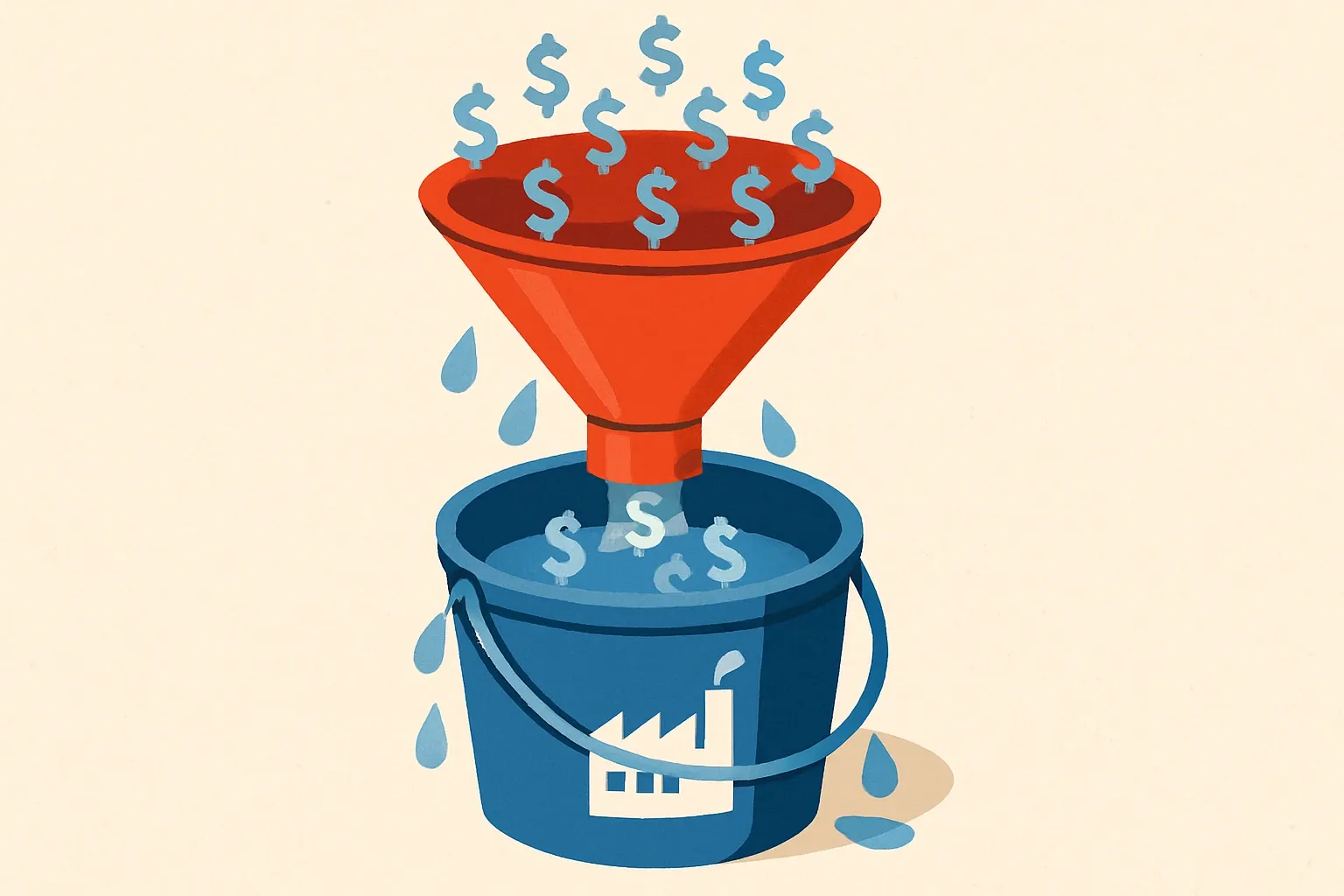
Manufacturers often treat the bid as the first real moment of truth. The truth is quieter and earlier. Influence begins when the architect defines performance intent and writes the first shortlists. One designer put it starkly, manufacturers are "losing the deal three years before the bid."
Discovery is digital, and reps are optional
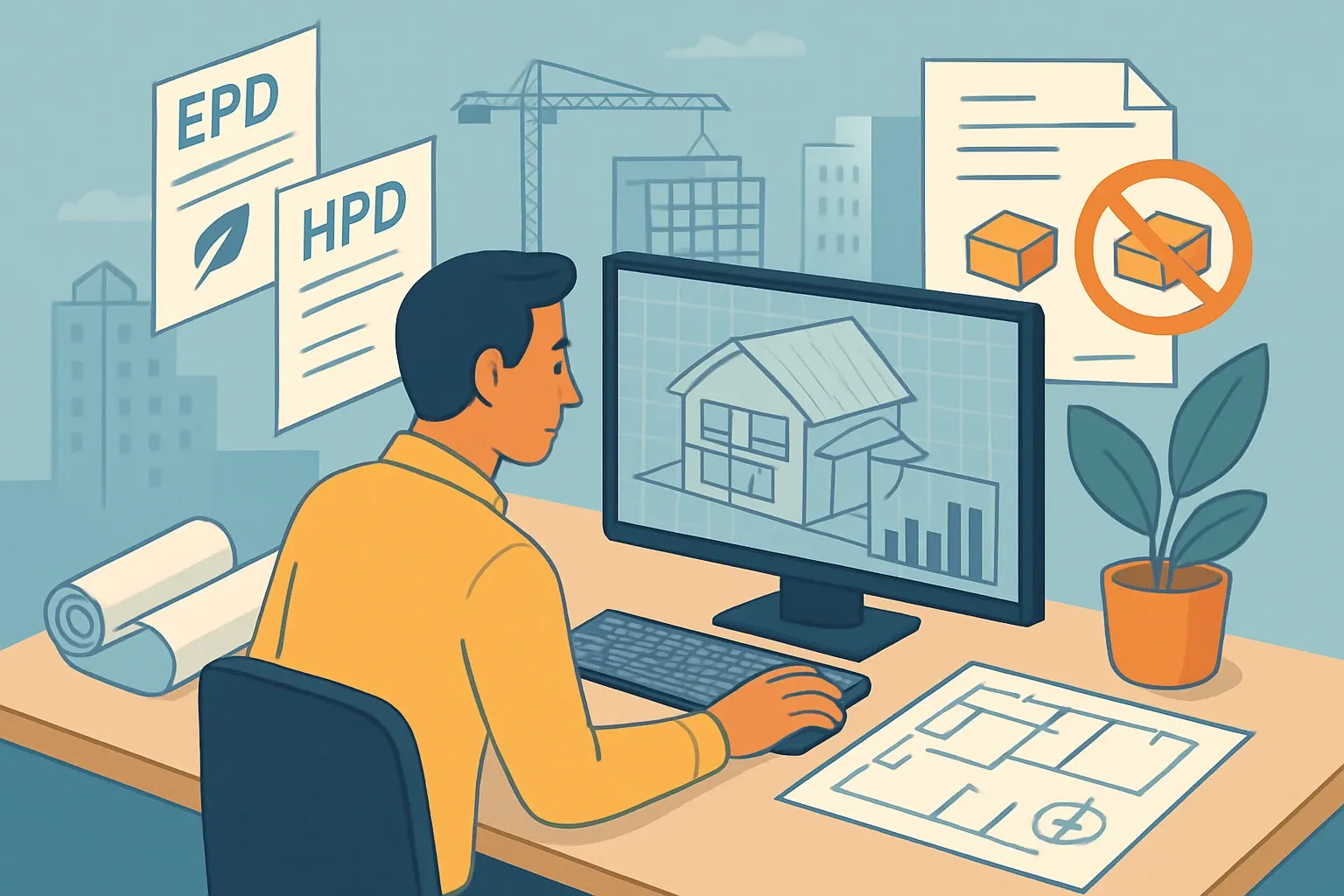
Architects prefer to find products online, inside the tools they already use. As one architect said, "I like to find products digitally. If no manufacturing sales rep ever came to my office again, that would be awesome." When specifiers rank useful information, product data sheets top the list at 78 percent, and BIM objects are expected by 69 percent, which signals where early attention happens and how it is filtered (NBS Specifier Insights, 2024) (NBS, 2024).
EPDs and HPDs shape early consideration, not just late compliance
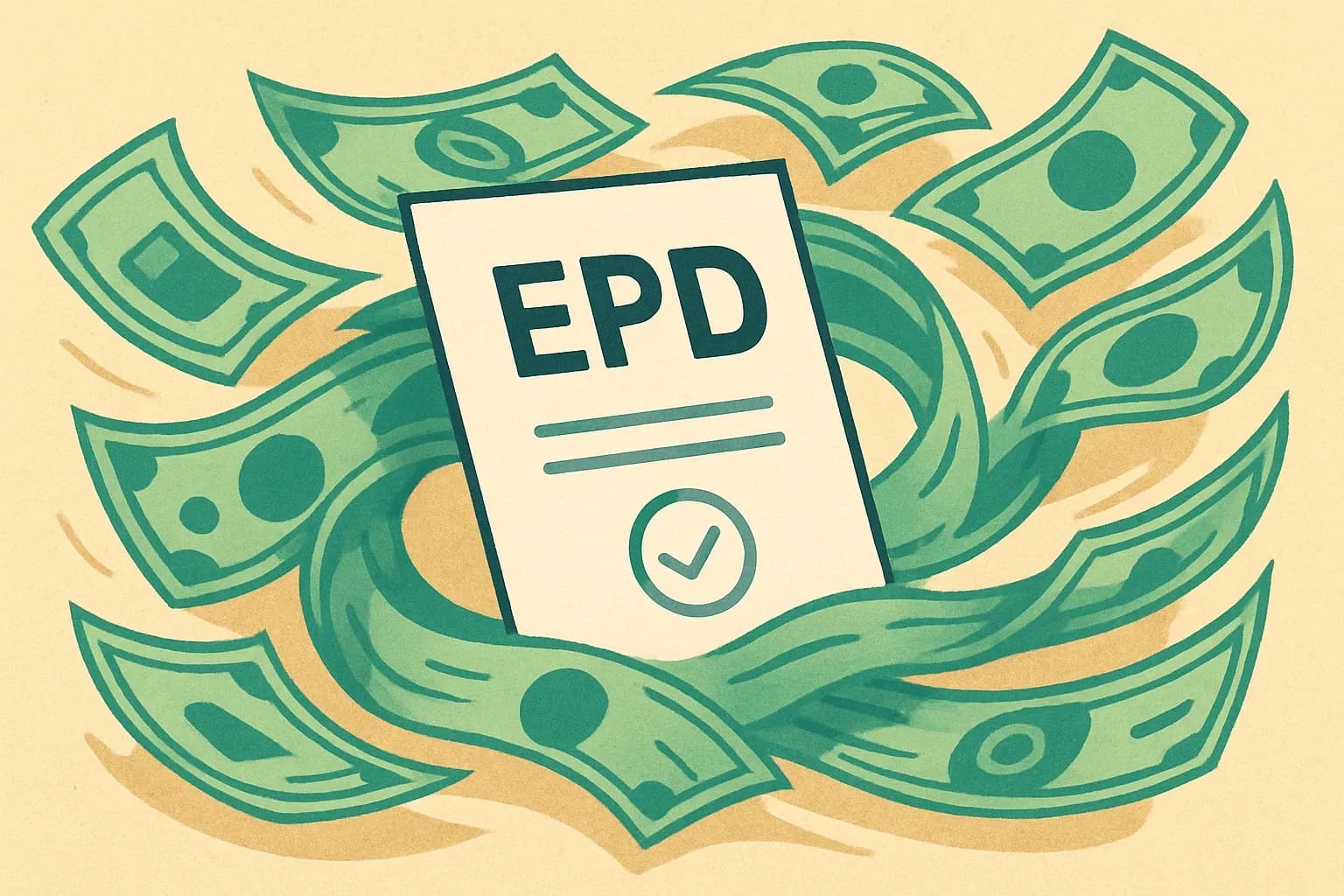
With LEED v5, Environmental Product Declarations and material ingredient reporting sit inside a new product scoring system under Building Product Selection and Procurement, and project teams can earn points for EPD Analysis, 1 to 3 for New Construction and 1 to 4 for Core and Shell (USGBC LEED v5 Summary of Changes, 2025) (USGBC, 2025). That moves transparency from a box to tick at submittals to an input that steers selections months or years earlier. If the declaration is missing when criteria are set, the product is quietly skipped.
Join Parq Pulse!
Stay ahead in construction materials with weekly insights on product transparency, environmental data, and winning project opportunities.
If you are absent from the digital flow, you are invisible
Specification is now a sequence of searches, filters, and comparisons that reward structured, machine‑readable data. No current EPD or HPD means the product appears riskier, and in many workflows it simply does not surface. The manufacturer experiences a “total lack of visibility,” while the project team never sees a reason to ask for the product at bid.
Time your declarations to the design clock
EPDs are normally valid for five years, which easily spans a multi‑year pipeline when planned well (EPD International FAQ, 2025) (EPD International, 2025). That window lets commercial teams influence schematic and design development today, protect against being value‑engineered out later, and still be current at submittals. The timing trap is waiting until RFP, then discovering the schedule cannot absorb LCA scoping, data gathering, and independent verification.
What to do in the next 30 days
- Map active pursuits to design phases, then flag those entering programming or schematic within six months. These are the real “deal starts.”
- Prioritize EPDs and HPDs for the product families that recur on those projects. Publish where project teams actually look.
- Convert product information into structured, searchable fields. Include performance, formats, plant locations, and a clean bill of materials that supports HPDs. If this sounds heavy, pick a partner who owns the data wrangling so engineers do not lose weeks.
- Package assets for the architect’s workflow. Provide BIM objects, concise product data sheets, and clear spec language that references your EPD and HPD IDs.
- Align renewal calendars with market windows. Track PCR changes and plan refresh work during slow seasons so you remain present in early research.
Sales choreography that matches how specs get written
Lunch‑and‑learns still matter, but they now trail digital discovery. Marketing owns findability and completeness. Product teams own trustworthy data. Sustainability owns declarations and alignment with LEED v5 language. When these threads land in the same place online, you get pulled into the shortlist. When they do not, competitors who arrive with publishable transparency look safer and get picked. Simple, and also definately avoidable.
The quiet win
Specification influence is timing plus proof. Proof is an EPD and an HPD that a project team can verify inside its tools. Timing is being present when the first filters get applied. Move both forward and the bid stops being a cliff. It becomes the last step of a path that already tilts your way.