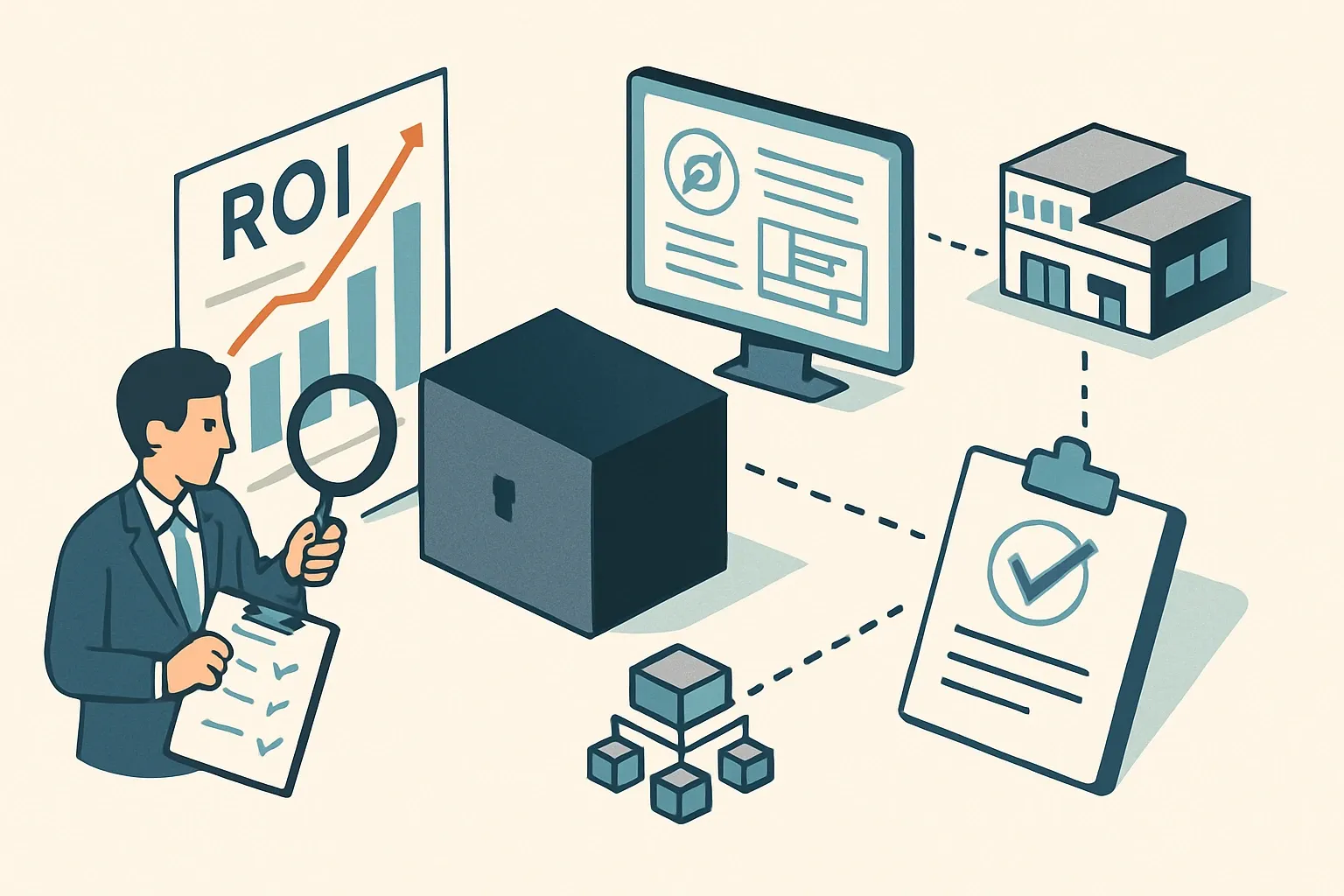
Why ROI gets fuzzy in distributor models
Distributors curate a subset of SKUs and own the local relationship. Manufacturers see delayed or partial signals, so EPDs feel like posters on the wall rather than levers that move pipeline. We solve this by deciding what to track, then making it effortless for the channel to report.
Define EPD‑driven demand signals
Think of EPD signals as three buckets. First, awareness signals such as EPD page views, spec platform clicks, and datasheet scans. Second, intent signals such as submittal requests, LEED documentation asks, and project takeoff mentions. Third, conversion signals such as line items that remain specified after VE rounds or change orders. If it cannot be logged in under 60 seconds, it will not be logged.
Tag what you control first
Start at the source. Give every public EPD asset a unique URL parameter and QR code per distributor so traffic is attributable. Add a required field to online literature requests that asks “Was an EPD requested by the project team.” Map EPD download events into the CRM with campaign codes that include product family and geography. None of this requires a spec rep, only discipline.
Share a structured EPD kit with distributors
Make it ridiculously easy to sell with your EPD. A good kit is short, scannable, and versioned.
- One‑page EPD summary with key claims and scope description.
- The verified EPD PDF and a lightweight submittal template.
- A spec note that matches common CSI language plus exact SKUs.
- A 30‑second talk track that explains how an EPD helps the project team hit carbon accounting or LEED v5 goals.
Keep the files in a single folder with a timestamp in the name. If the kit changes, announce it like a product update.
Want to turn EPDs into gold for your bottom line?
Follow us on LinkedIn for insights on maximizing EPD ROI and strategies that help you win more projects.
Close the loop with a two‑minute feedback path
Ask distributor sellers to log a win assist when an EPD is cited. Keep the form to three inputs: project name, product family, and which document referenced the EPD. Encourage uploads of redlined spec pages or submittals. Reward speed, not essays. We have seen adoption jump when a sales leader reads out one crisp example in the weekly call. It sounds small, it works.
A barebones ROI model finance will recognize
ROI is not mystical. Use a rolling window so slow project cycles do not sink your case.
ROI over 24 months = (Gross margin from EPD‑attributed wins minus total EPD program cost) divided by total EPD program cost.
Count a win as EPD‑attributed if a distributor logs the assist and your CRM shows the EPD kit was accessed within the opportunity window. EPDs carry a five‑year validity period in major programs, so plan renewals and payback horizons on that clock (EPD International GPI, 2024) (EPD International GPI, 2024).
Keep the numbers honest without perfect data
When attribution is fuzzy, use tiers. Tier A is clear EPD citation in submittals. Tier B is verbal confirmation from the GC or architect captured in notes. Tier C is circumstantial, such as a last‑minute swap that kept your product because of documentation. Apply a haircut to Tier B and C so finance sees prudence, not optimism.
What to measure monthly, not quarterly
Quarterly is too slow for course corrections. Review monthly: EPD kit opens by distributor, new opportunities with an EPD assist, submittal template downloads, and margin on closed‑won EPD‑attributed deals. Compare by product family so you know where the next EPD creates leverage.
Prioritize the next EPD with simple scoring
Score each product line on four things. Spec frequency in target regions, achievable margin, distributor readiness to sell the documentation, and PCR fit plus timing. Most LCAs use operational data for a representative 12‑month period, so data pull planning matters as much as modeling effort (EN 15804, 2019). For new lines already in production, a prospective EPD can bridge the gap, then refresh once a full year is available.
Speed covers the gaps a spec team would fill
Without in‑house spec reps, time is the tax. Choose an LCA and EPD partner that collects messy plant data for you, project‑manages stakeholders, and publishes with the operator you prefer. That white‑glove approach frees R&D and product managers to stay on roadmap while the credentials move. Speed is not a vanity metric. It protects revenue in active bids and prevents expiries from knocking you out of consideration.
A six‑week starter plan your team can actually run
Week 1 to 2, ship the EPD kit and add tracking to every public asset. Week 3, train distributors with a ten‑slide deck and enable the two‑minute feedback form. Week 4, wire CRM attribution and build the first ROI view. Week 5 to 6, review results, adjust the kit, and pick the next product line for documentation. It is simple enough to survive real life and definately loud enough to show up on a CFO dashboard.
The payoff
This approach will not count every whisper in the channel. It will catch the important ones. With tagged assets, structured kits, and quick feedback, manufacturers turn EPDs from quiet compliance into visible revenue. That clarity is the real return.