What EN 15804 actually does
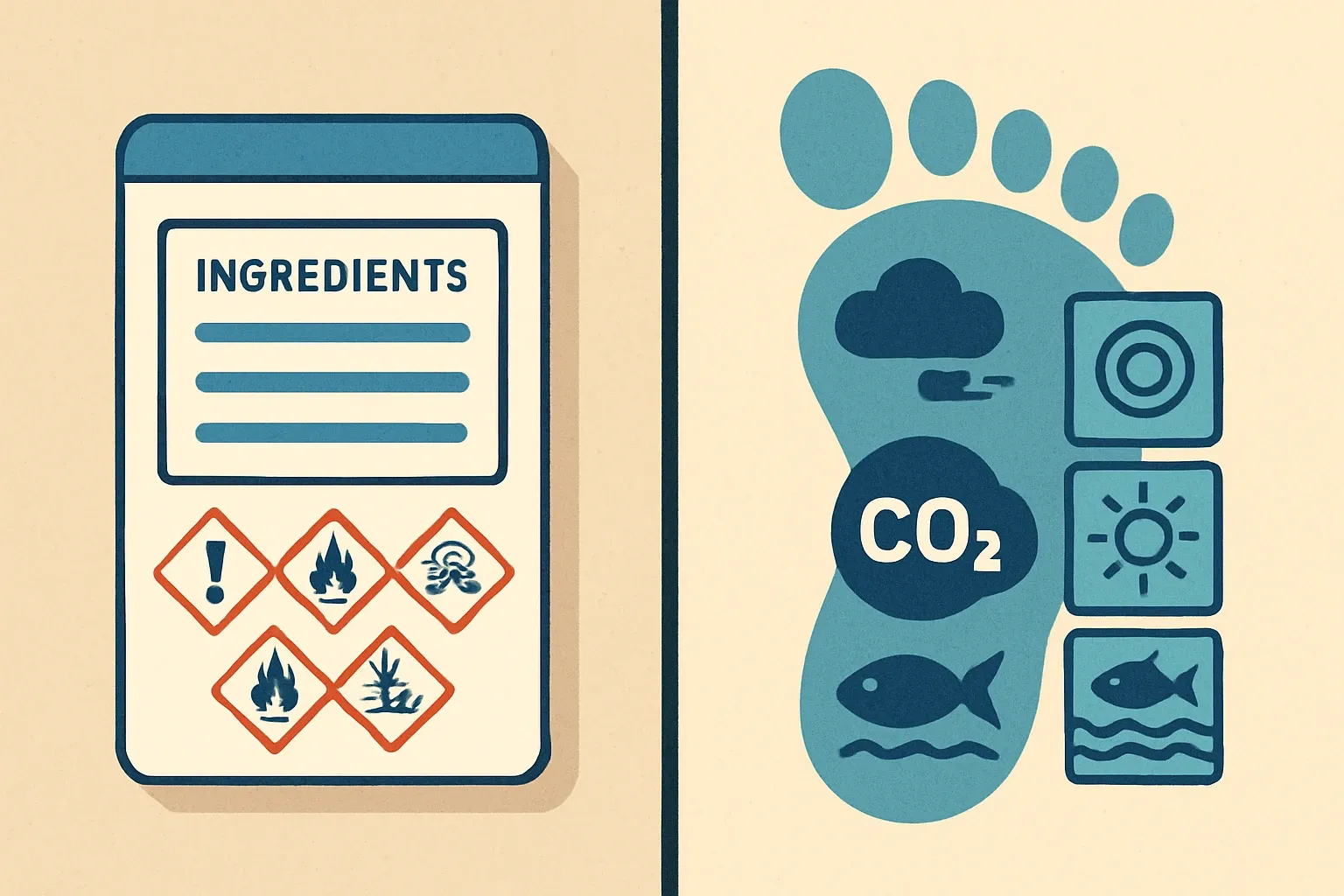
EN 15804 sets the core Product Category Rules for EPDs in the built environment. Think of it as the referee that makes EPDs from different manufacturers comparable, while ISO 14025 sets the league rules. Program operators in Europe and beyond align to it so that specifiers can trust apples‑to‑apples results.
The lifecycle modules you must speak
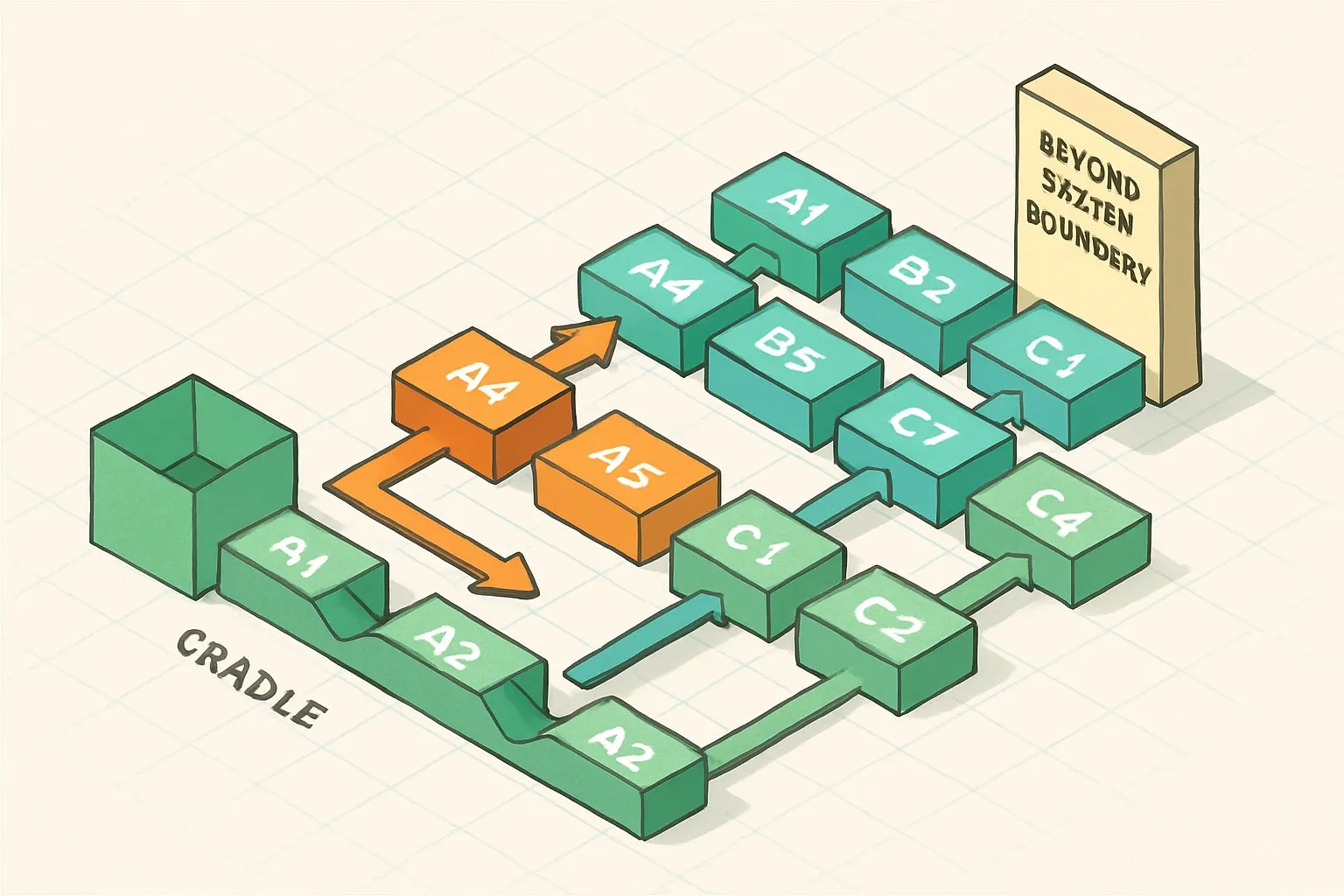
EPDs organized under EN 15804 declare results by life‑cycle modules. A1 to A3 cover raw materials to manufacturing. A4 to A5 cover delivery to site and installation. B1 to B7 capture use, maintenance and operational energy or water. C1 to C4 cover end of life. Module D reports benefits and loads beyond the system boundary from reuse, recycling or energy recovery. Many PCRs for construction products now expect C1 to C4 and D to be declared to support building‑level LCAs.
The indicators that moved the goalposts
The +A2 revision expanded the core environmental impact indicators to 13, including a split of climate change into fossil, biogenic, land use and a total figure. Program operators aligned their rules accordingly and require EF 3.1 characterization factors for these indicators from September 1, 2024 in their default lists (EPD International, 2024) (EPD International, 2024). That is why results from older A1‑based EPDs often look shorter and less granular than current declarations.
Biogenic carbon is no longer a footnote
+A2 calls for separate reporting of biogenic removals and emissions, plus land use change effects. If your product stores carbon in biomass or wood, the number can look favorable in A1 to A3 and reverse in end of life. Clear scenarios for C modules and a transparent Module D keep you out of trouble when reviewers ask tough questions.
Current PCRs that implement the core rules
For most construction products under the International EPD System, PCR 2019:14 version 2.0.1 is the current reference and is valid until April 7, 2030, with version 1.3.4 sunset on June 20, 2025 (EPD International, 2025) (EPD International, 2025). If you are starting today, use the active version named in your program operator’s portal and template. If a complementary PCR exists for your category, it usually becomes mandatory alongside the main PCR.
Need to navigate EN 15804 for winning bids?
Follow us on LinkedIn for essential updates that keep your projects compliant and competitive.
How long an EPD lasts and when to refresh
Most program operators set EPD validity to five years, with an earlier update required if a published indicator worsens by more than 10 percent compared to the current EPD during its validity period (EPD International, 2025). Plan your re‑verification timeline backward from key bids so you never bump into expiry during prequalification.
Data quality and modeling that reviewers actually check
Electricity mixes must match the reference year and geography noted in the PCR. Background datasets referenced in A2 must follow the operator’s data quality rules, including EF 3.1 factors where applicable from 2024. Transport distances in A4 and waste scenarios in C2 to C4 should mirror realistic logistics, not optimistic wishcasting. If multiple plants feed one EPD, site variability needs to be documented, not averaged away.
Picking the right operator and PCR fit
Most manufacturers publish under a handful of well known operators that align to EN 15804 and ECO Platform requirements. The practical choice often comes down to where your competitors publish, template usability, verification turnaround, and whether a market asks for a specific logo. Good partners will benchmark your product’s peer EPDs first, then advise on PCR choice, c‑PCRs and any national annex details.
Commercial impact and rating systems
Project teams cannot fairly model a building with only generic data. A product‑specific, third‑party verified EPD avoids penalty assumptions in many procurement settings. LEED v5 is moving deeper into whole‑building decarbonization and favors transparent, product‑specific disclosures that follow current standards. Faster publication simply means you are in the spec conversation sooner, not later.
A smoother way to the finish line
Internal time is your scarcest resource. The heavy lift in EPD projects is not button‑clicking in LCA software. It is the disciplined collection of utility bills, bills of materials, formulations, waste, packaging, maintenance assumptions and end‑of‑life routes. A partner that handles cross‑plant data collection, version control, verifier Q&A and publishing across operators will definately save your engineering and product teams weeks.
Quick answers to common questions
- What do people mean by “EN 15804 core rules construction products” in a brief? They are referring to EN 15804 as the core PCR that all construction EPDs must follow, regardless of program operator.
- How many indicators are we expected to disclose under +A2? Thirteen core environmental impact indicators, plus additional inventory and optional indicators defined by the PCR and operator default lists, using EF 3.1 factors where required since 2024‑09‑01 (EPD International, 2024) (EPD International, 2024).
- How long is our EPD valid? Typically five years, with earlier updates if an indicator worsens beyond the operator’s threshold (EPD International, 2025).
- Which PCR should we start from today? For general construction products in IES, PCR 2019:14 v2.0.1 is active and valid until 2030‑04‑07. Version 1.3.4 reached its sunset on 2025‑06‑20 (EPD International, 2025).
Tieing it together
If your team aligns to EN 15804’s modules, reports the full +A2 indicator set with EF 3.1, and anchors to the current PCR, reviews go faster and your data travels cleanly into building‑level LCAs. The result is simple. Your product gets evaluated on what it actually does, not on a generic proxy.