The short answer for LED lighting fixtures
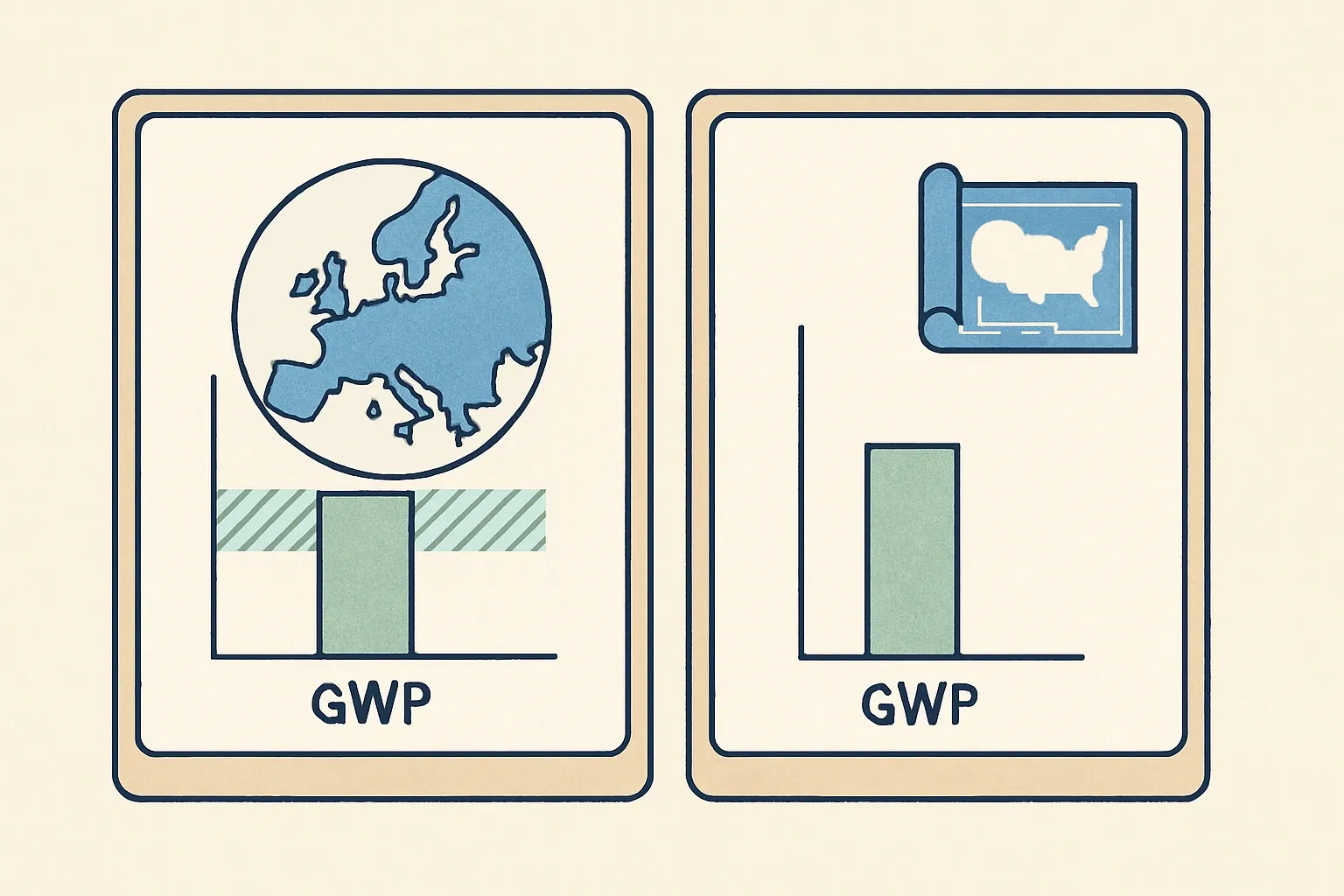
No recognized industry-wide or sector average EPD exists today for LED luminaires in the US, EU, or UK. Associations publish industry averages for heavy materials like concrete or asphalt, but lighting has not converged on a single cross‑manufacturer EPD.
What exists instead: the rulebooks that enable luminaire EPDs
You can create a compliant, product‑specific EPD for LED lighting fixtures using established PCRs and PSRs for electrical and electronic products. The most used frameworks include:
- Association P.E.P’s PSR0014 for luminaires, aligned with EN 50693 and EN 15804. See program details and PSR listings on the PEP ecopassport site (PEP ecopassport, PSR0014).
- EPD Hub’s PCR set that supports Electrical Products and Public Lighting Equipment, updated March 24, 2025 for Eco Platform alignment (EPD Hub PCR).
- International EPD System pathways that now mutually recognize PEP ecopassport rules for EEPS after their 2025 agreement (International EPD System MRA with PEP).
These provide the recipe so any manufacturer can publish product‑specific luminaire EPDs under reputable operators.
Why a sector average EPD is rare in lighting
LED fixtures vary widely in optics, drivers, housings, controls, and service life. That diversity makes one “average” a poor fit. Use phase dominates total impact and depends on luminous efficacy, dimming, hours of use, and maintenance cycles. Supply chains also differ by region. Trying to capture all of that in a single sector EPD would blur meaningful differences, like comparing a gaming PC to a flip phone.
How projects treat lighting without product EPDs
When a luminaire lacks a product‑specific EPD, whole‑building LCA tools often fall back to generic or conservative datasets. Designers then carry a carbon penalty in models, which quietly pushes products without EPDs down the shortlist. The result is simple: a lighting line with published, third‑party verified EPDs is easier to keep in spec.
Want to stay competitive in the LED luminaire market?
Follow us on LinkedIn for insights on how product-specific EPDs can help you win specifications and boost your ROI.
What a product‑specific luminaire EPD actually delivers
A luminaire EPD quantifies cradle‑to‑gate impacts, installation, use, and end‑of‑life, and it states a validity period. Program operators commonly register EPDs for five years, after which declarations are renewed or updated to current rules (EPD Hub, 2025).
It also provides concrete numbers for specifiers. Example, a recent street luminaire EPD reports 31.2 kg CO2e GWP‑fossil per declared unit, which lets the product stand on its own in project LCAs instead of being lumped into a generic baseline (EPD Hub, 2025).
Who already has product‑specific luminaire EPDs
Real competitors are publishing EPDs, especially in Europe and the Nordics, with North America rapidly adding examples.
- Sweden: Fagerhult publishes multiple fixture EPDs under EPD Hub.
- Italy: iGuzzini registers indoor and outdoor families under Association P.E.P.
- Austria: XAL publishes track and linear systems with EPD International.
- Germany: BEGA lists exterior luminaires under ASTM’s operator for the US market.
- Norway: Glamox files luminaire EPDs with EPD Norway.
- United States: boutique brand Lightly has interior linear pendant EPDs under ASTM.
These examples show buyers that credible, product‑specific EPDs for luminaires are not exotic anymore. If your closest rivals can point to verified numbers and you cant, that gap shows up in project models.
Sector average vs product‑specific: the commercial trade‑off
An industry‑wide EPD, even if it existed, would be a conservative estimate. It rarely reflects your actual bill of materials, sourcing, wattage, or driver strategy, so it will not showcase genuine advantages like higher efficacy or a lower‑impact housing alloy. A product‑specific EPD turns those design choices into measurable differentiation that helps win specifications more often. The internal effort is finite and repeatable, and payback typically comes from a handful of projects rather than years of waiting.
How to move fast without the chaos
Pick the right rule set first, then gather one clean year of data. A good LCA partner will identify the common PCR used by your competitors, align to your target program operator, and shoulder data wrangling across plants and SKUs. Keep the focus on fixtures with high spec volume, then expand by family so sales has coverage where it matters most.
Bottom line for LED lighting fixtures
There is no industry‑wide EPD for luminaires to lean on. The market rewards manufacturers who publish product‑specific, third‑party verified EPDs that reflect real materials, wattage, optics, and lifetimes. Do that, and you remove a hidden handicap in whole‑building LCAs, while giving specifiers exactly what they need to keep your product in the plan.