What buyers in DACH actually look for
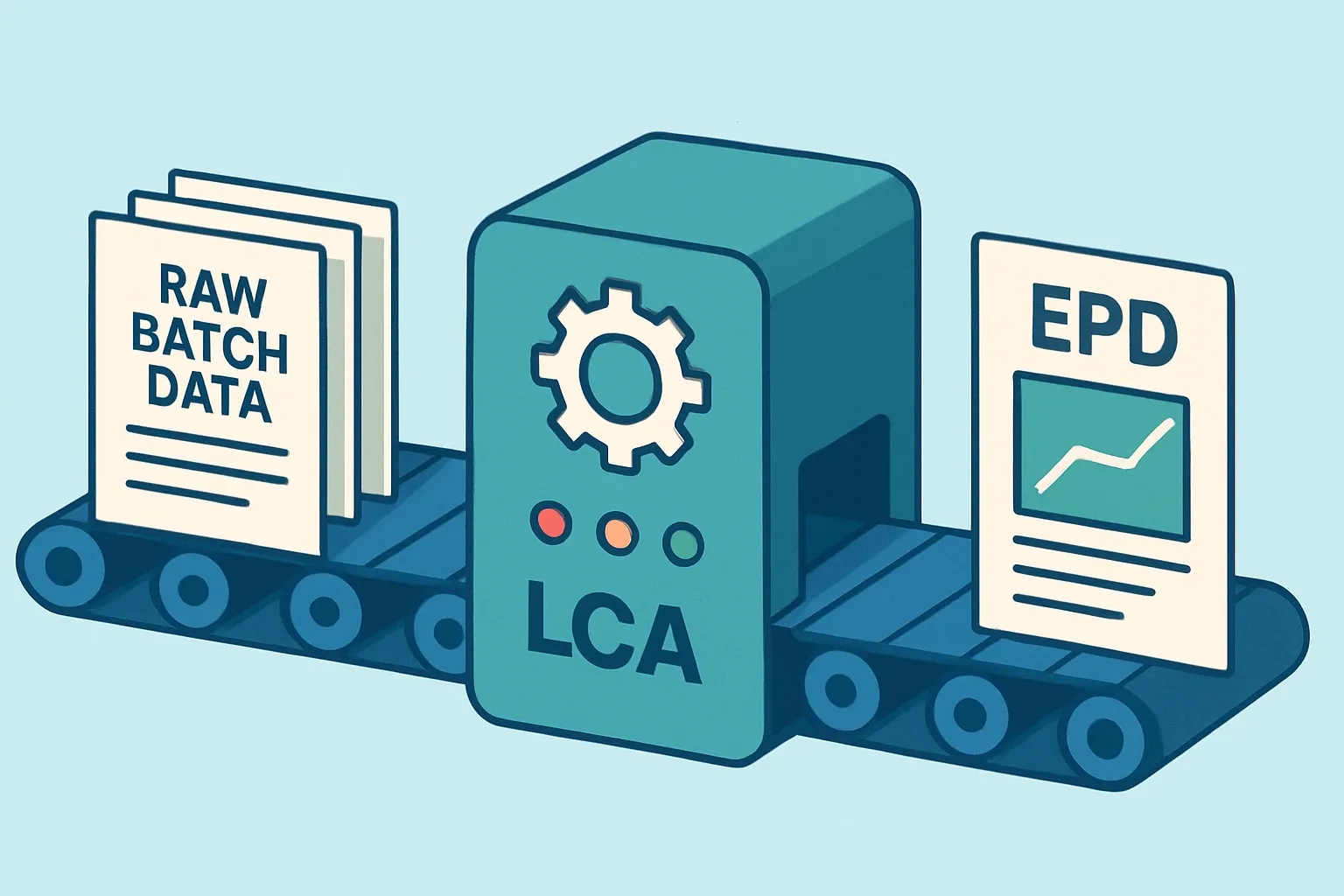
EN 15804+A2 is the rulebook. Spec teams expect a product‑specific EPD that states modules, shows verification, and names the program operator. IBU is most familiar in Germany, yet EPD International, UL, and SCS‑verified EPDs are commonly accepted when they meet EN 15804 requirements. For public work in Germany, check whether your EPD is usable in ÖKOBAUDAT or has an accepted pathway.
EPDs expire every five years, so plan your renewal window early to avoid gaps that derail qualification mid‑tender (IBU Program Instructions, 2024). Treat renewal like a model‑year refresh, not a fire drill.
Interface
Interface maintains broad carpet‑tile coverage across multiple backings, including CQuest platforms, verified under UL and other operators. This breadth helps project teams match the exact backing and face fiber on the cut sheet. Sustainability hub: Interface.
Tarkett
Tarkett’s carpet tile ranges, including Desso and Tandus platforms, are backed by product‑specific EPDs across modular and hybrid constructions through operators like SCS and EPD International. Coverage spans PVC‑free and PVC‑containing backings, so verify the precise build you sell. Sustainability hub: Tarkett.
Forbo Flooring Systems
Forbo’s Tessera portfolio offers current carpet‑tile EPDs alongside needlefelt tiles. Files are published with UL and INIES for different markets. If you ship across DACH and France, this mix can be handy. Sustainability hub: Forbo Flooring.
Milliken
Milliken covers cushion and hardback modular tiles on WellBAC systems, with EPDs verified by UL across multiple regions. Watch the backing and face‑fiber pairing when cross‑listing SKUs into DACH. Sustainability hub: Milliken.
Shaw Contract
Shaw Contract publishes tile EPDs on EcoWorx, EcoWorx S, EcoLogix, and related platforms across UL and IBU. That mix supports both North American and European submittals, which helps multinational accounts land consistent documentation. Sustainability hub: Shaw Contract.
Want your carpet tiles to win more specs in DACH?
Follow us on LinkedIn for insights that help you understand EPD gaps, unlock market opportunities, and improve your project win rates.
Modulyss
Modulyss carries product‑specific tile EPDs under IBU, INIES, and EPD Hub, including recycled content PA6 variants and different backings. If you sell into Germany, IBU publication can smooth approvals. Sustainability hub: modulyss.
Ege Carpets
Ege publishes carpeting EPDs through INIES, with tile coverage available in selected ranges. Confirm the declaration matches the tile format and backing you intend to supply. Sustainability hub: Ege Carpets.
Object Carpet
Object Carpet’s visibility in EC3 for current carpet‑tile EPDs is limited as of January 12, 2026. If you distribute their tiles in DACH, confirm active declarations or plan a fast creation to avoid being screened out on projects. Sustainability hub: OBJECT CARPET.
Vorwerk flooring
Vorwerk flooring remains a known DACH brand. Current tile‑specific EPD listings are not broadly visible in EC3 as of January 12, 2026, so verify operator and validity before submittals. Sustainability hub: Vorwerk flooring.
Operator patterns you will see
- Germany often favors IBU for local recognition. Many global brands also publish with UL or EPD International, then map documentation to local needs. The important bit is EN 15804+A2 alignment and third‑party verification.
- PCR updates shift the baseline, yet an EPD remains valid until its own expiry unless the operator states otherwise. Plan the next version to land on the latest PCR so comparability holds up during evaluation.
How to avoid the classic EPD gap
Start with the exact SKU that sells in DACH. Lock the backing, face fiber, and tile size, then ensure the declared unit matches how you quote. Build a renewal calendar that hits six months before expiry to dodge last‑minute scrambles. Prospective EPDs can bridge new lines while a full reference year is compiled, then get trued up once annual data is ready.
Why this matters for revenue
Many tenders penalize products that lack product‑specific EPDs by forcing pessimistic default factors, which quietly knocks them off shortlists. A clean, current EPD removes that handicap. Most teams earn back the EPD cost with a single mid‑sized project win, sometimes faster, although exact payback varies by mix and margin.
Quick compliance reminders
- State modules clearly, at minimum A1 to A3 for cradle‑to‑gate. If your buyer needs A1 to A5, document assumptions for installation and waste.
- Keep BOM and energy data audit‑ready. It saves days during verification.
- Confirm the program operator’s five‑year validity period and mark the renewal date where sales will actually see it (IBU Program Instructions, 2024).
Close the loop
Carpet tiles live or die on submittals. The brands above mostly have the paperwork ready, yet the only EPD that truly counts is the one for the exact tile you ship into Munich or Zürich. Set a renewal rhythm, align on operator early, and make EPD upkeep as routine as price lists. Your future self will be, frankly, gratefull.