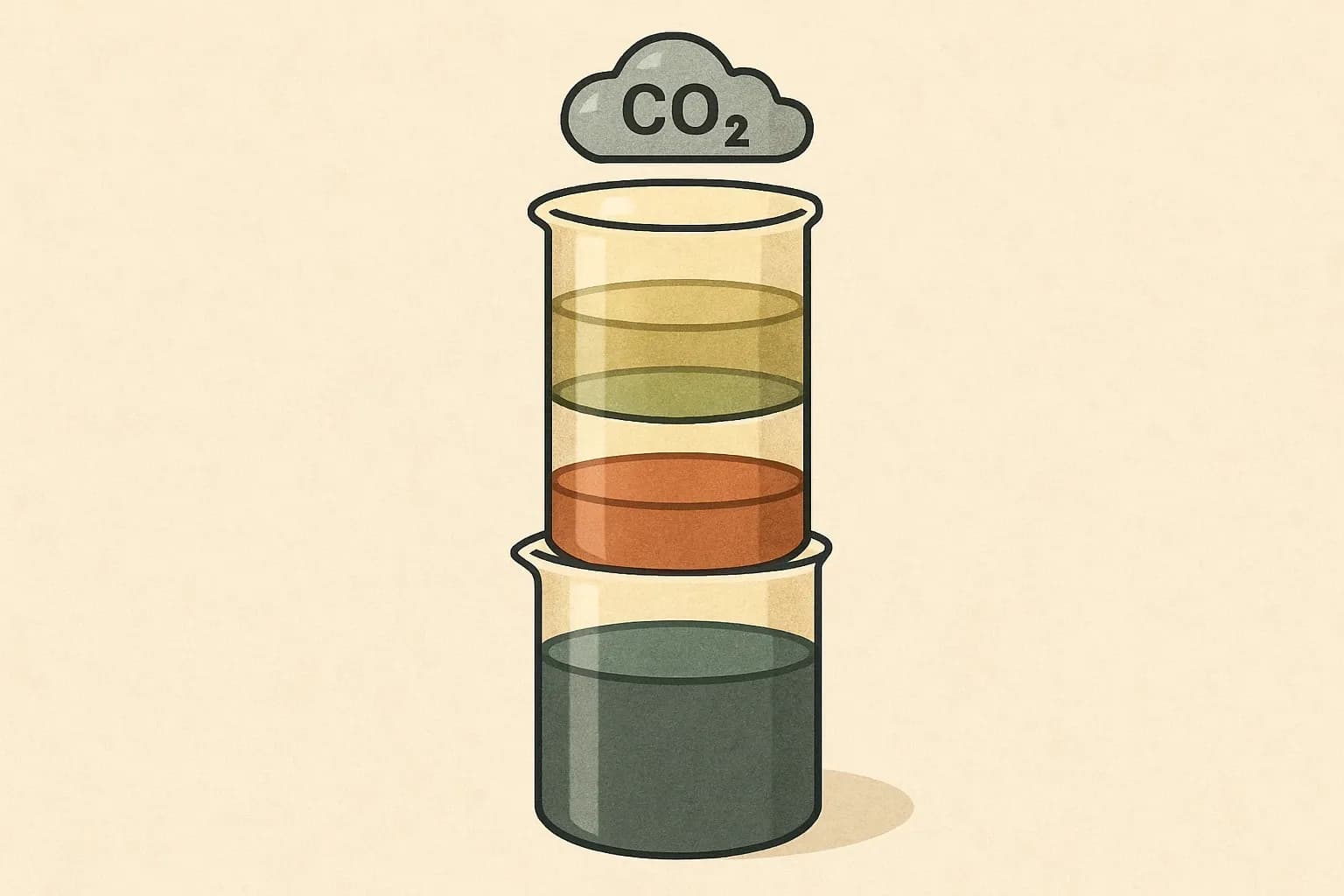
The carbon tunnel is real, and it hides living systems
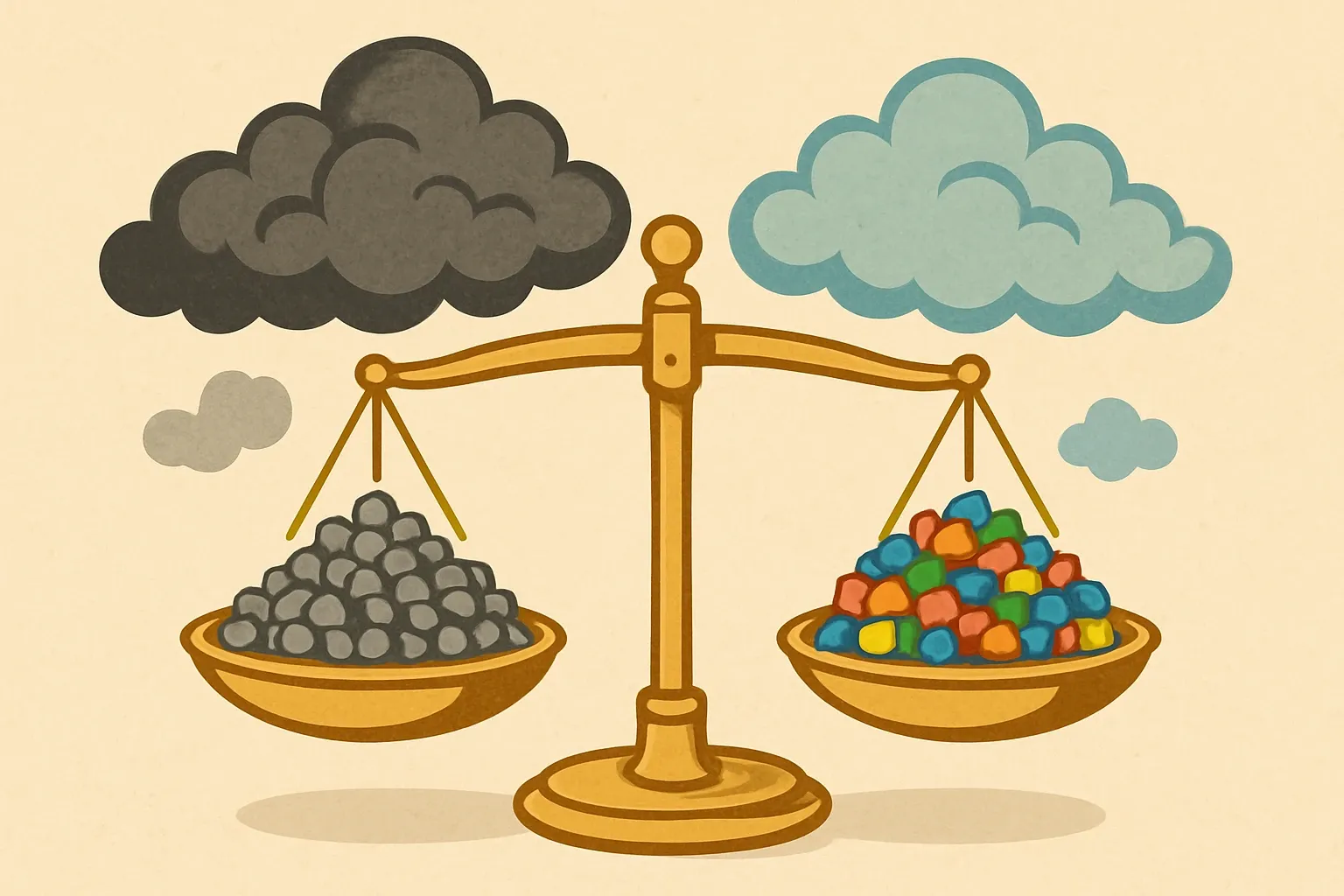
EPDs are essential, yet they center on quantified impact categories that do not fully capture ecosystem health near mines, mills, and plants. Architects guided by the Materials Pledge are asking a bigger question: are we supporting and regenerating natural air, water, and biological cycles through thoughtful supply‑chain management and restorative company practices.
The ecosystem-health lens manufacturers are judged by
Read the pledge as a field brief. It expects proof that operations and sourcing avoid air and water pollution, prevent soil degradation, and protect habitats. It also expects acknowledgement that globalization can shift extraction to places with weaker regulation, which can magnify harm if governance is thin. A clean EPD without this context feels half‑told, like a movie missing its final act.
The harms, stated plainly
Think of air and water pollution as the invisible leaks in your license to operate. Soil degradation erodes productivity and community goodwill like rust on a conveyor. Habitat destruction removes the very buffers that make floods and heat less costly. And when supply chains hop borders for cheaper inputs, oversight often lags behind the trucks.
Numbers that clarify why this gap matters
Air pollution contributed to 7.9 million premature deaths in 2023, the leading environmental risk to health worldwide (State of Global Air, 2025) (State of Global Air, 2025).
As of 2024, 2.1 billion people still lacked access to safely managed drinking water, even as global coverage rose to 74 percent (WHO/UNICEF JMP, 2025) (JMP, 2025).
Tropical primary rainforest loss surged to 6.7 million hectares in 2024, much of it fire‑driven, undermining biodiversity and regional water cycles (WRI Global Forest Watch, 2025) (WRI, 2025).
Join Parq Pulse!
Stay informed on ecosystem health insights to stay ahead in manufacturing and win more projects.
Where EPDs stop short
EPDs quantify cradle‑to‑gate and life‑cycle impacts using PCR rules. They do not require site‑specific disclosures about groundwater withdrawals next to a plant, dust controls at a quarry, or how a resin supplier prevents off‑site eutrophication. That is not a flaw, it is scope. The market now expects both audited footprints and credible place‑based stewardship.
High‑impact categories to assess first
If time is tight, triage where the PDF flags the biggest ecosystem stakes: petroleum‑based plastics and foams; metals, wood, and other structural materials; agricultural‑based materials. These touch extraction, land conversion, agrochemical use, and waste pathways that shape air, water, soil, and habitat outcomes.
What to disclose beyond the EPD
Use this checklist to meet the ecosystem bar that specifiers are quietly applying:
- Raw‑material procurement impacts: where extraction occurs, key permits, water‑stress context, and any community monitoring in place.
- Manufacturing impacts near facilities: air emissions controls and monitoring, water withdrawals and discharges, soil and stormwater protections, with recent third‑party data if available.
- Non‑destructive sourcing practices: deforestation‑free or conversion‑free commitments, artisanal mining safeguards, and transport modes that reduce local air pollution along corridors.
- Restorative actions: habitat restoration, watershed replenishment, soil rebuilding, and funding for community air and water monitoring, with results shared publicly. It’s definatly worth the effort.
Sourcing signals that help architects decide faster
Stewardship certifications do not replace an EPD, yet they shorten trust routes. Relevant labels include Declare, Living Product Challenge, Cradle to Cradle, FSC for wood, and NSC 337 for natural stone. Use them to show screening for chemicals of concern, forest stewardship, or quarry best practice while the EPD anchors your quantified impacts.
How to package it so it works in specs
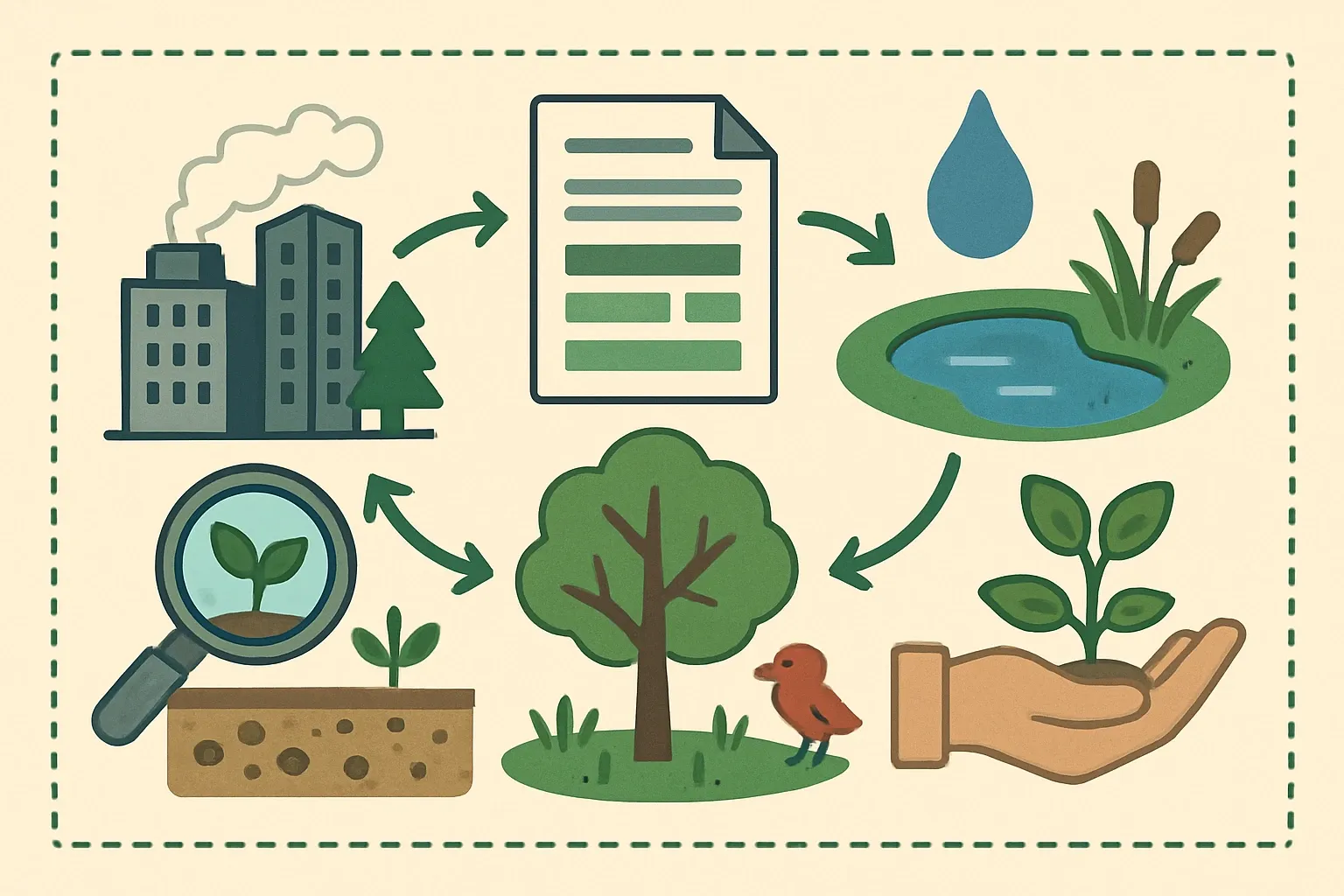
Keep it simple and verifiable. Pair each product EPD with a one‑page ecosystem brief: facility map with watershed and community context, two or three material‑sourcing facts, one table covering emissions, water, and waste safeguards, plus links to any restorative projects and stewardship certificates. The goal is fast pattern recognition for teams working to support and regenerate natural air, water, and biological cycles across a project.
Bring the whole story
Carbon is the headline, ecosystems are the plot. When manufacturers disclose procurement realities, local air and water protections, non‑destructive sourcing, and restorative steps beside the EPD, they match what the Materials Pledge community is actually screening for. That is how environmental paperwork turns into durable preference in design libraries and bid rooms.