What ÖKOBAUDAT actually is
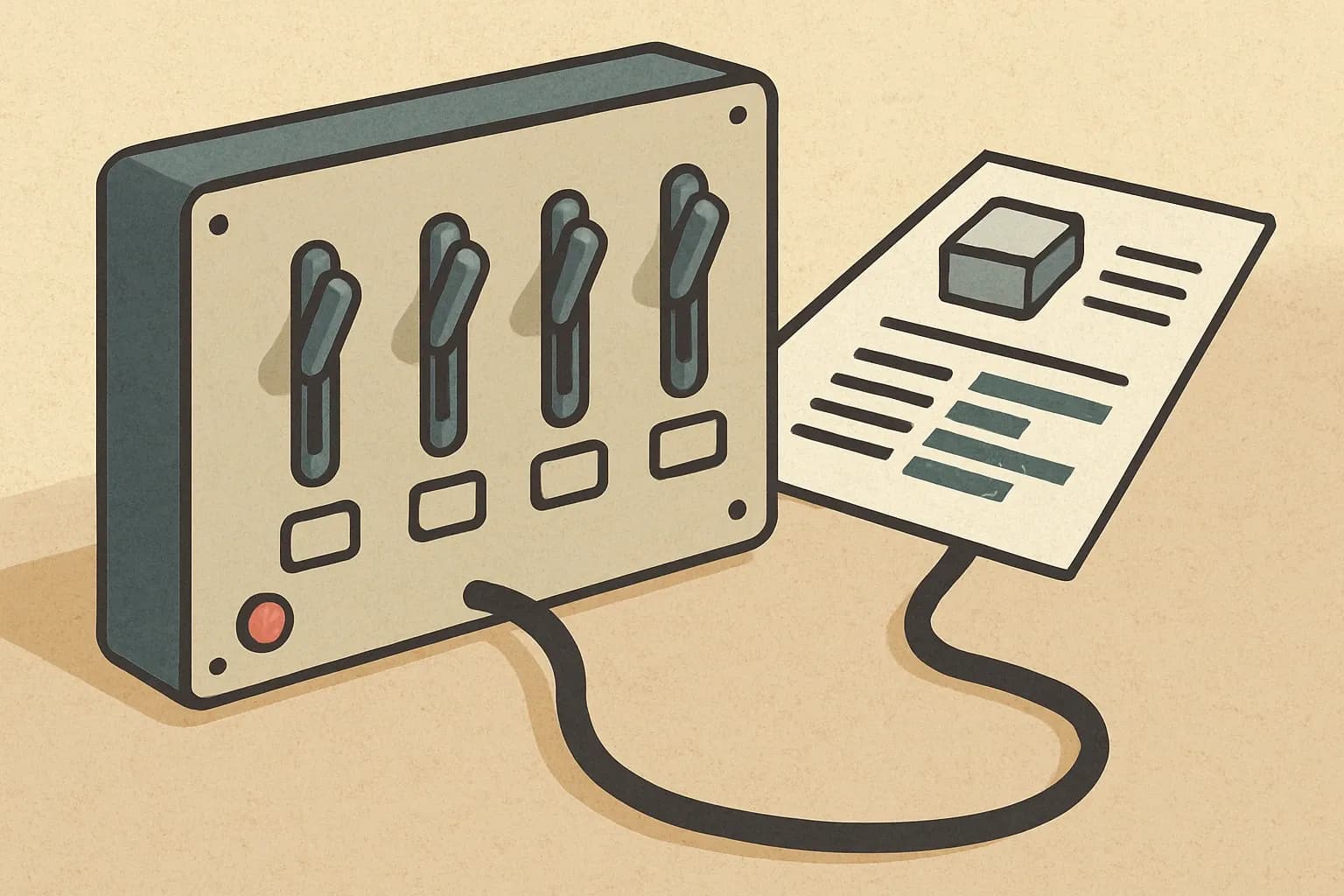
ÖKOBAUDAT is Germany’s national hub for construction LCA datasets and EPD entries. It is curated by the federal research body behind building and urban development policy, and it powers the BNB sustainability assessment used on public projects. Think of it as the official library architects and assessors open first when checking impacts and documentation.
What it contains, and why that matters
The database hosts generic LCI datasets for building materials and, increasingly, product‑specific EPD data aligned to EN 15804. Many project teams in Germany reference it directly inside LCA tools. If your EPD data is present, comparisons are faster and less error‑prone. If it is missing, teams either fall back to generic values or look for another supplier whose verified numbers are already loaded.
Program operators and the Germany factor
ÖKOBAUDAT is not a program operator. It aggregates data that meets its format and quality checks. In Germany, IBU is the most common operator for EN 15804 EPDs, and its declarations are widely ingested into ÖKOBAUDAT once technical checks pass. Other operators may be accepted when they supply data in the required structure and verification scope. The practical takeaway is simple. Publish with an operator that has a working pathway into ÖKOBAUDAT.
How your EPD lands in ÖKOBAUDAT
You do not upload an EPD directly. Your program operator submits structured data that matches ÖKOBAUDAT’s schema. The record must include third‑party verification, declared unit clarity, system boundary, modules covered, and the full indicator set required under EN 15804. Timely metadata and a consistent product naming convention help prevent mis‑indexing. We prefer to plan for the ÖKOBAUDAT handoff from day one so nothing gets lost in translation.
Selling into Germany or EU projects?
Follow us on LinkedIn for insights on leveraging ÖKOBAUDAT to get your EPDs specified and boost your competitive edge.
Data quality checkpoints that speed acceptance
Treat the rulebook like Monopoly. Ignore it and the game falls apart. Make sure your background datasets are current, electricity mixes are appropriate for your plants, transport routes are defensible, and cut‑offs are transparent. Keep a tidy audit trail for materials, energy, and allocation, since reviewers often ask for it. Clean source data means fewer back‑and‑forth emails and a shorter path to a visible listing that specifiers can trust.
When manufacturers should care, commercially
If Germany is on your roadmap, ÖKOBAUDAT visibility is a sales enabler, not a box to tick. Many design teams start LCA lookups there, and public projects using BNB lean on it for consistent assumptions. A product‑specific EPD inside the hub prevents the penalty of generic factors that can inflate cradle‑to‑gate impacts, which means your offer is less likely to be swapped out late in the bid cycle.
Timelines and renewals to plan for
EPDs are typically valid for five years under EN 15804 rules, after which they must be renewed to remain current in project workflows. If your renewal slips, teams may revert to generic values or competitors with fresh declarations. Build the renewal window into your launch calendar so continuity in ÖKOBAUDAT is never in doubt. Dont let a strong spec run into a paperwork gap.
A simple action plan
- Confirm your intended operator supports ÖKOBAUDAT submission and the required data structure.
- Align on EN 15804 scope, declared unit, and the indicator set the hub expects.
- Collect plant‑level data with enough depth to pass third‑party review the first time.
- Pre‑check naming, product variants, and metadata so search works as intended.
- Track verification and renewal dates alongside your launch and tender cycles.
The quiet shortcut to more German specs
ÖKOBAUDAT rewards products that show up with complete, comparable data. Put in the work once, keep it current, and the hub becomes a highway for faster evaluations and fewer objections. That is how technical transparency turns into commercial momentum.