What ecoinvent actually is
Ecoinvent is a life cycle inventory (LCI) database that supplies background data for LCAs and EPDs. It holds unit‑process and system‑process datasets across energy, metals, chemicals, agriculture, transport, and more. The current release lists more than 26,000 datasets, with version 3.12 published on November 5, 2025 (ecoinvent, 2025) (ecoinvent v3.12, 2025; ecoinvent website, 2025).
Why it matters for EPDs
Product EPDs lean on two inputs. Primary data from your sites for modules A1 to A3. Background data for everything you do not measure directly, like grid electricity mixes, upstream commodity production, and waste treatment. Ecoinvent provides that background so your declaration is defensible under EN 15804 and ISO 21930, not a patchwork of guesses.
System models 101, in plain English
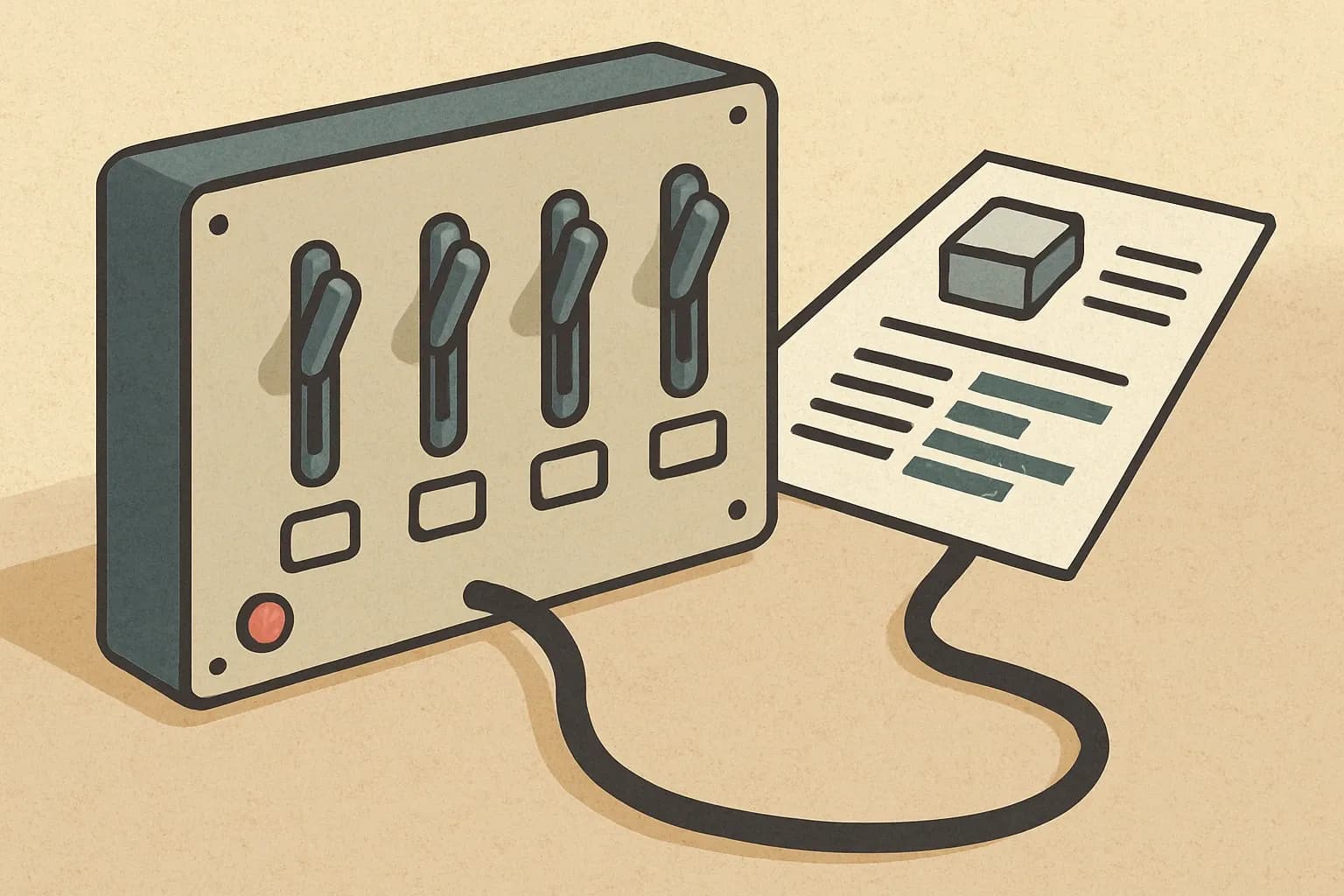
Ecoinvent offers four system models that change how recycling, co‑products, and market links are treated. You will see these names in software drop‑downs.
- Allocation, cut‑off by classification. A practical attributional default that sends burdens to the waste producer and gives recycled inputs burden‑free.
- Allocation, cut‑off, EN15804. Tailored for construction EPDs, aligned with EN 15804+A2 indicator reporting and end‑of‑waste boundaries.
- Allocation at the point of substitution (APOS). Splits impacts among co‑products using economic and physical logic.
- Substitution, consequential, long‑term. For scenario and policy questions where marginal suppliers matter.
If your goal is an EN 15804 EPD, use the “Allocation, cut‑off, EN15804” model unless the PCR says otherwise (ecoinvent System Models, 2024).
Versioning and “which one should we use”
Teams often inherit older LCAs. Mixing versions inside one portfolio can cause noisy comparisons. Treat ecoinvent like software. Pick one version per publishing cycle, document it in the project report, and avoid mid‑cycle swaps unless a PCR forces it. Version 3.12 is the current baseline for new work as of December 2025 (ecoinvent v3.12, 2025).
Need clarity on EPD data hubs for your projects?
Follow us on LinkedIn for insights that help you leverage databases for winning tenders.
Data quality and representativeness
Good background data does not fix weak plant data. Still, ecoinvent’s documentation and pedigree scoring help you judge temporal, geographic, and technological fit. Use country or regional datasets where available, then fall back to “RoW” only when needed. Swap electricity mixes to the specific country your site operates in. Do not forget transport distances, which are frequently under‑estimated and can swing A1 results more than expected.
How ecoinvent compares to other data hubs
Ecoinvent is global and LCI‑focused. Some hubs are registry‑focused for product‑level data.
- USLCI is public, with quarterly updates that add valuable U.S. processes, for example 23 new drinking‑water treatment and 46 related infrastructure processes in Summer 2025 (USLCI, 2025) (USLCI Quarterly Release, 2025).
- INIES in France is the operational backbone for RE2020; it listed 5,326 FDES and 1,728 PEP at November 16, 2025, which signals the scale designers expect to see inside tools (INIES, 2025) (INIES, 2025).
- ÖKOBAUDAT is Germany’s official database, curated by BBSR for building LCAs and used by public projects. It hosts both generic and program‑operator EPD data and publishes regular releases noted by BBSR, for example 2024‑I and 2024‑L announcements (BBSR, 2024) (ÖKOBAUDAT release note, 2024).
Use ecoinvent for background flows, then pair it with country‑specific EPD registries when local compliance or procurement rules require it.
Common pitfalls to avoid
Recycled content double counts. In the EN 15804 cut‑off model, recycled inputs are burden‑free and the waste generator pays for treatment. Adding extra upstream burdens to recycled feedstock will distort A1. Electricity mixes get mismatched. Match the dataset geography to the site’s actual grid year, not a marketing claim. Prospective EPDs for new lines are possible, but be explicit about the shorter reference period and plan the update after your first full year of production.
Licensing and access in brief
Access to ecoinvent is by license or through licensed LCA tools and APIs. Licenses differ for commercial, educational, developer, and enterprise users. The EN15804 set of inventory indicators is available within a dedicated system model, which most LCA tools expose to users building construction EPDs (ecoinvent, 2024). If you are delegating the LCA, confirm your partner’s version and system model upfront to avoid rework.
Workflow tips that save weeks
Start with your plant truth. Gather one reference year of utilities, mass balances, yields, scrap, and outbound transport. Map each bill‑of‑materials item to a specific ecoinvent activity rather than a generic placeholder. Where suppliers have verified EPDs that better reflect local technology, use them for foreground inputs and keep ecoinvent for the rest. Small move, big accuracy win.
A short briefing checklist for your LCA partner
- Confirm ecoinvent version and system model for the project and portfolio.
- List all sites and countries, with grid year alignment rules.
- Declare recycled content rules and scrap flows for metals, paper, and plastics.
- Provide transport modes and average distances for inbound and outbound.
- Flag any supplier EPDs that should override background data.
Closing thought for the spec race
Ecoinvent is not a silver bullet. It is a calibrated lens. Pick the right system model, keep versions consistent, and pair solid background data with hard‑won factory numbers. Do that and your EPDs read clean, publish fast, and hold up in tense bid rooms. That is definitly the point.