Why a vault now
Regulatory reporting is moving toward structured, machine‑readable disclosure, and buyers expect instant answers. Europe’s AI Act also puts formal duties on high‑risk AI systems, including activity logging and human oversight starting in 2026, with some elements extending to 2027 (European Commission, 2024) (European Commission, 2024). Teams that centralize data today avoid last‑minute scrambles later.
What belongs inside
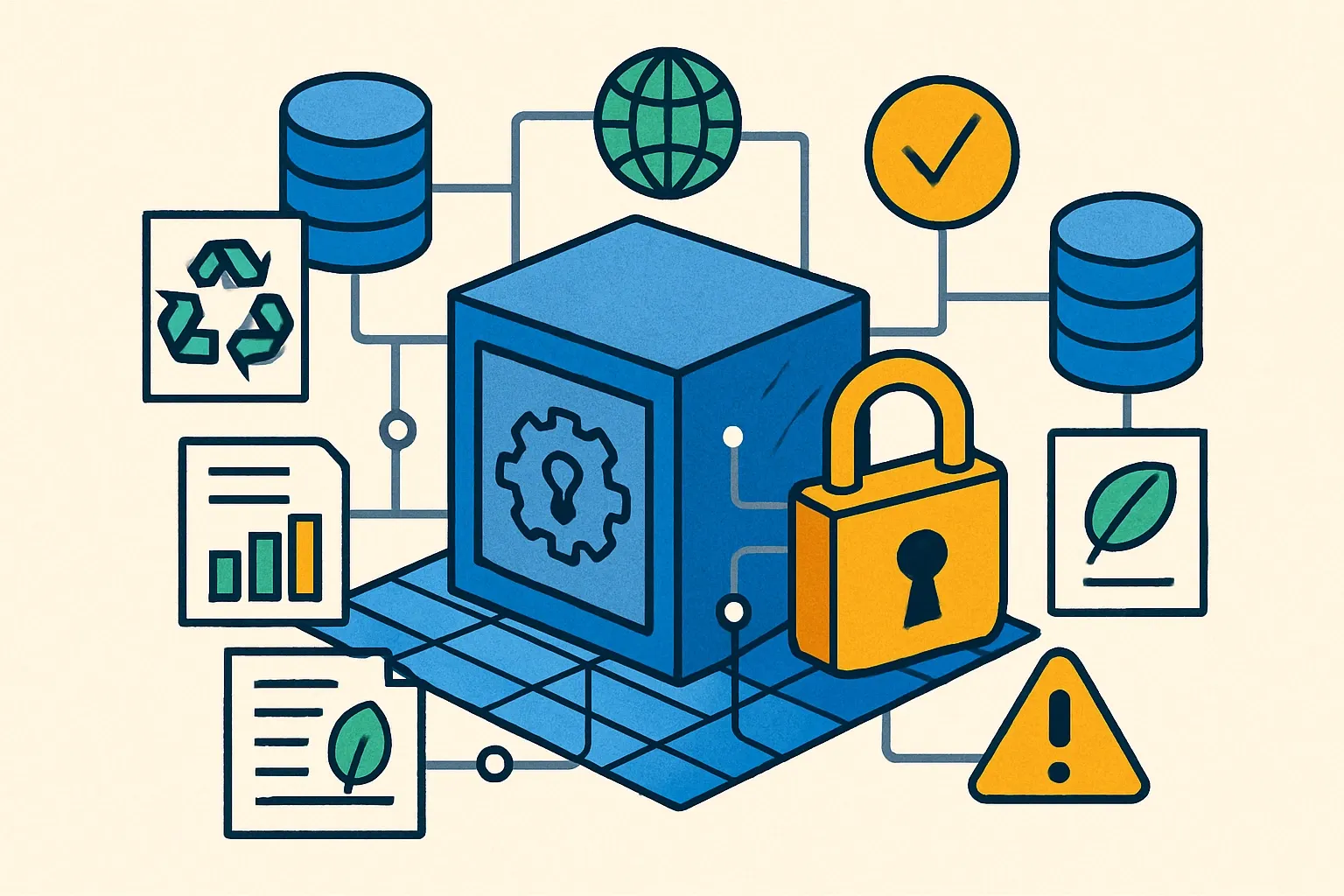
Store the full product record, not just PDFs. Include product catalogs, LCAs, EPDs, PCFs, SDSs, test reports, plant utility data, transport routes, recipes, bill of materials, and supplier declarations. Tag every object by product family, geography, plant, regulation, and declared unit so downstream queries resolve quickly.
Model the data to respect EPD math
Your schema should carry PCR identifiers, program operator, EN 15804 or ISO 14025 alignment, modules covered, allocation rules, declared unit, cut‑off dates, and verification details. Track validity dates and set renewal alerts. EPDs are normally valid for five years, which makes automated reminders essential for portfolio planning (EPD International, 2024).
Machine‑readable, not just human‑readable
Store numbers as numbers with units, plus provenance. Parse tables from EPDs and SDSs into structured fields. SDSs must follow a 16‑section format, with sections 1–11 and 16 mandatory and sections 12–15 optional under OSHA’s HCS, so map those fields one‑to‑one for clean reuse (OSHA, 2024). That single choice unlocks instant safety and compliance responses.
Security and permissioning that hold up
Use least‑privilege roles and field‑level controls. Plant utility data or supplier mixes may be restricted to a few users, while public EPD PDFs remain broadly visible. Encrypt in transit and at rest, enforce SSO and MFA, and separate production keys from analytics keys to avoid accidental data exposure.
Want to streamline your EPD data management?
Follow us on LinkedIn for insights that help you optimize your product intelligence vault and unlock new business opportunities.
Ingestion without the scavenger hunt
Connect to ERP, MES, PLM, lab and quality systems. Allow drag‑and‑drop uploads for certificates and declarations, then auto‑extract metadata. Normalize unit systems and timeframes, and map each file to the right product family and geography so documents never float untagged. A good partner should do the heavy lifting so R&D and plant teams do not loose a week to spreadsheets.
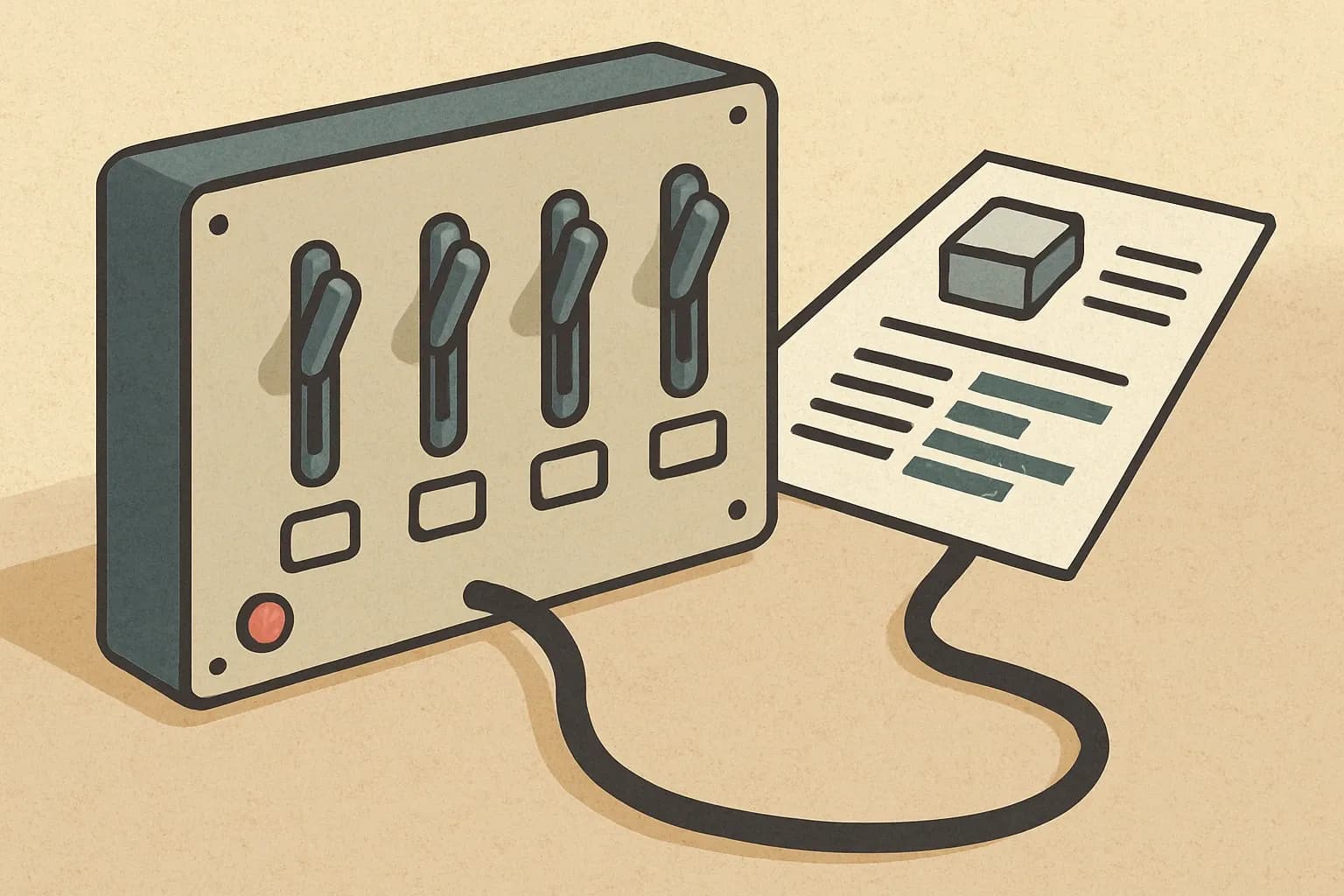
AI on top, with a three‑position switch
AI becomes useful when it knows where it may look.
- Internal‑only mode, answers come solely from your vault with strict retrieval and citations to source objects.
- Curated regulations mode, the assistant is allowed to consult a small set of verified sources, such as specific EU texts or US agency pages, and nothing else.
- Open web mode, used when internal coverage is thin, with results clearly labeled and routed for review before use in sales or compliance.
Goverenance and auditability by design
Define which data can train models, which can only be retrieved, and which must never leave the vault. Keep immutable logs that capture who asked what, which versions were read, and the exact snippets returned. The EU AI Act explicitly calls for traceability, documentation, and human oversight on higher‑risk systems beginning in 2026, with some embedded product use cases applying in 2027, so your logs must be review‑ready (European Commission, 2024) (European Commission, 2024).
Spec‑readiness for demanding buyers
Data center owners and public agencies want consistent carbon answers, fast. With tagged LCAs and plant utilities, the vault can auto‑assemble responses by geography and date range, surface EPD references, and flag if a declaration is nearing its validity end. Sales gains follow because teams stop saying we will get back to you in two weeks.
Renewal and change management that never sneaks up
Create watchlists for PCR updates and program operator rule changes. Link bills of materials to EPD records so recipe changes trigger prompts to update calculations. Surface EPDs due to expire within the next 12 months and queue them for rework while project pipelines are still open (EPD International, 2024).
A pragmatic rollout
Start with your top 20 revenue products and the two plants that supply them. Ingest their EPDs, SDSs, and utility data, wire basic permissions, and turn on internal‑only AI. Add curated regulation sources once governance is tested. Expand across the catalog after you have one clean, repeatable lane.
What to look for in a partner
Favor teams that collect data for you, not just software. They should interface with plants, normalize units and metering periods, and prepare verification‑ready LCAs and EPDs while you keep making product. That blend of platform and white‑glove execution is what preserves speed, ease, quality, and completeness without burning out your best people.
The payoff
A secure product intelligence vault turns scattered environmental paperwork into a living asset that answers hard questions on demand, reduces audit risk, and keeps renewals on time. It also builds the muscle memory your organization needs for LEED v5 era requests and next‑wave regulations without constant fire drills.