). Manufacturers that treat this as a messaging problem will confuse specifiers and stall submittals. Treat it as an operations problem instead. Build a dual‑track system that asks the version up front, routes collateral by version, and packages submittals for the credit logic the team is actually using. The payoff is fewer RFIs and faster yeses.
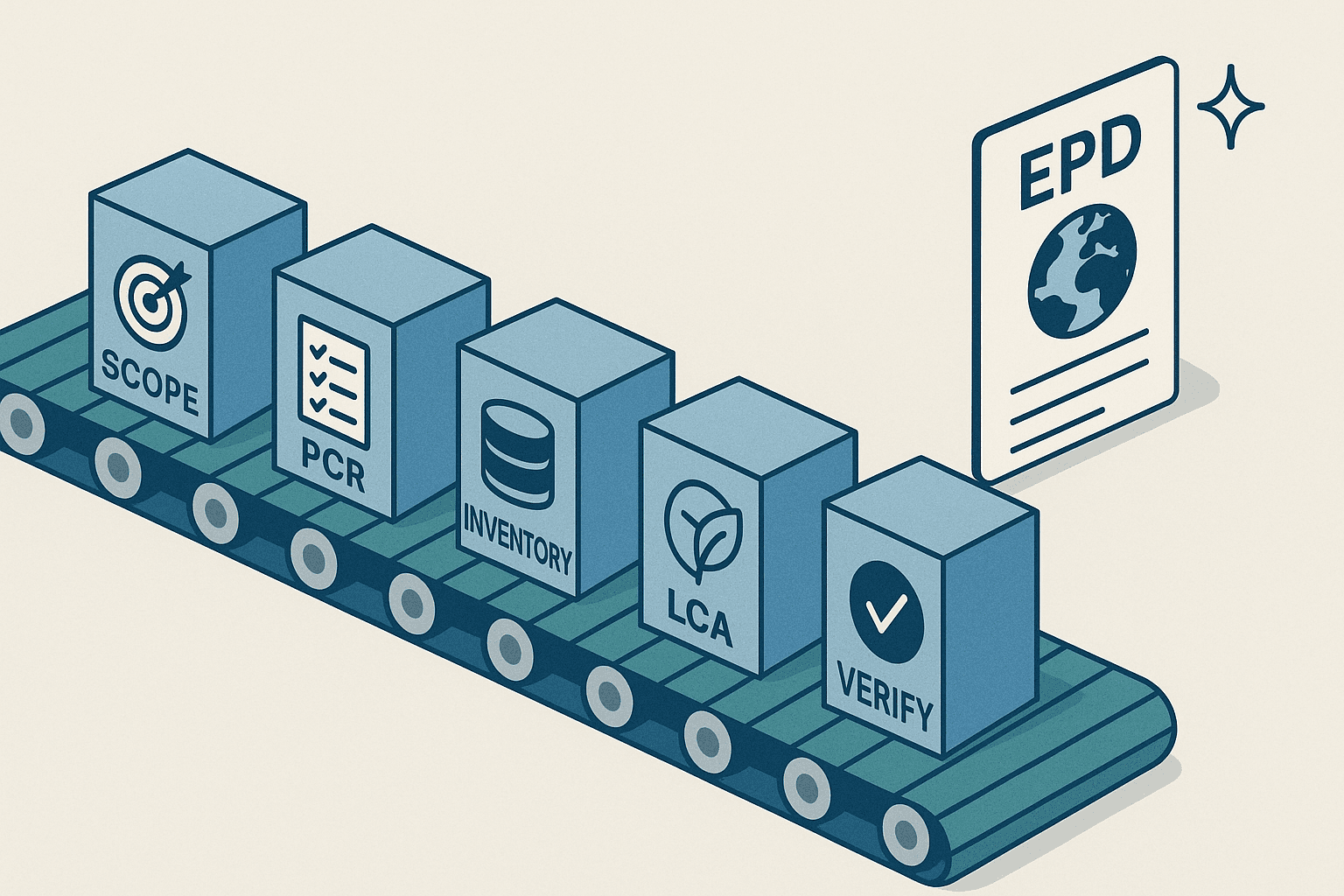
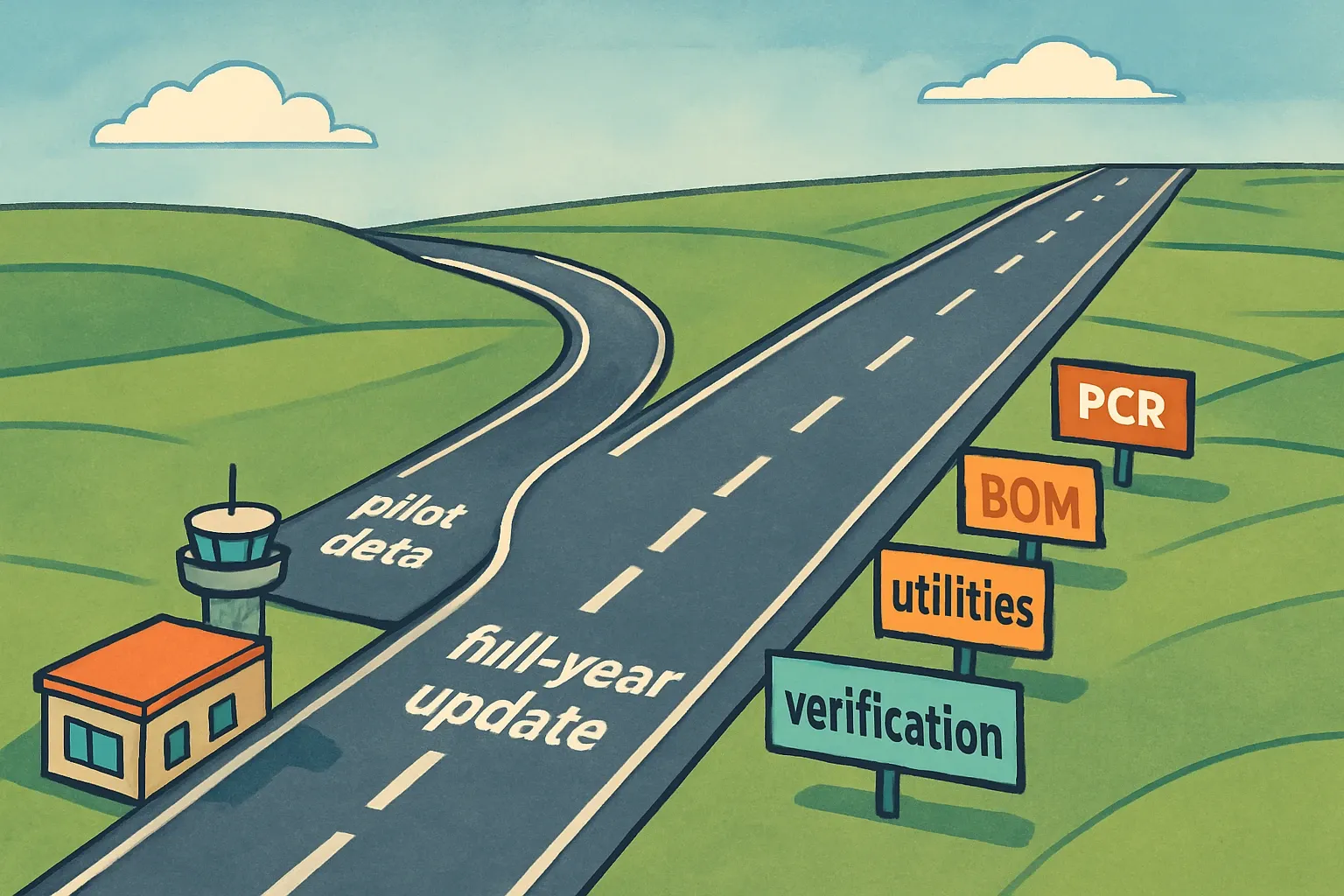
Ensure that you use no text, as this illustration will be used on international translations of the article..
Use an illustrative style (e.g. isometic) and don't generate in a photorealistic style.](/_next/image?url=%2Fapi%2Fmedia%2Ffile%2Fa88dcec41801.webp&w=3840&q=75)
Start the conversation with the version question
Open every project intake with a single line: Which LEED version is registered in Arc or LEED Online, and which rating system adaptation applies. Capture the answer in CRM and require it before sharing technical collateral. If the project is only “targeting” a version, ask who will register and by what date, then time your follow‑ups to that milestone.
Map your claims to two structures, not two brochures
LEED v4.1 treats product attributes in separate Materials and Resources credits. LEED v5 evaluates products in a unified credit called Building Product Selection and Procurement with five criteria areas that roll up into a multi‑attribute score. For example, a product EPD contributes to Climate Health, and optimized EPDs earn higher values when they demonstrate more reduction. The official guidance lists thresholds for EPD optimization at greater than 20 percent and greater than 40 percent GWP reduction, with multi‑attribute scores up to 5 per product (USGBC BPSP Additional Guidance, 2025) (USGBC, 2025). Build one source‑of‑truth matrix that maps each document you have to the v4.1 credits and to the v5 criteria areas.
Version‑aware collateral that never gives bad advice
Create two short spec‑support pages on your site, one tagged v4.1 and one tagged v5, then link both from every product page. Add a line in your PDFs that states which version the guidance supports. Use a simple callout on cut sheets like “For LEED v5 use the Building Product Selection and Procurement framework” so specifiers do not assume the v4.1 logic applies.
Submittal bundles that route cleanly to LEED Online and Arc
Package documentation by version before it leaves your inbox. Suggest a consistent folder and filename structure so teams can drop artifacts straight into forms without hunting. Example: LEED-v5_BPSP_[Product]EPD.pdf and LEED-v4.1_MR-EPD[Product].pdf. Include a one‑page crosswalk in each bundle that spells out exactly which form fields the documents support. One tiny typo like “submital” can trigger an RFI, so proofread filenames and cover notes.
Join Parq Pulse!
Stay ahead in construction materials with weekly insights into product and environmental data to win more projects.
Sales and marketing handoffs that protect credibility
Write down your internal rule: never quote credit intent without the version. If a rep cannot confirm the version, they send the v4.1 and v5 landing links with a question asking the project’s registration choice. Marketing owns the version‑labeled PDFs and the crosswalks. Technical marketing approves any slide or webinar that names a credit, since the wording shifts between versions.
Email and RFI replies that keep architects moving
Pre‑build two email templates. For v4.1, reference the MR credits you support and attach the matching EPD, HPD, or chain‑of‑custody. For v5, summarize your multi‑attribute evidence by criteria area, list your calculator inputs, and attach the same documents labeled for BPSP. Close with a single ask: confirm the registered version to ensure alignment of submittals.
Train for the new selection logic
In v5, product conversations sit inside three big themes that specifiers care about: decarbonization, quality of life, and resilience. That is why the Building Product Selection and Procurement credit looks across human health, climate health, ecosystem health, social health and equity, and circular economy. Use that language in your positioning for v5 projects. Keep the v4.1 language intact for active v4.1 projects so you do not rewrite their scorecard mid‑stream.
Keep dates straight so projects do not slip
USGBC states that starting July 1, 2026, LEED v5 is the only option for new commercial BD+C, ID+C, and O+M registrations, while already‑registered v4 and v4.1 projects continue toward their sunset dates (USGBC LEED v5 Help Center, 2026) (USGBC, 2026). The public deadlines page confirms June 30, 2026 close of registration for most v4 and v4.1 pathways and June 30, 2032 as the certification sunset, with a few listed exceptions for O+M pathways (USGBC LEED Certification Deadlines, 2026) (USGBC, 2026). Put these dates in your CRM and auto‑prompt outreach two months prior for any pipeline tied to v4.1 logic.
Proof, then polish
Turn your evidence library into a checklist that works in both worlds. For each product list: current EPD, any EPD optimization claims, HPD disclosure level, third‑party verification status, recycled content documentation, chain‑of‑custody, and take‑back or EPR details. In v5 those items roll into the multi‑attribute calculator which totals a per‑product score up to 5 (USGBC BPSP Additional Guidance, 2025) (USGBC, 2025). In v4.1 they are referenced across MR credits. Publish only what you can defend.
The market will be mixed for years, so act like it
Do not try to collapse v4.1 and v5 into one generic message. Build a light dual‑track system that starts with a version check, routes collateral by version, and packages submittals that match the right credit logic. That is how specifiers know you get their workflow, and how your products move from maybe to specified without drama.