openLCA in a nutshell
openLCA is an open‑source desktop tool for building life cycle models and calculating impacts. It can support EPD work when the modeling rules are clear and your primary data is ready to go. Think of it as a capable engine that still expects a skilled driver.
Where it fits in an EPD workflow
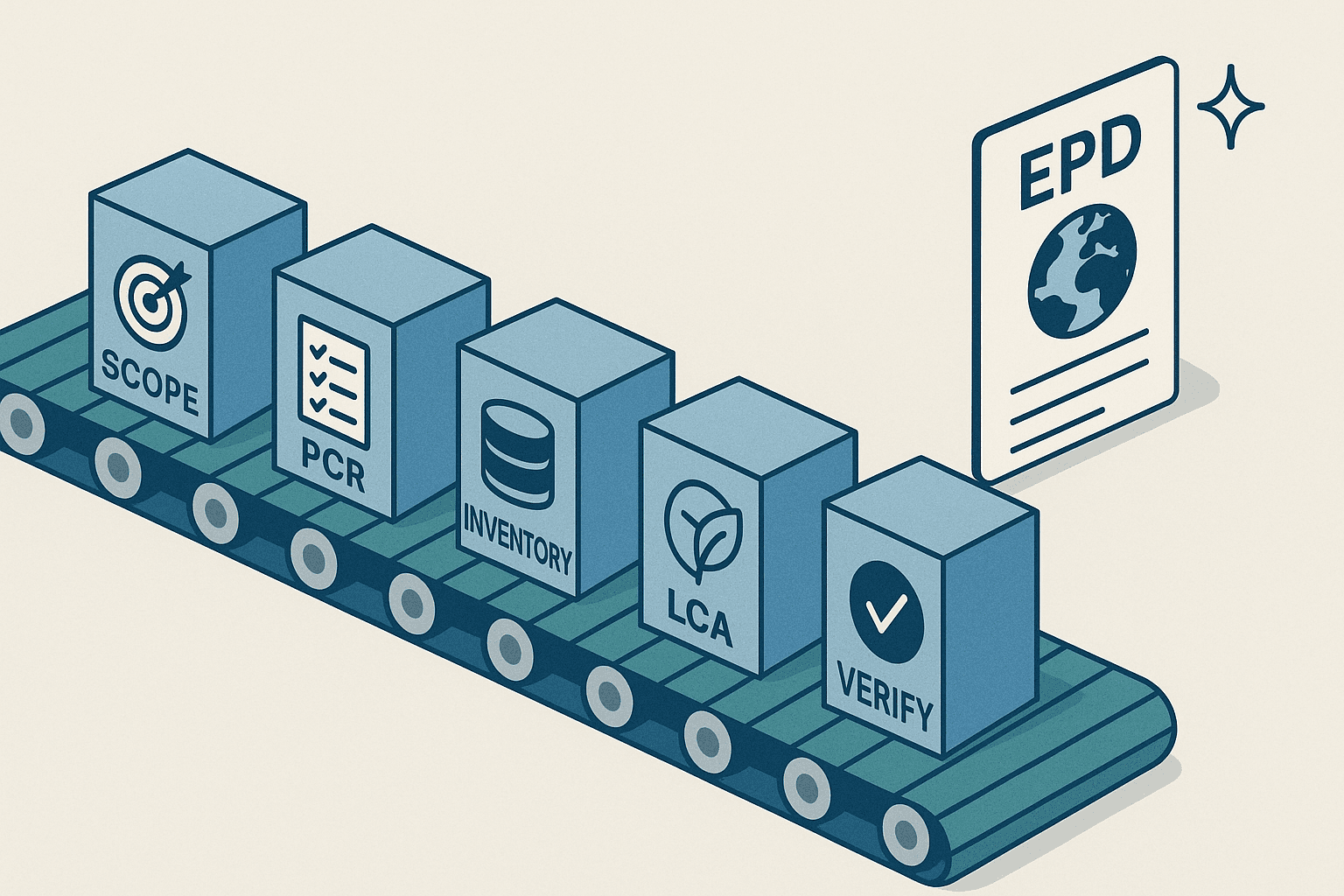
Most EPD journeys follow the same arc: select the right PCR, collect a reference year of site data, model processes and supply chains, run impact methods, compile the declaration, then publish through a program operator after independent verification. openLCA helps in the modeling and calculation lanes. It does not replace the rules in the PCR, the verifier, or the operator’s templates.
Databases and PCR alignment matter more than buttons
Database choice changes results. For construction EPDs, PCR rules and EN 15804 requirements decide which background data, impact methods, and modules you must report. Match the declared unit, system boundary, cut‑offs, allocation, biogenic carbon accounting, and module D rules before you even open a project file. A PCR is the rulebook of Monopoly. Ignore it and the game falls apart.
Speed lives in data collection, not in software
Teams lose weeks hunting for meter reads, waste manifests, transport distances, and recipe changes across shifts. We prioritize ruthless data intake and QA because tidy inputs beat clever modeling every time. The tool can only calculate what you feed it.
When going in‑house with openLCA makes sense
It makes sense if you have an LCA‑literate engineer, a stable BOM and process map, and a narrow product set where one model spawns several variants. It strains when products vary by line, plants run unique utilities, or when multiple PCRs and operators are in play. If your commercial clock is ticking, consider whether building internal modeling muscle right now is worth the ramp time.
Common pitfalls that stall verification
- Unit mismatches and hidden conversions, especially energy and mass.
- Background data that does not match the PCR or declared geography.
- Missing module coverage tables, scenario assumptions, and cut‑off rationale. EPD math is unforgiving. Tiny slips become big headaches, fast.
What program operators still require
No matter the software, third‑party verification and operator formats are non‑negotiable. For example, EPDs published with IBU are valid for five years before an update is required ([IBU, 2024](https://ibu-epd.com/en/epd-creation/)). Plan resourcing with that renewal horizon in mind.
Why this matters commercially
The buildings and construction sector is responsible for roughly 37% of global energy and process‑related CO2 emissions, which keeps specification teams laser‑focused on product carbon data ([GlobalABC, 2024](https://www.unep.org/resources/report/global-status-report-buildings-and-construction)). In the LEED v5 era, transparent, product‑specific EPDs help teams clear carbon‑related gates earlier in design. Manufacturers without EPDs are easier to swap out on projects with carbon targets.
A pragmatic way to pilot
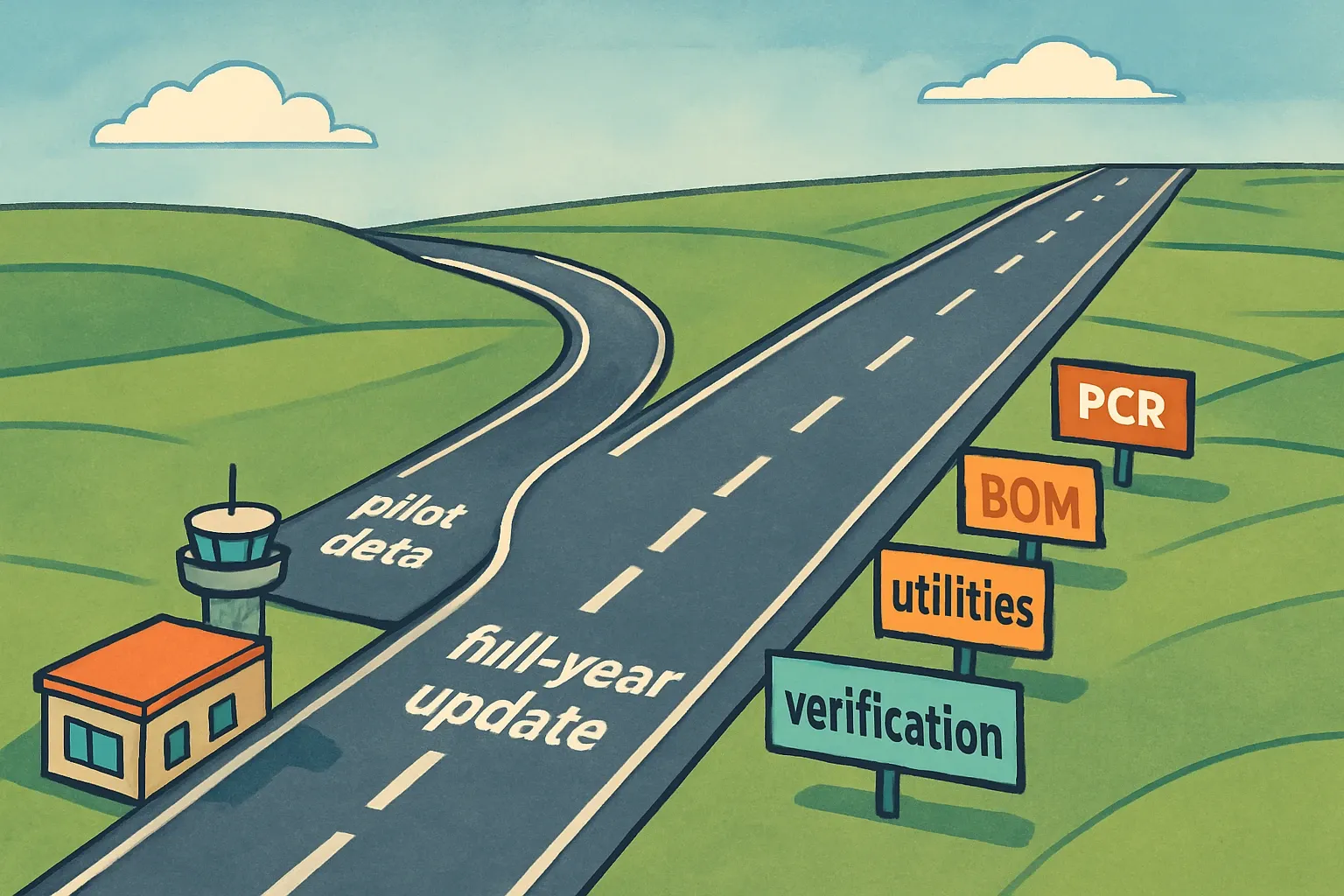
Start with one flagship product. Lock the PCR, freeze a clean data year, and model in openLCA with a single, vetted background database. Document every assumption next to the model. If that pilot flows through verification smoothly, scale to siblings that share a background report. If it bogs down, it is a signal to shift effort from modeling to white‑glove data wrangling and program management. That trade saves calendar time, which often wins the spec. And yes, one mid‑sized project win can outweigh the whole exercise, but exact paybacks vary by market, scope, and margin.
The bottom line for busy manufacturers
openLCA is powerful and accessible, but it does not lower the bar set by PCRs, verifiers, and operators. Use it where your team has the attention and expertise. Where capacity is thin, invest in a process that makes data entry effortless and review‑ready. That is how EPDs move from “someday” to “published.” It’s definately worth doing right.