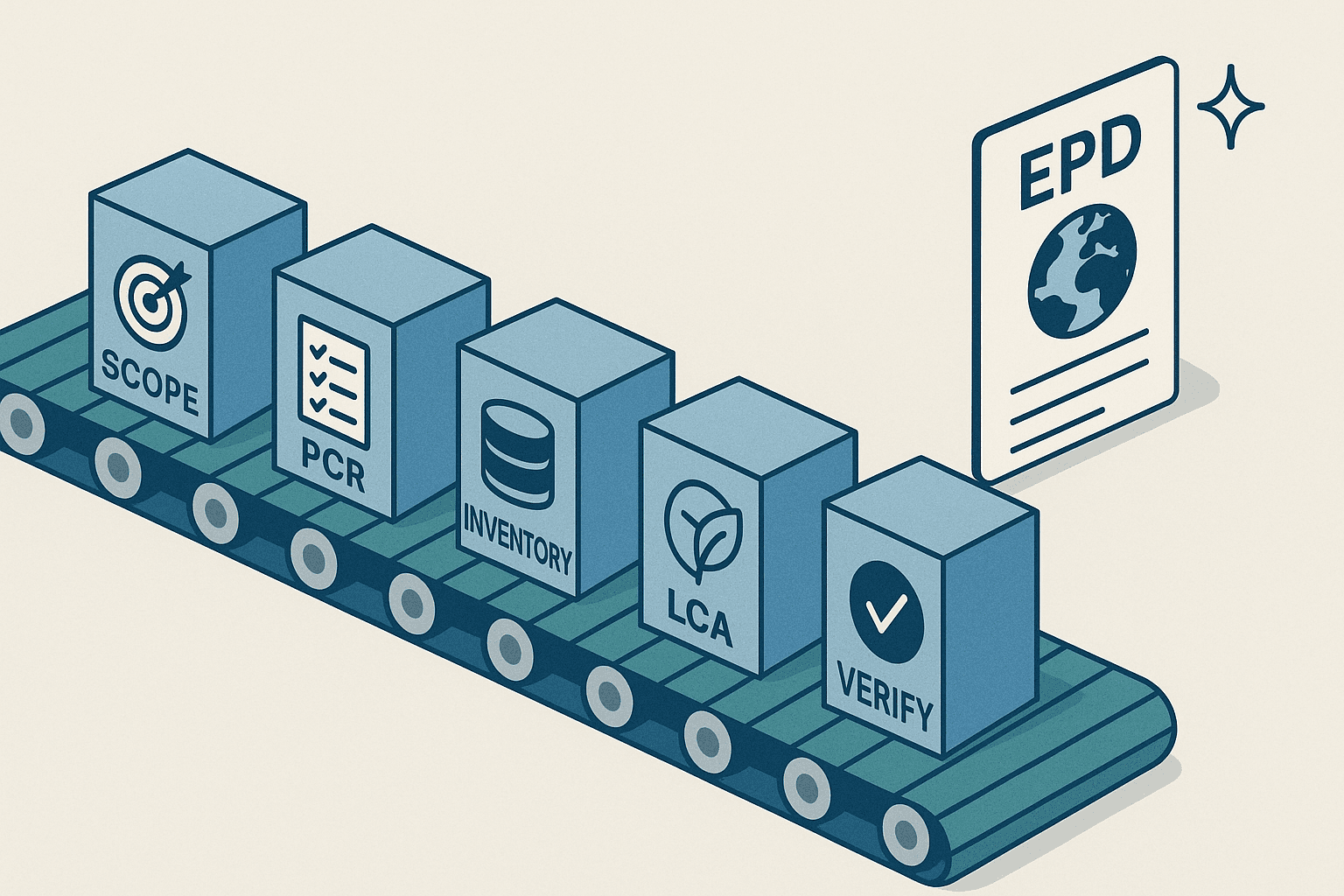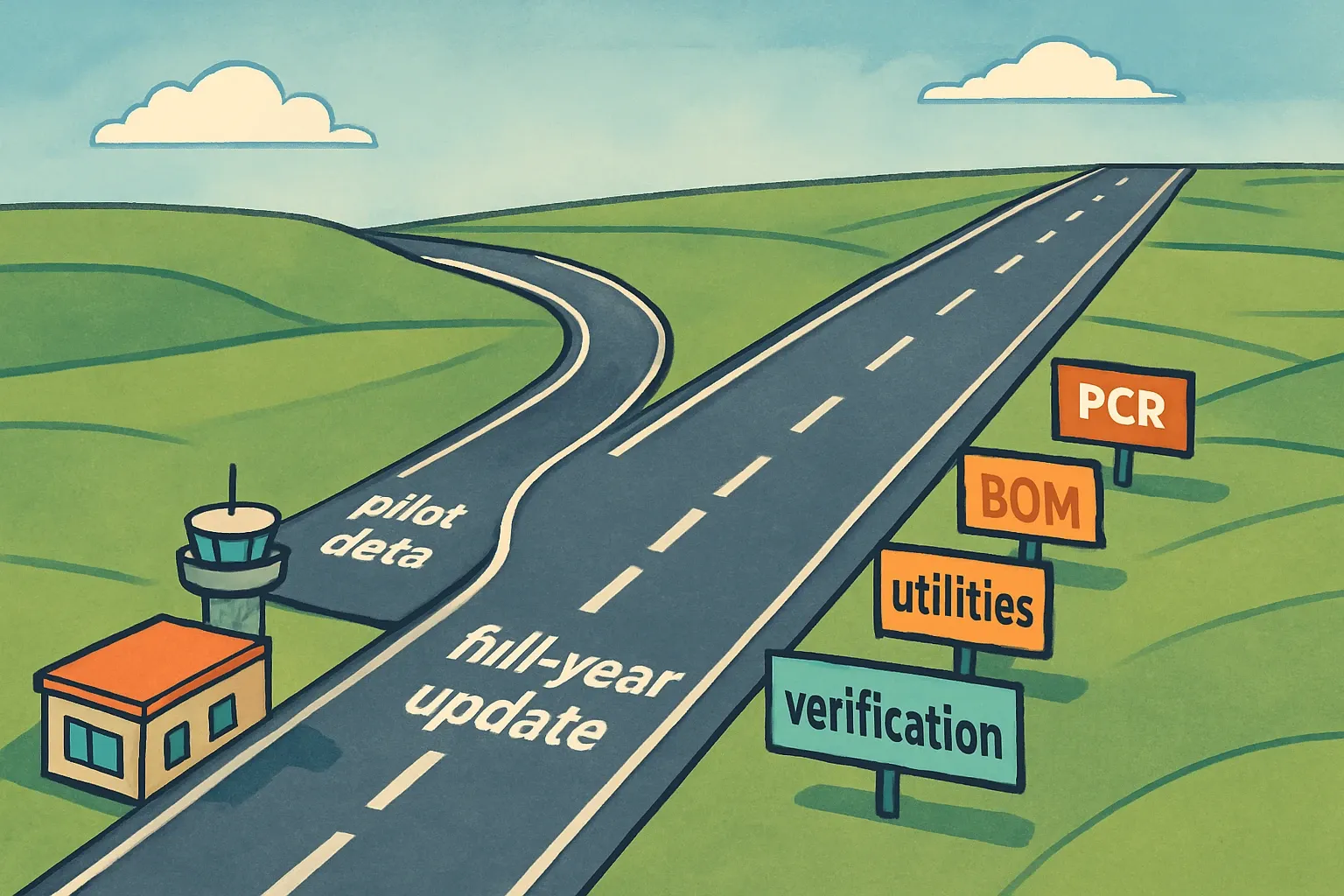
Why EPD Data Feels So Sensitive
An EPD forces you to map cradle-to-gate reality: exact resin blends, kilowatt-hours per ton, haul distances, and more. For competitive industries those figures can hint at cost structure and process IP. Little wonder 40 % of manufacturers say supplier-level emissions data remain the hardest puzzle piece (Z2Data, 2025).
Built-In Safeguards You Already Have
ISO 14025 labels proprietary inputs “supporting documentation” and keeps them outside the public-facing EPD. Program operators double down: EPD Hub states every verifier works under a strict NDA, while Smart EPD and NRMCA spell out Data Confidentiality Management clauses that forbid secondary use of your raw numbers (EPD Hub 2025; Smart EPD 2025; NRMCA 2025). In many cases these baked-in controls cover the basics.
The NDA Question: When “Good Enough” Isn’t
Most EPD projects succeed on the operator’s confidentiality rules plus a standard consulting contract. Layer an extra NDA when any of these apply:
-
The product is pre-commercial and the chemistry is still trade secret.
-
You plan a merger or fundraising round where valuation hinges on process efficiency.
-
A downstream customer insists their own scope 3 data stay sealed.
If none of those rings a bell, the default protections usually suffice and save two weeks of legal ping-pong.
Keep Paperwork Light, Speed High
Should you draft an NDA, aim for a mutual version with a clear sunset—three to five years often covers typical EPD renewals. Limit scope to “data shared for the purpose of life-cycle assessment and EPD verification” so routine maintenance updates flow without amendment. Over-broad NDAs slow reviewer questions and can push publication back a full quarter.
Start the Conversation
Still unsure whether your next EPD warrants another signature? Connect with Eric to swap war stories and weigh the trade-offs before legal bills start piling up.