Why language is the hidden blocker
When plants span borders, the same ingredient can carry three names and five file formats. Add shift schedules and holiday calendars, and small delays stack up. Multilingual structure is not a nice to have, it is the backbone of a credible and fast EPD.
Name the owners for the five pillars
Clarity beats heroics. Assign one point of contact per pillar, then let them pull from their systems while everyone else keeps production running.
- Procurement
- Product and formulation
- Manufacturing and utilities
- Transport and logistics
- Waste and end of life
Give each owner a single intake checklist and a definition of done. Keep versions under control with a shared register that stamps date, plant, and language for every file.
A plan that respects plant calendars
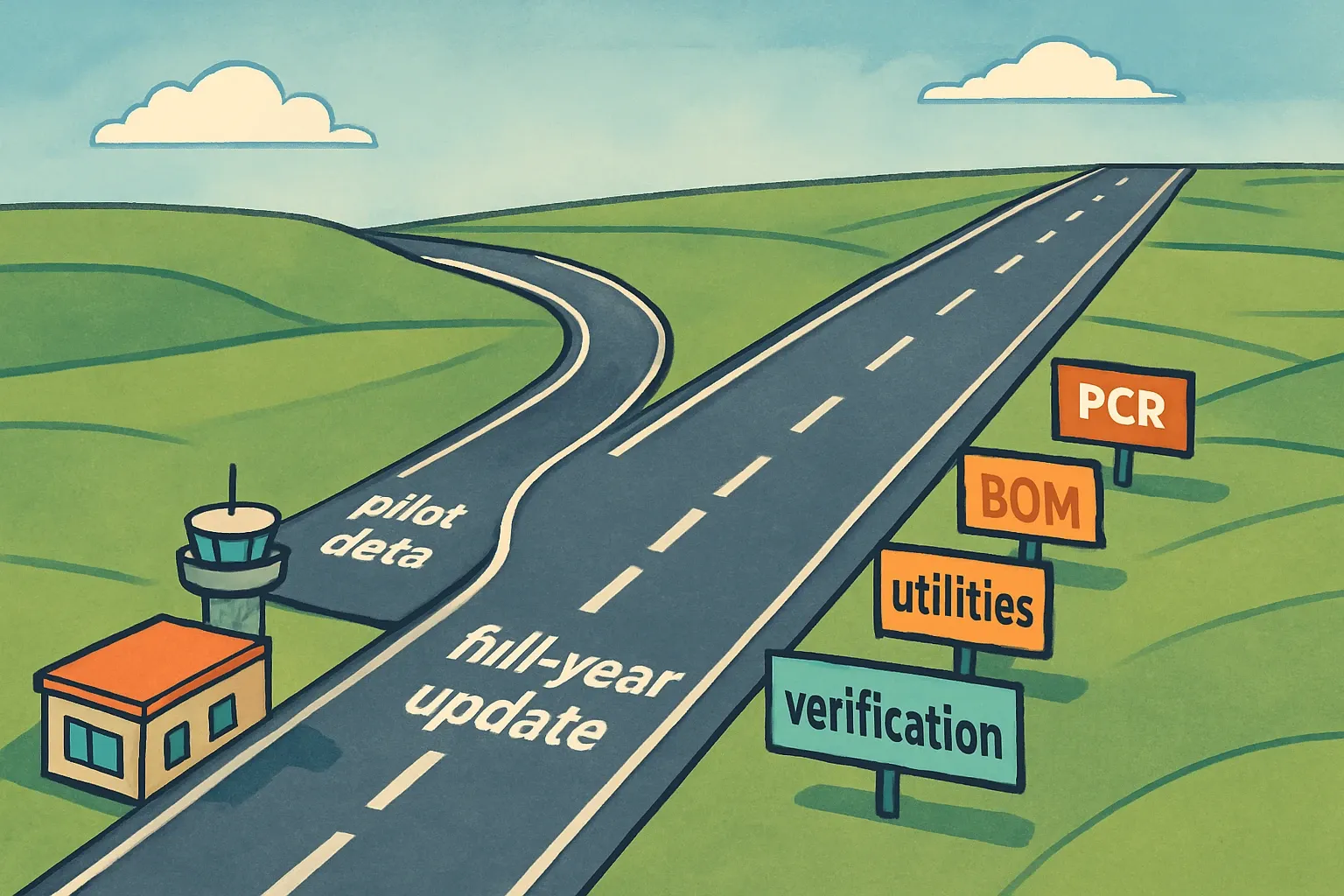
Start with the reference year, then map a four week sprint that fits around maintenance windows and inventory counts. Publish the schedule in the languages the plants actually use. We prefer a 30 minute weekly office hours slot that floats to the region that is busiest that week. No marathon calls, just quick unblockers.
AI translation that earns trust
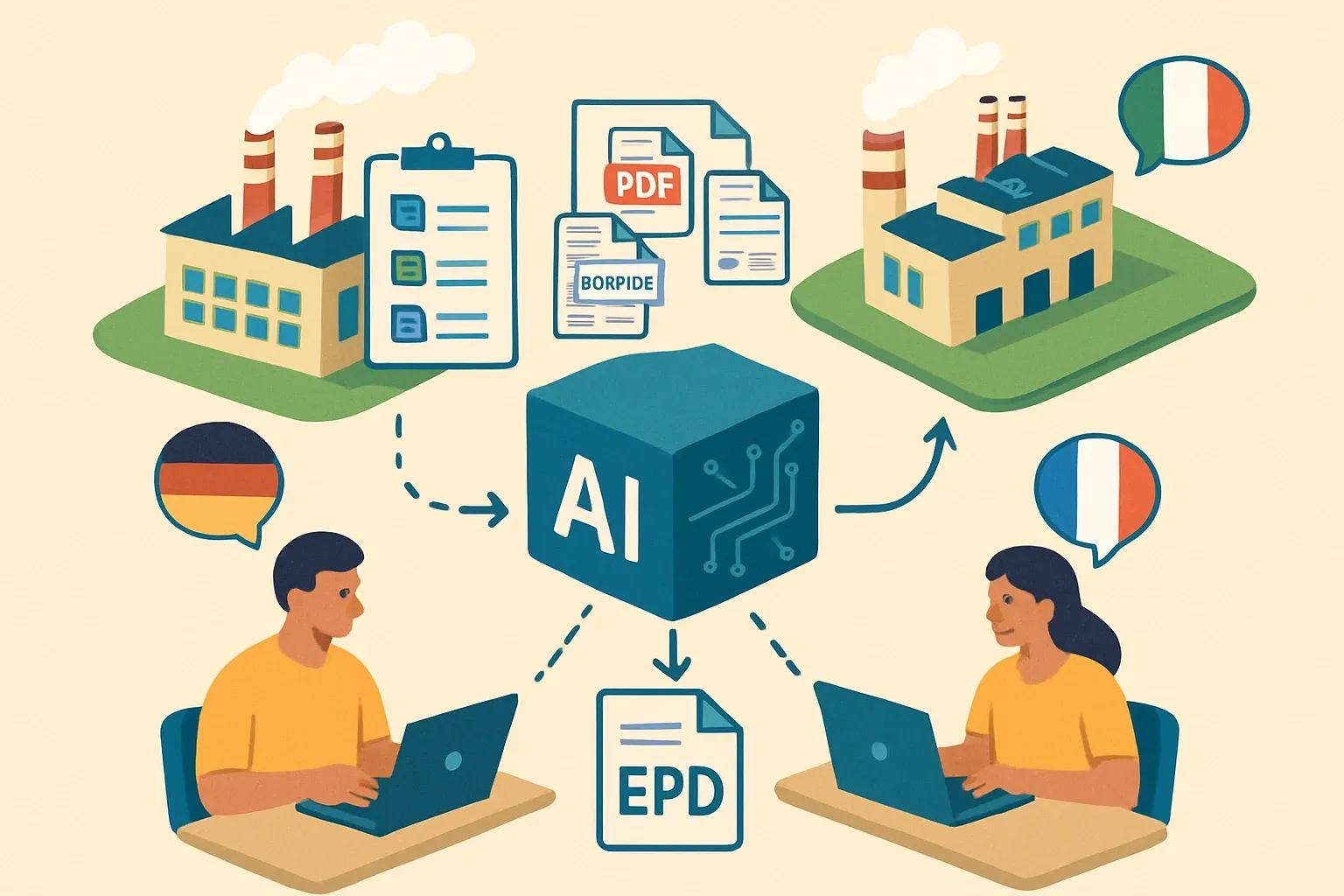
Generic translation is not enough for LCA terms. Build a bilingual glossary for product names, units, and process steps. Feed it to AI translation so invoices, SDS, and utility bills land in English the same day they are uploaded. Keep a human in the loop for the tricky bits like waste codes and additives. The European Union operates with 24 official languages, which makes standardized intake more than a convenience, it is essential for cross border manufacturing (European Union, 2024).
AI extraction that saves plant time
Optical character recognition turns scanned bills into rows and columns. A trained extractor can spot electricity kWh, scope the tariff, and capture meter IDs so audits hold up. The same pattern works for freight documents. Pull mode type, route, distance, and weight into a clean table. If a field is missing, ask a yes or no question, not a blank spreadsheet. This keeps cooridnation tight and respectful of local bandwidth.
Keep units and codes aligned across countries
Translate text, standardize numbers. Lock a unit policy early. kWh for electricity, MJ for fuels, kg for masses. Map local waste codes to a single list before any modeling starts. Cross check recipe names against the PCR terminology so product stages line up with EN 15804 and ISO 14025 expectations.
Office hours and escalation that actually work
Run weekly office hours so plant teams can drop in with blockers. Rotate time zones and publish notes in the language of the speakers plus an English summary. Set a simple escalation path. First pillar owner, then project lead, then executive sponsor. Everyone knows where to go when a customs form or supplier bill is late.
Quality gates in two languages
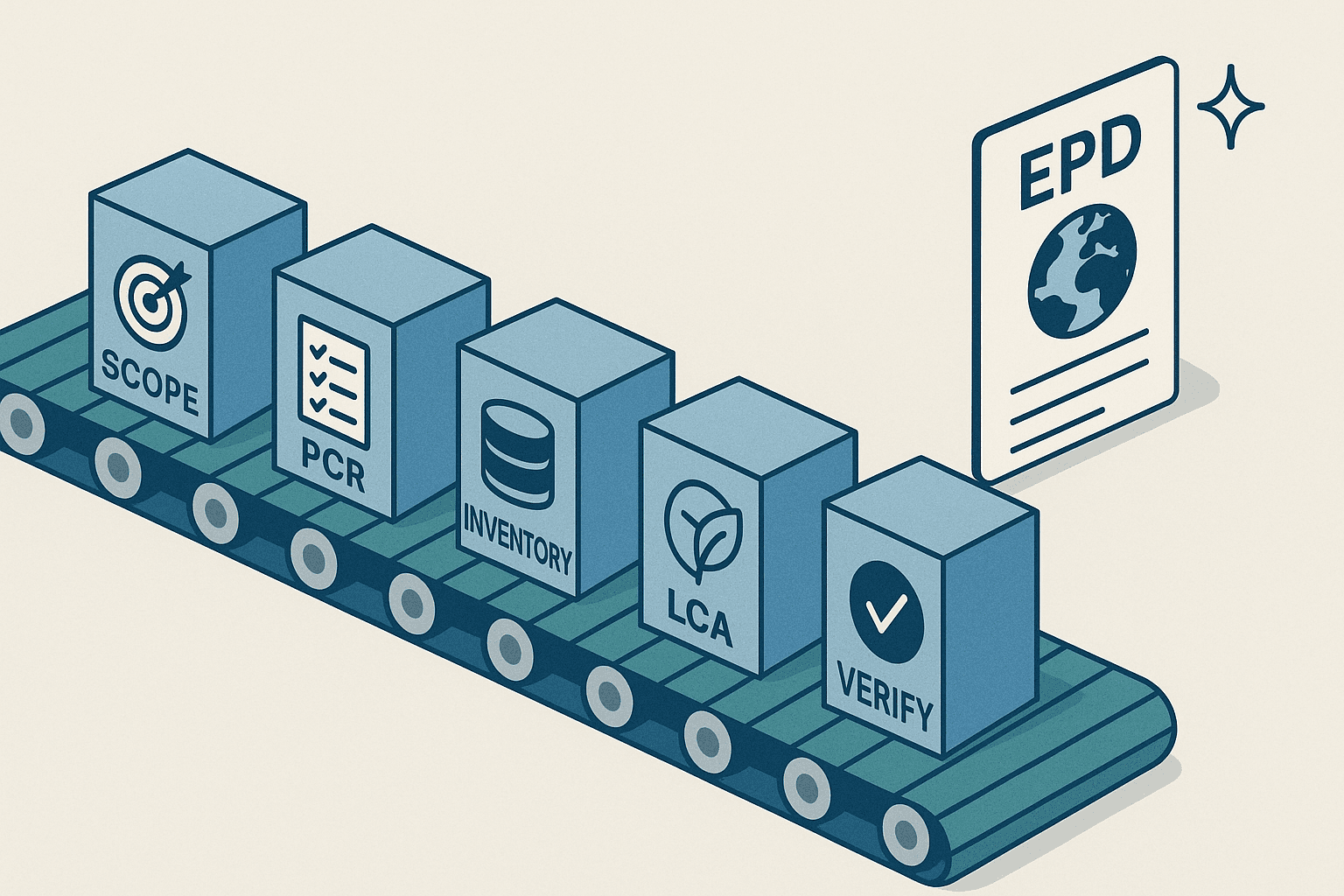
Before modeling begins, hold a bilingual gate. Confirm data completeness, unit consistency, and transport routes. Before publication, run a second gate with screenshots of the EPD draft. Ask plants to check product names and plant addresses. Small catches here prevent public corrections later.
Turn one sprint into a playbook
Save the glossary, extraction templates, and meeting cadences. Next time a new plant joins, the team starts at eighty percent ready. That is how multilingual complexity stops being a bottleneck and becomes a repeatable advantage for faster EPDs that stand up in specs and bids under LEED v5 style expectations.
Final word
Global plants do not slow EPDs when ownership is clear, calendars are respected, and AI handles the heavy lifting for translation and extraction. People focus on judgment. Software takes the grunt work. The result is credible data ready for any program operator, whether that is Smart EPD in the United States or IBU in Europe, without burning out the folks on the line.