Governance is a product feature
AI that touches EPDs and LCAs must be safe, explainable, and commercially sharp. Think of governance as the user manual for your data product. Without it, brilliant analytics still stall in legal review and sales walks into meetings with handcuffs on.
The vault and the standard
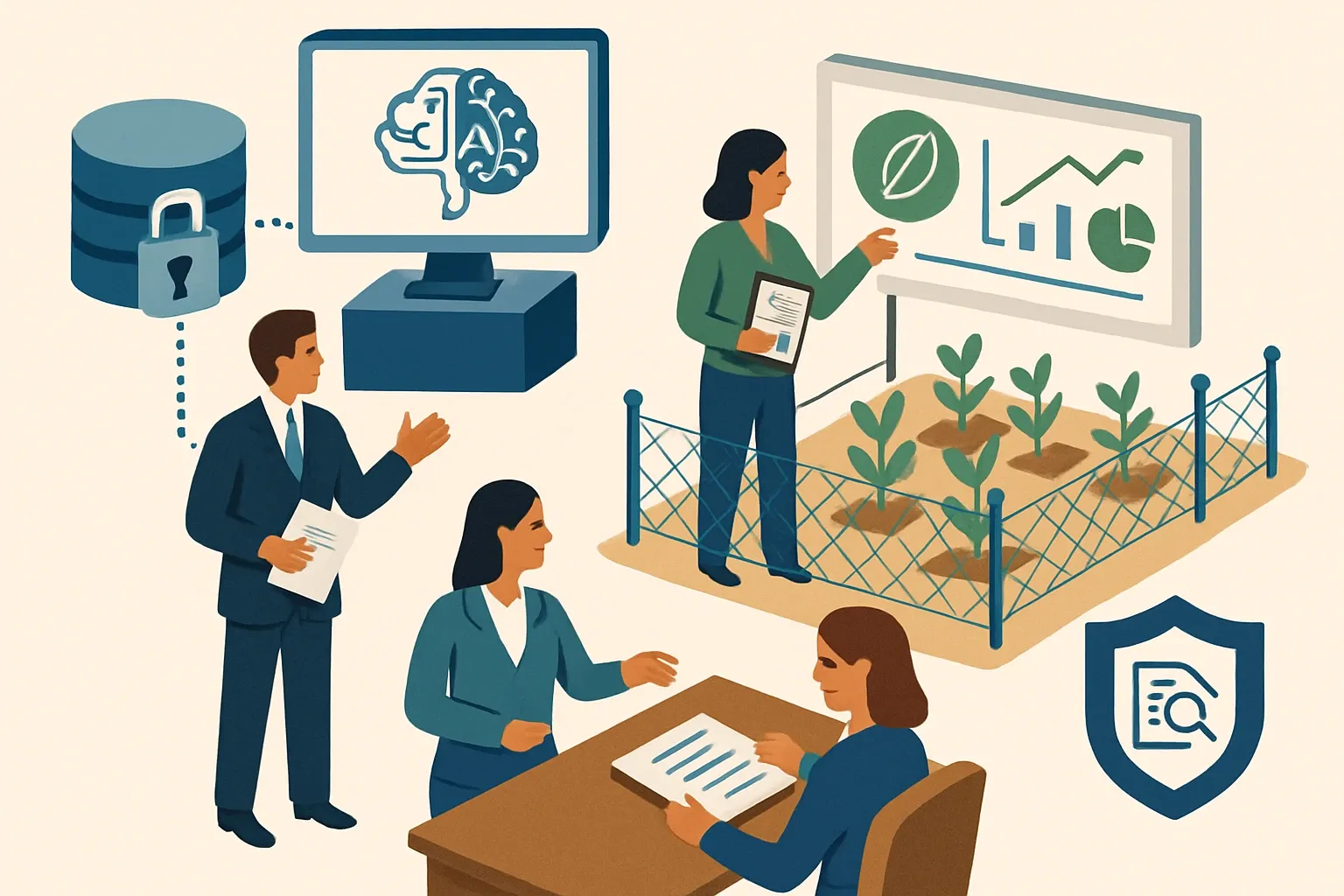
Create two workspaces with a hard boundary. Vault holds confidential operational inputs like energy invoices, waste logs, and provisional assumptions. Standard holds marketing‑approved, buyer‑facing claims, comparison scripts, and SKUs ready for spec. EPD renewal cycles make the split practical because most program operators set validity at five years, which means a predictable cadence for updates and re‑approvals (IBU, 2024).
Role‑based access that mirrors how you sell
Match roles to the routes to market. Sales sees only regional SKUs, relevant competitors, and price‑sensitive talking points. Operations and sustainability can run hotspot and sensitivity analyses across the full dataset. Product managers get portfolio‑wide views to prioritize which declarations to publish next.
Rules for claims and competitor mentions
Write clear rules inside the platform. Define which claim types are permitted, which need disclaimers, and the evidence each requires. Set a policy for competitor references so outputs cite public EPDs or program‑operator pages and never guess. The system should block unapproved comparisons and flag anything missing a source.
Query controls that keep AI on the rails
Restrict which datasets each role can query, then whitelist approved retrieval sources for buyer materials. Use prompt templates and retrieval filters that refuse to answer when data are out of scope. This is the Netflix profile idea for data, each user only sees and streams what they are allowed to watch.
Reasoning logs and source tracing
Every AI‑generated answer should include a trace. Inputs, datasets touched, model version, and links back to underlying records belong in an immutable log. Treat it like a flight recorder for claims so legal and compliance can replay exactly how an output was produced, fast.
Align with verification standards
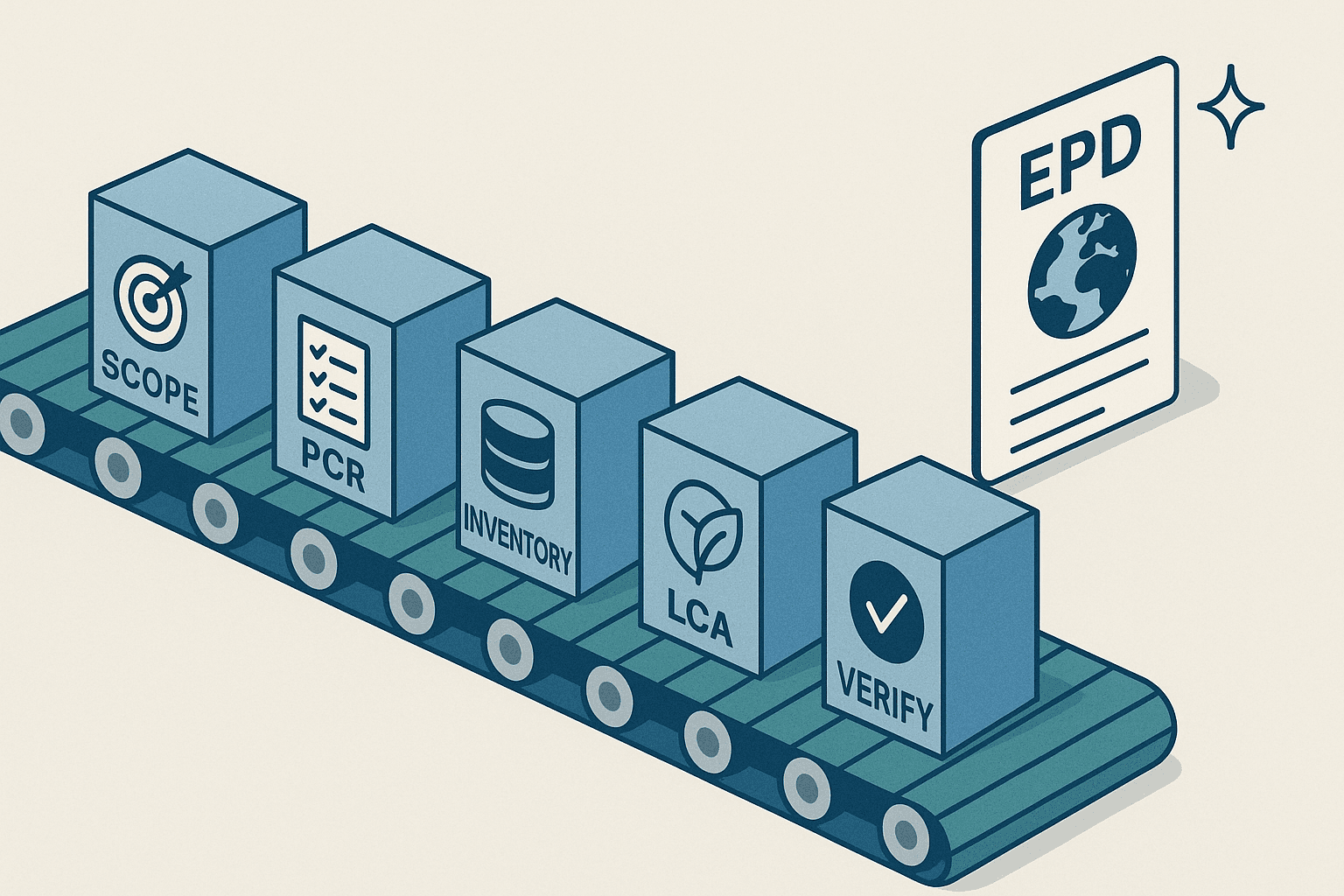
Your governance should make third‑party verification boring in the best way. Keep evidence packages with references to the PCR used, system boundaries, allocation choices, and sensitivity checks. That way updates to the standard library map cleanly to the next EPD publication window.
Segmentation that respects geography, plant, and product line
Tag data at the moment of ingest with region, plant, product line, and PCR family. Sales in one region sees the right SKUs and local competitors. Manufacturing keeps full control over plant‑level inputs while still enabling portfolio insights.
Launch playbook
- Define the vault and standard workspaces with a written policy.
- Map roles to queries and outputs, then test with real sales decks.
- Tag datasets on ingest for geography, plant, product line, and PCR.
- Configure claim rules and a lightweight approval workflow.
- Switch on reasoning logs and set retention to match legal guidance.
- Train teams. Dont overcomplicate permissions at first, iterate.
Make governance a growth lever
The goal is confidence at speed. When roles, rules, and traces are built in, sustainability teams publish sooner, sales stays on message, and legal sleeps at night. Good governance turns AI from a science project into a spec‑winning machine.