The myth of the perfect spreadsheet
Perfect formatting feels safe. It also slows you down. EPD models care far more about whether the right inputs exist than whether every column header matches a template. Think rough playlist, not symphony score.
The minimum viable dataset
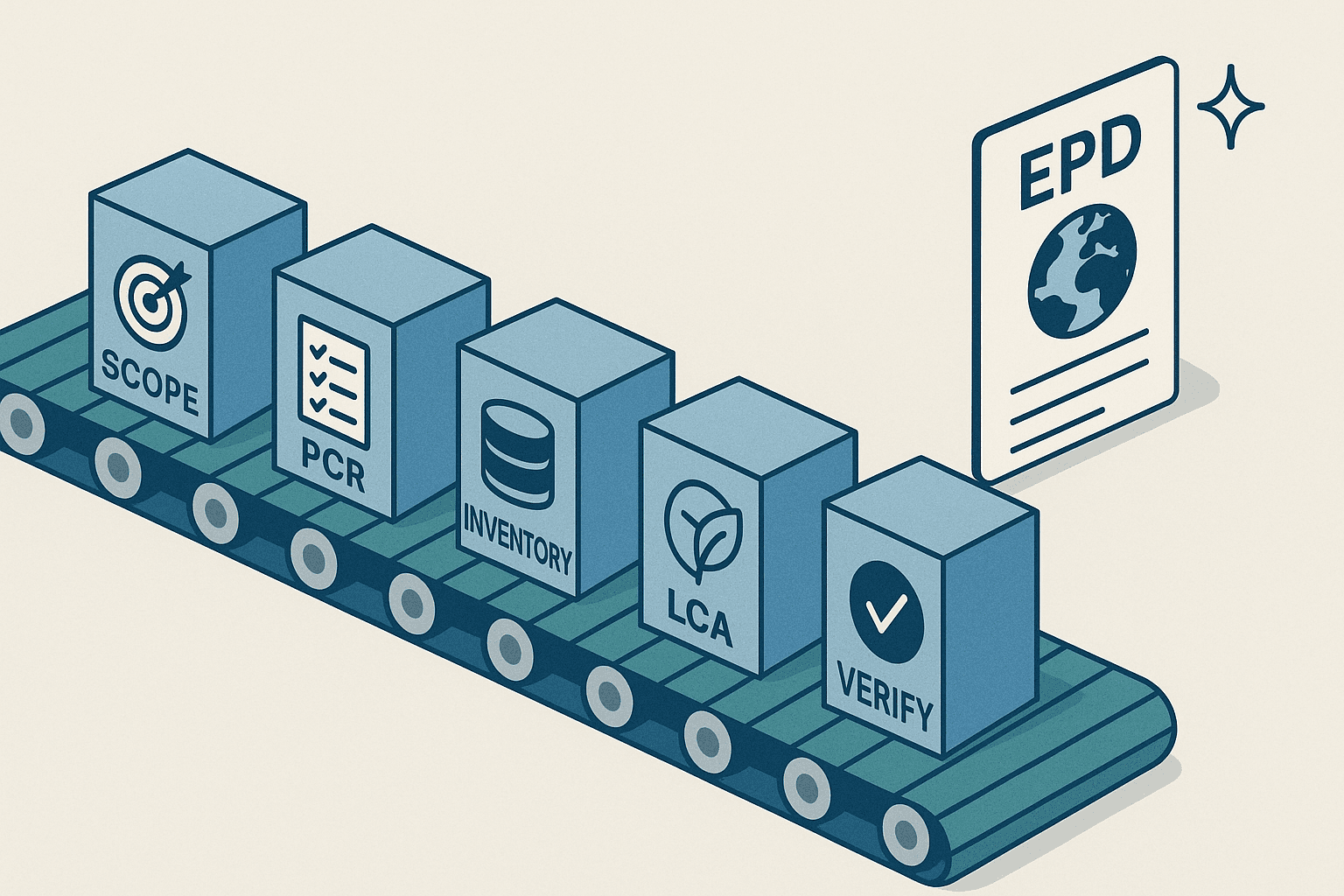
Three buckets move an EPD from idea to draft model quickly. If these are complete, everything else is acceleration, not ignition.
- Bill of materials for the reference product and year (materials, quantities, typical supplier or region, and any recycled content).
- Plant energy and fuels for the same year (electricity kWh by meter or subregion, natural gas and other fuels in consistent units).
- Waste and scrap (types, amounts, and where it went, such as recycling or landfill).
Standards expect a defined reference period for operational data, typically 12 consecutive months for existing production (EN 15804, 2019) (EPD International GPI, 2024).
Formats that are absolutely fine
Screenshots of utility portals, ERP exports, invoices, weigh tickets, purchase orders, even photos of nameplate meters are workable so long as they are legible and traceable. Spreadsheets help, but they are not a gate. A good partner will normalize units, map suppliers to geographies, and document assumptions inside the LCA model so verification is smooth.
How AI-assisted ingestion actually helps
Optical character recognition turns PDFs into tables. Entity recognition spots material names and harmonizes them to LCI libraries. Unit services convert pounds to kilograms and therms to megajoules. Outlier checks flag oddities like a diesel month that is 5 times higher than the baseline. The software does the sorting, humans make the judgment calls.
What verifiers really check
Verifiers look for traceability, period consistency, correct system boundaries, allocation choices, transport distances, and that the PCR used fits the product. They do not score you on color-coded tabs. Most programs keep the EPD valid for five years, which matters for planning updates and PCR rollovers (EPD International GPI, 2024). When a PCR updates mid-cycle, your existing EPD generally remains valid until its own expiry, then it renews under the newer rules (EPD International GPI, 2024).
Mandatory vs nice-to-have
Mandatory to start fast:
- One reference year selection that everyone commits to.
- A complete materials list that covers at least 95 percent of product mass or cost.
- Energy totals by carrier that reconcile to utility records.
- Waste totals with simple routing categories.
Nice-to-have that can follow:
- Exact supplier-specific transport legs, beyond typical distances.
- Hourly electricity data when monthly bills exist.
- Secondary packaging details when they are a tiny share of mass.
- Highly formatted data dictionaries.
If a field is missing, note it clearly. Silence is what creates rework, not a rough edge.
Where structure pays off
A little structure in the right places avoids churn. Keep units consistent across files, stamp the reference year on every sheet, and name materials the way procurement sees them. Version files so the team knows which cut is current. That is it. Anything beyond this often becomes a hobby project that drifts for weeks.
Common speed traps
Chasing a plant-wide perfect mass balance before modeling. Waiting for every supplier EPD instead of using vetted generic datasets while you request specifics. Rebuilding the ERP to match an LCA template. Forgetting to block calendar time with the verifier. Ignoring PCR change windows. These are schedule killers. Dont fall for them.
Vendor checklist that protects your calendar
Ask how the team ingests PDFs, images, and ERP dumps. Ask for the time to first model when data is partial, then the plan for progressive refinement. Confirm who normalizes units, who maps suppliers to regions, and who chases clarifications. Request sample verification memos that show how assumptions are documented. You want a partner that reduces meetings and keyboard time for your most valuable people.
A practical starting move
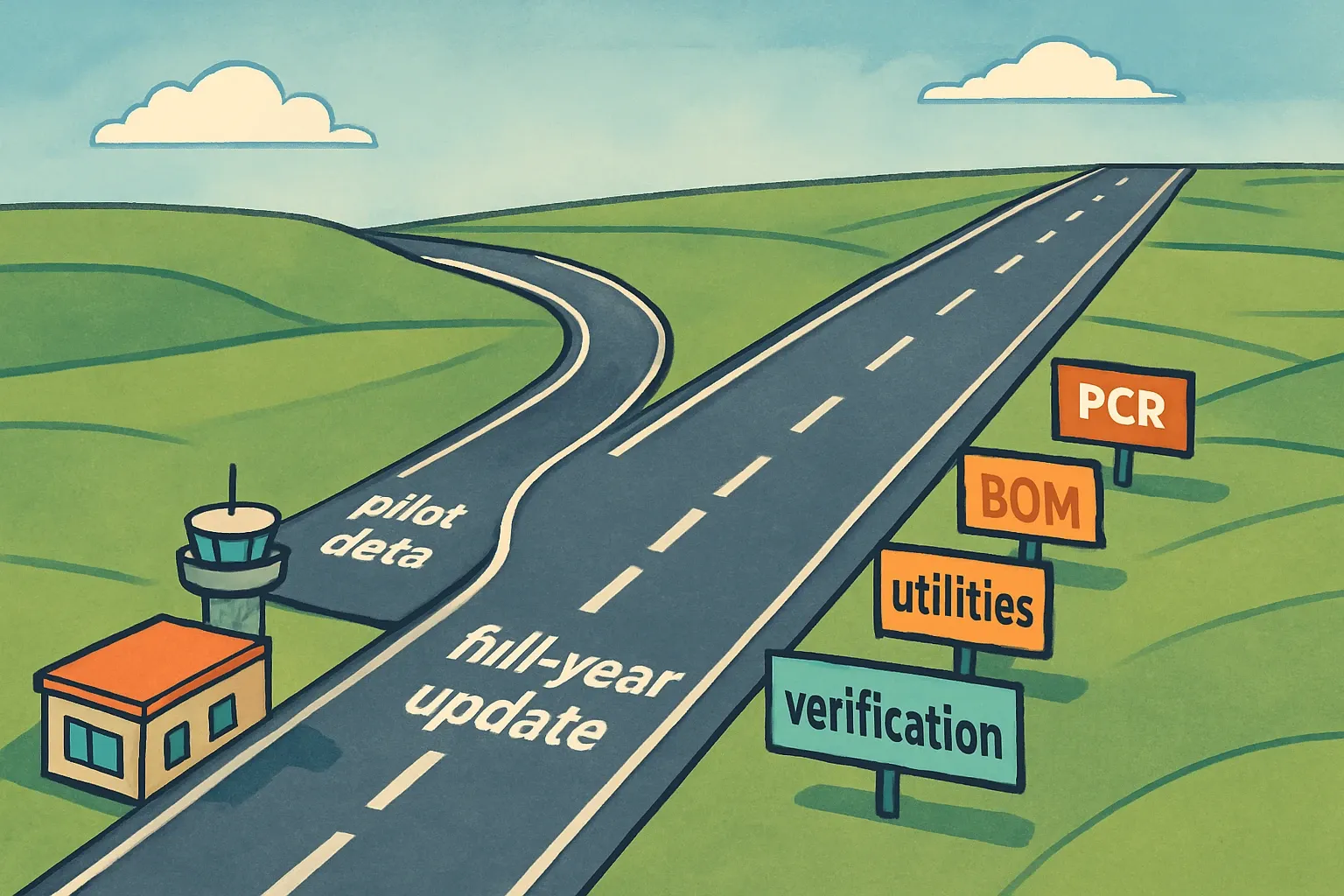
Pick last fiscal year as the reference period, pull monthly utilities, list the top materials by mass or spend, and export waste summaries. That handful of files can unlock a defensible draft in short order. Momentum beats meticulousness at kickoff, and momentum is what gets your product in more specs sooner.