What an EPD consultant really does
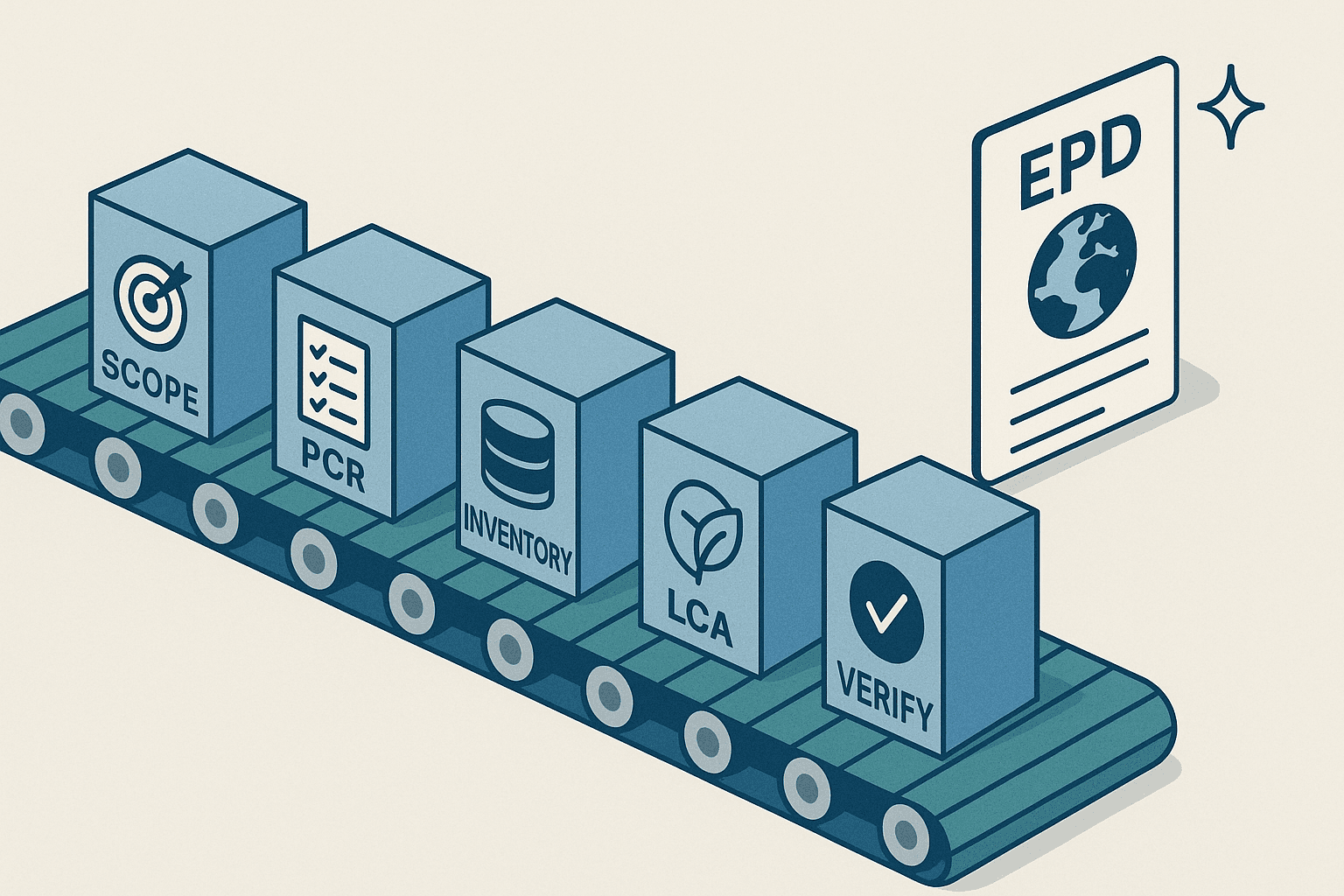
An effective partner turns raw plant data into a defendable life cycle assessment, then a third‑party verified declaration that buyers can trust. Think of them as a film producer who secures the script, wrangles actors, and gets the premiere on the calendar. If a consultant only hands you templates, the heavy lifting lands back on your team.
Where software ends and consultants begin
Software can model once you already have organized, quality data. Most manufacturers need help getting that data out of ERP, meters, and supplier portals and mapping it to a PCR. The best outcomes pair tooling with white‑glove data collection so engineers do not become part‑time sustainability analysts.
The rulebook: PCRs and what they decide
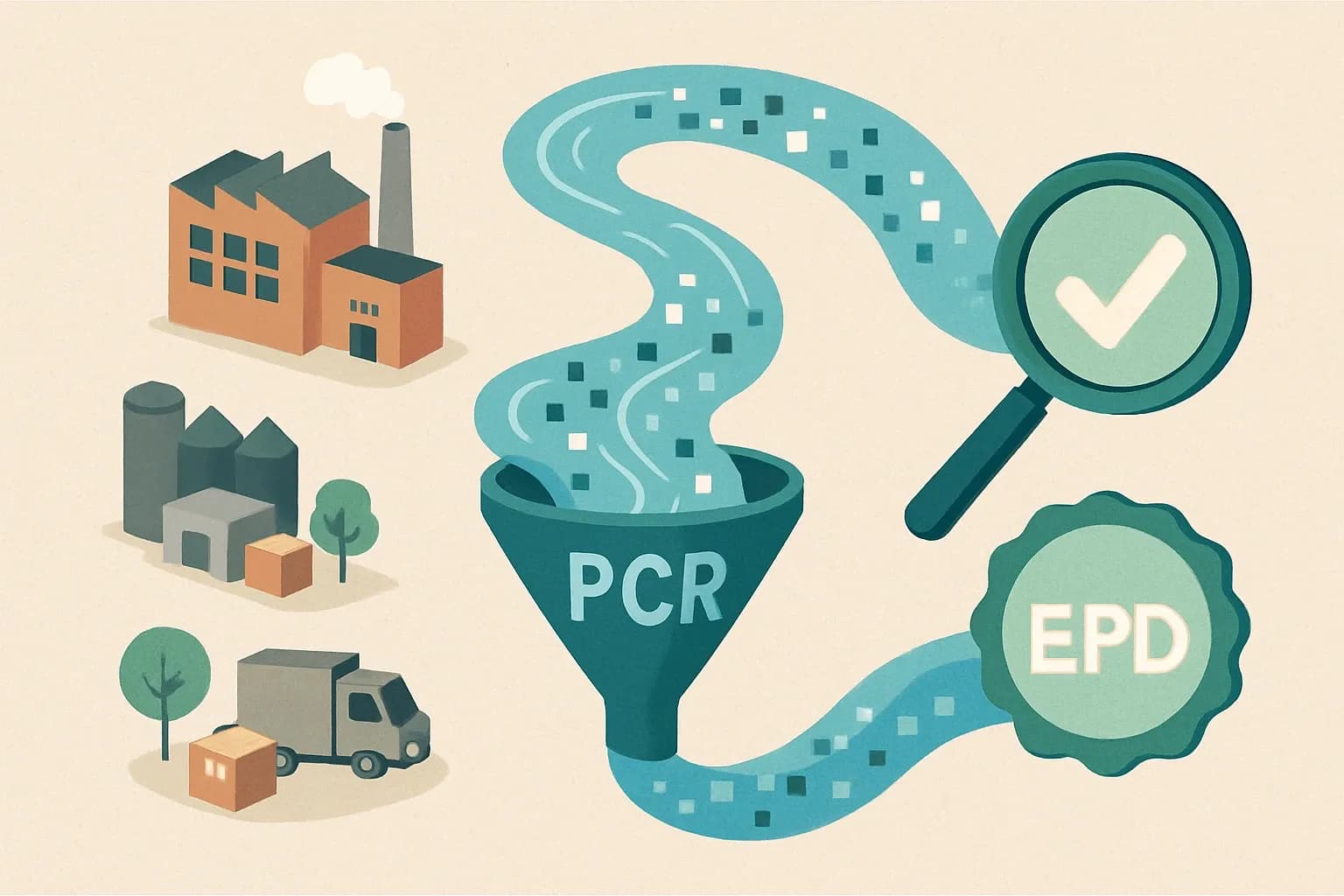
A Product Category Rule sets the boundary conditions, datasets, allocations, and disclosure format. It is the rulebook of Monopoly. Ignore it and the game falls apart. Strong consultants check what PCR competitors use, scan expiry windows, and weigh program operator fit for your sales regions.
Program operators and geography
Smart EPD is common in the United States and IBU is frequently used in Europe. Both align to EN 15804 and ISO 14025, and both require independent verification before publication. The pay‑off is market recognition where your customers buy. We stay operator‑agnostic, which keeps doors open rather than locking you into one path.
Data collection without the chaos
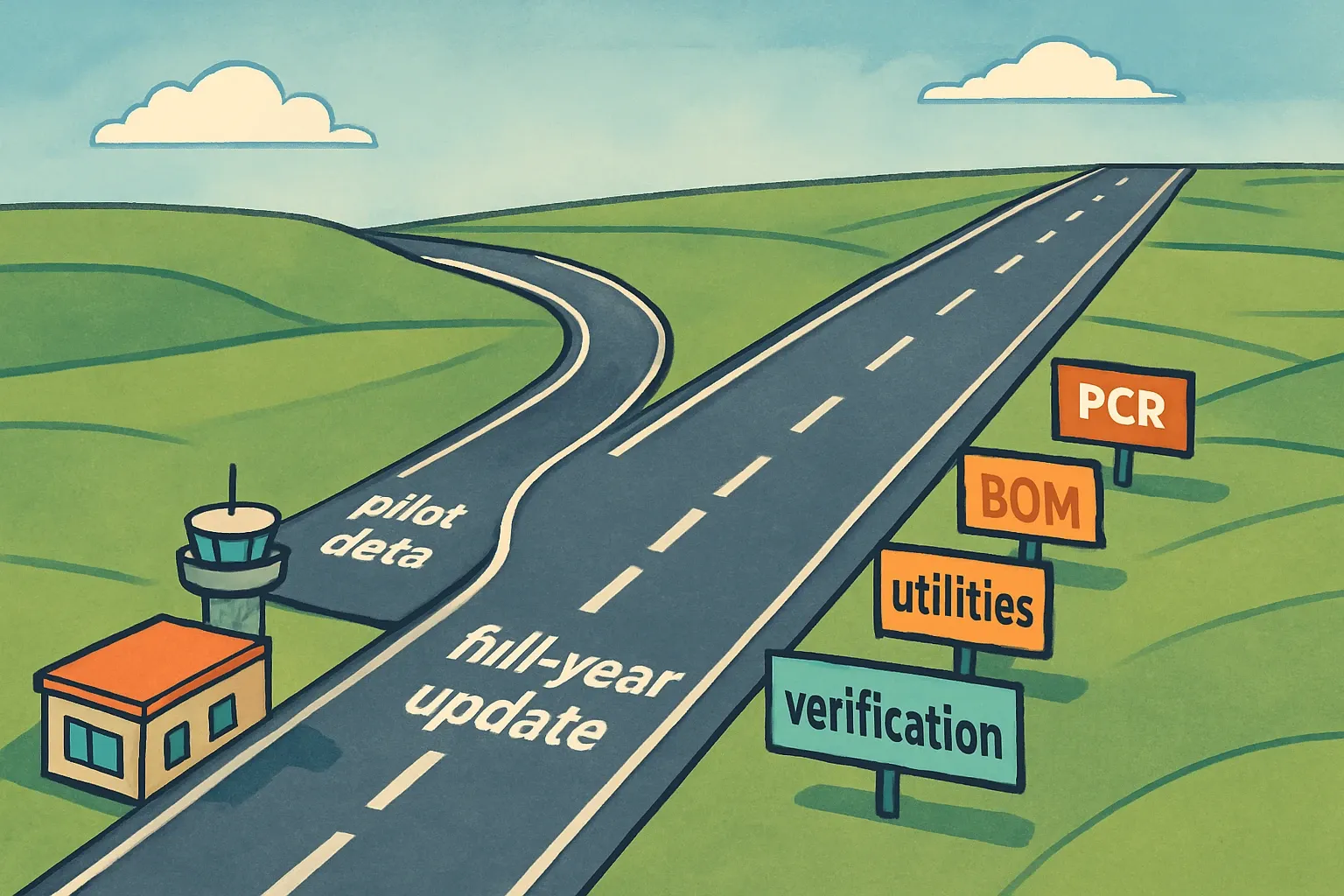
Expect a structured request plan by plant, line, and reference year. Utilities, fuels, inbound transport, scrap and co‑products, packaging, and QC rejects should be mapped to A1 to A3. For brand new lines, prospective EPDs can start with partial data, then be refreshed once a full year is available. If a partner cannot provide a sample data spec on day one, that is a red flag.
Verification that sticks
Under EN 15804 and ISO 14025, EPDs undergo independent review prior to publication. A good consultant lines up the verifier early, shares the LCA plan before modeling starts, and preempts questions about cut‑offs, allocation, or background datasets. Verification should not feel like a surprise boss fight.
Want to make your EPD process seamless?
Follow us on LinkedIn for insights that help you avoid pitfalls and unlock new business opportunities.
Timelines, milestones, and signals of real progress
Calendar dates matter less than momentum. Look for a dated RACI, weekly check‑ins that resolve blockers, and visible completion of the bill of materials mapping. If weeks pass without clarified assumptions or a draft LCA model screenshot, progress is probably cosmetic, not real.
Budget talk without the roulette
Fees vary with portfolio size, plant count, and data maturity. Published averages are scarce and often not comparable across categories, so treat sweeping price ranges online with caution. What reliably moves total cost down is removing internal time sink. When the consultant shoulders data wrangling and review loops, your most valuable people stay focused on making and selling product.
Common pitfalls to avoid
Beware of one‑and‑done models that cannot be refreshed next year. Ask how the LCI datasets will be versioned and archived. Watch for consultants who insist on a single operator without naming the tradeoffs. Be cautious if you are told PCR choice does not matter. It does, both for apples‑to‑apples comparisons and future renewals.
How consultants should handle expiring PCRs
A PCR can expire while your EPD stays valid for its full period. On renewal, the EPD must shift to a current PCR, which may alter methods or background data. Savvy teams plan ahead by time‑boxing re‑modeling and communicating potential deltas to sales and specifications so bids do not get caught by surprise.
The must‑ask questions
- Which PCRs are you proposing and why, and what is the backup if the first choice sunsets mid‑project
- Which program operator best fits our target markets, and what are the pros and cons of each
- Who on your side handles data collection and supplier outreach so our engineers are not doing admin
- How will you prepare us for third‑party verification, including a pre‑review of model assumptions
- What is the plan to update next year without rebuilding from scratch
- How will you document datasets, allocations, and cut‑offs so our QA team can audit later
- Can you show anonymized sample deliverables, including a data spec and verifier issue log
When to consider in‑house or pure software instead
If you have a mature sustainability team, stable BOMs, and clean metering data across plants, an internal LCA specialist with software may be enough. If any of those pieces are missing, the calendar risk of going solo usually outweighs savings. It is not about capability. It is about throughput at the pace commercial teams require, which is often the real bottleneck.
Final thought
Selecting an epd consultant is less about clever slideware and more about who reduces your internal drag while meeting the letter of the standards. Ask for ownership of the messy middle. Demand operator‑agnostic advice. Keep the model refreshable. Do those three and your EPD will not just publish, it will actually pull its weight in the spec game. That is definately the point.