What Pathwaysai.co offers, in plain terms
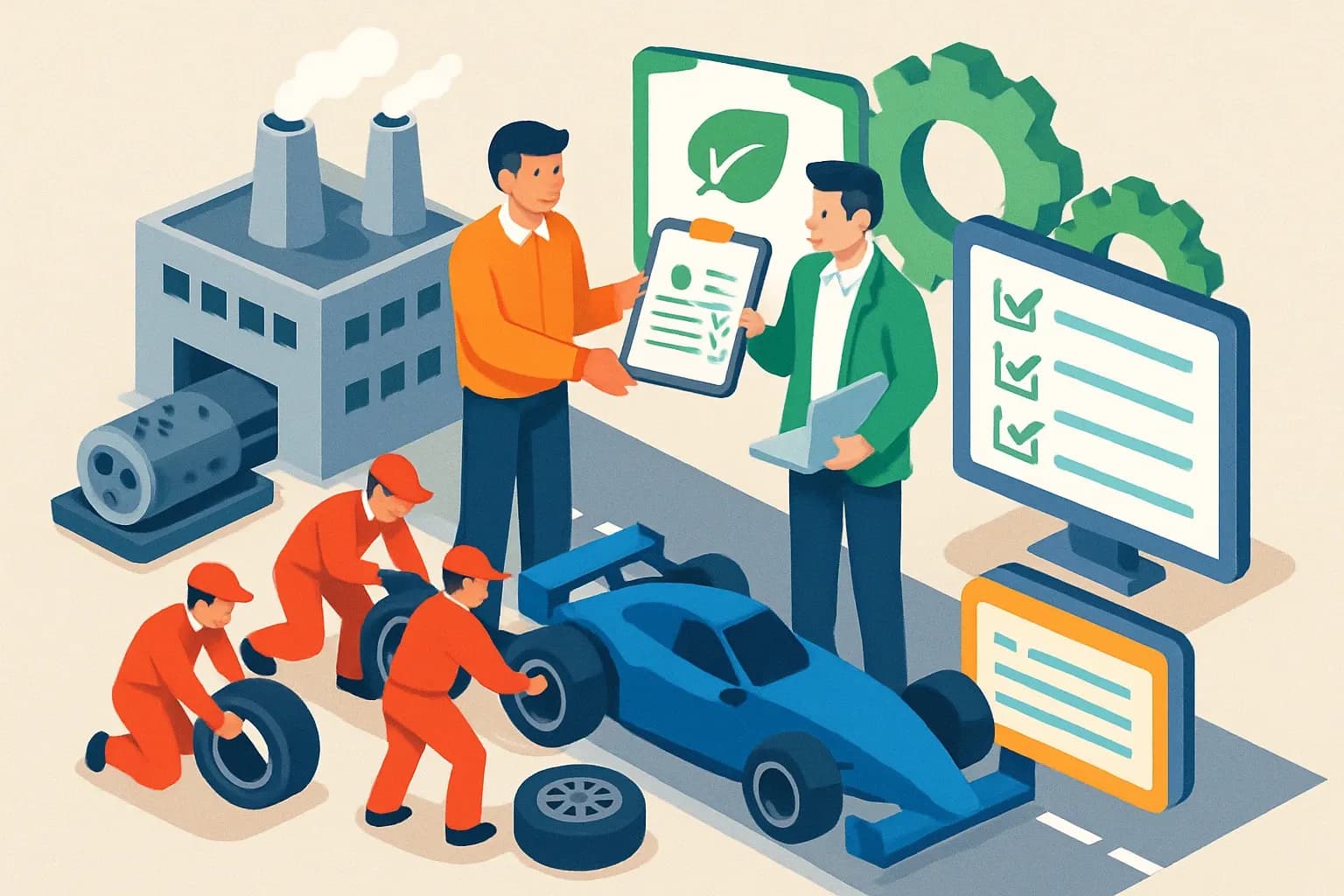
Pathways positions an AI platform that connects to operational data and accelerates LCA and EPD creation for material manufacturers. It is software first, with services around setup and reporting. If your team is ready to maintain integrations and keep data streams clean, this can work.
The real alternatives manufacturers consider
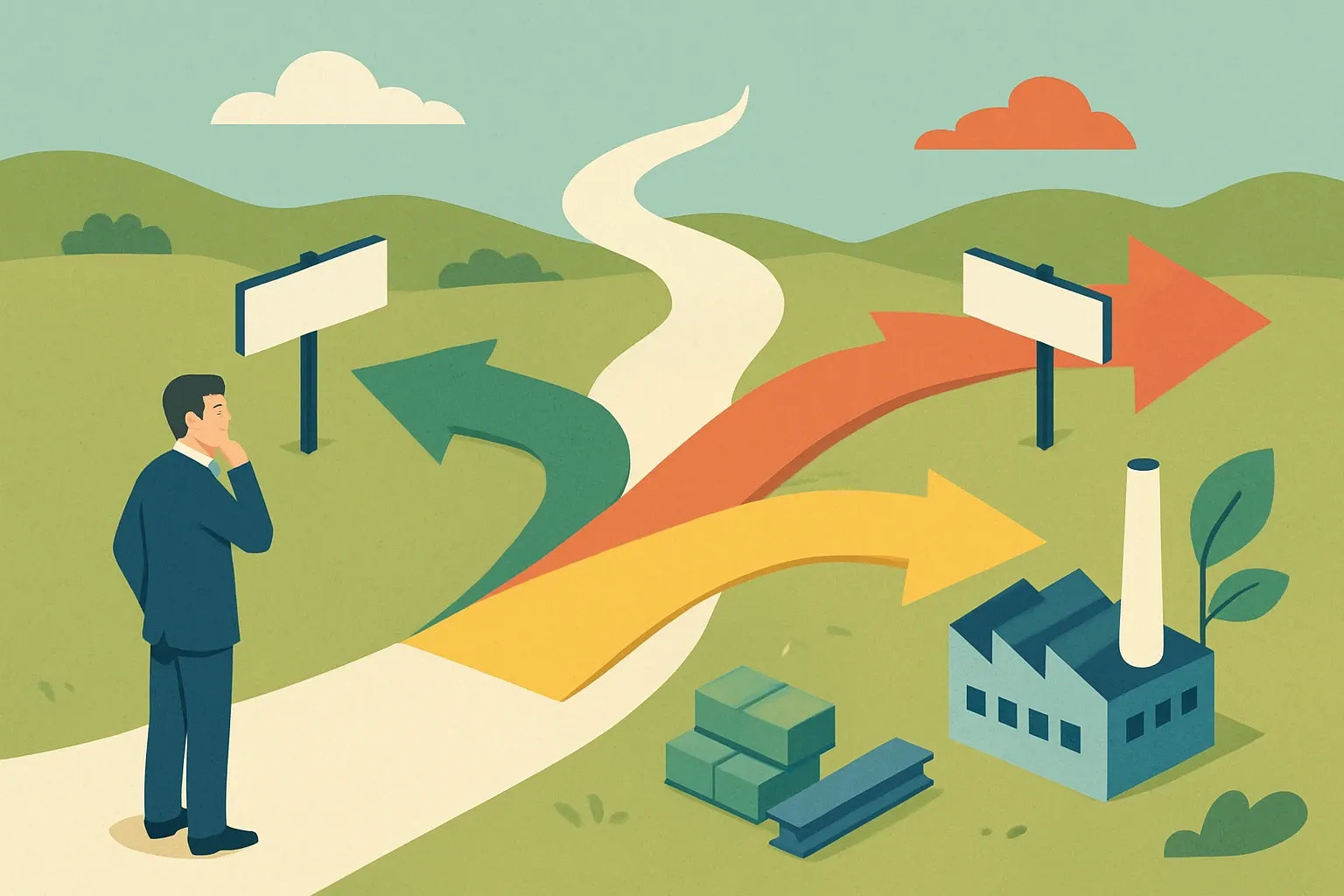
Most teams compare four paths.
-
A white‑glove EPD partner with its own platform. This combines a purpose‑built workflow with people who collect and cleanse data for you, then manage verification and publication. Parq sits here and is operator‑agnostic in the US and EU.
-
Traditional consultants. Strong on methodology, usually light on data wrangling. Expect your engineers and plant managers to do more of the legwork.
-
Generic LCA software plus in‑house muscle. Highest control, highest internal burden. Works when a manufacturer staffs a sustainability function that can live inside the tool daily.
-
Program operator direct or verification‑only support. Useful when you already have a clean LCA model and just need third‑party verification and publication.
Considering EPD solutions in your manufacturing process?
Follow us on LinkedIn for insights that help you choose the right approach to unlock project opportunities and streamline your EPD creation.
How to judge any option in 7 minutes
Think like a bidder with a ticking clock and a spec to meet.
- Data collection burden. Who chases meters, utility bills, waste logs, and BOM changes. If the answer is “your team,” add weeks you may not have.
- Verification readiness. Will the deliverable pass an ISO 14025, EN 15804 or ISO 21930 review the first time. Most construction EPDs carry a five‑year validity set by the operator, so quality today protects five selling seasons (EPD International, 2024).
- Program operator fit. In North America, Smart EPD is common. In Europe, IBU is frequent. Pick what your buyers recognize.
- PCR strategy. Match the Product Category Rule your competitors use unless there is a clear benefit to switching. It keeps comparisons defensible.
- Publication timeline. Ask for milestones from first data pull to verified draft. Reliable cost averages are hard to pin down because every scope differs.
Where Parq is different
Parq pairs a platform with a white‑glove data collection team, so the work does not boomerang back to your plant, R&D, or product managers. Teams choose Parq for speed, ease, and completeness. We focus on ruthless project management and expert modeling to publish dependable EPDs with the operator of your choice, often Smart EPD in the US or IBU in Europe. Clients dont come to us for bargain‑basement pricing, they come because freeing their best people is worth more than a ticket price.
When Pathwaysai.co can fit
If you want a software‑led approach and are prepared to own data plumbing, Pathways can make sense. It resembles building a lightweight in‑house stack that automates once your inputs are stable. If you prefer to offload collection and coordination while retaining operator choice, a white‑glove partner will feel lighter on your calendar.
Regulatory gravity check you cannot ignore
Four California material categories require facility‑specific EPDs for state work, with updated maximum GWP limits effective January 1, 2025. The state’s guidance is explicit that industry‑wide EPDs do not qualify, and that the EPD must be valid at time of installation (DGS, 2025). Caltrans added EPD submittals for asphalt and concrete on projects with bids opening from February 1, 2025 (Caltrans, 2025).
LEED v5 was ratified on March 28, 2025 and strengthens embodied‑carbon expectations, which keeps product‑specific, verified EPDs squarely in the mainstream of project documentation (USGBC, 2025). Most program operators confirm EPD validity is normally five years, which means missteps today echo through multiple bid cycles (EPD International, 2024).
A quick buyer’s checklist
- Will the provider select the right PCR and operator, and handle all reviewer questions without pulling your plant into every thread.
- Can the team collect data across utilities, raw materials, transport, and waste with minimal lift from manufacturing.
- Is the modeling aligned to EN 15804 or ISO 21930, with third‑party verification booked at the start, not the end.
- Do you get a schedule that protects critical bid windows and renewal before the five‑year clock runs out.
Bottom line for spec wins
EPDs are not paperwork, they are a door‑opener where owners require low‑carbon reporting. Pathwaysai.co suits teams that want to lean into software and maintain the pipes. Parq suits teams that want the outcome with far less internal effort and faster time to a credible, publishable EPD. Pick the model that saves the most scarce resource on your side, the attention of your most valuable people.