What this policy is, in one minute
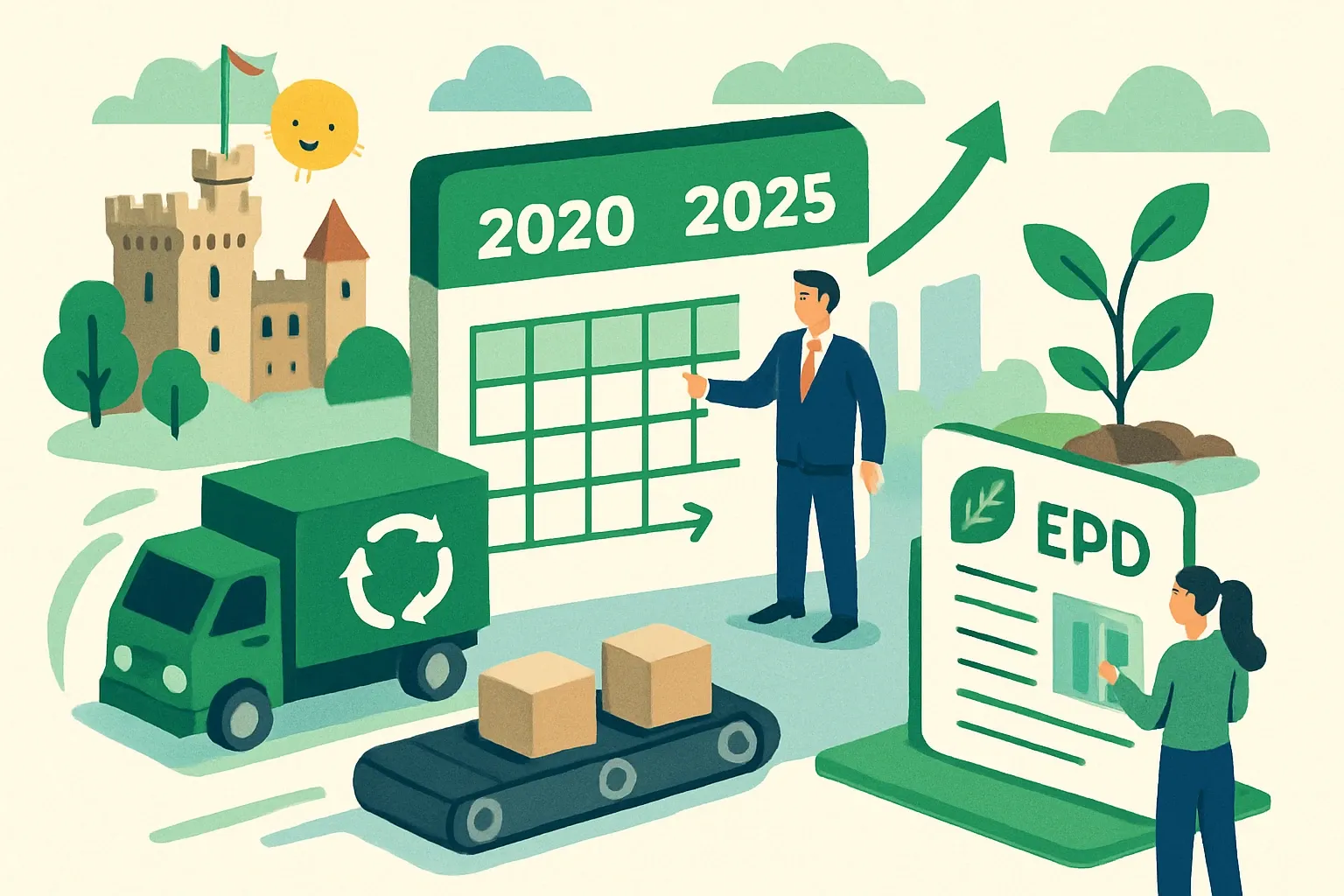
The Royal Borough declared a climate and environment emergency in 2019, then adopted a five‑year Environment and Climate Strategy in December 2020. It set actions across four themes that touch construction directly, from energy to circular economy. The council notes the current strategy runs until March 2026 while a refreshed version moves through engagement and sign‑off.
Why manufacturers should care
Local policy does not read like a spec sheet, yet it shapes them. Developers now face clearer guidance on sustainable materials, embodied carbon, and biodiversity. When a planning officer asks for evidence, a third‑party verified EPD is a straightforward way to show the impact per declared unit, not a promise in a brochure.
The planning hook that pulls EPDs into bids
RBWM’s Sustainability Supplementary Planning Document was adopted in July 2024 and is a material consideration. From September 2024, major proposals are expected to submit a Sustainability and Energy Statement that aligns designs with the SPD across five themes, including sustainable materials and construction. The SPD highlights achieving at least 10 percent biodiversity net gain, which pushes design teams to account for material choices with measurable impacts (RBWM SPD announcement, 2024) (RBWM, 2024).
Money, metrics, and momentum
The council reports a 33.5 percent cut in its own emissions from 2018 to 2024 and places in the top 10 percent of local authority areas by percentage reduction. It also secured over £3 million for estate decarbonisation and £900,000 to support a rollout targeting 750 EV charge points over the next decade. These numbers signal a planning context that rewards credible, quantified carbon reductions in the supply chain, not vague claims (RBWM Climate Impact Report, 2025) (RBWM, 2025).
Navigating changing environmental regulations for your EPDs?
Follow us on LinkedIn for updates that help you stay compliant and win more tenders.
What specifiers in the Borough will ask you for
Expect whole‑life carbon thinking aligned with RICS and PAS 2080, recycled content visibility, and end‑of‑life options that avoid landfill. Expect product data that fits into a project LCA without heroic data wrangling. An ISO‑conformant, program‑operator‑published EPD answers most of those asks in one document, which is why it keeps showing up on tender checklists.
Build a friction‑free evidence pack
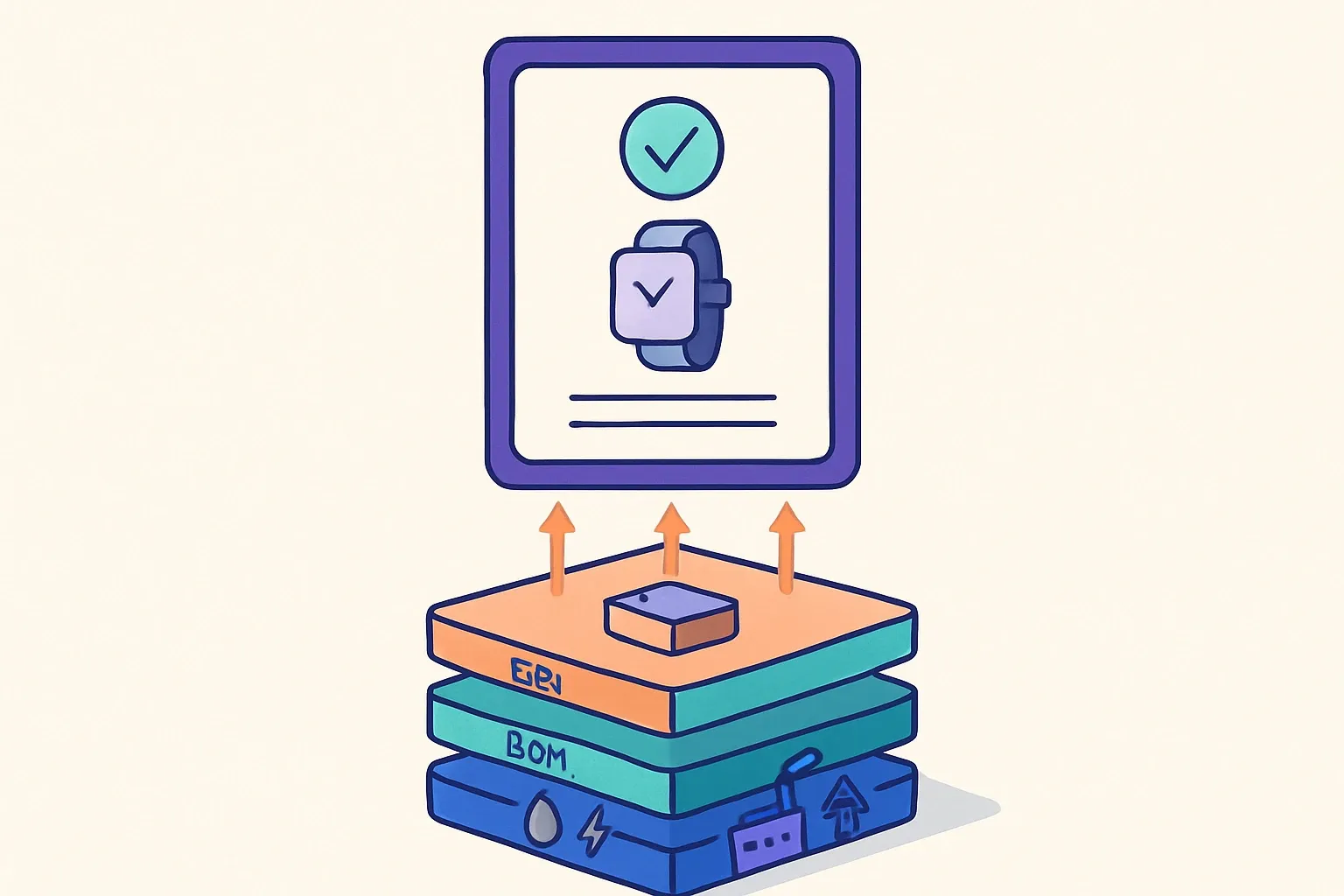
Aim for product‑specific EPDs on core SKUs, then surround them with a short Environmental Data Sheet that maps where impacts sit across A1 to A3 and transport. Offer a ready‑to‑use Bill of Materials carbon add‑on for the Sustainability and Energy Statement. Include guidance for substitutions, so if a contractor switches to a nearby mix or finish, the embodied carbon story stays consistent.
Smart sequencing beats rework
Pick the PCR your competitors already use, sanity‑check expiry windows, and select a program operator with strong UK and EU recognition. Lock a clean reference year for utilities and volumes, then keep a light monthly meter read so renewals are painless. For brand‑new lines, a prospective EPD can get you onto early specs, with a commitment to refresh once a full production year is available.
Circularity that reads well in planning
Show reclaimed content, design for disassembly, and take‑back options that prevent downcycling. If your packaging or pallets have a closed‑loop, quantify it. Planning officers are not looking for poetry, they want numbers that survive scrutiny. A concise appendix that ties EPD data to the SPD themes makes everyone’s life easier, and it definately helps reviewers move faster.
Watch the local timeline
The existing strategy runs through March 2026 as the refreshed approach is prepared with community input and formal sign‑off steps. Keep an eye on Sustainability SPD FAQs and any updates to how Sustainability and Energy Statements are reviewed. The earlier your documentation lands in a developer’s pack, the less chance of a late scramble.
Bottom line for winning more specs
In Windsor and Maidenhead, environmental proof is now table stakes. Manufacturers that bring verified EPDs, tidy data, and a clear line to project carbon targets give design teams confidence and shorten back‑and‑forth. That confidence converts to specifications and protects margins when others lean only on price.