What is legally required today in Sweden
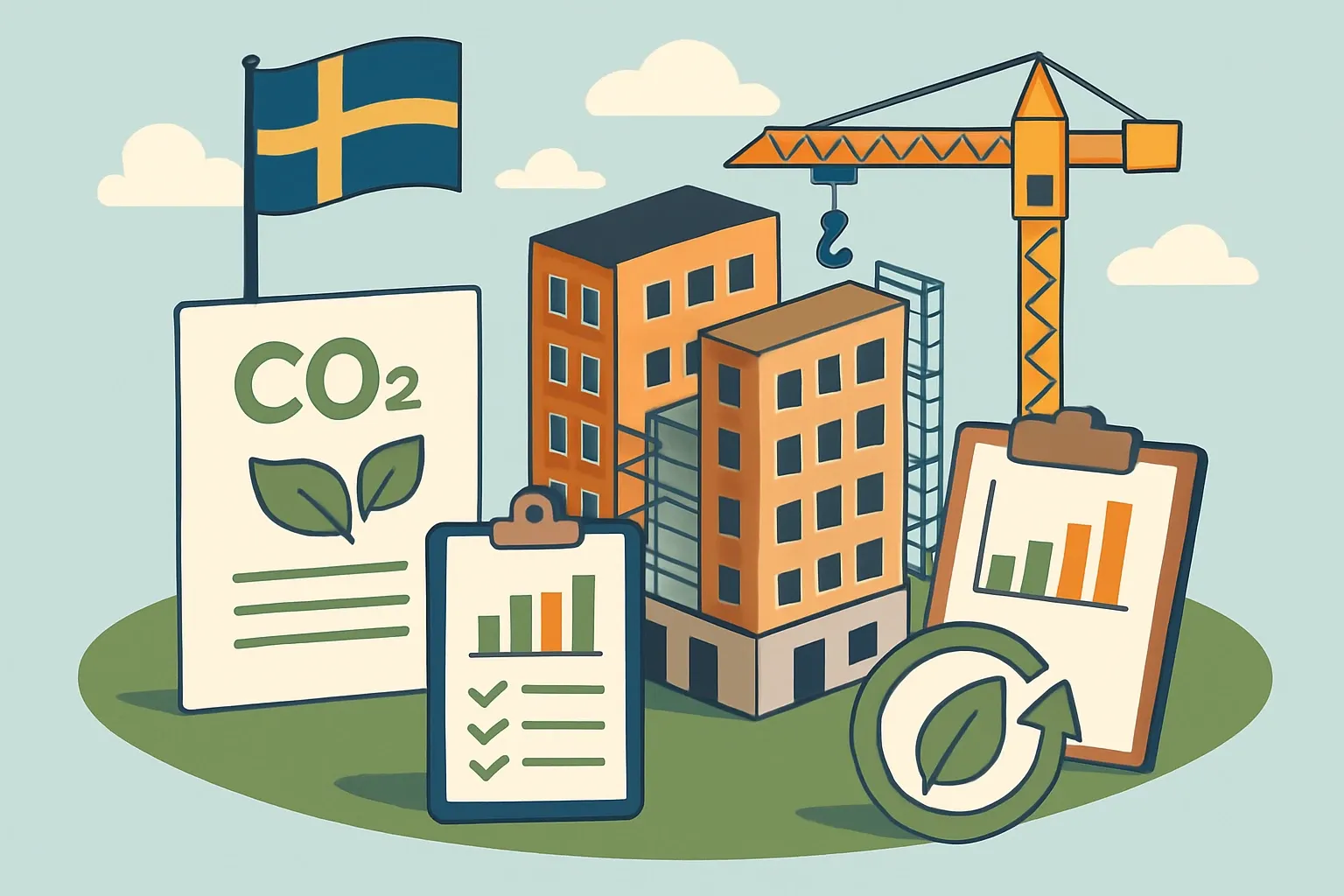
New buildings that require a building permit must submit a climate declaration to Boverket. The rule applies to permits filed on or after 1 January 2022, with exemptions such as buildings under 100 m² and certain industrial or defense uses (Boverket, 2024).
Boverket publishes follow‑ups that show what’s entering the system. By 31 December 2024, 1,765 declarations were registered, and median embodied emissions ranged roughly 96 to 286 kg CO2e per m² GFA across building types (Boverket, 2025).
How the numbers are calculated
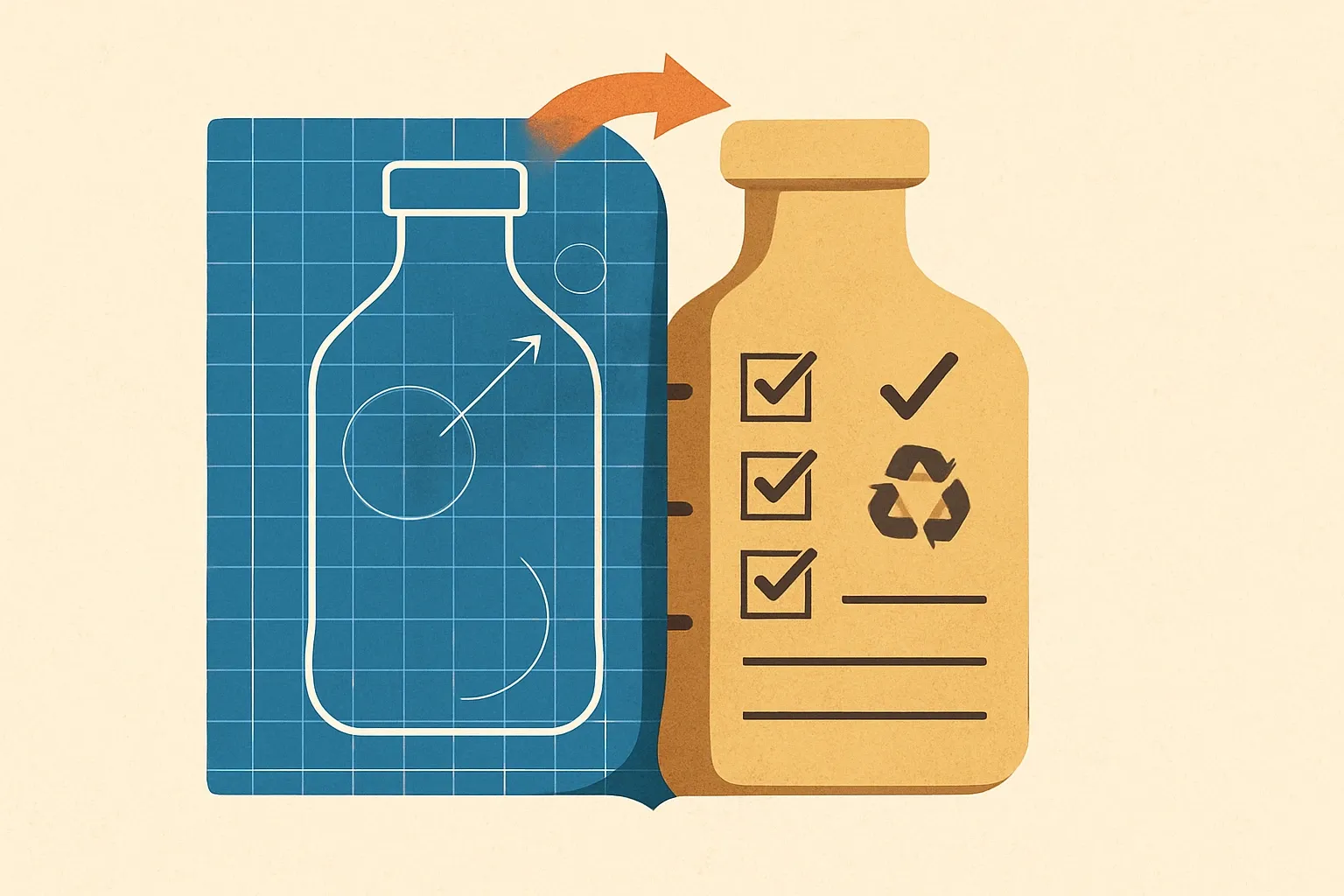
For now, Sweden’s declaration focuses on the construction stage. Developers can use product‑specific EPD data or Boverket’s generic factors. Those generic values are set about 25 percent above average, which nudges teams toward specific EPDs that reflect actual performance and often grade better (Boverket, 2024).
Think of it like playing a video game on hard mode unless you bring your own save file. The database makes sure nobody gets artificially low scores with generic assumptions.
Are binding limits coming
There are no legal limit values today, but Boverket proposed introducing caps as early as 1 July 2025 and expanding the scope in 2027. Proposed A1–A5 caps include 375 kg CO2e/m² GFA for multi‑residential, 385 for offices, 380 for education, 330 for preschool, 180 for single‑family homes, and 460 for other types, tightening every five years (Nordic Council of Ministers, 2023).
Boverket also proposed adding use‑phase energy and end‑of‑life modules starting 2027, plus requirements for certain alterations to existing buildings from 2027 (Boverket, 2023).
Navigating Sweden's embodied carbon rules for project success?
Follow us on LinkedIn for updates that help you stay compliant and win tenders.
Public buyers and infrastructure raise the bar
Trafikverket requires climate reporting in its Klimatkalkyl tool and accepts supplier‑specific emission factors if they are backed by third‑party verified EPDs to EN 15804. It has a staged reduction pathway for projects compared with a 2015 baseline, 15 percent by 2020, 30 percent by 2025, 60 percent by 2030, and 80 percent by 2035, with climate‑neutral infrastructure targeted by 2040 (Trafikverket, 2025).
Since March 2024, Trafikverket has also been phasing in digital environmental data reporting in new procurements. That improves follow‑up and makes low‑carbon choices visible in real time (Trafikverket, 2025).
Where EPDs get published for Sweden
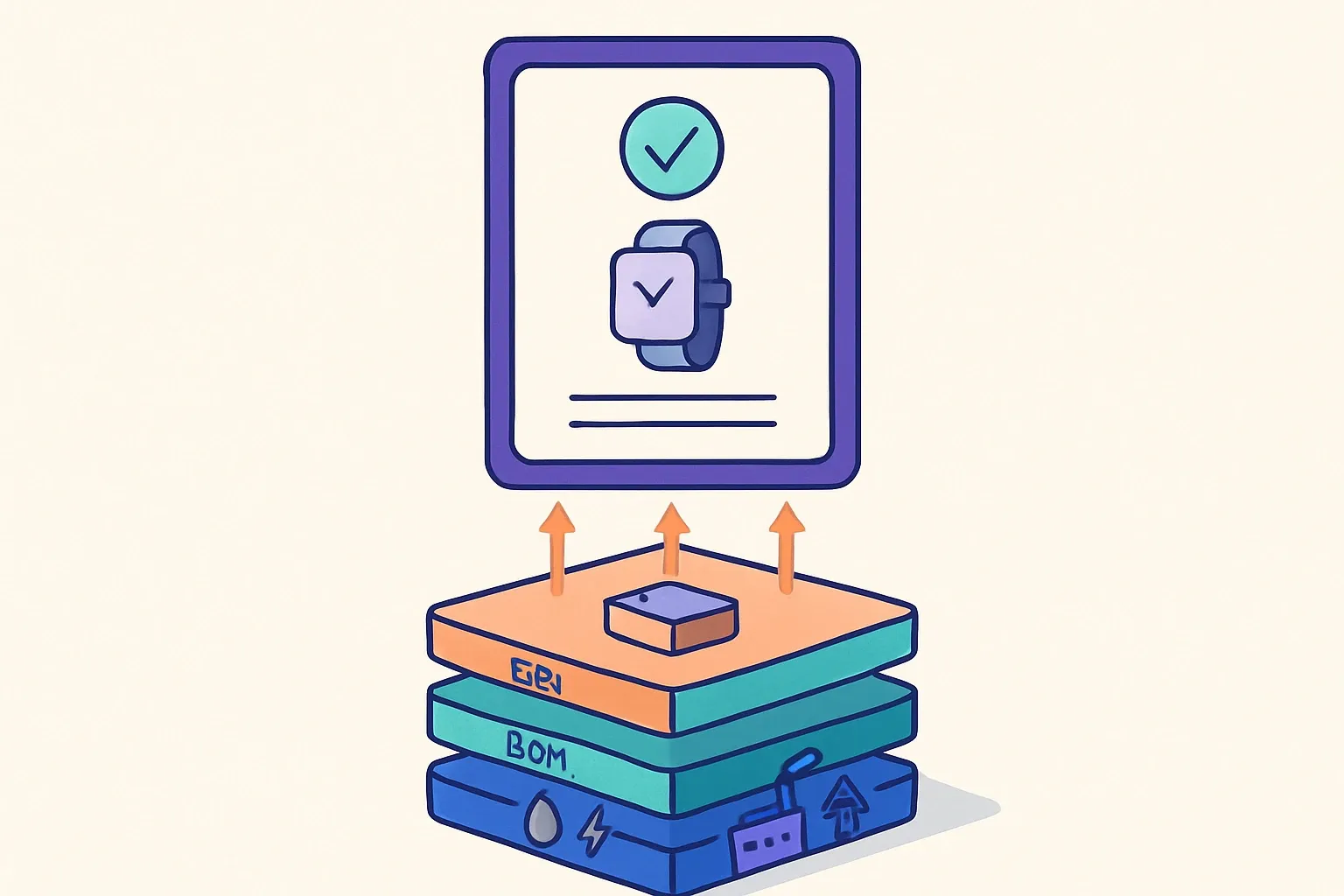
Manufacturers active in Sweden most often publish EN 15804 EPDs with The International EPD System, operated from Sweden by EPD International AB. The programme reported 9,395 EPDs published in 2025, including 252 in fully digital format (EPD International, 2025). It previously announced surpassing 10,000 valid EPDs in 2024 (EPD International, 2024).
This matters because public buyers and design teams can quickly find and use these records. Digital EPDs speed that even further.
Why this changes commercial math
Using Boverket’s generic factors means you start 25 percent “heavier” than the average for many products. A product‑specific, third‑party verified EPD removes that handicap and can reduce the penalty that pushes a spec toward a lower‑carbon competitor (Boverket, 2024).
Sales timelines also benefit. Many municipal and state buyers now expect verifiable product data. Showing an EPD keeps your product comparable and avoids defaulting to pessimistic numbers.
Quick manufacturer checklist for Sweden
- Map which SKUs ship to Sweden or Swedish projects and confirm if a building permit is in play.
- Confirm the relevant PCR and EN 15804 version competitors use to stay comparable.
- Collect plant utilities, fuels, and transport for a recent full year, plus supplier EPDs for energy‑intense inputs.
- Choose a program operator familiar to Swedish buyers and aligned to EN 15804.
- Prepare A4 transport and A5 installation assumptions that reflect Swedish practice so the declaration holds up under review.
Watchouts and timing
Limit values had not been enacted at the time of writing. If adopted, thresholds will likely tighten every five years, which favors early movers with product‑specific EPDs that can be updated on a predictable cadence (Boverket, 2023).
Public procurement criteria are also evolving. The Swedish National Agency for Public Procurement is actively updating climate‑related criteria for buildings, including concrete, which can influence bid scoring in the next cycles (Upphandlingsmyndigheten, 2025).
Put Sweden on your EPD roadmap
Sweden’s framework rewards data you control and penalizes generic placeholders. Bring product‑specific EPDs, align to EN 15804, and be ready for project teams that expect digital reporting. Teams that prepare now spend less time arguing assumptions and more time winning specs.