Draw the line in your CRM
Projects registering on or after July 1, 2026 must use LEED v5 for commercial BD+C, ID+C, and O+M. Keep pre‑registered v4 or v4.1 pursuits active on their own schedules. Document the cutover date in your CRM, pipeline reports, and spec trackers so teams stop pitching v4‑only language after June 30 (USGBC, 2026).
Reframe messaging around one product framework
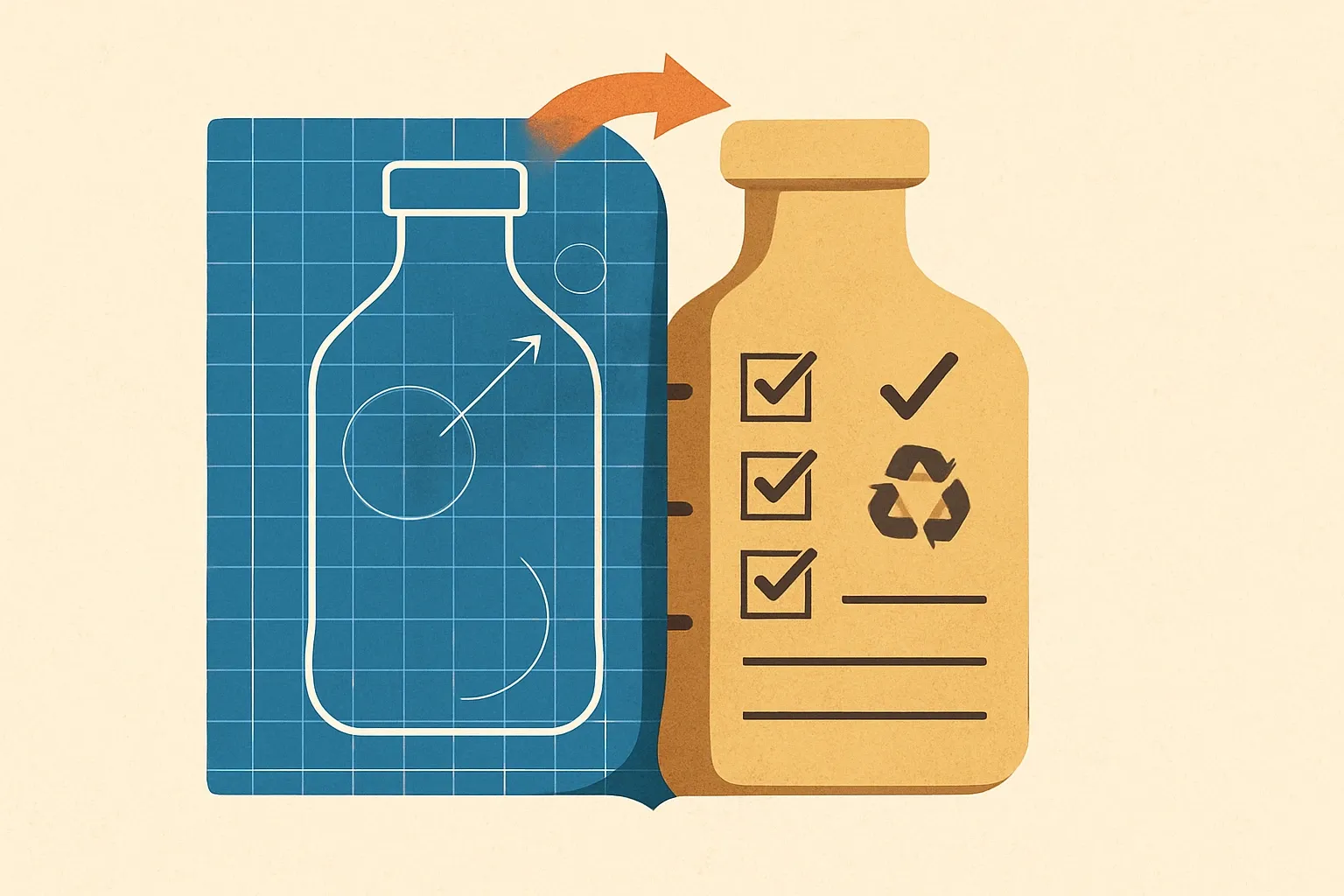
LEED v5 replaces the old split of MR credits with one MR credit called Building Product Selection & Procurement. It evaluates products across five criteria areas (human health, climate health, ecosystem health, social health and equity, circular economy), with achievement levels that add up by product selections (USGBC, 2025). Translate your claims into this language so specifiers see clear alignment with how they now earn points.
Update product pages first, not the brochure
Most buyers land on product pages before they ever download a PDF. Refresh the above‑the‑fold copy, badges, and spec tables to map attributes to the five criteria areas. Keep the v4 and v4.1 terms in a collapsible “legacy projects” note for teams still certifying under older versions. PDFs come next, with concise v5‑first summaries and versioned filenames to avoid stale attachments.
Prevent overclaiming (and headaches)
Retire phrases like “LEED certified product” since LEED does not certify products. Replace with “contributes to LEED v5 MR Credit: Building Product Selection & Procurement” and cite which criteria area and documented program your product meets. Add a one‑line compliance footer that mirrors USGBC’s trademark policy to keep marketing in a safe lane.
Create a one‑page internal FAQ
Give sales and channel reps a short internal note that answers three things. Which credit to mention by name. Which documents to attach. What to say when an architect asks for v4‑specific proofs. Add a micro‑glossary for v5 terminology, including the five criteria areas and common evidence types.
Tune sales scripts to outcomes, not artifacts
Scripts should open with outcomes that mirror LEED v5 themes. Lead with operational and embodied carbon reduction, human impact and indoor quality, and resilience to climate risk. Then point to the evidence that places your product in the correct BPSP criteria area and level. If a rep is still saying “we have an EPD, so we get you a point” the pitch is behind the market.
Prioritize which SKUs to refresh
Rank lines by spec exposure, active pipeline, and differentiation potential within the BPSP framework. High‑spec families with known v5 pursuits get first priority. Products with soon‑to‑expire declarations should be bundled for coordinated refresh to avoid last‑minute scrambles. Typical EPD validity is five years, so plan a rolling calendar by plant and product family where that fact materially affects sales momentum.
Join Parq Pulse!
Stay ahead of LEED v5 updates and compliance insights to win more projects in construction materials.
Refresh documentation with evidence, not fluff
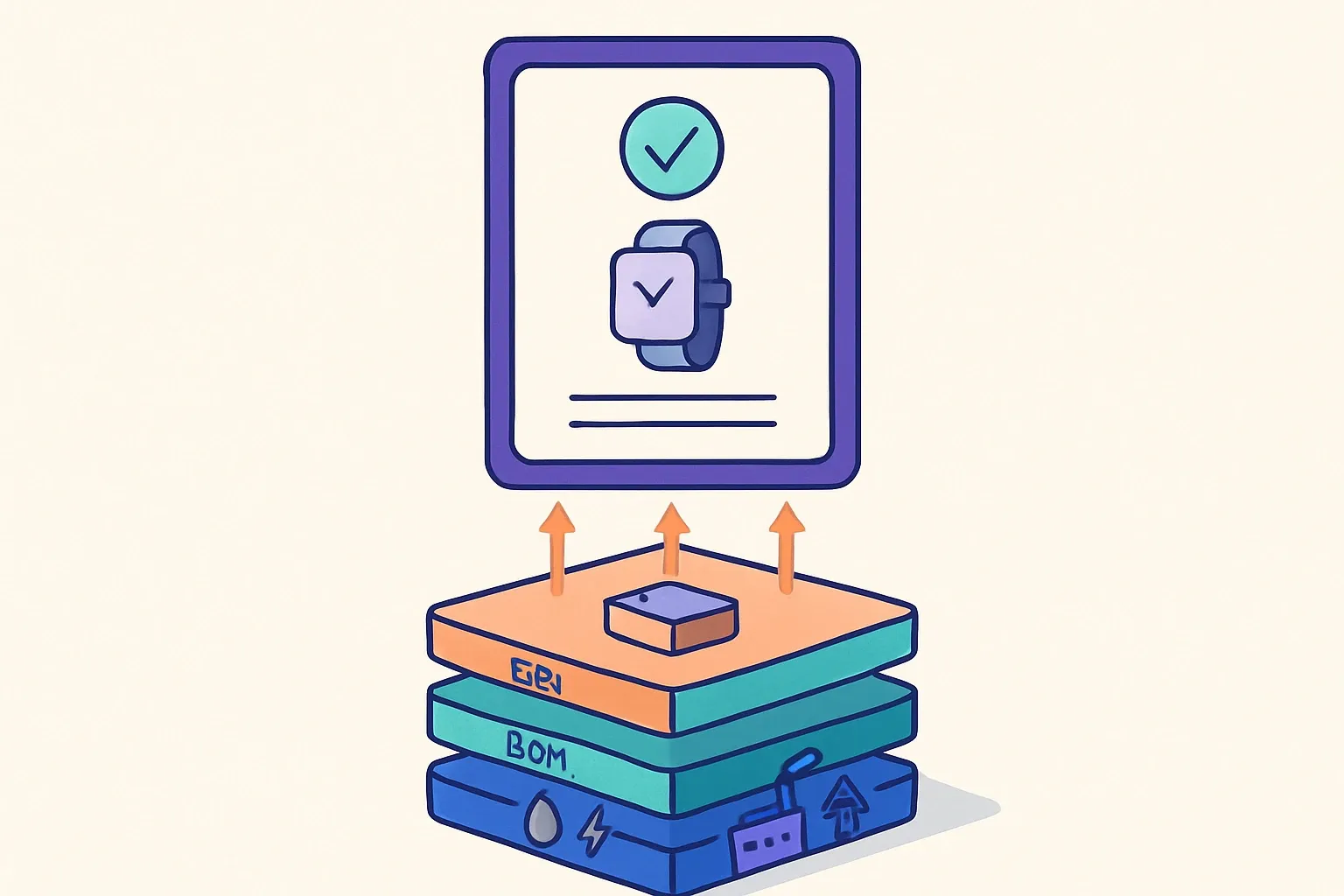
For each prioritized product, collect proof once and repurpose everywhere. Map EPDs, ingredient reports, recycled content audits, chain‑of‑custody, and take‑back proofs to the exact criteria area and level. Put the mapping table inside your reference spec sheet, then mirror it in your web product page and submittal package. Keep a changelog so sales knows what moved.
Coordinate sustainability, product, and marketing in a two‑week sprint
Schedule daily stand‑ups for a short, focused push. Day 1 audit current assets and flag legacy v4 language. Day 3 lock the BPSP mapping per SKU. Day 7 update web pages and master submittal kits. Day 10 hold rep training with a three‑slide deck and two talk tracks. Day 14 QA everything against the credit form so what you claim matches what a reviewer expects.
Train reps to sell the framework
Give two short talk tracks. Track A for projects already registered in v4 or v4.1, focused on legacy credit language and transition options. Track B for new v5 registrations, focused on BPSP mapping and the three big impact themes that owners care about. Reps should be able to answer where teams register projects in v5 versus v4.1 and why that changes document naming and upload paths.
Avoid language traps
Do not promise points for a single product. Do not cite outdated thresholds without checking the current reference guide. Avoid listing every label you have without explaining which criteria area it satisfies. Keep claims specific, short, and tied to an evidence link that a GC or consultant can trust on the first read.
What changed, in numbers that matter
USGBC adopted a five‑year development cycle for LEED, which sets market expectations for future updates and helps plan document refresh budgets on a steady cadence (USGBC, 2025). The MR credit framework uses five criteria areas, so organize your content and submittals to reflect that exact count to reduce review friction (USGBC, 2025). Registration for v4 and v4.1 closes June 30, 2026, so anything new on July 1 is v5 only (USGBC, 2026).
Your two‑week starter checklist
- Freeze the July 1, 2026 cutover in CRM, spec trackers, and sales enablement hubs (USGBC, 2026).
- Publish v5‑first product page updates for your top three spec‑exposed lines, with BPSP mapping.
- Replace any “LEED certified product” phrasing with contribution language and evidence links.
- Ship a one‑page internal FAQ and a three‑slide rep deck. Book 30‑minute trainings.
- Stand up a living register of proofs by criteria area so teams stop hunting PDFs.
Tie it together without adding another PDF
LEED v5 changes how products are judged, not whether they are useful. Organize evidence by the new framework, refresh the few touchpoints that matter most, and teach reps to talk to outcomes. Do this well and teams will recognise product value faster, with fewer back‑and‑forths and more specs won.
USGBC support, registration closing details for v4 and v4.1, 2026