The clock that drives O+M purchases
Registration for new LEED v4 and v4.1 BD+C, ID+C, and O+M projects closes June 30, 2026. LEED v4.1 O+M recertification can register until June 30, 2027, with certification sunsets on June 30, 2032. Translation for manufacturers selling replacements in existing buildings is simple. From July 1, 2026, new registrations default to v5 while legacy projects keep moving on their own timeline. (USGBC certification deadlines, 2026) (usgbc.org)
Recertification cycles shape demand spikes
Under LEED v5 O+M and v4.1 O+M, certifications expire after three years, and projects must submit at least 12 months of recent energy and water data in Arc to recertify. Facilities plan refreshes and replacements around those data windows. If documentation is not ready, the purchase slips or gets swapped. (USGBC LEED v5 Recertification Guidance, 2025) (usgbc.org)
A different buyer than new‑construction
An O+M decision maker often sits in facilities or portfolio operations. They care about interruption risk, like-for-like compatibility, and whether a submittal clears the reviewer on the first try. They prefer ready-to-upload files, not a scavenger hunt across multiple portals. They also buy inside annual budgets and recertificaiton timetables.
LEED v5’s new materials lens changes positioning
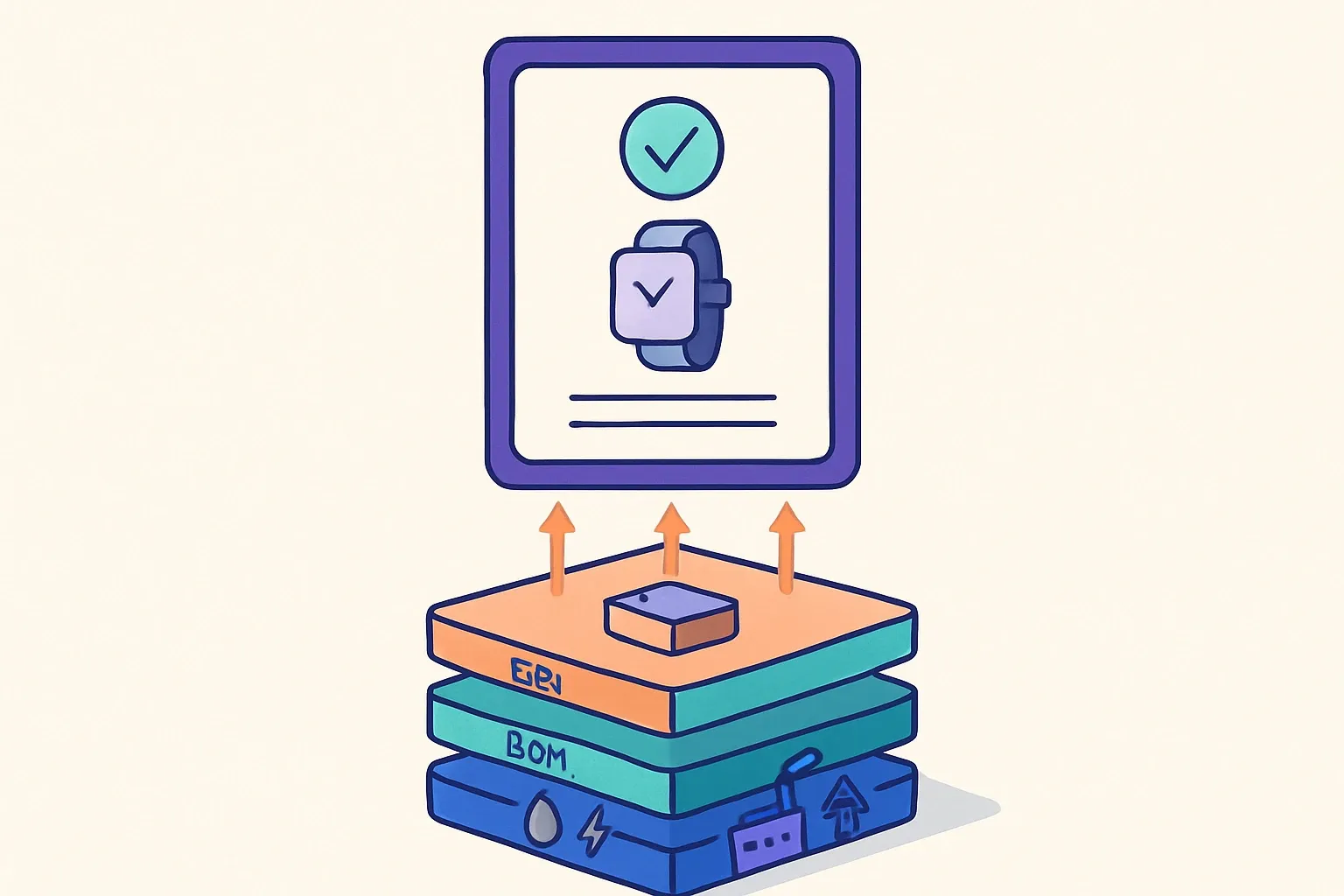
The MR credit Building Product Selection & Procurement (BPSP) replaces scattered, siloed materials conversations with a single, multi‑attribute framework. It organizes evidence into five criteria areas that owners already recognize from industry pledges, then scores products across three achievement levels with multipliers. A product‑specific Type III EPD scores in Climate Health, HPDs cover Human Health, and take‑back or EPR documentation contributes to Circular Economy. An Arc calculator tallies product scores for the credit. (USGBC LEED v5 BPSP Additional Guidance, 2025) (usgbc.org)
What “good” documentation looks like for replacements
Aim for a single, dated package per SKU family that includes: product‑specific EPD, HPD, recycled-content statement, any third‑party labels relevant to BPSP, take‑back policy, and a one‑page compliance summary that maps each document to BPSP criteria areas. Keep filenames stable and version‑stamped. Mirror the product naming the building system uses so a facility tech can find it in two clicks.
Join Parq Pulse!
Stay ahead with weekly insights on environmental regulations and market trends to win more projects.
Be explicit about BPSP scoring
BPSP recognizes levels. Level 1 is a first step and uses a 1x multiplier. Level 2 is optimized and uses 2x. Level 3 is elite and uses 3x. The guidance includes example scores, like a product‑specific Type III EPD counted as 1 in Climate Health, and an “optimized” EPD showing greater than 20% GWP reduction adding more value, with a pathway at greater than 40% GWP reduction plus other impacts reaching the maximum multi‑attribute score of 5. Put these interpretations in your compliance summary so reviewers do not guess. (USGBC LEED v5 BPSP Additional Guidance, 2025) (usgbc.org)
Translate v5 themes for existing buildings
Decarbonization in O+M speaks to electrification‑ready replacements, lower‑leak refrigeration components, and verified embodied carbon improvements where like‑for‑like swaps occur. Quality of life aligns with VOC limits, sound, glare, and cleaning guidance a custodial crew can follow. Resilience shows up as durability, repairability, and supplier continuity during regional events.
Message to the facilities buyer, not the design studio
Drop buzzwords. Lead with downtime avoided, installation guidance, and warranty continuity when swapping legacy parts. Follow with a tight paragraph on how your documentation satisfies BPSP and where to upload it in Arc. Close with a contact route that gets a stamped letter or clarification fast if the reviewer asks.
Internal handoffs that prevent lost orders
Give customer support a prebuilt BPSP packet for each high‑volume replacement SKU and a decision tree for when a project is on v4/v4.1 versus v5. Train reps to confirm recertification dates first, then align ship dates and submittals to the building’s performance‑data cutoffs. Keep sustainability, product, warranty, and logistics in one routing group so responses land in hours, not days.
Where to publish support content so O+M teams actually use it
Put the BPSP packet link on the product page. Add a QR code to install sheets. Include the same files in maintenance kits and in any distributor portal. For portfolios, offer a short spreadsheet that maps building‑level SKUs to the exact document filenames the Arc calculator expects. Small friction cuts win repeat orders.
The 90‑day plan
- Map your top 20 replacement SKUs against BPSP criteria areas and levels, then note gaps. (USGBC LEED v5 BPSP Additional Guidance, 2025) (usgbc.org)
- Build one clean PDF package per SKU family with a dated compliance summary.
- Prewrite the two‑sentence buyer message that explains how to upload into Arc, with the three most likely reviewer questions and answers. (USGBC LEED v5 Recertification Guidance, 2025) (usgbc.org)
- Add a calendar of local client recert windows and plan outreach 120 days prior.
- Rehearse a cross‑team “hot fix” path for missing or expiring docs.
Bottom line for replacement‑heavy manufacturers
LEED v5 pushes materials into a clear product selection and procurement frame, and O+M teams buy on timing and certainty. Packages that score cleanly under BPSP and land in Arc without edits get approved faster. Those that dont wait for the next recert window.