Klimatkalkyl in a nutshell
Klimatkalkyl is the Swedish Transport Administration’s model for calculating life‑cycle climate impact and energy use for roads and rail. The current platform is version 8.0, activated on June 3, 2024, with a functionality update noted on October 18, 2024 (Trafikverket Klimatkalkyl, 2024) (Trafikverket Klimatkalkyl, 2024) (Startportal Klimatkalkyl, 2024). (bransch.trafikverket.se)
Where your EPD fits
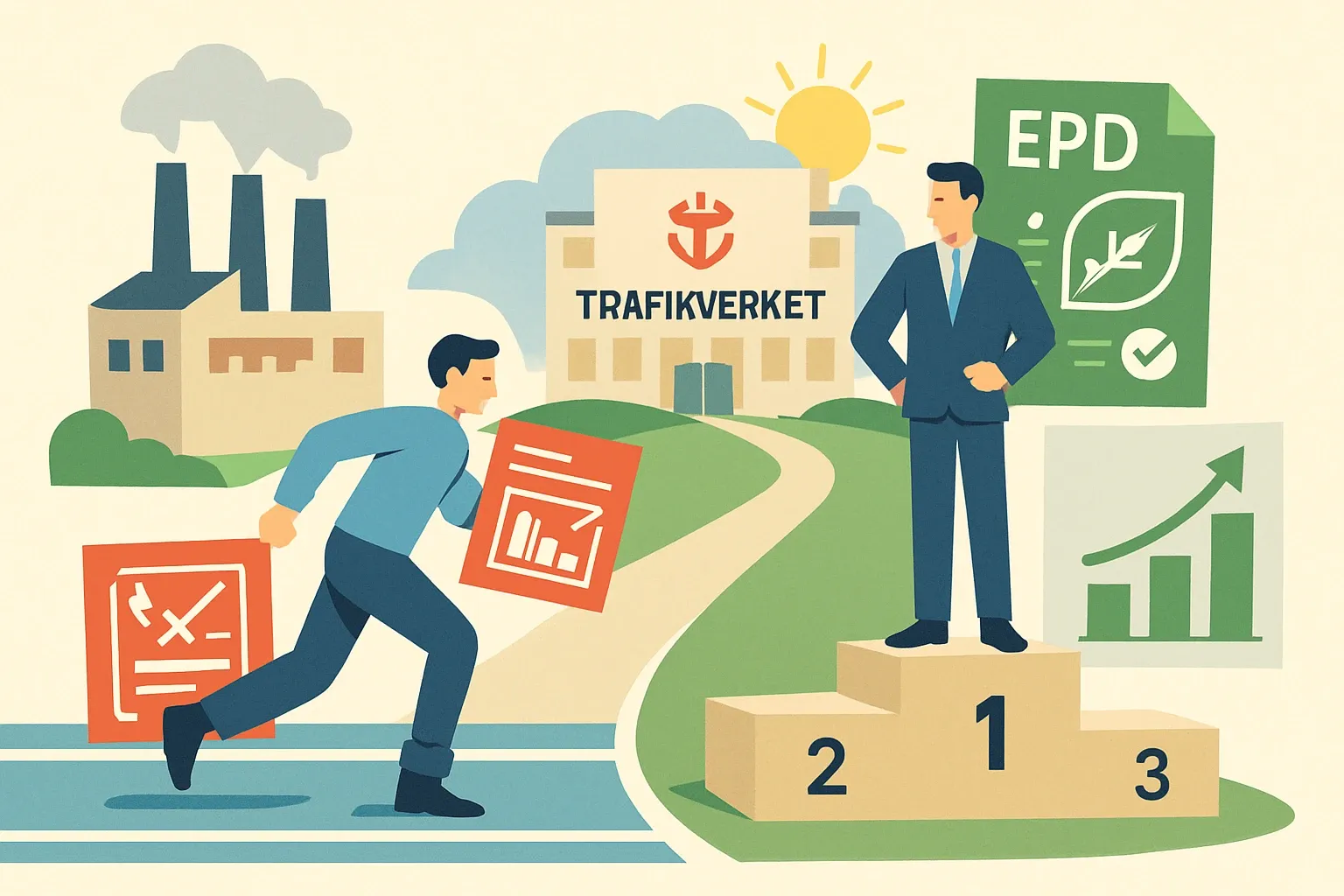
For project‑specific material factors inside Klimatkalkyl, Trafikverket requires verification with third‑party EPDs that follow EN 15804. Two exceptions exist, both tied to already verified EPD tools or already published EPDs (Trafikverket Klimatkrav FAQ, 2025) (Trafikverket Klimatkrav FAQ, 2025). (bransch.trafikverket.se)
How projects are scored
Klimatkalkyl sets an “utgångsläge” baseline for each contract that represents how the project would have looked if built in 2015. The reduction requirement is then measured as a percent improvement against that baseline for the construction stage (Trafikverket Klimatkrav FAQ, 2025). (bransch.trafikverket.se)
Struggling with compliance in your bids?
Follow us on LinkedIn for insights on navigating environmental regulations that can boost your project success.
Why generic data hurts
Generic or overly conservative factors inflate the calculated footprint, which reduces room to demonstrate reductions elsewhere. EPDs replace assumptions with auditable numbers for modules A1–A3, and often unlock credit for A4 transport optimizations and plant‑specific energy mixes. In a close bid, that precision can be the swing vote.
What to prepare before tenders drop
Have plant‑ and product‑specific EPDs ready for your top‑volume mixes and components. Make sure system boundaries and declared unit match the PCR and EN 15804 method Klimatkalkyl expects. Capture logistics data clearly, including lane distances and transport modes. Keep a clear trail for any recycled content or fuel switching so the verifier can sign off fast.
Program operators and publication
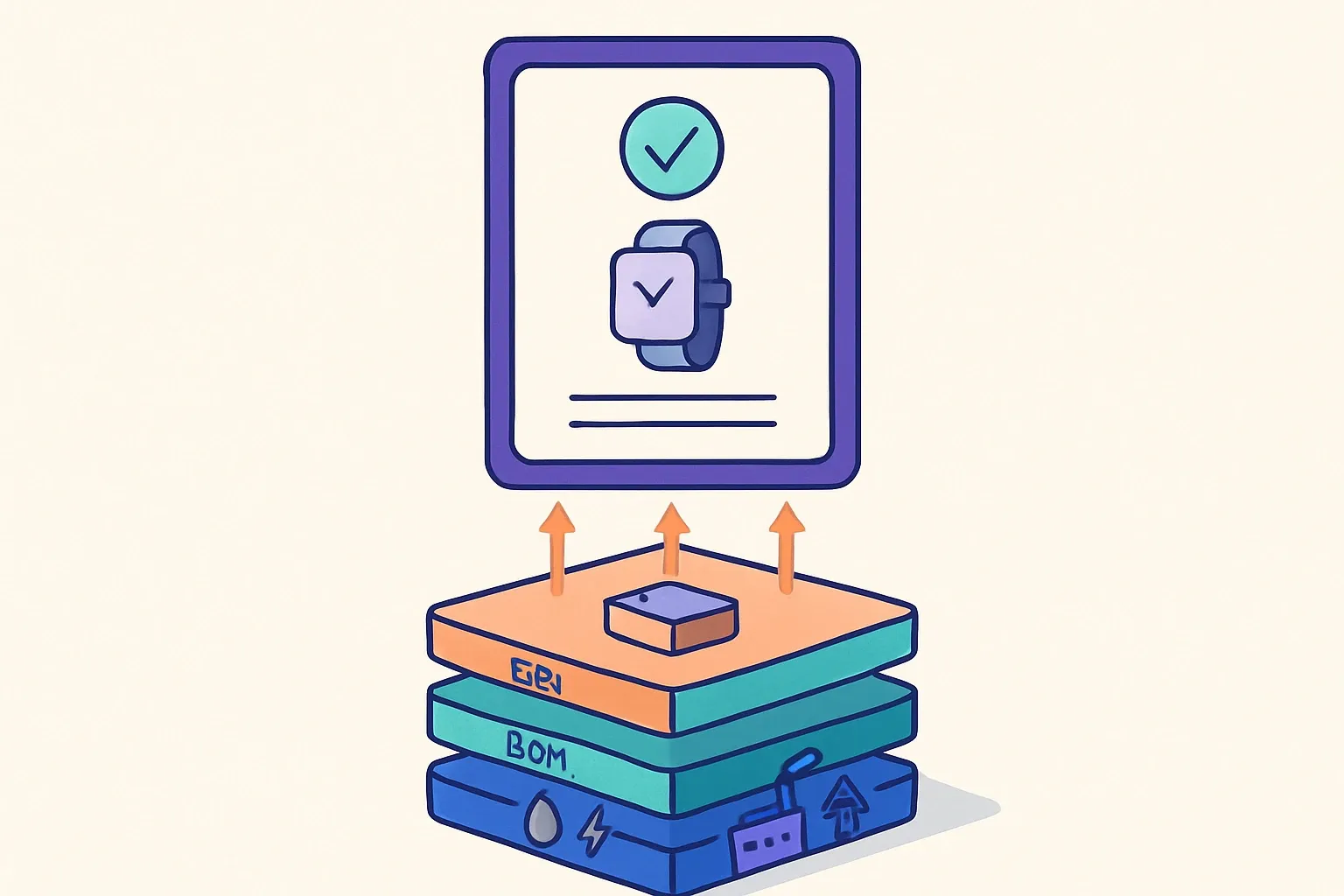
Klimatkalkyl does not act as an EPD program operator. It consumes your third‑party verified EN 15804 EPDs and uses them to set project‑specific factors. Trafikverket notes the tool aligns with EN 15804 but reports only climate and energy at present, which is acceptable for procurement verification while full EPDs remain the external reference (Trafikverket Klimatkrav FAQ, 2025). (bransch.trafikverket.se)
Maintenance matters
Track PCR updates and plan renewals so your declarations stay valid during the active tender window. If you upgrade kilns, swap fuels, or optimize transport, consider an EPD update rather than waiting for the 5‑year mark. Teams that publish once and park it often miss easy wins.
The commercial angle in Sweden
Public buyers aim for climate‑neutral infrastructure by 2040, and Klimatkalkyl is the scoreboard they trust for contracts that move the needle (Trafikverket, 2025). With credible EPDs, you avoid default penalties, cut approval friction, and position flagship products to be chosen more often at specification. Dont leave it to chance when the tool doing the math is public and predictable. (trafikverket.se)