The clock just changed on registrations
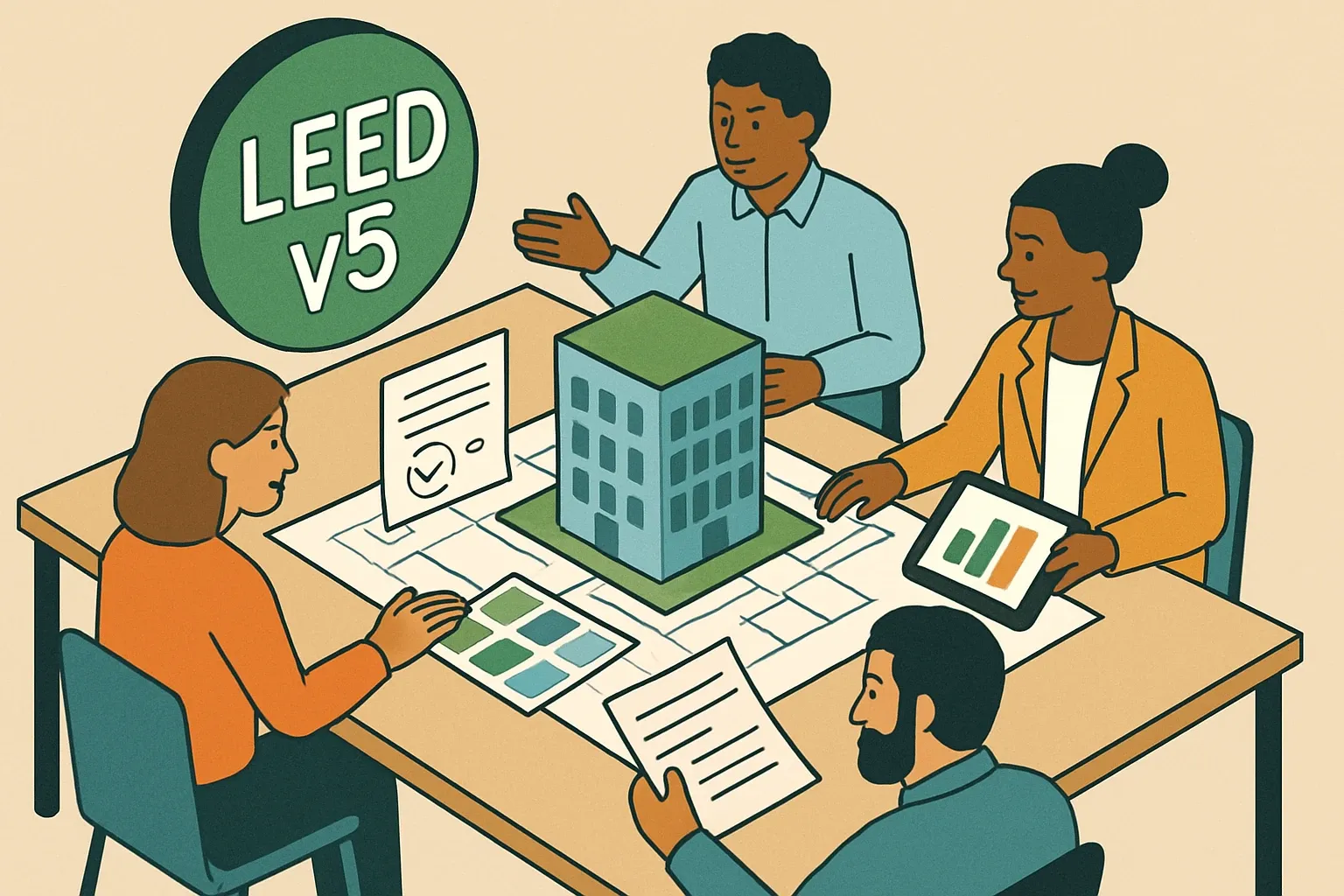
LEED v4 and v4.1 close for new BD+C, ID+C, and O+M registrations on June 30, 2026. Starting July 1, 2026, new commercial projects register in v5, while already registered v4 or v4.1 projects can certify on their own timeline through June 30, 2032 (USGBC LEED certification deadlines, 2026) (USGBC LEED certification deadlines, 2026). This calendar forces earlier coordination on product documentation.
LEED v5 widens the circle
Three headline aims sit on the table every week now: decarbonization, quality of life, and resilience. That brings material decisions into meetings with designers, spec writers, sustainability consultants, materials librarians, project managers, and owners’ reps. The work looks less like “win one MR credit” and more like “prove a product’s total impact story fits the project’s goals.”
Meet the new product playbook
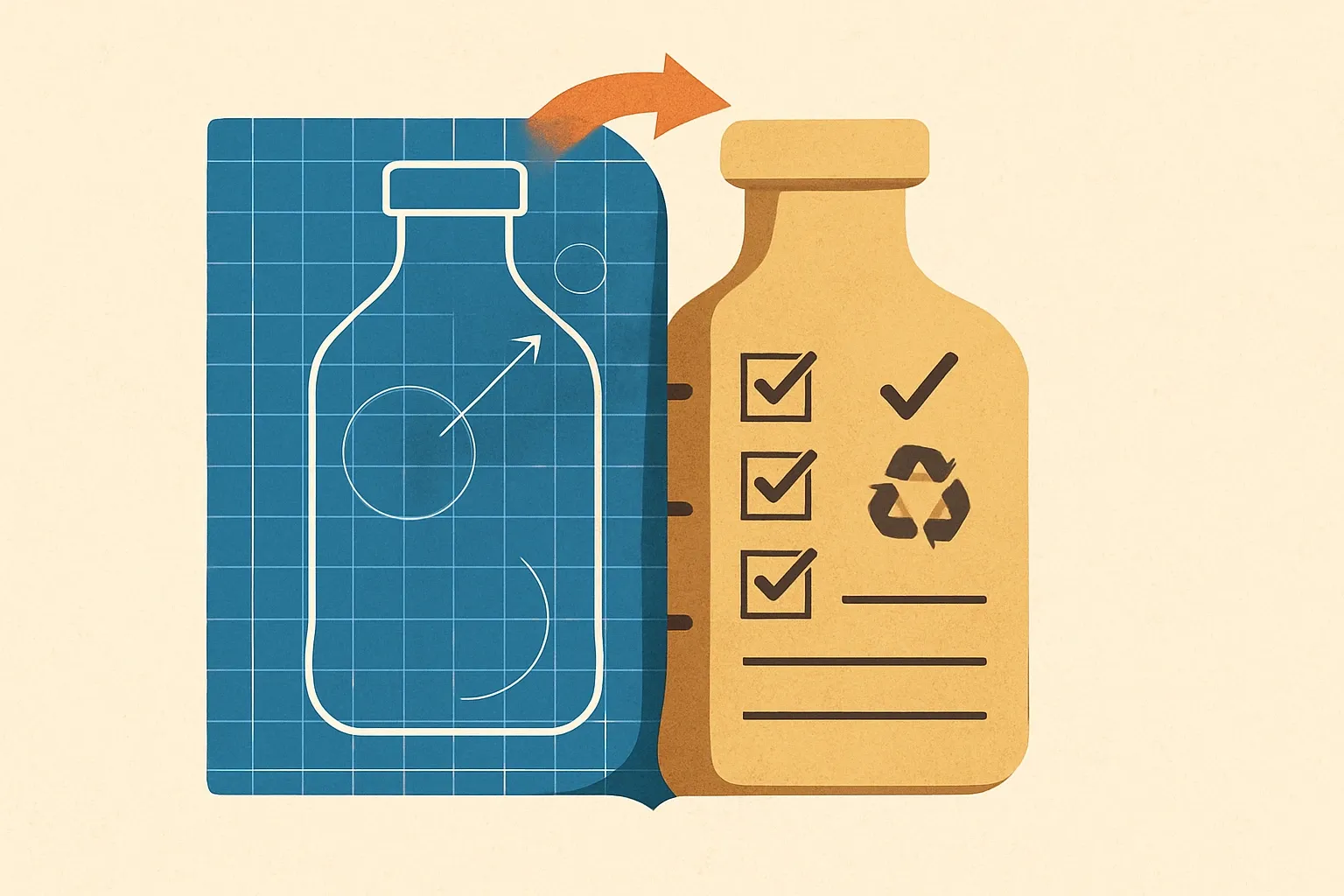
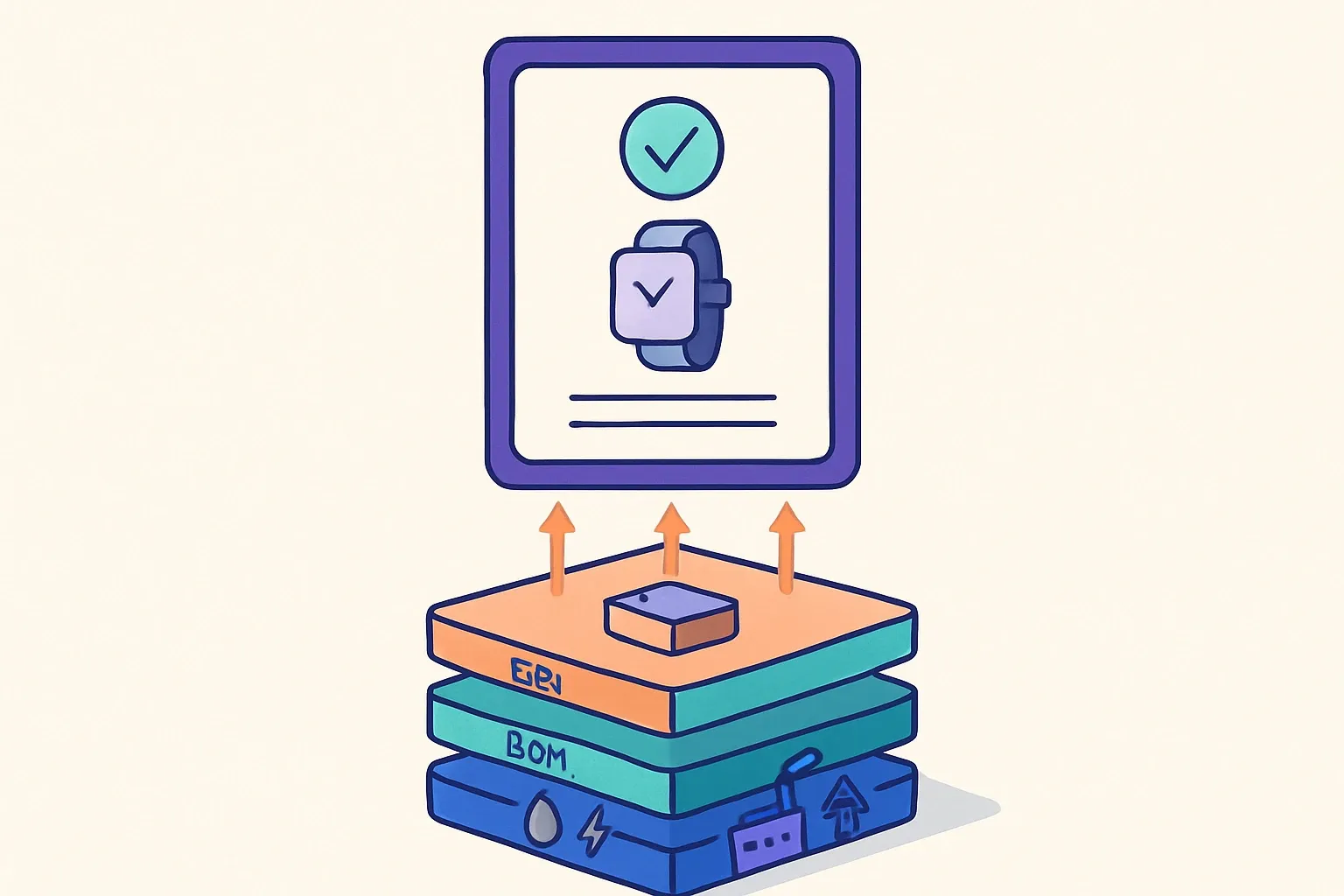
The Building Product Selection & Procurement credit combines prior MR topics into one multi-attribute framework that scores documentation across five criteria areas: climate health, human health, ecosystem health, social health and equity, and circular economy. Products are judged at Level 1, Level 2, or Level 3, with 1x, 2x, or 3x multipliers and a 5x cap on any single product’s multi-attribute score (USGBC BPSP Additional Guidance, 2025) (USGBC BPSP Additional Guidance, 2025). A product-specific Type III EPD contributes to Climate Health scoring, and optimized EPDs contribute more when reduction thresholds are met, all tallied in an Arc calculator submittal (USGBC BPSP Additional Guidance, 2025).
Early vs. late calls inside the firm
Pre-design and schematic design: sustainability lead sets v5 strategy with the project manager and principal. The team picks target achievement levels per major product category and names required documents for each trade. Materials librarian starts a shortlist based on available documentation.
Design development: WBLCA modelers and designers test assemblies while spec writers draft Division 01 requirements for submittal proof. Manufacturers with credible documentation are vetted for availability and logistics.
Construction documents: specs lock minimum documentation and describe substitution rules tied to the project’s multi-attribute targets. The PM aligns buyout timelines to documentation readiness so late submittals do not derail points.
Construction and closeout: submittals push through the Arc calculator data fields. Librarians and sustainability staff verify every document’s validity and scoring. PM tracks risk and keeps alternates ready.
Join Parq Pulse!
Stay ahead of environmental regulations and LEED v5 shifts—get weekly insights to keep your products compliant and competitive.
Where manufacturer outreach fits
First contact belongs in schematic design when the team is setting criteria by category. The most useful packet is a tidy proof set: product-specific EPD, material ingredient documentation, any circularity or EPR evidence, and a one-page map to how each item contributes across the five criteria areas. Offering a prefilled Arc-compatible data sheet saves hours when DD turns to CDs.
Follow-ups work best just before CD issue and again ahead of major buyout. That is when spec writers and PMs decide if alternates hold or if they remove products that cannot document their claims.
Resilience and human impact broaden gatekeepers
Resilience discussions pull in site strategy, envelope, and MEP choices that change material specs. Human impact pushes librarians and health champions to verify hazards at 1000 ppm or 100 ppm depending on the target level, which shifts which coatings, sealants, and finishes make the cut. More people touch the product decision, so the narrative and the paperwork need to cooridination across teams.
Spec writing gets new guardrails
Division 01 now clarifies what counts as acceptable documentation for BPSP and how multi-attribute scoring will be verified. Trade sections point to minimum levels per criteria area, not just “have an EPD.” Substitution language requires equal or higher combined score in the same criteria mix to prevent point erosion.
Materials libraries become data libraries
Librarians are tracking document validity windows and version details so teams do not discover an expired file during submittals. Clear tagging by criteria area and level simplifies design reviews. Many firms are asking manufacturers for a single source of truth PDF and a matching data sheet to drop into the Arc calculator.
Sustainability consultants as air traffic control
Consultants are keeping a live tracker of targeted levels by category, the WBLCA deltas from assembly swaps, and which trades need more documentation to hit the combined score. They schedule quick alignment checks before each pricing milestone and escalate tradeoffs to owners with a simple matrix of points, cost, and risk.
Project managers own schedule risk
PMs build documentation readiness into the buyout plan. They time the last responsible moment for substitutions and ask procurement to confirm that the selected product’s document IDs match the versions in the Arc upload. This reduces rework during reviews.
A two-email play for manufacturers
Email 1 during schematic design: a concise note to the sustainability lead and materials librarian that lists the product’s five-criteria contributions, links to documents, and a downloadable data sheet. Email 2 four weeks before CD issue: a confirmation that the same documents remain valid, with a ready-to-insert spec paragraph and contact for technical questions.
What firms should update now
Set a single owner for the BPSP score tracker and define handoffs at each phase. Standardize the proof set requested from suppliers and add an Arc-ready data template to Division 01 exhibits. Refresh library tags to mirror v5’s five criteria areas. Add substitution language that protects the combined score. Finally, align outreach lists so manufacturers know who to brief first and when to send updates. This is the quiet work that makes LEED v5 projects feel calm instead of chaotic.