Fashion’s compliance crunch is a preview for building products
The same pressures chasing apparel labels toward SKU‑level data are lining up for insulation, paint, cladding, flooring, and fixtures. Regulators want comparable disclosures. Owners want low‑carbon bills of materials. Designers want easy proof at spec time. Think of it like moving from mixtapes to streaming. The playlist is visible, track by track, for every product you sell.
Deadlines you can circle now
The first reports under the EU’s Corporate Sustainability Reporting Directive land in 2025 for the 2024 financial year, which pulls suppliers into structured data requests fast (European Commission, 2025). LEED v5 was ratified on March 28, 2025, and is the active yardstick many owners already specify in contracts (USGBC, 2025). Battery passports become mandatory on 18 February 2027, a concrete signal that Digital Product Passports are moving from concept to enforcement across sectors (EU Regulation 2023/1542, 2027).
Where EPDs and HPDs slot into the new playbook
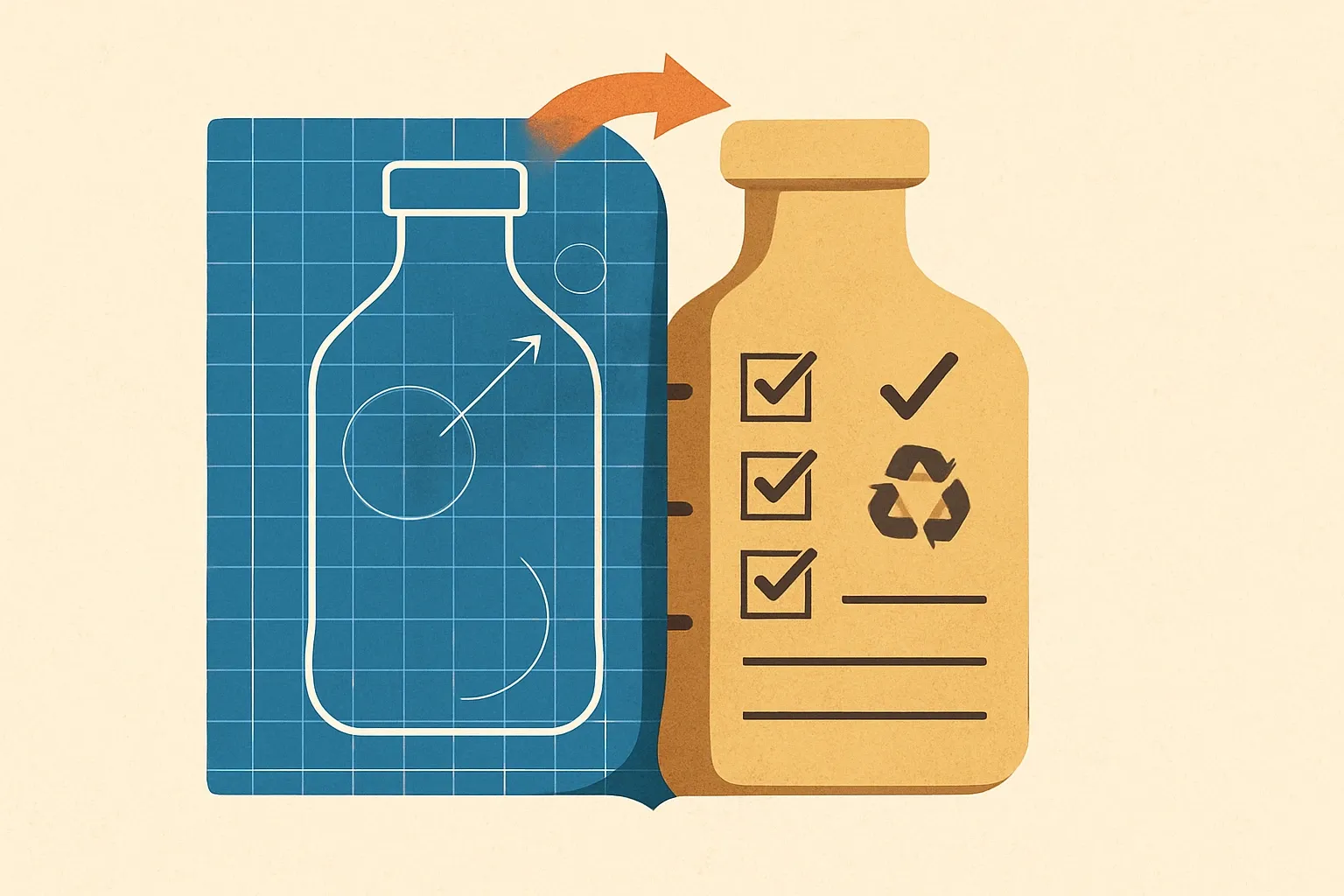
EPDs translate process reality into numbers that projects can compare. HPDs surface ingredient and hazard data in a consistent way that design teams can screen in minutes. Together they cover the two questions buyers ask most often. What is the product’s embodied carbon. What is in it. When the ask turns into a clause, having both on the shelf keeps bids moving.
Join Parq Pulse!
Stay ahead of environmental compliance and win more projects with weekly insights on product transparency and regulations.
LEED v5 quietly boosts the value of product EPDs
LEED v5 awards product documentation scores, with a product‑specific Type III EPD counting toward credit in the materials pathway. That is one point on the table where submittals often hinge on simple proof instead of long narratives (USGBC, 2025).
Construction’s own DPP is warming up
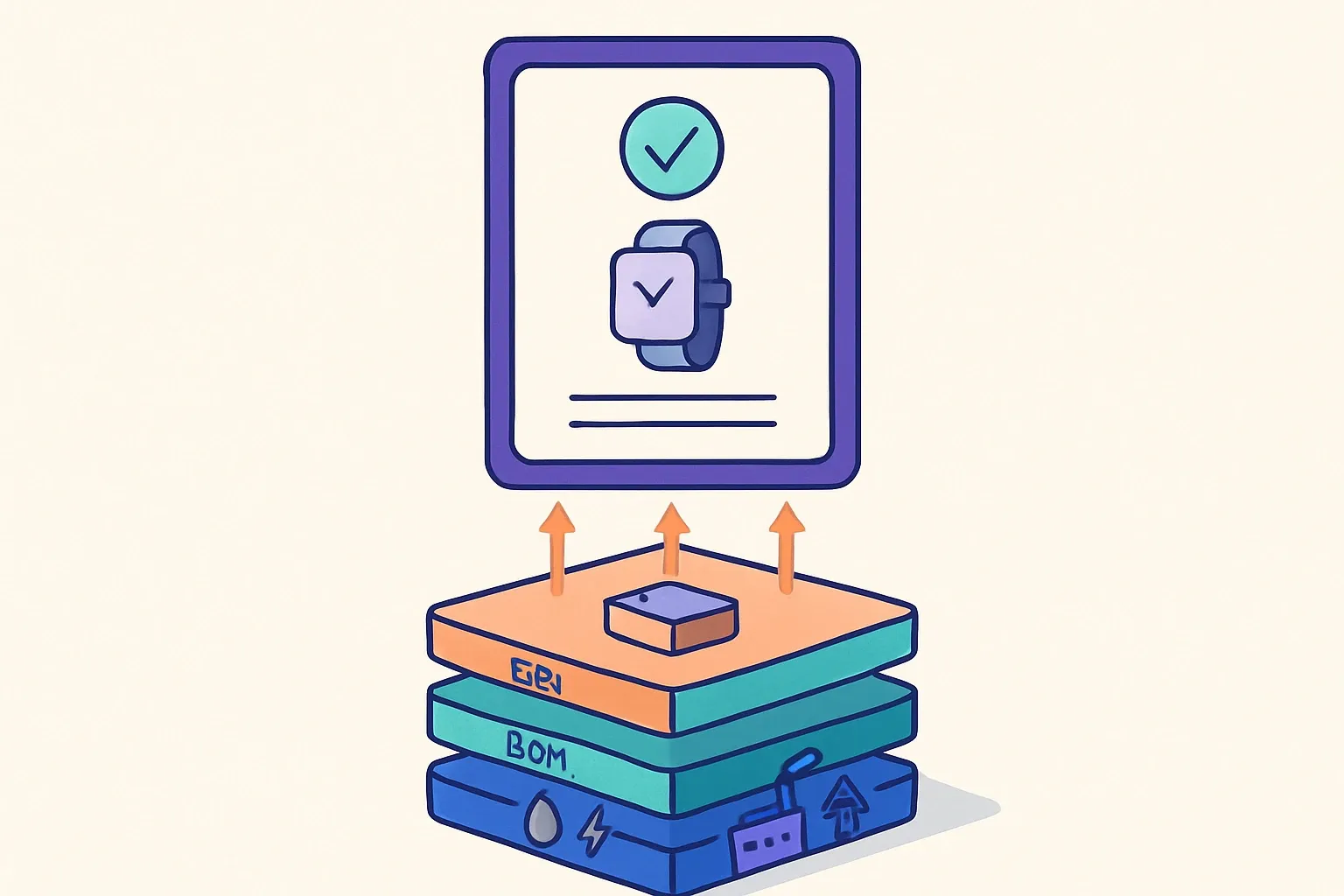
The revised Construction Products Regulation introduces environmental information as part of harmonised product rules, and it opens the door to Digital Product Passports once standards and delegated acts land. Translation for manufacturers. EPD data models and documentation discipline you build now will feed those passports with minimal rework later.
Renewal risk is real, not theoretical
EPDs commonly carry a five‑year validity window under program operator rules, which means expired paperwork can block sales even if the product has not changed materially (IBU, 2025). Mapping renewals to your launch calendar avoids the scramble that chews up margins right before big bids close.
What good prep looks like in practice
Start with a clean reference year and lock your data owners early so nothing hides in inboxes. Pick a partner that handles white‑glove data collection across plants and suppliers so your R&D and plant managers do not live in spreadsheets for months. Publish with an operator that fits your markets so submittals clear on the first pass in the US and Europe.
Procurement reality check
When a product lacks an EPD, project teams often default to conservative assumptions that make your line look heavier than it is. With a verified, product‑specific declaration, you remove that penalty and let your actual performance compete. LEED v5’s scoring reinforces that dynamic by rewarding verified product documentation in the materials track (USGBC, 2025).
The window before full enforcement is your advantage
Compliance waves reward teams that move while requirements are still settling. Capture your data, publish dependable EPDs and HPDs, and set renewal cadences now. You will arrive ready when buyers flip from requests to requirements, and you will do it without heroics in the last mile. That is how specs stick and revenue compounds, not just this quarter but next year too. It is definately worth it.