The Materials category in a nutshell
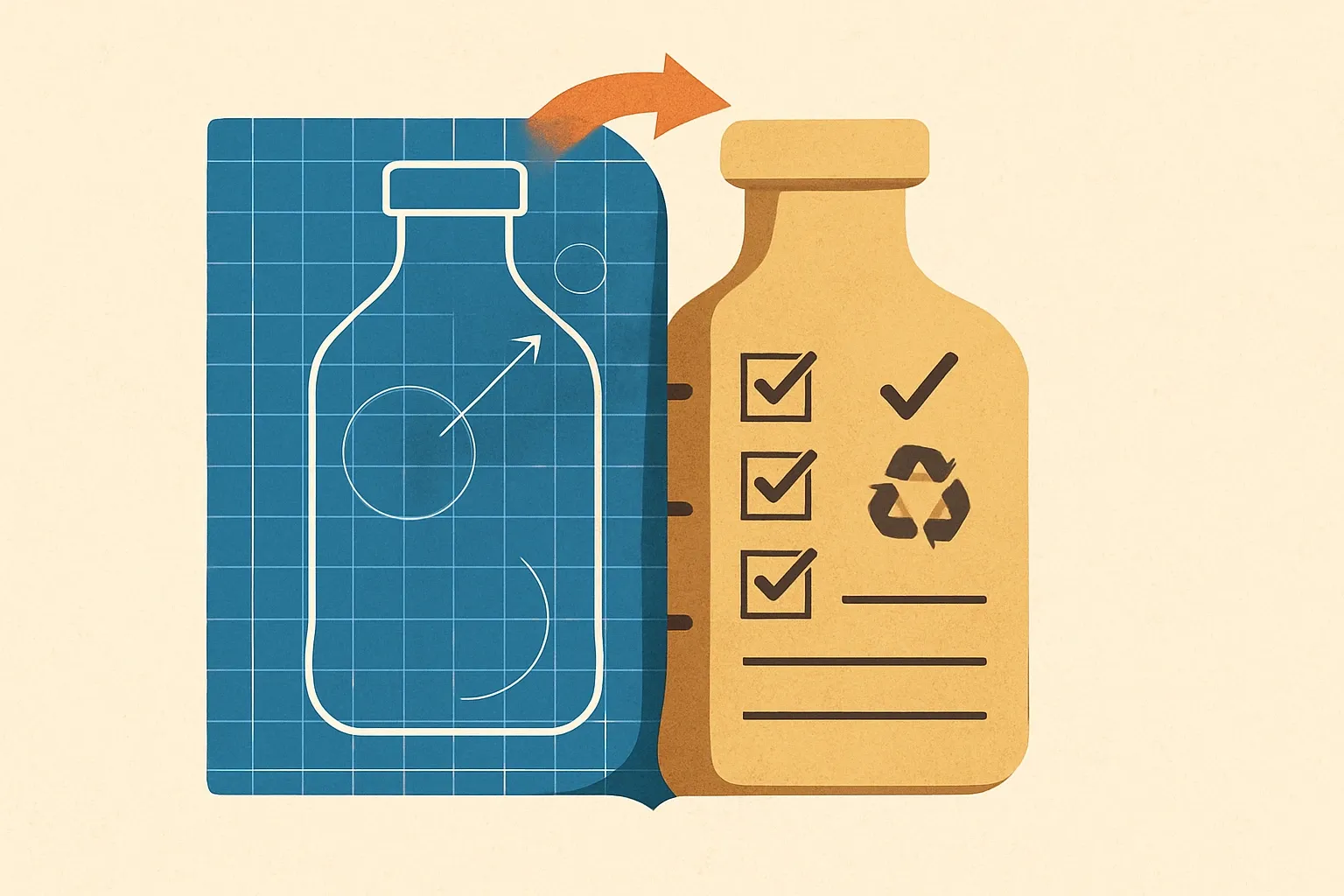
BREEAM awards Materials credits in two main ways. Mat 01 rewards whole‑building life cycle assessment. Mat 02 rewards specifying products backed by verified EPDs. Mat 01 carries up to seven core credits in current guidance, with performance benchmarked against reference models (BRE, 2024) (BRE, 2024).
Mat 01 means modeling the building, not just the product
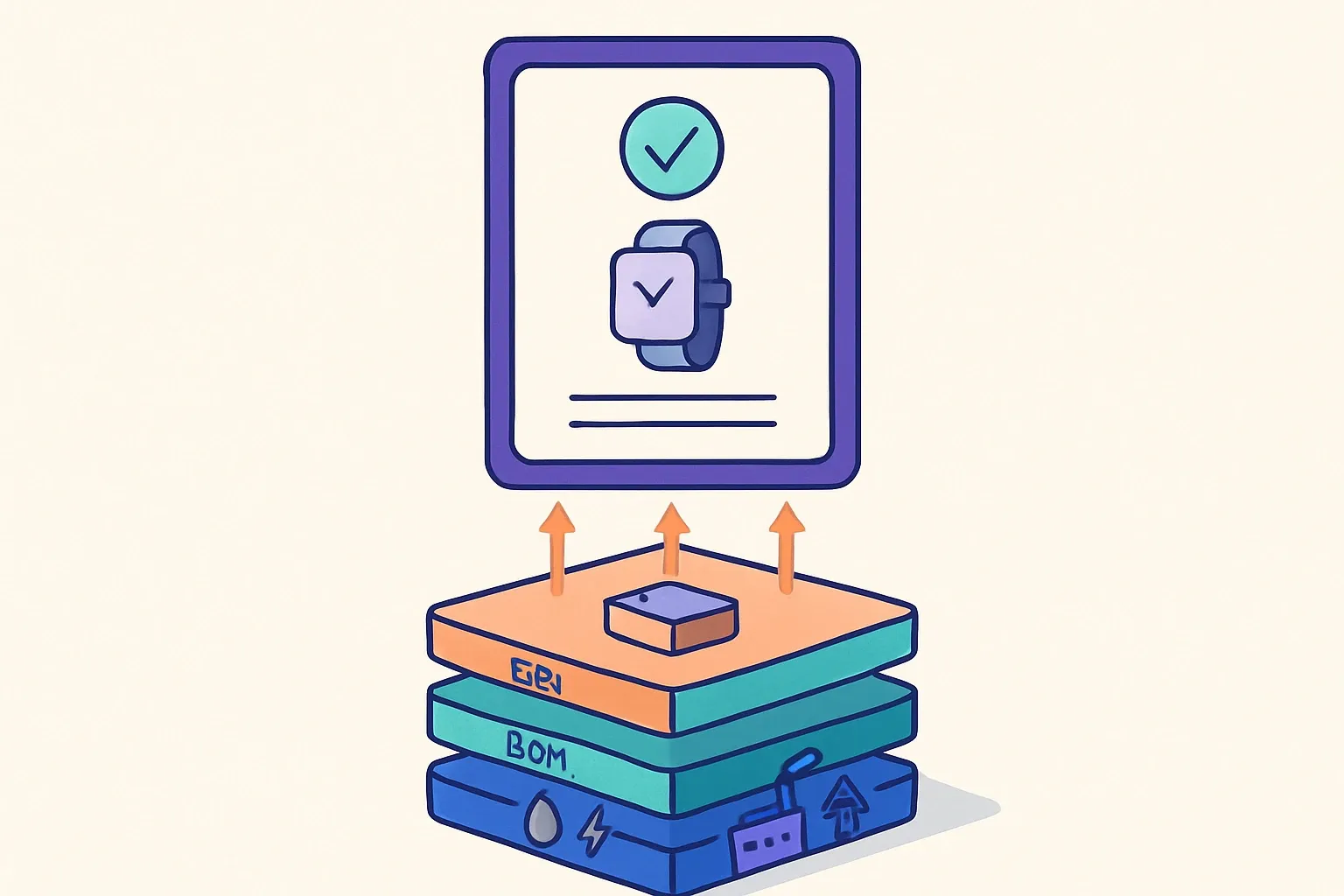
Think of Mat 01 as the movie, not the trailer. Project teams model the entire asset using an approved LCA workflow, then compare options to cut embodied impacts. Your EPD does not earn a standalone point here. It improves the LCA’s data quality and helps the design team demonstrate lower impacts credibly, which makes credits more achievable.
Version 7 is rolling out internationally with a fuller Mat 01 scope that emphasises LCA across design stages and public datasets, so the bar is rising for clear, verifiable product data (Hodkinson, 2025).
Mat 02 is an EPD points game
BREEAM UK New Construction uses a points formula. Product‑specific, third‑party verified EPDs are worth 1.5 points each. Manufacturer‑specific multi‑product EPDs are worth 0.75. Industry averages are worth 0.5. Projects need at least 20 EPD points to secure the credit, and points per material classification are capped at 4 before summing to the total (BRE Technical Manual, 2024).
Some BREEAM communications also describe Mat 02 as awarding up to 1.5 credits when at least 20 products with their own product‑specific EPDs are specified. Scheme wording varies by version and market, so confirm which rulebook a project is registered under (BRE, 2024) (BRE, 2024).
Navigating BREEAM material credits for your projects?
Follow us on LinkedIn for insights that help you unlock compliance and win more tenders.
How many EPDs is “enough” for Mat 02
Because of the 4‑point cap per material classification, stacking points in one category hits a ceiling. A common pattern to reach 20 points is coverage across five classifications at 4 points each, which typically means several product‑specific EPDs per classification. The exact mix depends on whether teams use product‑specific, manufacturer‑specific, or industry‑average EPDs (BRE Technical Manual, 2024).
What makes an EPD count
For Mat 02 and to strengthen Mat 01, an EPD should be product‑specific, third‑party verified to ISO 14025 and EN 15804 or ISO 21930, published by a recognised program operator, and unexpired at the point of specification. Typical validity is five years, and some operators allow a five‑year extension if no significant change occurred (BRE, 2024) (BRE, 2024).
There is no such thing as a “BREEAM‑approved product”
BREEAM certifies buildings. Products do not carry a BREEAM compliance badge. What matters is whether the product’s documentation meets the specific criteria in the scheme registered for that project, especially for EPDs in Mat 02 and data use in Mat 01 (BREEAM Knowledge Base KBCN0925, 2017).
Timing and handoffs that keep credits on track
Supply EPDs during concept and technical design so the LCA model reflects real product impacts instead of generic data. Track expiry dates against the specification and construction schedule. If an EPD is close to expiring, plan the update window so the declaration remains valid when it needs to count. Sounds simple, but it is often missed.
The commercial upside for manufacturers
BREEAM’s footprint keeps expanding, which means more project teams care about your EPDs. BRE reported 2.33 million BREEAM‑registered buildings globally with 610,000 certified as of July 2024 (BRE, 2024) (BRE, 2024). In North America, BREEAM certifications grew 43 percent in 2024, widening the pool of buyers who expect verified product data on day one (BRE, 2025) (BRE, 2025). The ROI is simple. With a product‑specific EPD, you help unlock Materials credits and avoid being swapped for a competing product that does.
Quick answers manufacturers ask
- Do expired EPDs count for Mat 02? No. They must be valid at specification. Plan renewals early so procurement does not stall (BRE Technical Manual, 2024).
- Does a single EPD serve multiple BREEAM schemes? Usually yes if it aligns to ISO 14025 and EN 15804 or ISO 21930, but always check the project’s scheme version and country notes.
- Can industry‑average EPDs carry a project to 20 points? Rarely. They are valued lower in the points table, so teams still need product‑specific documentation to hit the threshold (BRE Technical Manual, 2024).
Turn knowledge into an advantage
Map your catalog to the Mat 02 material classifications, fill gaps with product‑specific EPDs, and share digital datasets that flow cleanly into building LCAs. Do this and design teams will definately see your products as low‑friction choices for BREEAM credits and for credible embodied carbon reductions.