The quick take on EPDs in Serbia
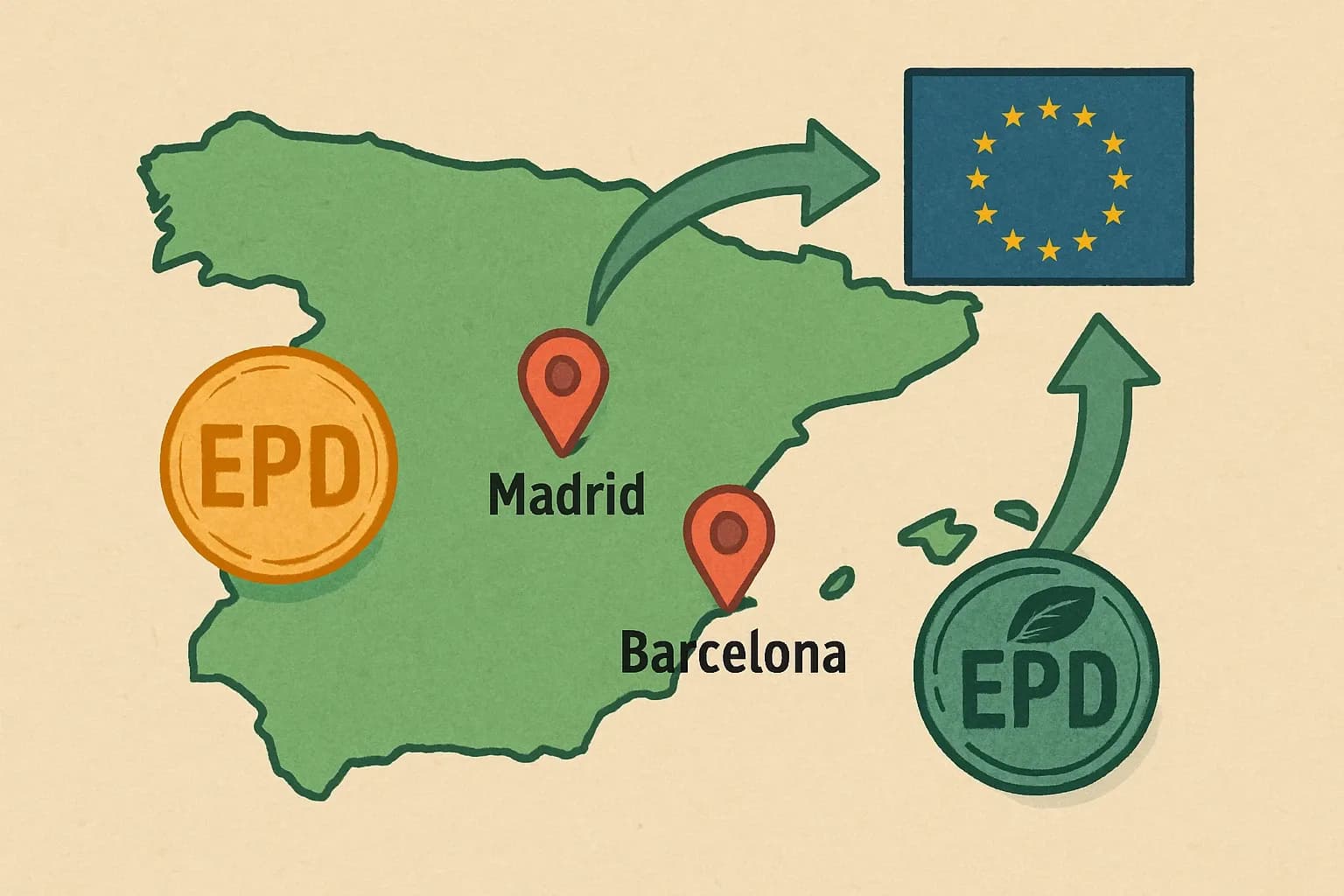
EPDs are not yet mandated across all construction projects, yet they are frequently requested on private builds and programs financed by international lenders. If your products travel across borders, an EN 15804 EPD is the common language buyers expect in Europe.
The rulebook that actually applies
For construction products, EN 15804 is the core reference, paired with ISO 14025 for Type III declarations. Serbia has adopted EN 15804 as SRPS EN 15804:2020, with the current national edition effective since 24 September 2024 (Institute for Standardization of Serbia, 2024) (ISS, 2024). That means Serbian manufacturers can follow the same format buyers know in the EU single market.
Where Serbian manufacturers usually publish
Most companies in the region publish with European program operators recognized by specifiers. Common choices include The International EPD System, IBU in Germany, GlobalEPD by AENOR, and EPD Italy. North America‑facing lines sometimes add a UL‑published EPD for familiarity. The right home depends on target markets, fee structures, language preferences, and digital listings such as ECO Platform.
CBAM is the external pull you can’t ignore
Exporters of cement, steel, aluminum, fertilizers, hydrogen, and electricity into the EU must report embedded emissions during the transitional period and will begin paying via CBAM certificates from 1 January 2026 (European Commission CBAM, 2025) (European Commission CBAM, 2025). An EPD is not a CBAM filing, but the verified LCA behind an EPD gives you credible, auditable data that aligns methods across customers.
Ready to compete in the EU market?
Follow us on LinkedIn for insights on EPDs that help you meet regulations and win tenders.
PCRs and how to pick one without overthinking it
A PCR is the rulebook of Monopoly. Ignore it and the game falls apart. The practical move is to check which PCR your closest competitors use, confirm it aligns with EN 15804, and verify its revision timeline. If a niche PCR does not exist, a generic construction products PCR often fits until a better match emerges.
Data you will actually gather
Plan around a single reference year. You will need plant‑level utilities, fuel types, production volumes, scrap and rework, inbound transport distances by mode, packaging, and the bill of materials per product. Background datasets come from recognized LCA databases, with clear documentation. For brand‑new lines, a prospective EPD can start with several months of data, then be refreshed once a full year is available.
Timelines, validity, and renewals
Verification lead times are measured in weeks for a clean submission. Once published, most construction EPDs remain valid for five years before a new verification is required (IBU, 2024). If the underlying PCR updates mid‑cycle, your current EPD stays valid to its own end date, then the renewal must use the new PCR version.
Serbia‑specific wrinkles worth noting
Language rarely blocks progress. English‑language EPDs are widely accepted, and operators often allow a bilingual summary page. Many Serbian plants supply both EU and Western Balkans projects, so one EN 15804 EPD can support multiple buyers with minimal tailoring. Keep an eye on client requests that reference “Serbia EPD requirements” or “EN 15804 Serbia” since they usually point to the same European templates you already plan to follow.
Commercial upside that shows up in bids
Procurement teams face penalties when they cannot document embodied carbon with third‑party‑verified data, so products carrying a current EPD tend to stay on shortlists. The cost of an EPD is typically dwarfed by one mid‑sized project win, a fact teams miss because they rarely see the projects they never got invited to. The payoffs is real when sales can share a link, not a promise.
Picking your program operator and LCA partner
Choose an operator your target customers already trust, check whether it provides machine‑readable outputs, and confirm how it handles portfolio EPDs. Then pick an LCA partner that does the heavy lifting on data collection and project management so your R&D and plant leads are not stuck in spreadsheets. We prefer to be white‑glove and ruthlessly efficient on data wrangling because that is what collapses timelines without cutting quality.
From search to spec reality
If you are typing “EPD Serbia” today, map the two or three product families that drive most revenue, confirm their PCR path, pick the operator that matches your markets, and lock the data plan with plant managers. Get one EPD live, then scale to the rest of the line with the same template. It is like leveling up in a game. Same controls, faster clears, better loot.