What an “EPD in Denmark” really means
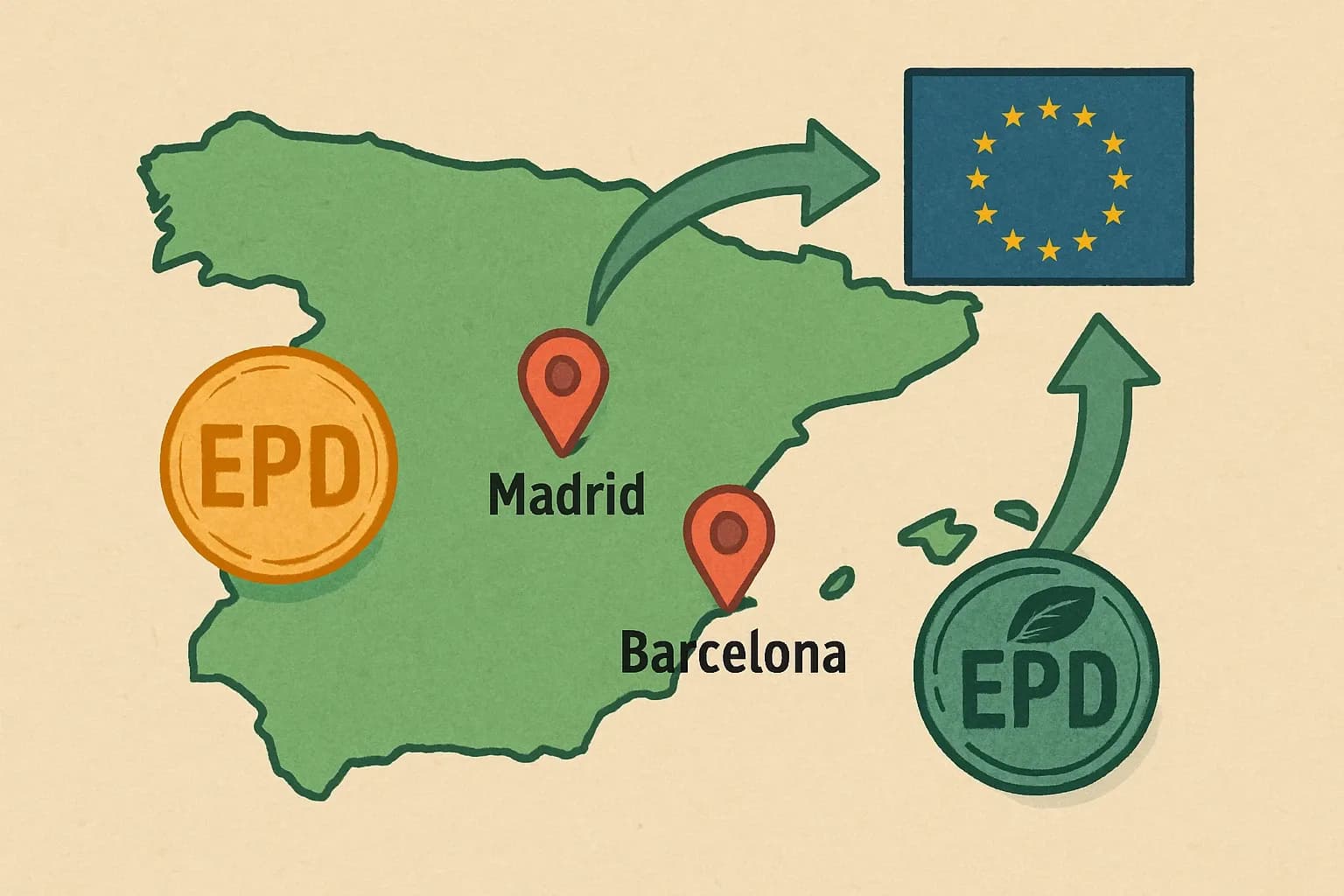
In Denmark, an Environmental Product Declaration for construction follows EN 15804 and is third‑party verified before publication. Most teams publish under an ECO Platform member so data is recognized across Europe. EPD Danmark is the national program operator, and many Danish projects also accept EPDs from peers like EPD International, IBU, or BRE as long as they meet EN 15804 and are verified.
Why EPDs matter more after July 1, 2025
Since January 1, 2023, new buildings over 1,000 m² must document an LCA and stay below 12.0 kg CO2e per m² per year until June 30, 2025 (Social‑ og Boligstyrelsen FAQ, 2025). From July 1, 2025, Denmark introduces differentiated caps that cover more building types and include the construction process as a separate limit. The average cap across types lands at about 7.1 kg CO2e/m²/year (EEA Circularity Metrics Lab, 2024).
The actual caps you must design to
From July 1, 2025, example limits include 6.7 for single‑family and row houses, 7.5 for apartments and offices, and 8.0 for institutions. There is also a separate 1.5 kg CO2e/m²/year cap for the construction process itself, which must be met in addition to the building cap (Social‑ og Boligstyrelsen FAQ, 2025). Unheated buildings over 50 m² and holiday homes are now included, with smaller holiday homes capped at 4.0.
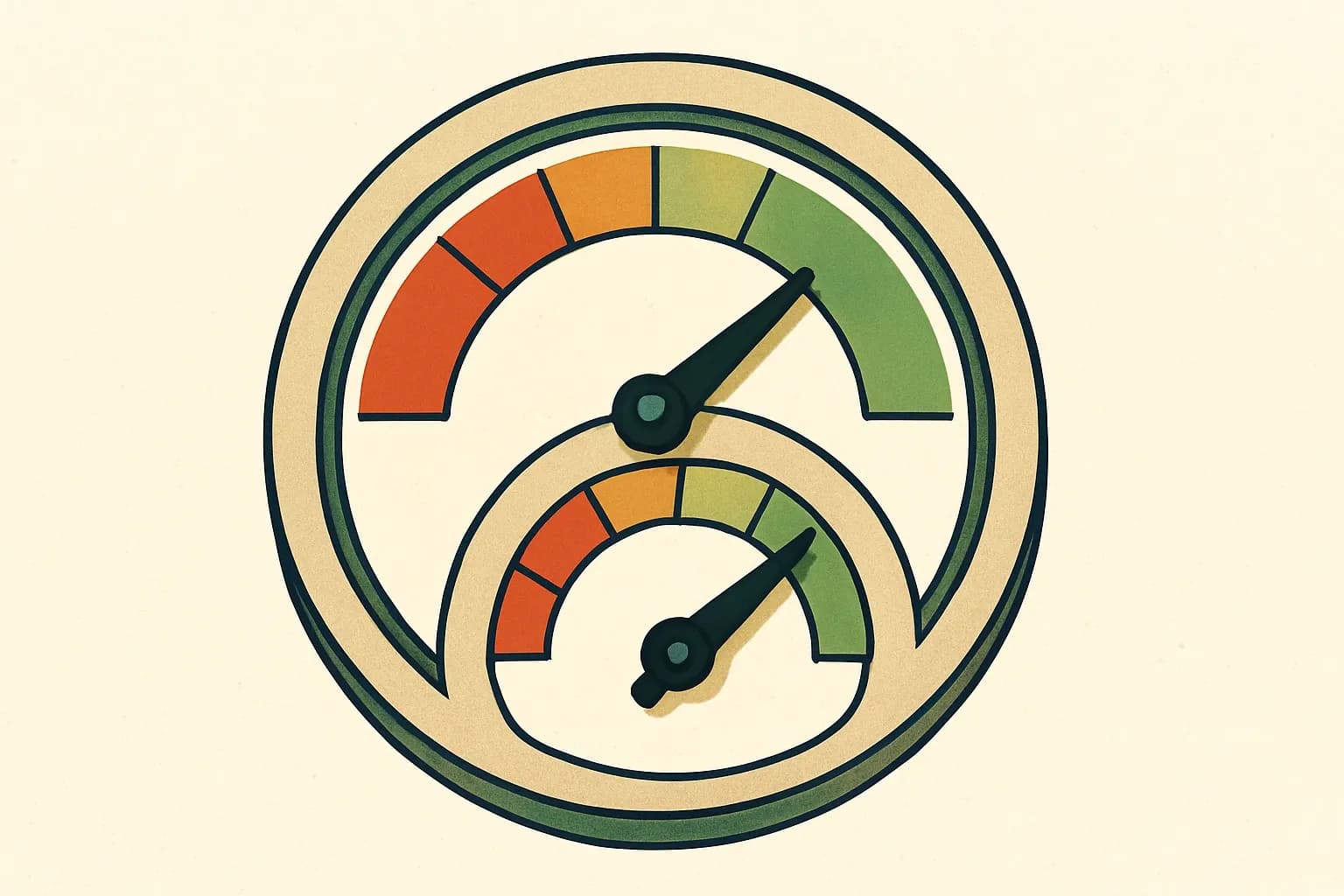
Think of it like a two‑score video game. You need a high score on the building performance and a separate high score for the site works. Miss either and you fail the level.
Where to publish an EPD used in Denmark
EPD Danmark offers Danish‑language process and local familiarity. Its program instructions reference ISO 14025 and outline verifier competence and independence. Publication with other ECO Platform programs is also common when schedules or portfolios already sit elsewhere. When choosing a program, prioritize verifier quality, EN 15804+A2 conformance, machine‑readable outputs, and lead time. Fees vary by scope and are negotiated case by case.
Is your product ready for the Danish EPD landscape?
Follow us on LinkedIn for updates that help you meet regulations and secure more tenders.
LCA tooling you will encounter
Design teams often use LCAbyg, a nationally available tool maintained by Aalborg University’s BUILD group, to model projects against BR requirements. The latest versions support the mandatory climate calculations used in permitting and provide resources for calculating the construction process modules A4 and A5 (LCAbyg, 2024). If your product’s EPD is cleanly structured and includes transport and packaging options, teams can model you faster.
What “good” looks like for manufacturers
- Provide a product‑specific, third‑party verified EPD under EN 15804+A2. Generic data pushes project LCAs toward conservative assumptions.
- Include multiple declared units if relevant, realistic transport scenarios into Denmark, and guidance for end‑of‑life routing. Small details shave points when caps are tight.
- Keep an eye on expiry windows. Any valid EPD works commercially, yet staying clear of renewals during bid season avoids avoidable panic.
PCRs in the Danish context
Most building products use EN 15804+A2 as the core PCR. Where a product‑specific PCR exists, competitors usually converge on it. A smart LCA partner checks which PCRs peers use, pending revisions, and the operator you prefer for publication. If no specific PCR exists, a generic construction materials PCR can still get you into projects quickly.
How the caps influence spec decisions
Teams in Denmark must submit LCAs to get permits, and building types now carry defined CO2e budgets. A product without a compliant, transparent EPD increases the risk of hitting the cap, so it is more likely to be swapped for one with a dependable declaration. An EPD reduces friction at precisely the moment when a project manager is most allergic to surprises.
Execution playbook manufacturers can run
Start with the data year you can confidently document, usually the most recent full fiscal year. Align factory energy, raw material mixes, scrap, and packaging. Map transport into Danish distribution. Decide the operator and language needs early. We recommend planning verification slots in parallel with data collection so publication timing matches tender windows.
Denmark‑specific watch‑outs
Construction process emissions must be documented separately, and the 1.5 cap applies regardless of building type (Social‑ og Boligstyrelsen FAQ, 2025). Expect periodic tightening in 2027 and 2029, with the average cap targeting 6.4 then 5.8 respectively (EEA Circularity Metrics Lab, 2024). If a project uses LCAbyg, confirm that your EPD’s impact data aligns with the EN 15804+A2 indicators the tool expects, especially for A1 to A3.
One more thing about “EPD Denmark” searches
Many searches mix “EPD Denmark” and “EPD Danmark.” Both point to the same landscape, just different language. What matters is credible data, verification, and a format that design teams can use without a dozen emails. Get those right and you are already easier to specify.
Closing thought
Denmark has made carbon math a building permit issue. That turns EPDs into real commercial levers, not just PDFs. Move early on data, pick a solid operator, and give project teams the tidy datasets they crave. It is definately the difference between being considered and being copied out of the spec.