What an EPD means in Poland
An Environmental Product Declaration is a Type III label built on ISO 14025 and EN 15804. In practice, that means product LCAs structured to the same rulebook that architects, contractors, and public buyers can trust. Since the transition period ended, program operators in Europe publish new construction EPDs to EN 15804+A2 only, not the older +A1 format (IBU, 2025).
Who operates EPD programs in Poland
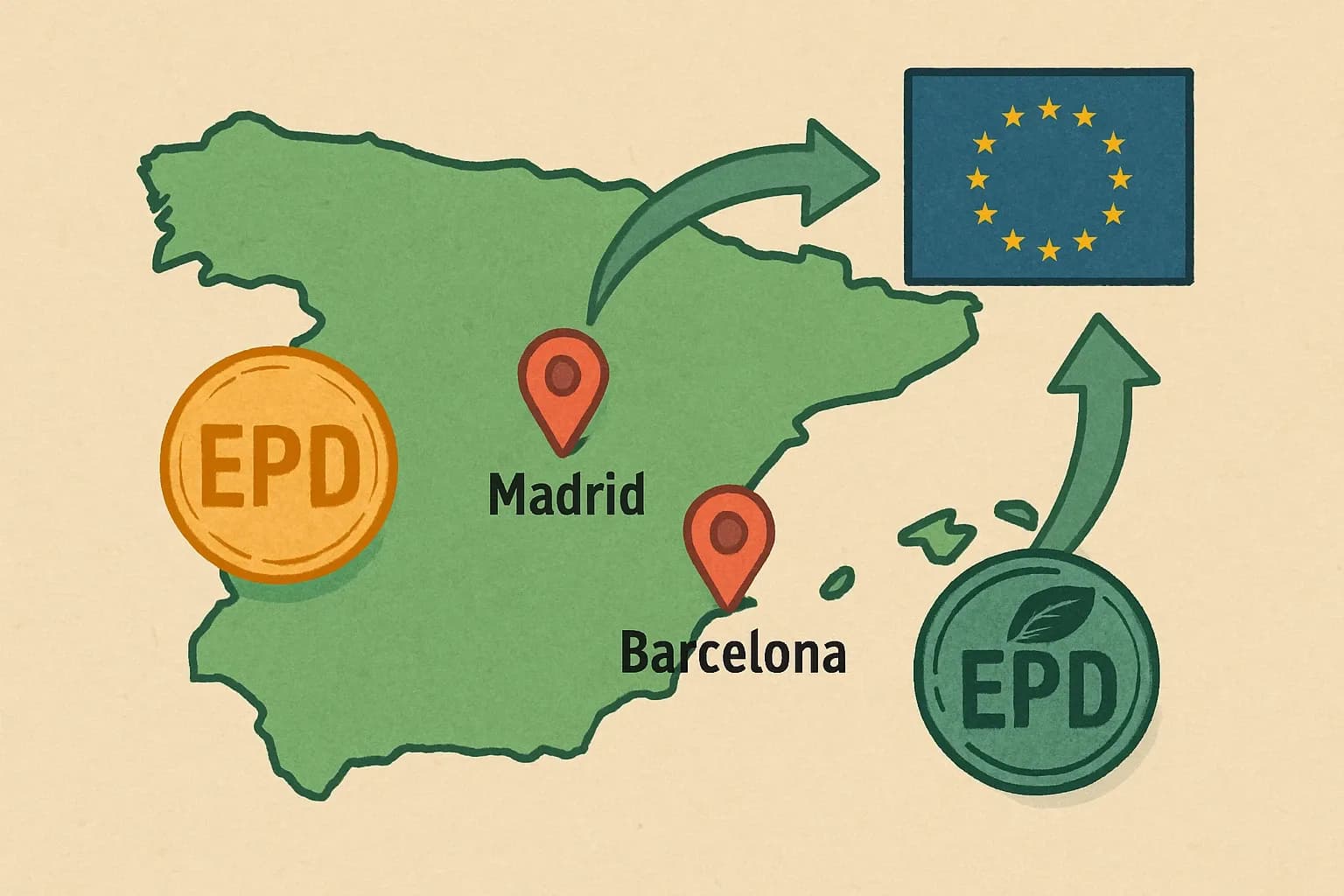
Two names come up most often locally: Instytut Techniki Budowlanej (ITB) and EPD Polska. Manufacturers also publish with large European operators such as IBU, the International EPD System, BRE, and others. Many are members of ECO Platform, which harmonizes verification and logos across borders so your “ECO EPD” travels well.
Where specifiers actually find EPDs
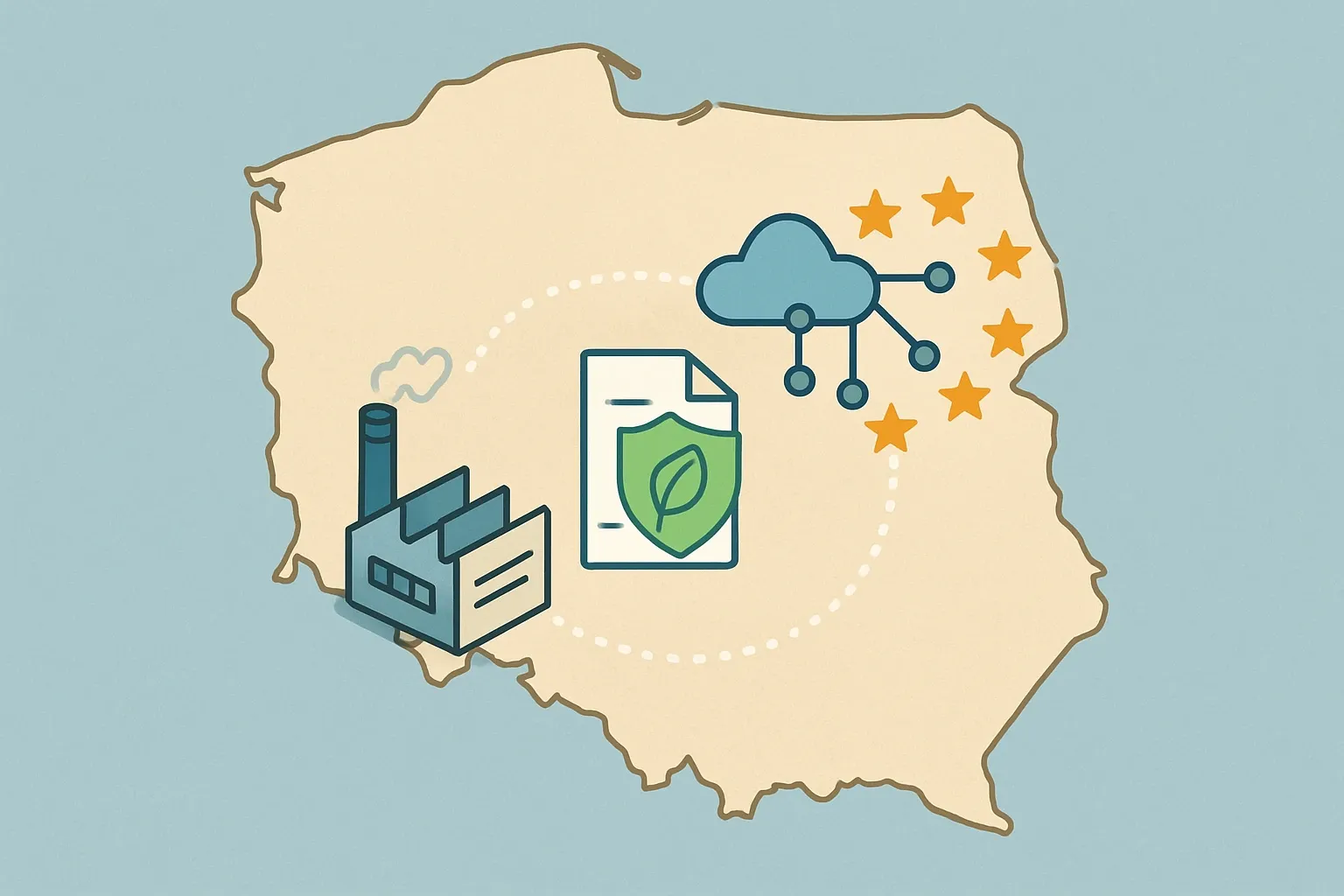
Buyers search operator libraries first, then pan‑European access points like ECO Platform’s ECO Portal that aggregate digital EPDs. If you plan to serve both Polish and export projects, ensure the EPD is published digitally and mapped to EN 15804 modules A1–C4 and Module D so it slots into building LCA tools without rework. The aim is simple, make discovery and data reuse effortless.
Why this matters commercially in Poland
Public procurement is huge in Poland, and environmental criteria show up more each year. In 2024, awards made under the public procurement law equalled about 9.07% of GDP, roughly PLN 330.4 billion, which signals the scale of tenders where an EPD can keep you in contention (UZP via PAP Biznes, 2025). Private developers follow suit when projects target BREEAM or LEED v5 credits, so the same EPD unlocks both channels.
Standards to align with, without the jargon
Think of EN 15804 as the Monopoly rulebook, ignore it and the game falls apart. Use the current +A2 indicators, declare biogenic carbon clearly, and include a transparent end‑of‑life scenario. Most Polish construction EPDs are cradle‑to‑gate with options, but many categories now expect full life‑cycle coverage. EPDs typically remain valid for five years, so plan refresh cycles around portfolio updates (BAU EPD, 2025).
Want to win more tenders in Poland with EPDs?
Follow us on LinkedIn for insights that help you understand EPD requirements and unlock new business opportunities.
Program operator choice in Poland
Publishing with ITB or EPD Polska can help local recognition, while IBU or the International EPD System often helps with export and cross‑database visibility. There is no single right answer. Prioritize operators that support digital publication, consistent verifier availability, and quick turnarounds for corrections. The goal is dependable publishing, not a maze of back‑and‑forth emails.
Picking the right PCR, the practical way
A strong LCA partner will look at competitor EPDs and advise which PCR is already common for your product family, then check its revision timeline and which operator fits your market plan. New PCR development is possible, yet uncommon. Most manufacturers move faster by using established EN 15804‑aligned PCRs that peers already follow.
Data you will actually need to gather
Have one clean reference year ready: energy bills by meter and fuel, production volumes by SKU or line, inbound and outbound transport, process chemicals and waste, and packaging. For Polish plants, be precise about electricity sources and heat generation, then document maintenance and replacement parts if modules B1–B5 are in scope. Treat data collection like a factory changeover, short, well scripted, and everybody knows their station.
Quality signals specifiers look for
Third‑party verification, a clear functional or declared unit, and digital access win trust. Make impact results easy to reuse, and include product variants or ranges that reflect real sales patterns. Avoid comparing +A1 and +A2 results in marketing, they are not directly comparable, and it confuses reviewers.
Timelines and coordination, Poland edition
Workflows that bog down usually fail at handoffs. Set a single point of contact, map your plant data sources up front, and align with verifiers early on availability. If you operate several Polish facilities, prepare site‑specific annexes so one model can scale cleanly. Pro tip, label documents in Polish and English to speed operator checks.
Scale and momentum beyond Poland
The International EPD System alone has published more than 8,000 EPDs worldwide, which shows how mainstream product‑specific data has become in the last few years (International EPD System, 2024). Poland’s ecosystem plugs into that network through ECO Platform, so a well built EPD can serve Warsaw, Berlin, and Stockholm without rework.
A quick route to “EPD Polska” readiness
- Choose the operator that fits your markets (ITB, EPD Polska, or a pan‑EU operator).
- Confirm the active PCR and EN 15804+A2 indicators.
- Lock a clean reference year, then collect plant data once, completely.
- Model the LCA, review hotspots, decide on variants worth publising.
- Verify, publish digitally, distribute the link in bids and on product pages.
Final word
Treat the EPD like a passport for tenders. If it is current, digital, and verified to EN 15804+A2, it speeds border checks at every bid window. Keep the data tidy, refresh on a five‑year cycle, and your team can focus on winning work rather than explaining acronyms.