The rulebook that runs Europe
In Europe, almost every construction EPD is built on EN 15804 with the A2 amendments. Think of it as the Monopoly rulebook. Ignore it and the game falls apart. A solid EPD in Europe typically covers modules A1 to A3 at minimum, then adds what buyers request like A4 transport or A5 installation.
PCRs are the product playbooks under EN 15804. When a PCR updates, your next renewal must use the newer version. That update is a chance to tighten data and often to lower impacts if your factory has improved.
Who actually publishes EPDs in Europe
Manufacturers usually publish through a program operator. Common names include IBU in Germany, The International EPD System in Sweden, BRE in the UK, EPD Norge, EPD Danmark, EPD Ireland, and INIES for France where product EPDs are called FDES and electrical EPDs often sit under PEP Ecopassport. All of them accept EN 15804, yet formats, fees, and review workflows differ.
Pick the operator that matches your primary market, offers timely verification, and plugs into the databases your buyers search. That choice affects time to publish more than most people think.
Databases where buyers actually search
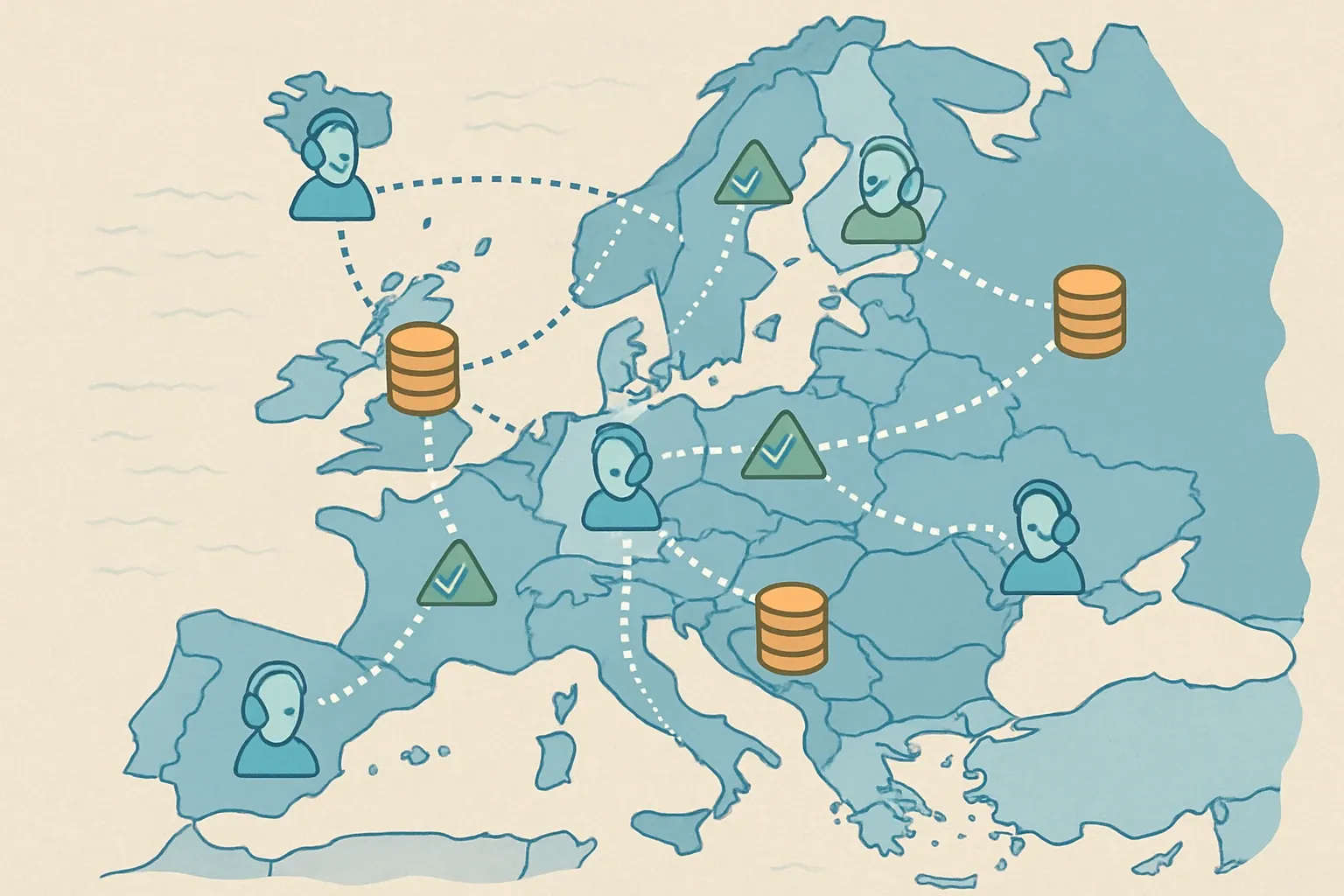
Procurement teams rarely hunt across dozens of sites. They start where their tools point. In Germany that is often ÖKOBAUDAT for datasets used in DGNB workflows. In France, FDES live in INIES and feed RE2020 building LCAs. The International EPD System hosts a global catalog many European specifiers recognize. BRE keeps a UK‑centric list. EPD Norge, EPD Danmark and others maintain national portals that local designers trust.
Your goal is simple. Publish once, then ensure your record is mirrored or recognized across these hubs so it gets found.
ECO Platform and mutual recognition
ECO Platform is the European umbrella that aligns EN 15804 practice and enables cross‑recognition. If your operator participates, your EPD can carry the ECO EPD logo which helps acceptance across borders. It is not a second review. It is a signal that your declaration follows the shared template and verification scheme specifiers expect.
Ready to navigate EPD requirements across Europe?
Follow us on LinkedIn for updates that help you meet regulations and unlock new markets.
What buyers measure and why EPDs move the spec
Designers run building LCAs. When your product lacks a product‑specific EPD, many tools default to conservative generic data, which can penalize the design. With an EPD, your real numbers go in, and the product competes on performance and availability rather than only price. That is how EPDs quietly shorten bid cycles and reduce the risk of being swapped late in design.
Validity, verification, and renewals
Plan for a five year validity window in most European schemes, driven by program rules under EN 15804. For example, IBU states a 5‑year validity in its General Program Instructions (IBU, 2024). Use renewals to reflect efficiency upgrades, energy mix changes, or supplier shifts. A tidy audit trail of plant data makes renewal a refresh, not a rebuild.
Commercial triggers that are rising, not fading
Two policy currents push EPD demand across Europe. First is corporate reporting. The EU’s CSRD expands mandatory sustainability reporting to about 50,000 companies, which increases pressure on supply chains to quantify product impacts with primary data (European Commission, 2024) (European Commission, 2024). Second is public procurement. In the UK, central government suppliers on contracts above £5 million must publish a carbon reduction plan under PPN 06/21, which nudges material categories to bring product‑level evidence like EPDs to the table (UK Cabinet Office, 2021) (UK Cabinet Office, 2021).
Where projects follow BREEAM, DGNB, or LEED v5, product‑specific EPDs typically earn the model more flexibility during optioneering. No credible, up to date public number quantifies the exact uplift across all schemes, so let us keep it honest here.
Where to publish if you sell in multiple countries
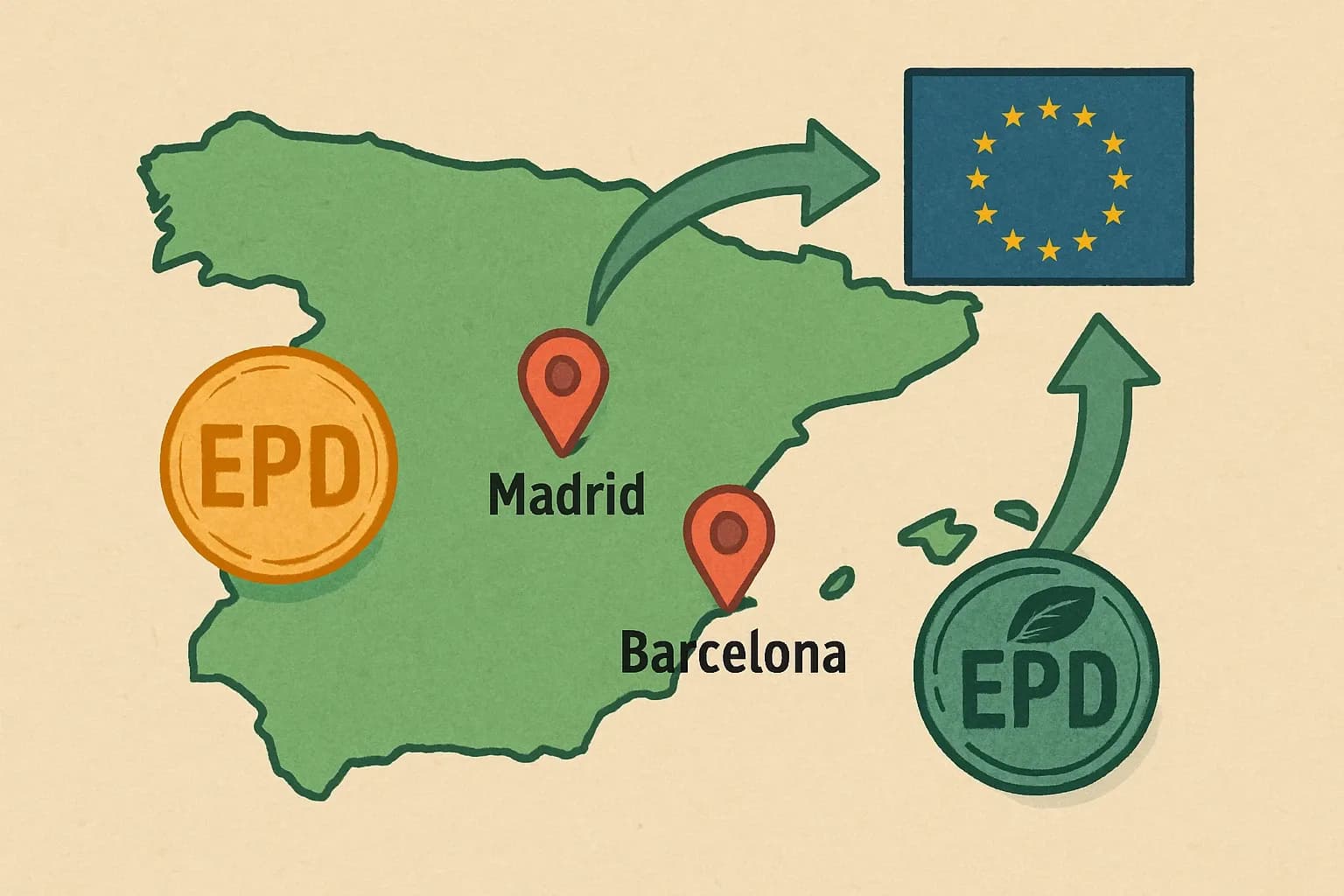
If sales are EU‑wide, choose an operator with fast review and strong database integrations, then enable ECO Platform recognition. If France is strategic, ensure your record lands in INIES as an FDES or a recognized equivalent. If Germany is central, confirm ÖKOBAUDAT compatibility and metadata completeness. If the Nordics are key, local portals and EPD Norge acceptance smooth market entry.
Small detail, big effect. Make sure your language, units, and declared unit match the PCR and market habits so specifiers can lift your numbers straight into their tools.
Data collection without stalling operations
The slowest part is not modeling. It is chasing plant data across utilities, purchasing, and QA. A good partner will run a white‑glove collection process, map ERP exports to LCA inputs, and keep SMEs focused on real work. Prospective EPDs can be used for new lines with limited data, then upgraded once a full year of production is available. That prevents lost specs while you scale.
Timelines and avoiding rework
Set a clear reference year, lock the bill of materials, and agree on background databases up front. Doing this prevents late changes that can ripple through results. Build a renewal calendar that backcasts from the 5‑year mark so budgets and updates never scramble a sales cycle.
Quick answers to common European questions
- Do EPDs in Europe have to be in EN 15804 format. Yes. If not, expect rejection or remapping by reviewers.
- Can one EPD cover the EU and UK. Yes, if it follows EN 15804 with the A2 amendments and is published by a recognized operator.
- Is price the main driver. No. The ROI usually comes from being specified more often and faster, which is hard to put into a single average.
The straightest line to an EPD Europe buyers will trust
Treat Europe as one standard with local doorways. Build on EN 15804 A2, publish through a recognized operator, land in the databases that matter, and keep your data room clean so renewal is painless. Do that and the EPD becomes a growth asset, not a compliance receipe.