Who runs ZAG EPD
ZAG is the Slovenian National Building and Civil Engineering Institute, a public research and certification body that also operates an EPD program for construction products. It helped found ECO Platform on June 4, 2013, the umbrella group that aligns European operators on procedures and recognition (ECO Platform, 2025).
What ZAG publishes and under which rules
ZAG EPDs are Type III declarations aligned to ISO 14025 and EN 15804. That means a product follows a relevant PCR, is verified by an independent reviewer, and is then registered for public access. Think of the PCR as the rulebook of Monopoly. Ignore it and the game falls apart.
Where your ZAG EPD is seen
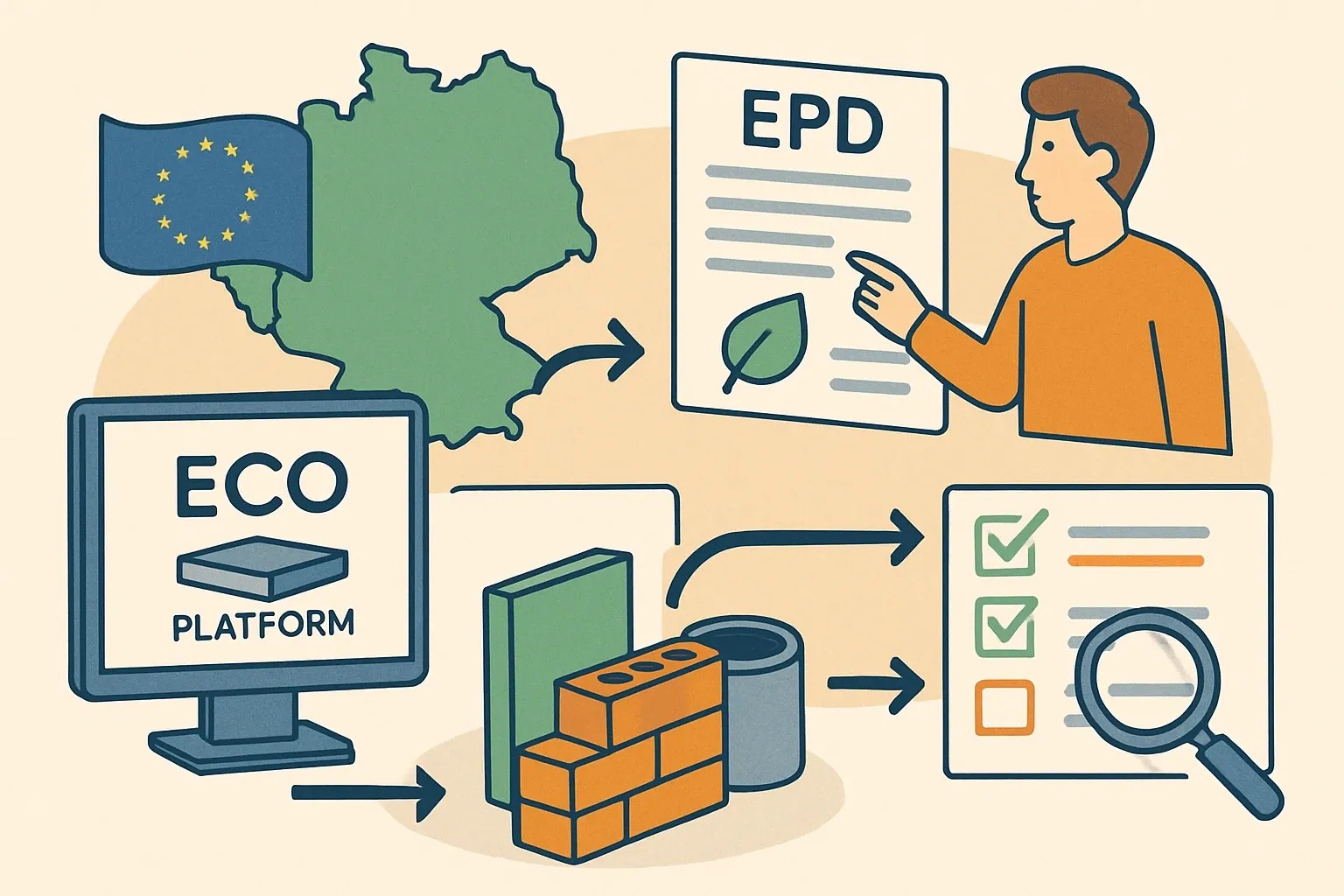
Visibility matters. EPDs from Established ECO EPD Programme Operators are recognized across Europe, and records are made findable through the ECO Portal, a single access point to digitally published ECO EPD data that many LCA tools tap for modeling. This helps your data travel with fewer copy‑paste errors when teams build project LCAs.
Validity window and renewals
European construction EPDs typically carry a five year validity period, after which they are renewed to stay market‑useful (Bau EPD, 2025). Plan backward from key bids so you do not bump into expiry, and keep change logs ready so verifiers can assess whether an interim update is needed.
Considering EPDs for your products in Europe?
Follow us on LinkedIn for insights that help you navigate EPD operators and win more projects.
When ZAG is a good fit
ZAG is a pragmatic choice if sales run through Slovenia or nearby EU markets where ECO Platform recognition is expected. It also suits teams that want a conservative, standards‑first approach without surprises in review. If your specifiers primarily use national portals that sync with ECO data, ZAG keeps the path simple.
Workflow that speeds things up
Two moves make the biggest difference. Start data collection early with a fixed reference year and book the verifier window as soon as drafts are ready. Draft the EPD text while the LCA model is still being tuned. Calendar beats effort, so overlapping tasks is your biggest speed lever. Avoid last‑minute pubishing corrections by aligning naming, SKUs, and plant IDs across documents.
Questions to ask before you pick any operator
- Which PCR version will we use and when does it revise next.
- How long are current verifier queues and can multi‑EPD portfolios be scheduled together.
- Where will the PDF and digital dataset be listed so buyers can find it without hunting.
Short take
ZAG offers a clear, EN 15804‑aligned path that travels well across EU projects. Publish where your buyers actually look, keep a clean five year renewal rhythm, and protect time on the shop floor by making data collection painless.
Sources noted in text
- ECO Platform founding date and operator role for ZAG, June 4, 2013 (ECO Platform, 2025).
- Typical five year EPD validity across European programs (Bau EPD, 2025).