What “energy mix” means in an EPD
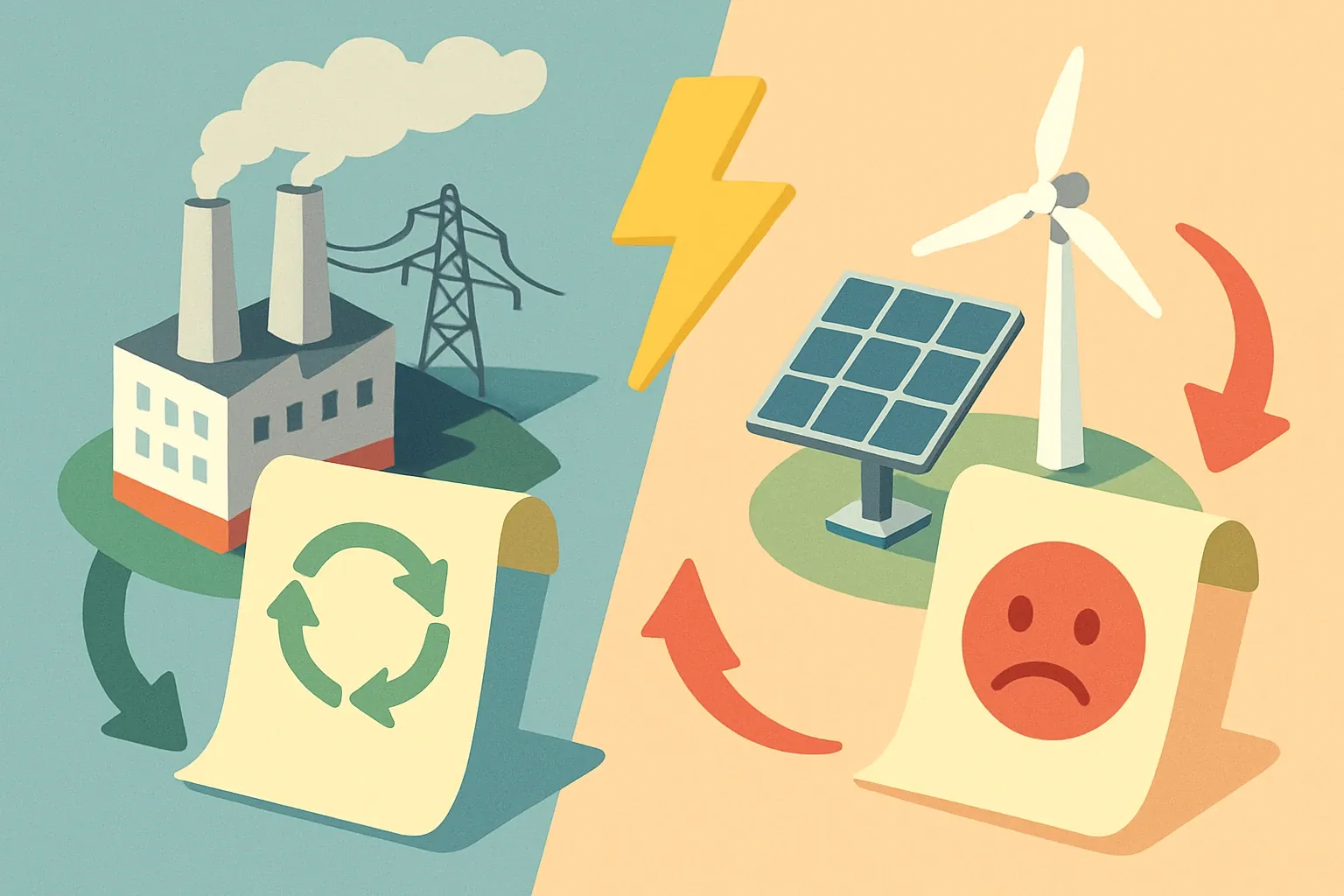
In most construction product LCAs, plant electricity and fuels dominate A1 to A3. Energy mix is simply where your kilowatt hours and BTUs come from and how carbon intensive that supply is. Think of it as the color grade under a diamond: the cut may be perfect, but the hue decides the sparkle.
Why it can move your GWP by a mile
U.S. grid intensity varies dramatically by eGRID subregion. In 2023 data, New York Upstate averages about 243 lb CO2e per MWh while Puerto Rico exceeds 1,548 lb CO2e per MWh, with the U.S. average near 771 lb CO2e per MWh which is roughly 0.35 kg CO2e per kWh. That spread alone can make or break a product’s rank in EC results that specifiers scan first. (US EPA eGRID, 2025)
The same story repeats worldwide. France’s nuclear-heavy mix sat near 22 g CO2e /kWh in 2024, compared with roughly 381 g in Germany and about 720 g in India. That thirty-fold swing shows why cross-border supply chains need country-specific factors, not a single “international” default. (RTE, 2025; German Federal Network Agency, 2025; India Ministry of Power, 2025)
Location based or market based
Most EN 15804 A2 LCAs model location based electricity by default, using the grid where the plant sits. If you buy credible RECs or have a PPA, market based modeling can also be shown when the PCR and program operator allow it. The key is matching the contract period to your LCA reference year and preventing double counting across sites.
Is your energy data impacting your EPD competitiveness?
Follow us on LinkedIn for insights that help you navigate data for better project specifications.
The grid is getting cleaner, but not evenly
Renewables supplied about a quarter of U.S. electricity in 2024, up from the prior year, which is why annual updates matter for multi-year EPD strategies. Even a modest grid shift can nudge cradle stage GWP down without touching your process. (EIA, 2025) (Enerdata, 2025)
Across the EU, the greenhouse gas intensity of electricity was estimated 9 percent lower in 2024 than in 2023 and about 40 percent lower than a decade ago, which can materially lower imported component impacts in A1. (EEA, 2025) (EEA, 2025)
Data to collect on day one
- Twelve consecutive months of utility invoices per facility, including kWh and fuel quantities by meter.
- The eGRID subregion or equivalent grid region for each plant address.
- On-site generation details with meter reads and export logs, plus any storage round-trip losses.
- REC or PPA contracts with vintage, volumes, geographic scope, and retirement certificates.
- Any temporary generators or unusual operating modes during the reference year.
Modeling pitfalls we still see
Mixing multiple plants into a single average when they sit on very different grids hides real performance. Recording electricity in spend instead of kWh makes verification painful. Confusing marginal with average factors is common. And sometimes RECs are booked in finance systems but never retired in registries, which auditors will catch and they won’t be kind.
How energy mix turns into spec wins
Updated energy data can shift your declared GWP enough to change where you appear in a buyer’s short list. LEED v5 draft language keeps pushing for better product data, so being current removes penalties buyers face when they must assume generic, higher impacts. We recommend treating energy mix as a product input, not an overhead line item.
A pragmatic playbook
Lock the reference year, then freeze a clean data cut from utilities and on-site meters. Validate grid regions, convert units once, and document every assumption. If you buy RECs, confirm retirement and align volumes to the reference year. Last, schedule a yearly mini refresh so your next EPD renewal is painless and fast.
Quick checkpoint to stay audit ready
Create a one-page energy sheet per plant that lists the subregion factor, monthly kWh, fuels, on-site generation shares, and any market-based instruments. Keep the proof next to it. When the PCR or program operator asks, you are ready to ship in hours, not weeks. (US EPA eGRID, 2025)