EPD in plain English
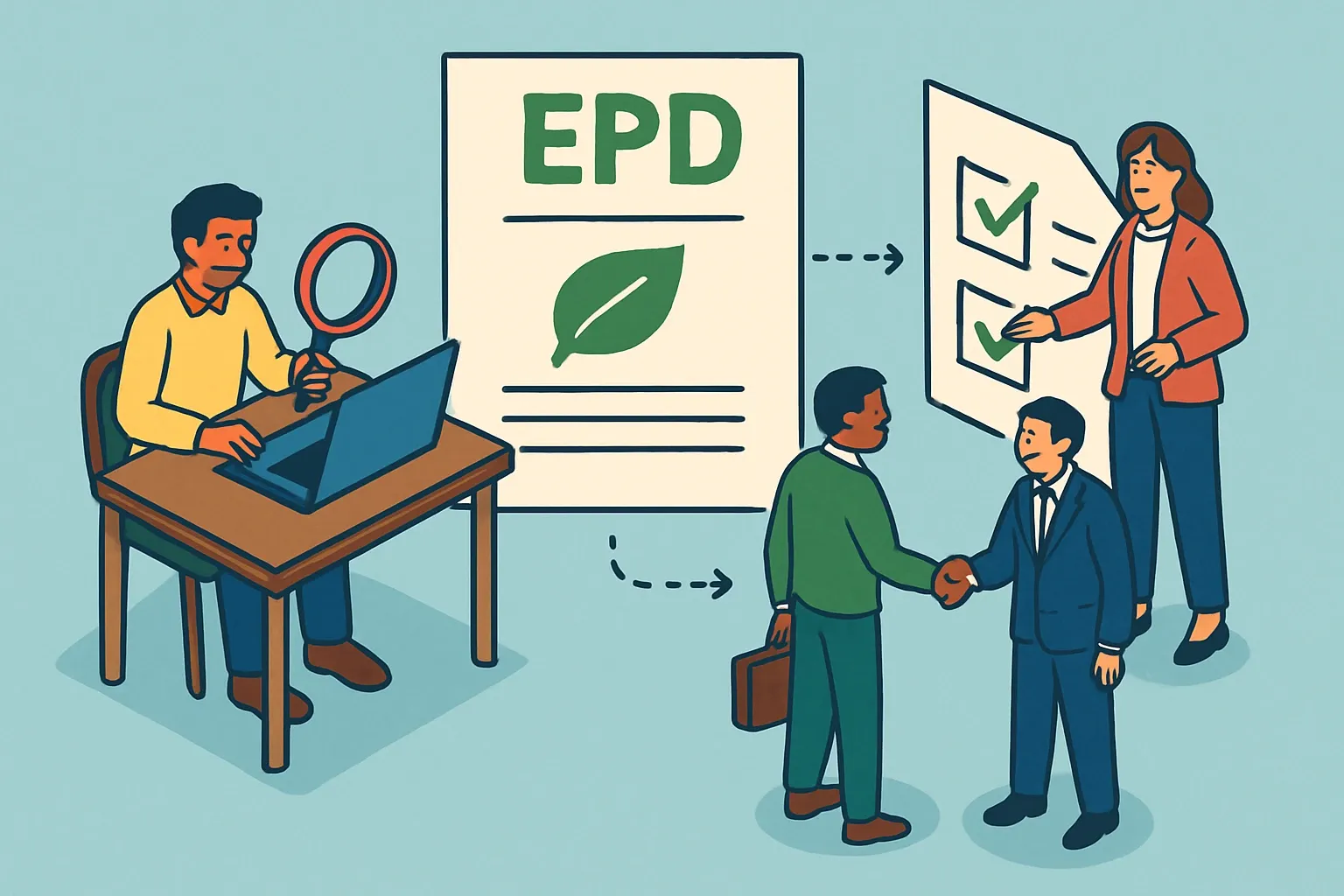
An Environmental Product Declaration is a standardized, third‑party verified report that communicates the life‑cycle impacts of a product. Think of it as the nutrition label for carbon, energy, water, and other impact indicators. It is not a marketing claim. It is a transparent, rules‑based summary of measured and modeled data.
How EPD, LCA, and HPD fit together
An LCA is the study that calculates environmental impacts from raw material extraction to end of life. The EPD publishes the LCA results in a format buyers can compare. An HPD focuses on product ingredients and health information, not life‑cycle impacts. Together they answer two different questions buyers have about risk and performance.
The rulebook behind every EPD
Product Category Rules, or PCRs, set the boundaries and math so similar products are assessed the same way. A PCR is the rulebook of Monopoly. Ignore it and the game falls apart. Most construction EPDs follow EN 15804 for structure and ISO 14025 for how the declaration is verified and published.
What buyers actually read
Busy specifiers jump to a few sections first. Declared unit and system boundary tell them what the numbers cover. Modules A1 to A3 flag core manufacturing impacts, while A4 to A5 capture delivery and installation, and B to C cover use and end‑of‑life. They also scan the PCR title, verification statement, and the program operator that published it.
Join Parq Pulse!
Stay ahead with weekly insights on environmental declarations and product impacts to win more construction projects.
Product‑specific vs industry‑wide
An industry‑wide EPD shows an average. It is helpful for transparency yet rarely wins a close comparison. A product‑specific EPD reflects your own materials, energy, and process choices. When teams must report embodied carbon, missing a product‑specific EPD often forces them to use conservative defaults that make your product look heavier than it is. Having your own numbers avoids that penalty.
Timelines that shape renewal decisions
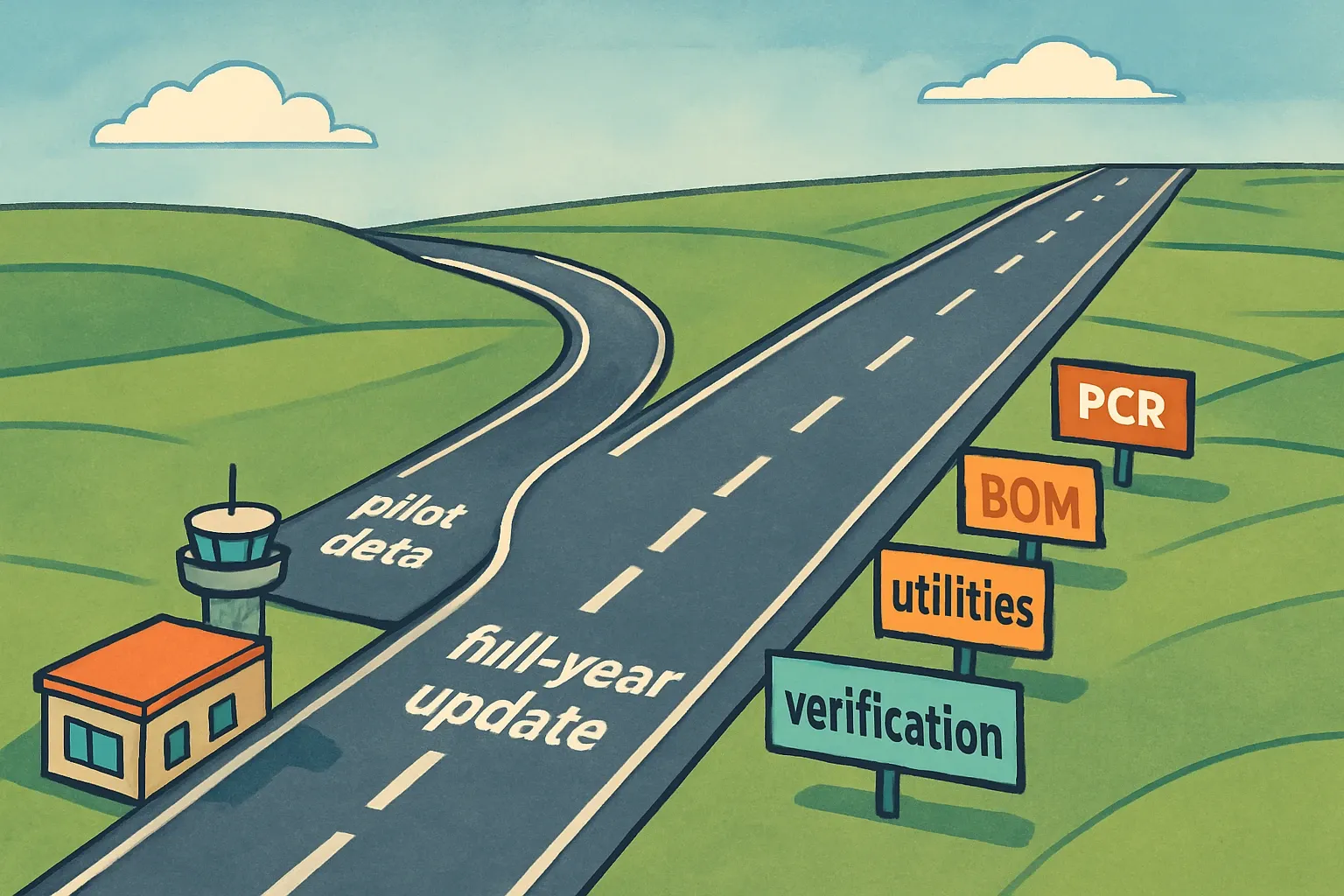
EPDs have a defined validity window, after which they must be renewed. PCRs also update over time. An EPD based on an older PCR is still usable during its validity, then at renewal it needs to apply the current rulebook. Planning around these calendars keeps sales teams from scrambling before a large bid.
The path to your first EPD
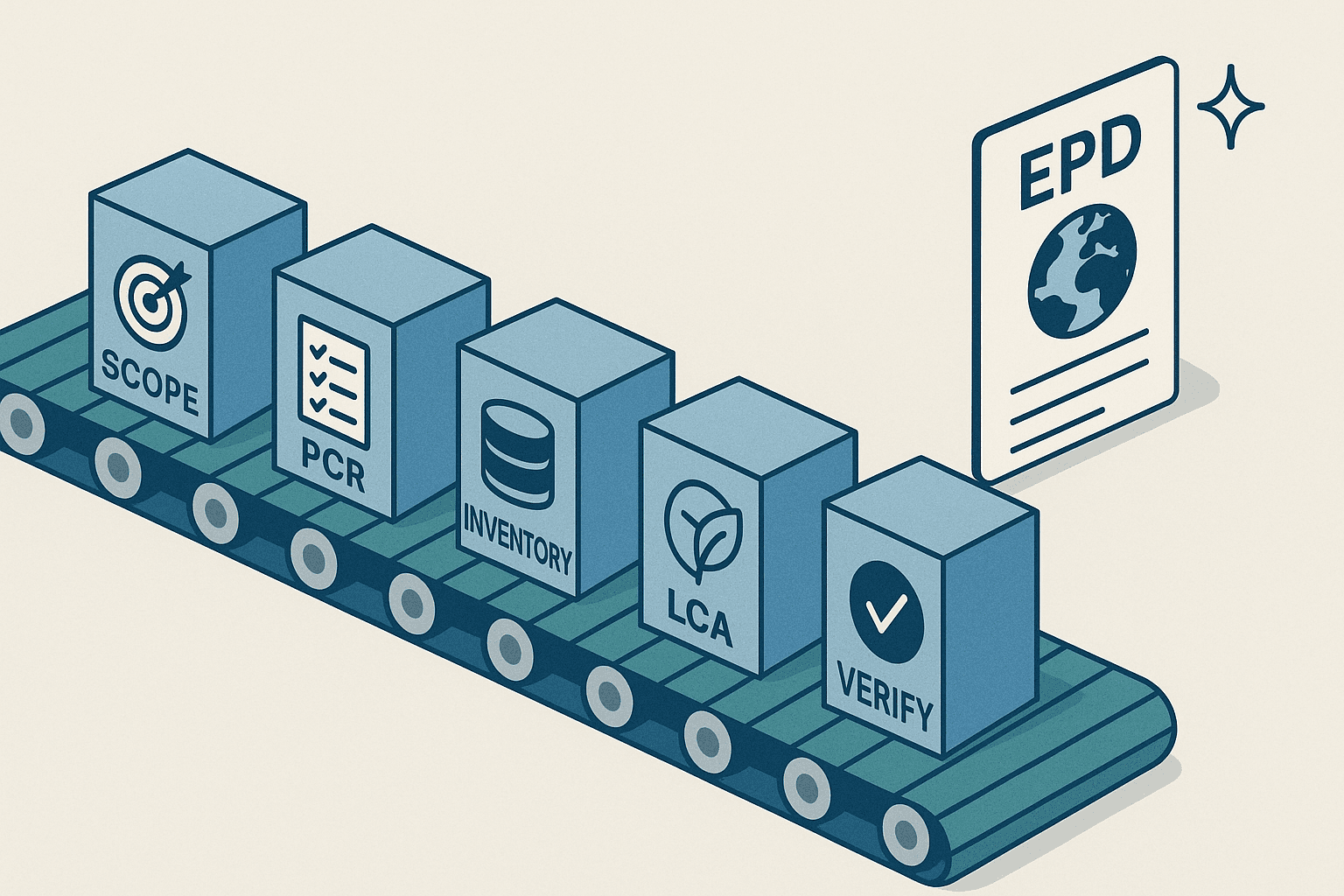
- Confirm scope and the program operator where you want to publish.
- Select the right PCR based on your product category and how peers report.
- Set a reference year, then gather utility, material, waste, and logistics data.
- Model the LCA with the agreed datasets and boundaries.
- Undergo third‑party verification, address comments, and publish. A strong partner will map this like a build schedule and remove ambiguity at each gate.
Choosing a partner without losing your week
What separates a smooth EPD project from a slog is data collection and project control. Look for a team that takes on the heavy lifting inside your organization, not one that sends a spreadsheet and wishes you luck. Prioritize partners who can publish with multiple program operators, have deep category experience, and present a crisp plan so R&D and plant teams only provide what is needed, once. You should not have to chase ten stakeholders to recieve a single meter reading.
Practical checkpoints before you start
Ask how they will ensure comparability to competitor EPDs under the same or compatible PCRs. Request a sample data request list that fits your plants and ERP setup. Confirm how they will document assumptions so a verifier can follow the thread. Speed, ease, quality, and completeness are the levers that keep internal hours low while the declaration is built right.
The commercial takeaway
An EPD moves your product from being a maybe to a reliable yes when projects need documented impacts. It keeps the conversation on performance and availability, not just price. With the right process and partner, publishing an EPD becomes a repeatable capability that supports specs, bids, and brand trust without hijacking your calendar.