Turnkey in 2026 means cradle‑to‑label, not just software
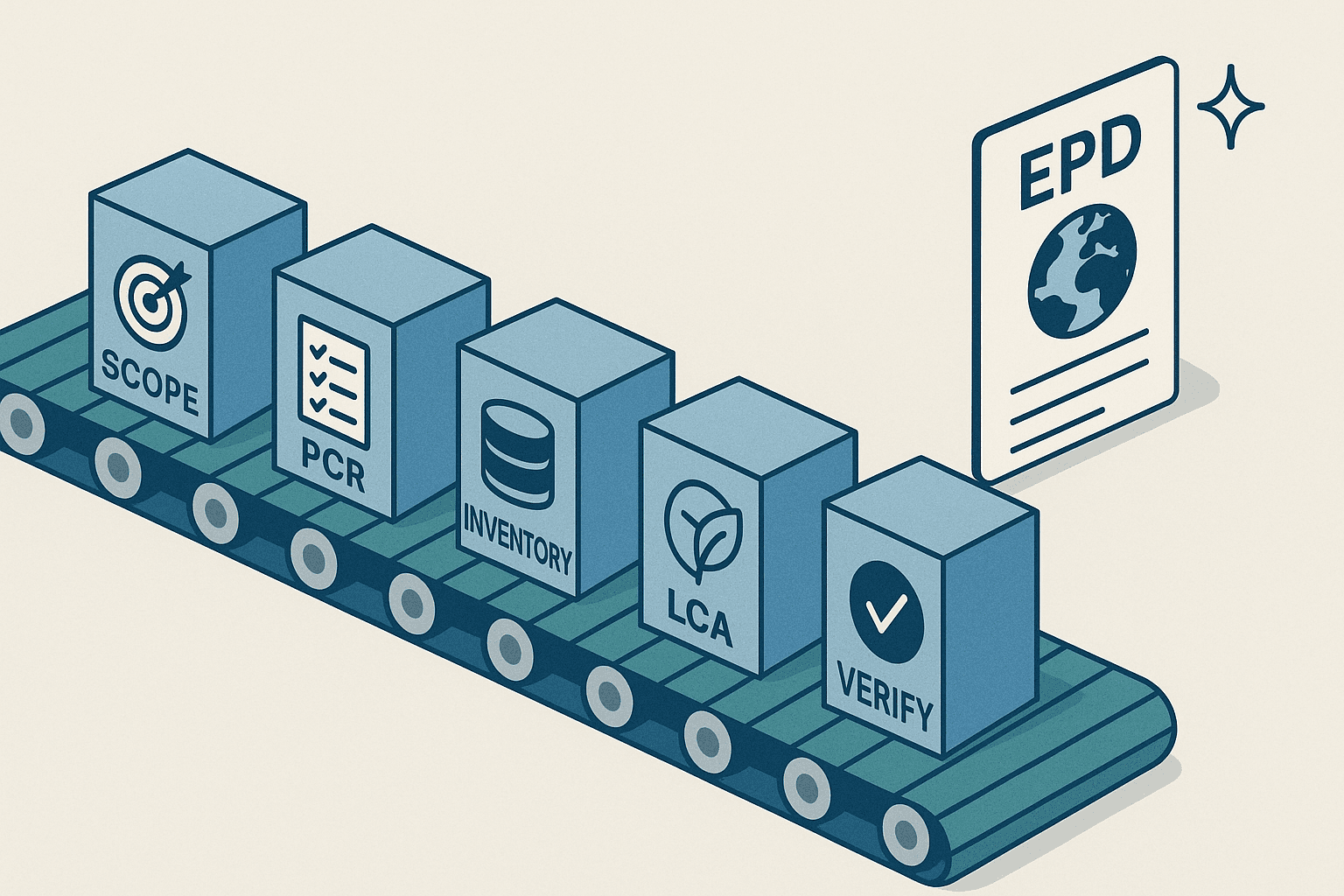
A complete service covers data discovery inside the plant, supplier outreach, LCA modeling to EN 15804, third‑party verification, and publishing with a recognized program operator. Partial help leaves teams juggling gaps. Think of it like streaming a full season, not a single episode.
Why this matters to revenue, not just reporting
More bids and frameworks expect product‑specific EPDs as table stakes. Without one, project teams must use conservative defaults that make your product look heavier than it is, so specs drift elsewhere. With a verified EPD, the conversation shifts to performance, lead time, and value.
The data lift you should offload
A turnkey partner maps meters, throughput, scrap, packaging, water, and fuels to the right life‑cycle modules, then chases supplier EPDs or primary data for hotspots like resin or steel. The best services run collection in parallel with modeling, so the clock ticks in your favor.
PCR selection is a competitive choice
A PCR is the rulebook of Monopoly. Ignore it and the game falls apart. In practice, teams review which PCR competitors use, when that PCR expires, and where to publish. Pick the rulebook that keeps your product comparable on the scorecard, not stranded in a niche.
Timelines that fit real manufacturing calendars
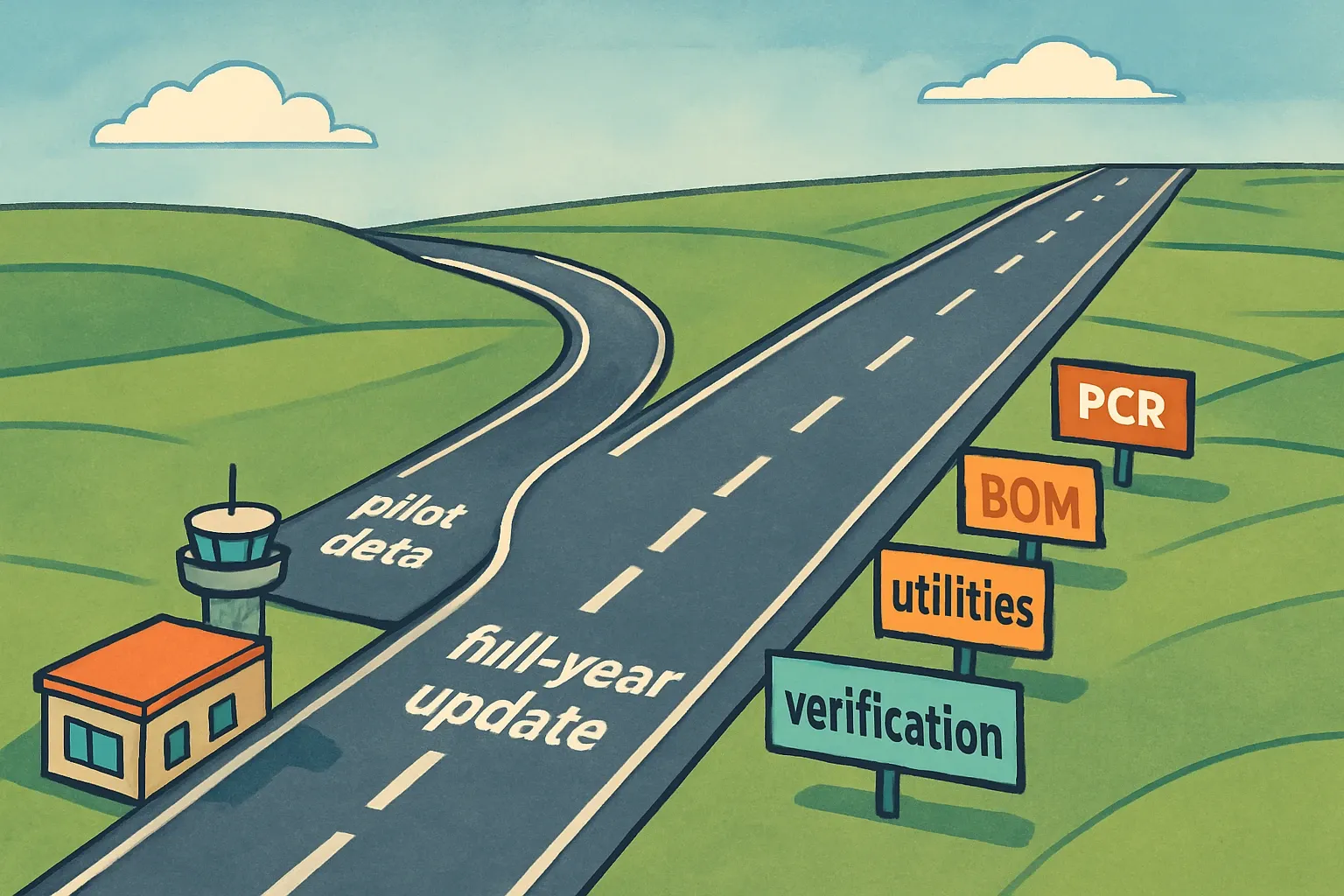
A solid reference year is twelve months of operations. For new lines, a prospective EPD can start with a shorter period, then update once a full year is available. EPDs are typically valid for five years, which means one good sprint buys a long runway (EPD International, 2024).
Ready to streamline your EPD process for 2026?
Follow us on LinkedIn for insights that help you meet project specifications faster and boost your market presence.
Program operator choices without drama
Smart EPD, IBU, and other established operators are all viable. What matters most is alignment with your markets, verifier availability, and how fast submissions move. Operator agnostic is the calm, confident choice.
What “white‑glove” should actually look like
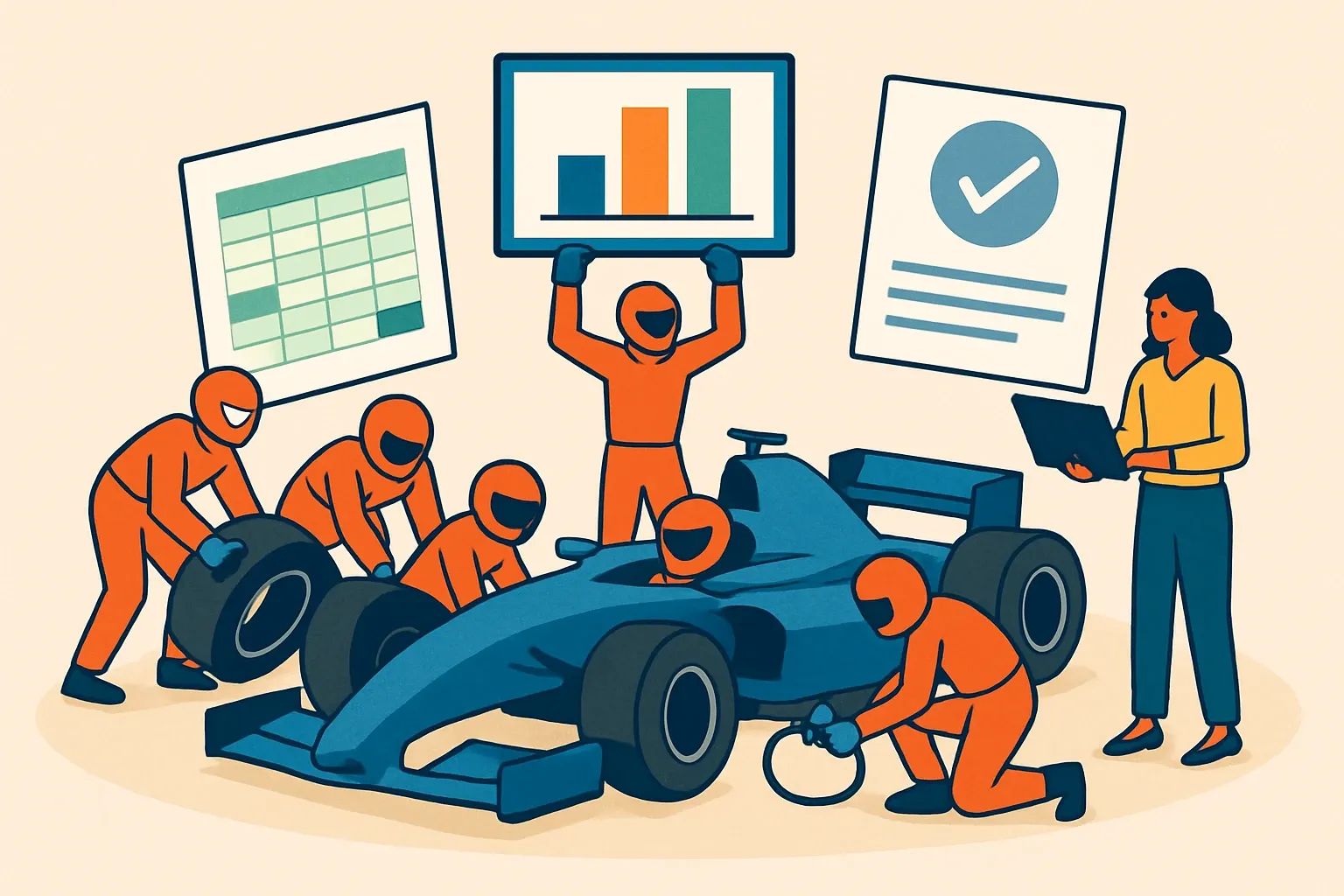
No dump‑and‑run templates. Expect a named project lead, a structured data request plan, supplier follow‑ups, and weekly check‑ins that remove blockers fast. If the service is working, your R&D and plant leads keep their day jobs. Your calendar gets lighter, not heavier.
Beyond the EPD, ingredient reporting rides shotgun
Many owners now ask for HPDs alongside EPDs. Treat them as a coordinated package so marketing and sales can answer material health and carbon questions in one pass. Update cycles should be planned together to avoid rework.
Regional rules to keep on the radar for 2026
Federal signals shifted in early 2025, yet state and city Buy Clean policies still lean on third‑party verified, product‑specific EPDs for eligibility or scoring. In the EU, many manufacturers in larger groups fall under CSRD if they meet two of three thresholds, 250 employees, 40 million euro net turnover, or 20 million euro balance sheet total (European Commission, 2024). That makes audit‑ready data trails a must, not a maybe.
Budget thinking without the spreadsheet headache
Reliable cost averages are hard to pin down because every scope is different. What we see consistently is that the cost of an EPD is often earned back by a single mid‑sized win where an EPD was a bid requirement. Speed compounds the return by keeping products in play sooner.
A quick checklist for choosing a turnkey partner
- End‑to‑end scope in writing, from data collection to publishing.
- Named verifier and operator plan before kickoff.
- Clear path for supplier data and hotspots.
- Draft timeline with weekly checkpoints and decision gates.
- Update plan for year‑two and year‑three changes so you are not starting from zero.
Leave the kitchen, keep the recipe
In 2026, a turnkey EPD service should feel like handing a trusted chef your ingredients and getting back a plated meal with the recipe. Your team owns the method and the numbers, the service owns the heavy lifting. That is how you ship credible EPDs quickly and stay focussed on building better product. And yes, it should definately feel easier.