What an EPD tool really is
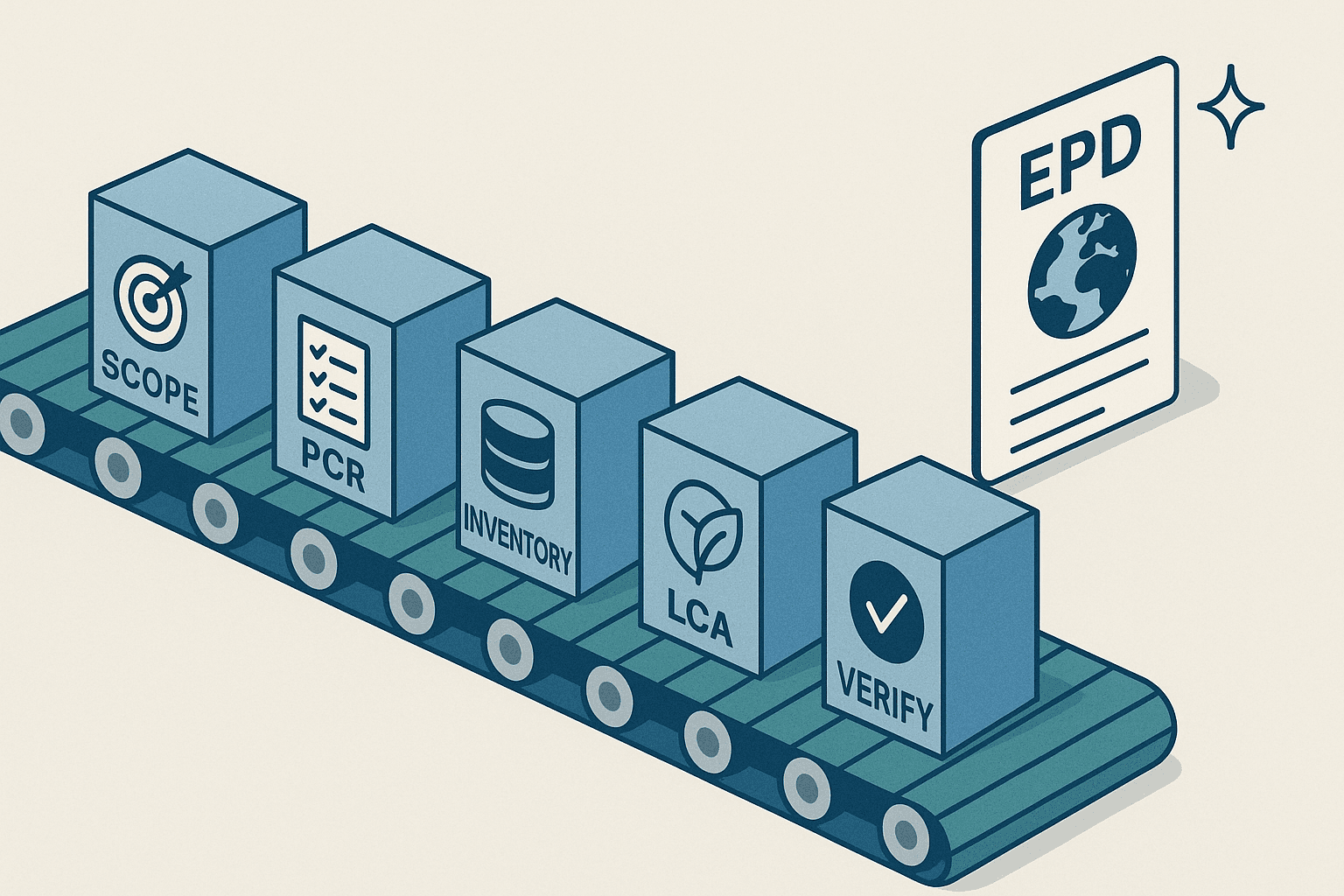
An EPD tool is software that structures your product and plant data, applies the right Product Category Rules, runs the life cycle math, and outputs an EPD-ready model. Think of it as the cockpit where bills of materials, utilities, waste, and transport data meet the rules of the road. The tool does not publish your EPD. A program operator does.
Where program operators fit
Program operators host the rules, verify the study, and publish the declaration. Common names include Smart EPD in the United States and IBU in Europe. Each operator checks conformance to standards like EN 15804 or ISO 21930 and the relevant PCR before they accept your file.
Preverified models, in plain English
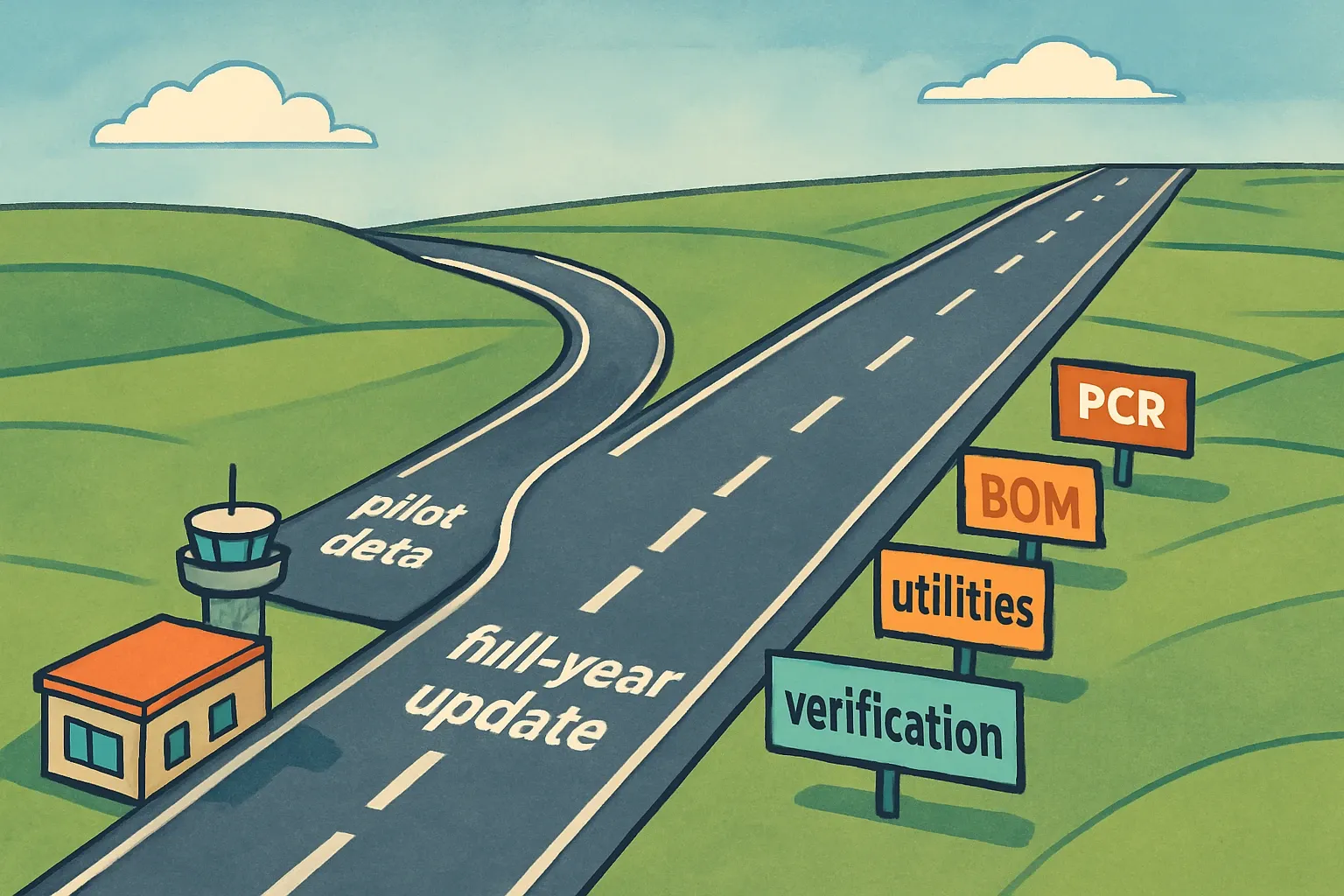
A preverified model is a reusable LCA template that a program operator has already reviewed for method, datasets, and calculations. Picture a preflight checklist loaded into the plane, so takeoff checks go faster for every route. You still enter product-specific data, but the core math and guardrails are already approved.
When preverification is a smart move
It shines for portfolios with many SKUs built on the same process, materials, and plants. You swap in product parameters like densities, formulations, or packaging and scale across a line with fewer surprises. Teams that need dozens of EPDs in a year often see shorter review cycles and fewer back-and-forths.
Ready to streamline your EPD process?
Follow us on LinkedIn for tips that help you get compliant EPDs faster and win more projects.
What preverification does not do
It is not a rubber stamp. You still need traceable primary data, the correct reference year, and change control when formulations shift. Reviewers can and will request clarifications if inputs look out of bounds or the PCR updates.
What reviewers check in a preverified setup
- Method alignment with the applicable PCR and standard.
- Background datasets versioning and cut-off rules.
- Plant-level inputs, mass balance, and allocation choices.
- Evidence that any updates are logged with version control and QA sign-off.
Tooling choices that actually matter
Pick tools that capture data at the level you operate. Multi-plant models need plant switches, transport tables, and packaging variants without acrobatics. You also want audit trails, clear assumptions, and exports that match the operator’s templates so nothing gets lost in translation.
Team workflow beats tool features
Most delays are people problems, not math problems. A good process front-loads data requests, resolves naming conventions early, and keeps a single source of truth for BOMs and utilities. Partners who take on data wrangling rather than pushing it back to your engineers save the most time.
Publishing with any operator
Preverified models can be set up with several operators, but each has its own templates and review habits. Ask about expected response times, change notification rules, and how multi-plant disclosures are handled. The best path is the one that gets you reliable, third-party verified EPDs without tying up your R&D and plant leads.
The practical takeaway
Use an EPD tool to structure inputs and apply the rules, lean on a preverified model when your portfolio is consistent, and publish with the operator that fits your market. That mix cuts review noise, speeds releases, and keeps your team focused on making the product better instead of playing email tennis.