Minergie‑ECO in one minute
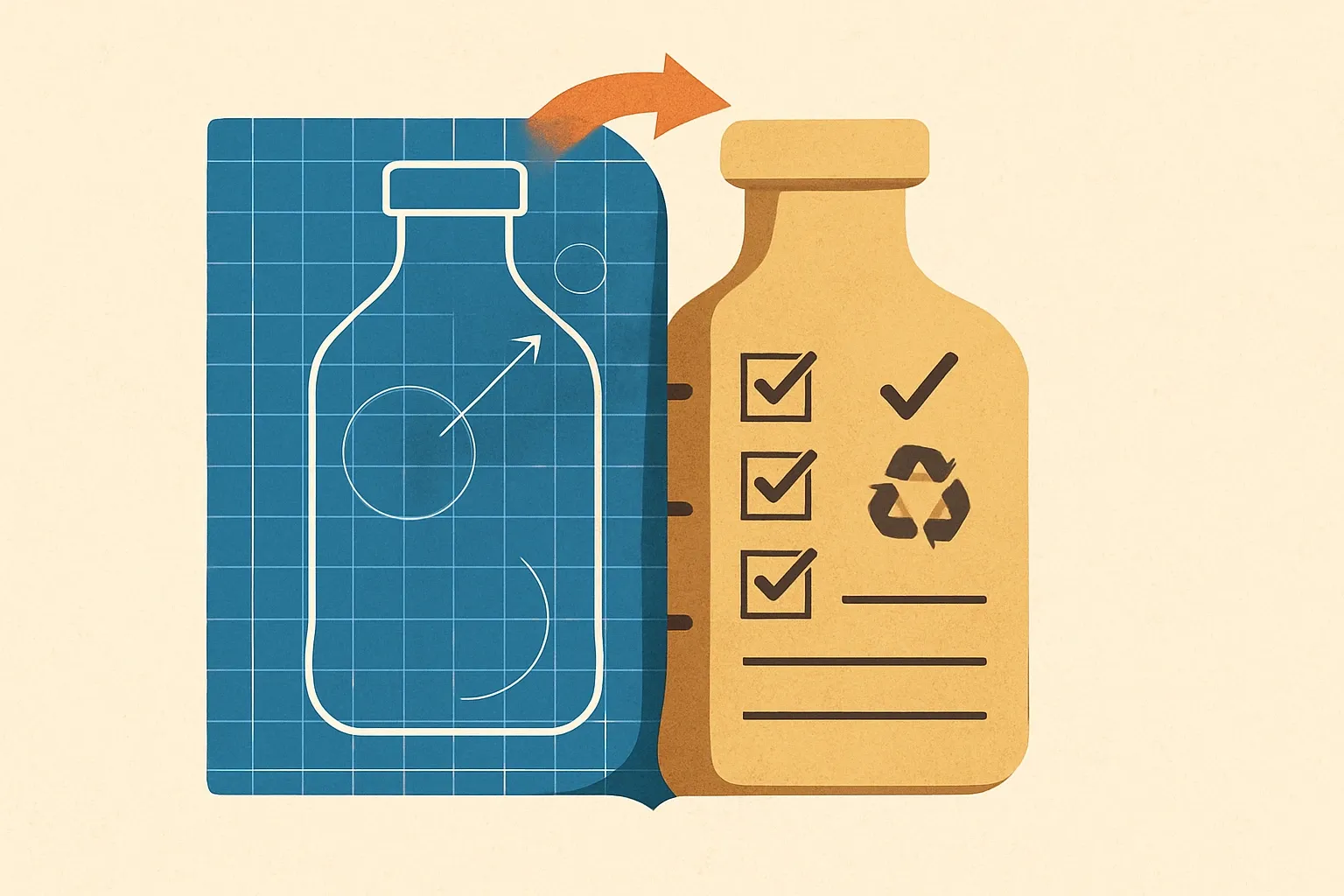
Minergie‑ECO layers ecology and health on top of Minergie energy performance. It zeroes in on low‑emission materials, careful daylight and acoustics, circular design, and documented reductions in greenhouse gases from the build itself. The label is jointly run with ecobau, and many proofs can reference ecoProdukte ratings.
What Zurich expects on public work
The City of Zurich tracks its projects against Minergie‑P‑ECO and targets ECO’s Grenzwert 1 for embodied greenhouse gases. Grenzwert 1 is roughly a 30 percent tighter cap than Grenzwert 2, aligned with the city’s indirect‑emissions cut goal ("Grenzwert 1", Stadt Zürich, 2025). In practice, that pushes earlier material choices, more reuse, and cleaner mixes.
The market is big enough to matter
As of January 2026, Minergie lists 50,930 certified buildings totaling 68,838,707 m² of energy reference area, a demand signal you can bank on (Minergie, 2026). After the 2023 update, Minergie saw 938 applications with average PV density above 30 Wp per m² of roof, and 83 projects aiming for ECO (Minergie, 2025). Zurich’s canton also earmarked 61 million CHF in 2025 to speed energy‑efficient, low‑carbon buildings, which sustains pull for compliant products (Kanton Zürich, 2025).
Where EPDs slot into ECO
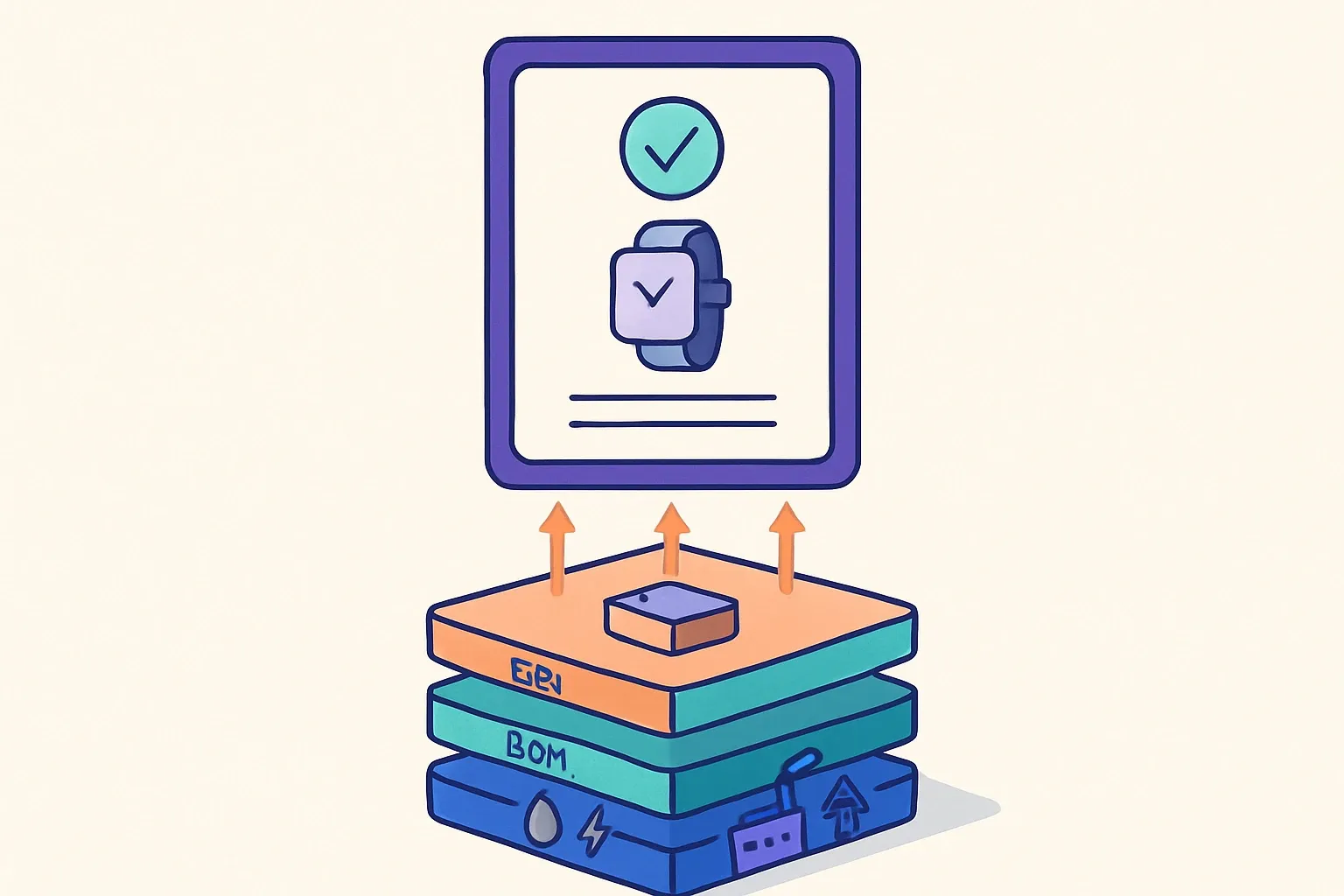
ECO needs transparent, third‑party proof. Product‑specific EPDs to EN 15804+A2 let design teams quantify A1–A3 impacts and compare options without guesswork. They also ease use of the Swiss KBOB eco‑balance data in building‑level calculations, since teams can map EPD indicators to KBOB‑based tools and summaries (KBOB, 2024). A clean, comparable EPD often decides whether a spec sticks when Grenzwert 1 starts to bite.
Struggling with environmental regulations in your tenders?
Follow us on LinkedIn for updates that help you navigate compliance and secure more projects.
What counts as "good" evidence
Bring EPDs that are third‑party verified, current on the applicable PCR, and clear about declared unit, system boundary, and allocation. Include VOC or indoor‑air labels where relevant, plus chain‑of‑custody for timber. Zurich teams do not have time to chase missing datasets, so completeness wins.
Hitting Grenzwert 1 without drama
Think of ECO like a cap in a video game. You win by shaving embodied carbon early, not by hoping for a late power‑up. Practical moves: higher clinker substitution in cement, recycled content in metals, mass timber where it fits, component reuse, and tight quantity takeoffs. Then prove it with EPDs and a tidy BoQ linkage to the building model.
Mind the September 2024 switch
Minergie’s 2023 standard and ECO updates are live, the transition window ended 13 September 2024. New proofs must follow 2023 or 2024 versions, submitted via the label platform (Minergie, 2024). Old templates wont be accepted.
Documentation checklist for manufacturers
- Product‑specific EPDs to EN 15804+A2, third‑party verified, with A1–A3 at minimum and clear declared unit.
- Mapping notes from EPD indicators to KBOB categories used by the project team.
- VOC and formaldehyde evidence for interior products, plus any SVHC disclosures.
- Chain‑of‑custody certificates for wood, recyclate claims for metals and plastics.
- Installation guidance that preserves performance assumptions from the EPD.
Choosing the right LCA partner
Speed matters when Zurich’s design reviews are calendar‑driven. A strong partner will shoulder data collection across plants, align PCR choices with your competitive set, and publish through an operator familiar to Swiss specifiers like IBU or EPD International. White‑glove coordination inside your org saves your senior engineers from spreadsheet purgatory and gets credible numbers in front of buyers faster.
The Switzerland take
Zurich is moving fast toward net zero and expects products that pull their weight on embodied carbon. ECO is not a niche badge, it is the new spec language. If your EPDs are robust and easy to consume, you make the short‑list more often, and you stay there when budgets and carbon caps collide.