). The commercial impact is simple: products that prove hazard‑aware performance, durability, and circularity will move up the list in design meetings and bid rooms.
Ensure that you use no text, as this illustration will be used on international translations of the article..
Use an illustrative style (e.g. isometic) and don't generate in a photorealistic style.](/_next/image?url=%2Fapi%2Fmedia%2Ffile%2F201ab9a95905.webp&w=3840&q=75)
Resilience moves to the front of the meeting
LEED v5 makes climate risk assessment a prerequisite, alongside human impact and carbon assessments in the Integrative Process category. That shifts hazard thinking from a late spec note to an early design driver that touches roofs, facades, drainage, pavement, shading, and site gear. When the team models heat, wind, hail, flood, and wildfire exposure up front, product choices follow.
Procurement is re-written around multi‑attribute proof
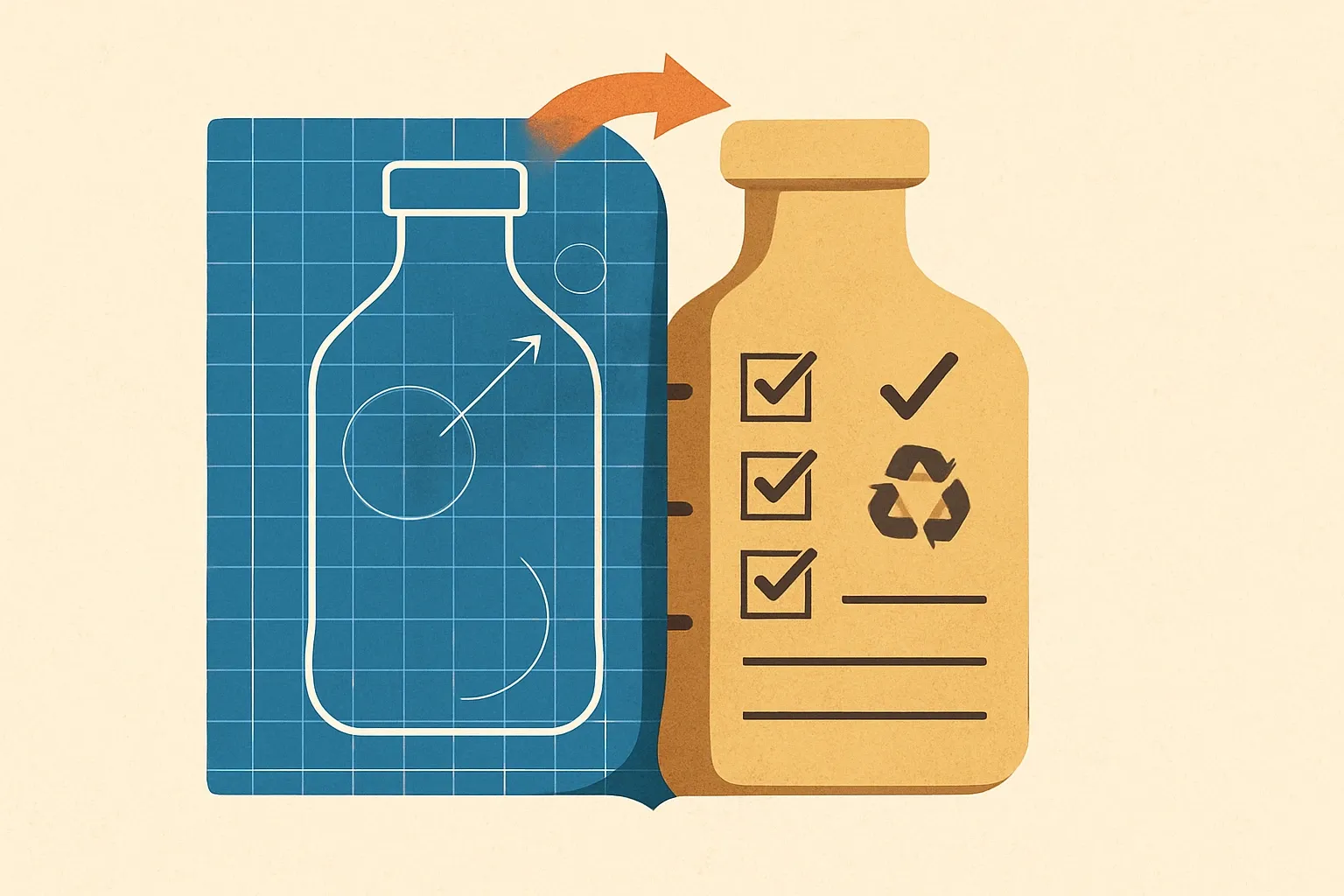
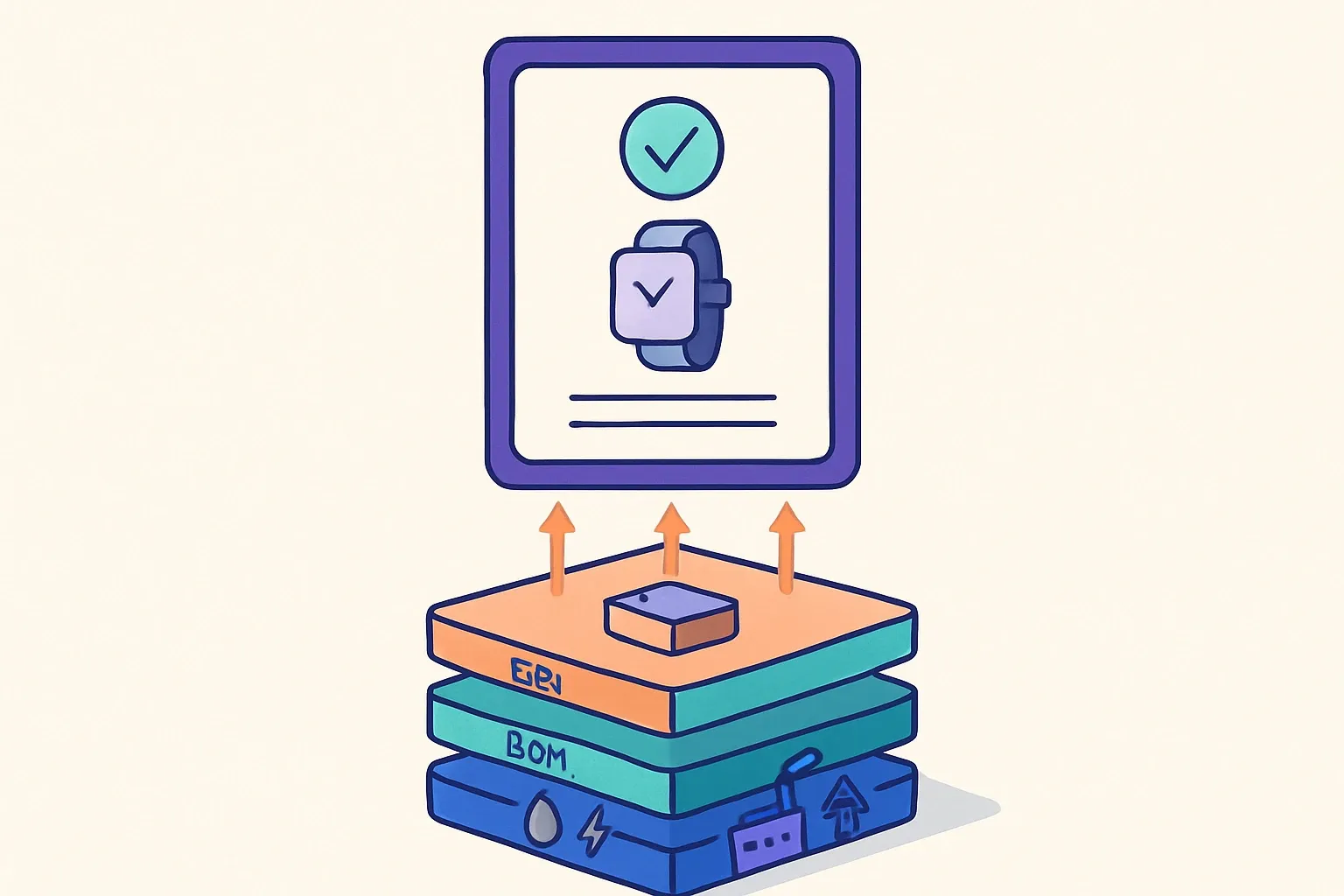
Materials conversations now run through the Building Product Selection & Procurement (BPSP) credit. Products are scored across five criteria areas: climate health, human health, ecosystem health, social health and equity, and circular economy. Each attribute earns Level 1, 2, or 3, with multipliers up to 5x. For example, an optimized EPD showing more than 20% GWP reduction scores higher than a basic Type III EPD, and more than 40% GWP reduction plus improvement in three other impact categories can reach the top tier (USGBC BPSP Additional Guidance, 2025) (USGBC BPSP, 2025).
Why exterior product teams cannot leave resilience to the civil set
Stormwater, heat, wind, and debris are addressed by site design, yet the performance line is crossed or missed at the product. Edge metal that holds, cladding that drains, pavers that resist uplift, shade that cuts heat while surviving gusts, coatings that keep surfaces cool, and fixtures that still operate after a flood are where risk is actually reduced.
Expect new questions in RFIs and pre‑submittals
Design teams will probe hazard fitness, not just green labels. Typical asks now include:
- Documented wind uplift or impact resistance appropriate to local risk zones, plus installation details that preserve ratings.
- Water‑management layers, drainage mats, and vented rainscreen geometry that relieve pressure and speed drying.
- Surface properties relevant to heat island reduction and glare control, paired with durability under UV, hail, and soiling.
- Corrosion performance in coastal or de‑icing salt exposure, including fasteners and anchors.
- Service life, maintenance cycles, and replacement pathways that keep the asset operable during disruptions.
Join Parq Pulse!
Stay ahead with weekly insights on resilience, hazard-ready products, and environmental compliance to win more projects.
Roofs and edges decide whether a building weathers the night
Most hurricane loss studies start at the roof edge and work inward. In specifications, this turns into requirements for tested assemblies, fastener patterns by zone, and edge terminations that match structural substrates. Cool roof or vegetated options may carry heat‑island and water‑retention benefits, but they still need hail, wind, and fire performance spelled out. Provide project‑specific attachment guidance, not just catalog data, so the design team can connect risk maps to fastening density.
Walls, glazing, and shade, tuned to debris and heat
Rainscreens that actually drain beat thicker insulation that traps water. In wind‑borne debris regions, impact‑rated glazing and secure shading connections keep occupants safe and the envelope closed. Shading elements should show thermal benefit alongside anchorage details, movement joints, and corrosion strategy. Bird‑friendly glass paths now appear in site credits, which means façade packages are reviewed for both ecosystem health and resilience outcomes in one place.
Ground, drainage, and landscape, built for deluge and drought
LEED v5’s Sustainable Sites updates add an Enhanced Resilient Site Design credit, and Water Efficiency reframes whole‑project water use and leak detection. On the ground, this favors modular systems that manage sheet flow, accept overtopping, and can be cleaned and reset after an event. Permeable pavers, trench drains, and inlets need clog‑resistant details and replaceable components, not just nominal capacities.
The market signal behind the policy shift
In 2024 the U.S. saw 27 billion‑dollar disasters totaling about 182.7 billion dollars in damage, with a five‑year annual average of 149.3 billion. Designers are building to that reality, not yesterday’s weather (NOAA Climate.gov, 2025) (NOAA Climate.gov, 2025). When owners ask how a surface, joint, or fastener rides out the next event, “equal to or better than” is not enough without proof.
Documentation that helps you win the hazard‑aware spec
Map your submittals to BPSP’s five criteria areas and to the project’s resilience narrative. Useful inclusions: the current EPD with reduction claims clearly summarized, HPD or equivalent for ingredient transparency, corrosion, fire, impact and uplift ratings with tested assembly details, installation tolerances that preserve those ratings, service‑life estimates with maintenance triggers, spare‑parts and take‑back options, and end‑of‑life pathways that avoid landfill. Keep it short, standarized, and searchable.
Workflow shifts for manufacturers
Resilience crosses silos. Coordinate product management, engineering, and technical services to pre‑answer hazard RFIs by risk zone. Align warranty language with the tested configurations that support those claims. Work with LCA teams so EPD updates capture durability gains that extend replacement intervals, since longer service life changes use‑phase impacts. Bring logistics and field reps into leak‑detection, repairability, and take‑back conversations, since those touch circularity points in BPSP.
The exterior spec is now resilience, not just carbon
LEED v5 links climate assessments to procurement and site design, which means the spec for a roof, panel, paver, canopy, or bollard is judged on how it keeps people safe and the building operational. Manufacturers who package hazard‑ready performance with clear, multi‑attribute documentation will be the ones architects call first when the forecast looks noisy.