What the MVI SPP Tool is
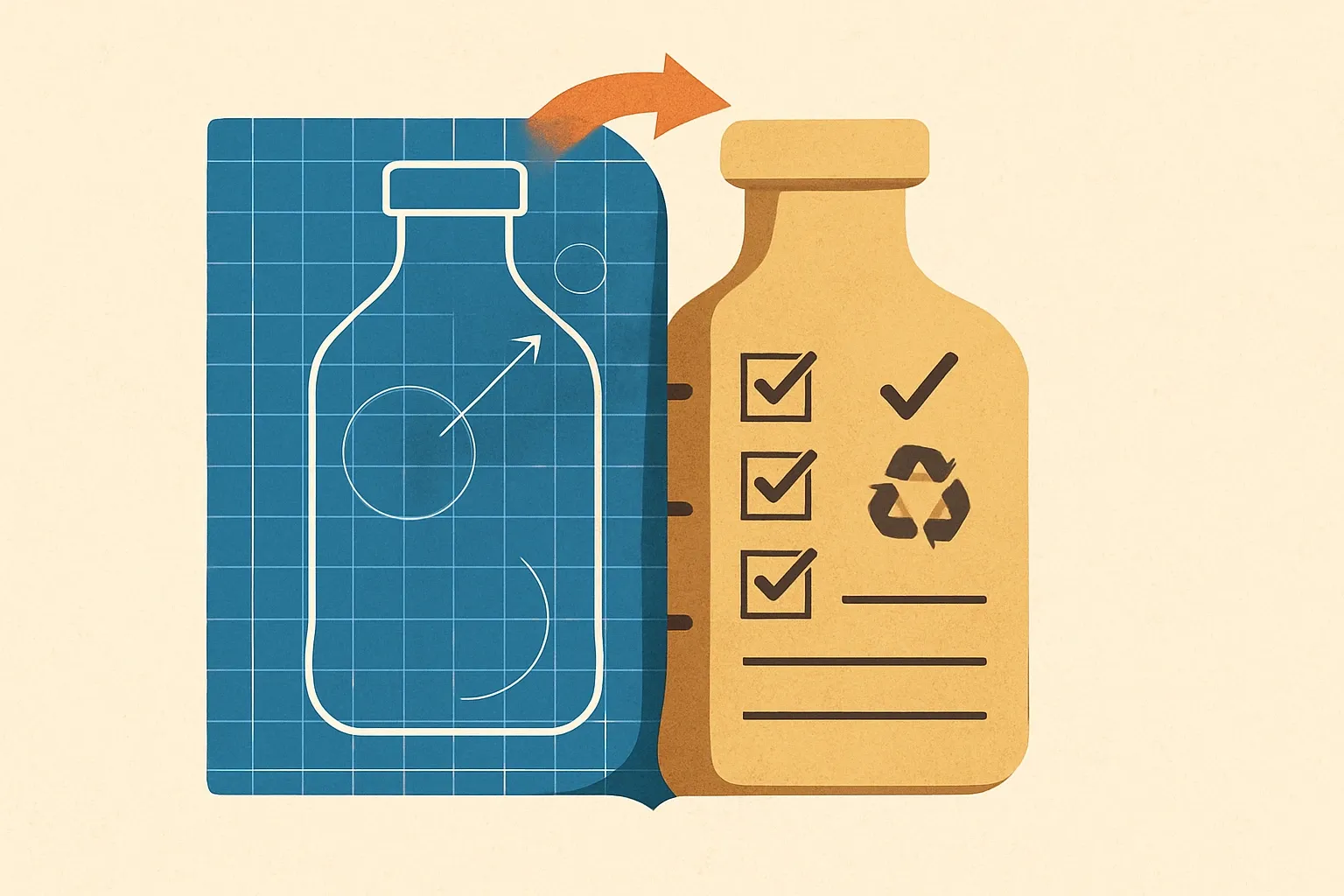
The MVI-criteriatool is the Netherlands’ national Sustainable Public Procurement criteria library. Buyers pick suitability requirements, minimum requirements, award criteria, and contract clauses across three ambition levels, then download ready-to-use text. The tool is also available in English, which helps export teams align fast (PIANOo, 2025) (PIANOo, 2025).
Why manufacturers should care
Public buyers influence a market worth about €116 billion per year in the Netherlands. Showing up with verifiable environmental proof is the shortcut to score in that arena (PIANOo, 2025).
Where EPDs slot into MVI
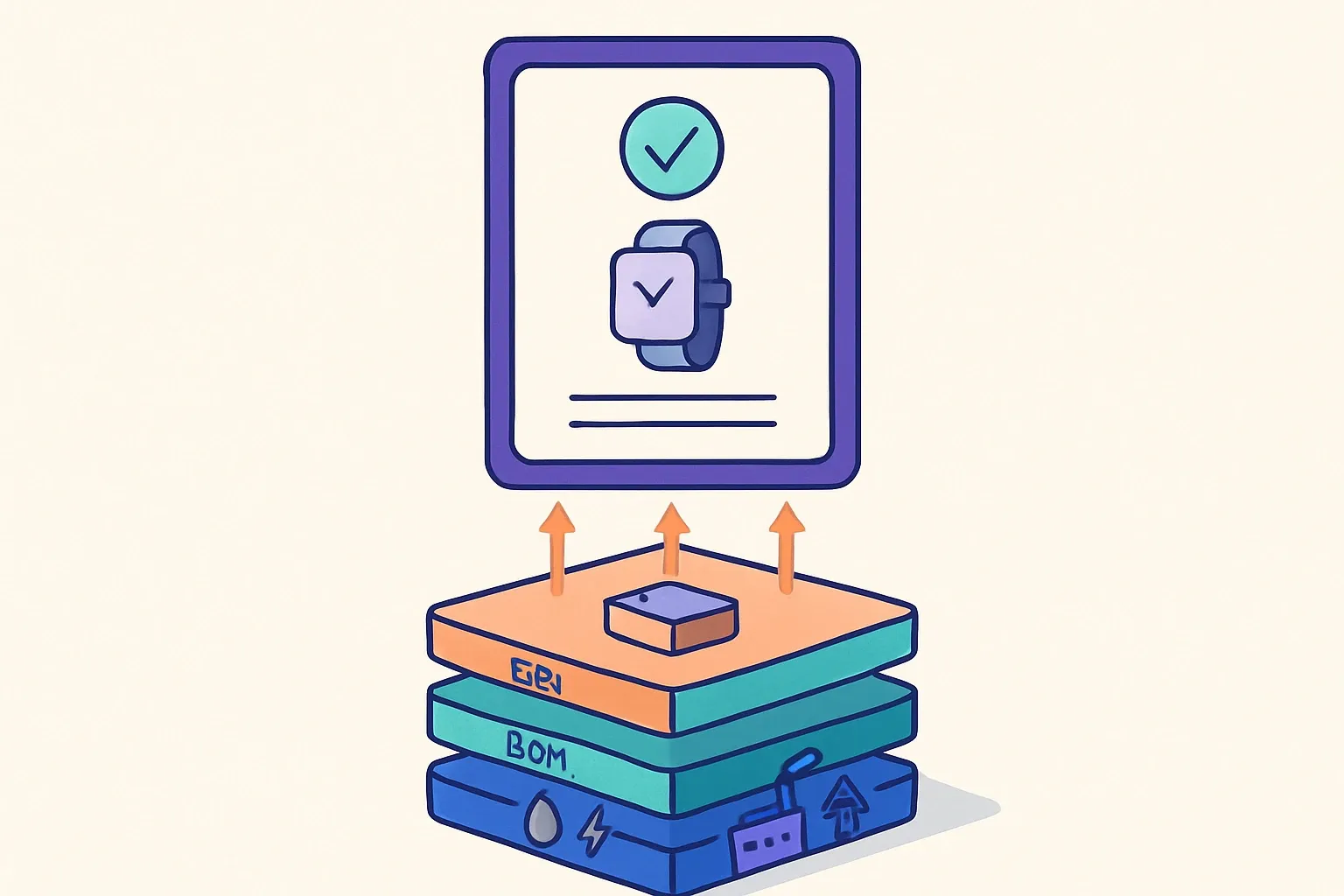
Many criteria ask for transparent, third‑party verified environmental information. In Dutch practice that proof must line up with the Dutch Environmental Database system so results feed cleanly into project assessments and procurement files (NMD, 2025) (NMD, 2025). Think of it like HDMI for sustainability data. If your numbers plug in, buyers see the picture instantly.
Buildings: MPG rules meet your product data
Under the current Building Code regime, new homes and large offices must have an Environmental Performance of Buildings calculation. Those calculations use NMD data, which makes product‑specific declarations that are mapped to NMD formats extremely valuable for specs and approvals (NMD, 2025).
Navigating environmental regulations for tender success?
Follow us on LinkedIn for updates that help you meet compliance and win projects.
Civil works: MKI and DuboCalc dominate evaluation
For roads, bridges, and earthworks, Rijkswaterstaat uses the MilieuKostenIndicator as an award criterion, calculated with DuboCalc. A revised MKI protocol v4.1 has applied since January 1, 2025, tightening how bids calculate and prove impacts. Lower MKI means a stronger best‑value score, so product data that drops into DuboCalc without friction can decide the outcome (Rijkswaterstaat, 2024) (Rijkswaterstaat, 2024) (Rijkswaterstaat, 2025).
What the data says about adoption
PIANOo’s latest self‑evaluation dataset covered 1,344 tender lots with a combined value of €15 billion in 2024, and highlights that tools like the MVI criteriatool are helping buyers embed climate and circular themes more consistently (PIANOo, 2025) (PIANOo, 2025). That is a big enough slice to shape market behavior even as coverage continues to grow.
Getting tender‑ready, fast
If you sell construction products, align your EPD plan with how Dutch buyers verify. Map your LCA to EN 15804 and ensure it can be entered in the NMD so your declaration is usable in MPG and MKI workflows. Aim for product‑specific data with transparent scenarios and declared units that match how tenders buy.
A simple manufacturer checklist
- Confirm the relevant product group criteria in the MVI Tool and note which items require verifiable environmental proof.
- Produce or update product‑specific EPDs aligned to EN 15804 and ready for NMD entry so data can flow into MPG and DuboCalc.
- Prepare short, buyer‑friendly verification notes that point to the declaration and NMD entry once available. This saves precious bid time.
Common pitfalls to avoid
Generic data can keep you visible, but it rarely wins a tight MKI contest. Submitting an EPD that does not map to NMD structures forces buyers to use fallbacks and can raise your assessed impact. Missing transport or end‑of‑life assumptions causes rework that slows teams down. It’s definately avoidable with good scoping up front.
What “ambition levels” mean for suppliers
The MVI Tool lets contracting authorities set base, significant, or ambitious requirements. As ambition rises, criteria shift from minimum thresholds toward scored performance and innovation. Suppliers with verifiable, comparable EPD data often earn points instead of only clearing gates, which changes margin math in your favor (PIANOo, 2025).
Tie it together
The Dutch SPP playbook is clear. The MVI Tool shapes what buyers ask. The Building Code’s MPG requirement and Rijkswaterstaat’s MKI protocol shape how they measure. EPDs that are ready for the NMD system make your product easy to evaluate in both worlds, which means fewer clarifications, faster decisions, and more wins when it counts (NMD, 2025) (Rijkswaterstaat, 2025).