First, where “mandatory” is accurate
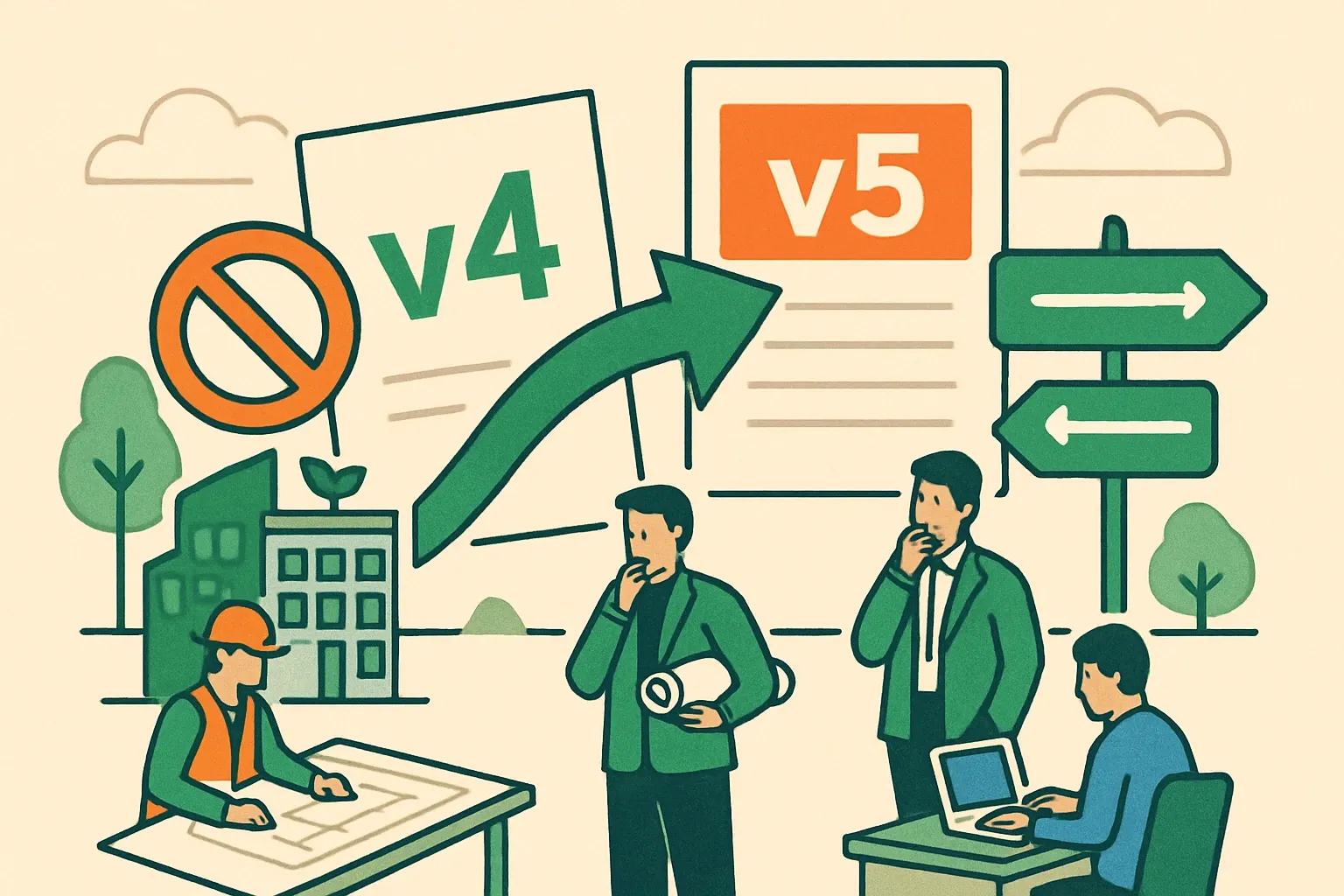
For new registrations in LEED BD+C, ID+C and O+M, v4 and v4.1 stop accepting registrations after June 30, 2026. On July 1, 2026, new registrations use v5 by default because older versions are closed for registration. That is the kernel of truth behind the headline. (USGBC LEED certification deadlines, 2026) (USGBC, 2026)
Where “mandatory” misleads
Already registered v4 and v4.1 projects are not forced to switch. They can continue, with certification accepted until June 30, 2032, and split reviews getting an additional 18 months for construction review after that sunset. Mandatory does not mean every active project flips versions overnight. (USGBC LEED certification deadlines, 2026) (USGBC, 2026)
Registration close vs. certification sunset
Treat registration close as the door you must walk through to pick a version, and certification sunset as the time you must hand in final work. The door for most v4 and v4.1 commercial systems closes June 30, 2026. The hand‑in window stays open until June 30, 2032. That difference shapes pipeline planning, messaging, and submittal checklists. (USGBC LEED certification deadlines, 2026) (USGBC, 2026)
The edge cases you will actually face
There is two exceptions that trip teams up.
- O+M Recertification and O+M: Interiors can still register until June 30, 2027, and sunset June 30, 2032.
- Campus and Group mostly follow the June 30, 2026 close, but adding a new project to an existing Master Site can register until June 30, 2027, and new Volume projects that reference an existing prototype can register until June 30, 2029. (GBCI, Mar 23, 2026) (GBCI, 2026)
These carve‑outs mean some customer conversations will still be about v4.1 well into 2027. Plan your FAQs and rep scripts accordingly.
The three big themes behind v5
LEED v5 centers decarbonization, quality of life, and resilience. Project teams will look for materials that prove carbon reductions, improve indoor air quality and health outcomes, and support continuity in the face of shocks. Framed plainly, v5 asks product data to tell a fuller story, not just a single attribute story.
Join Parq Pulse!
Stay ahead in construction materials by receiving weekly insights on product standards, environmental regulations, and market shifts.
Goodbye siloed MR credits, hello Product Selection & Procurement
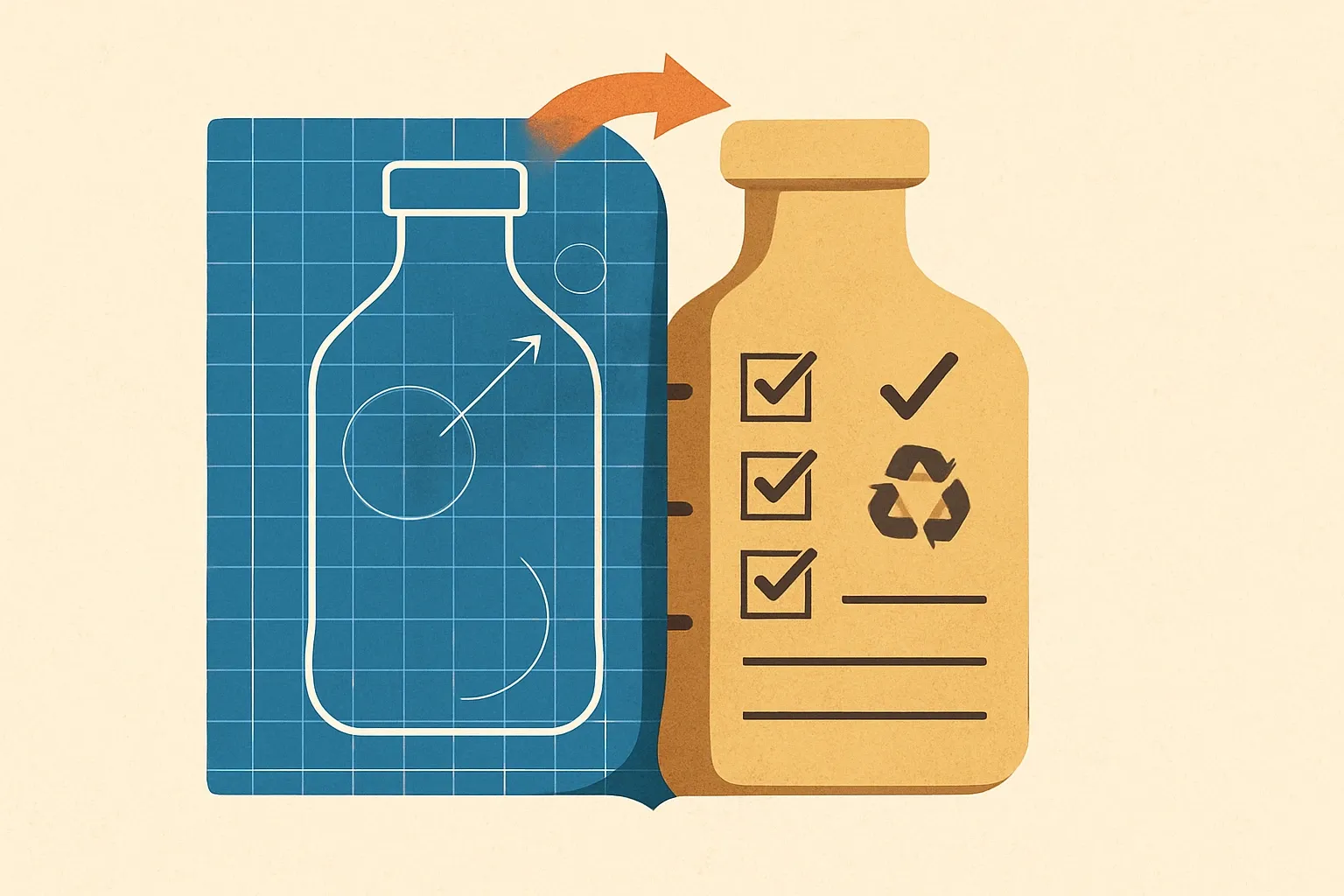
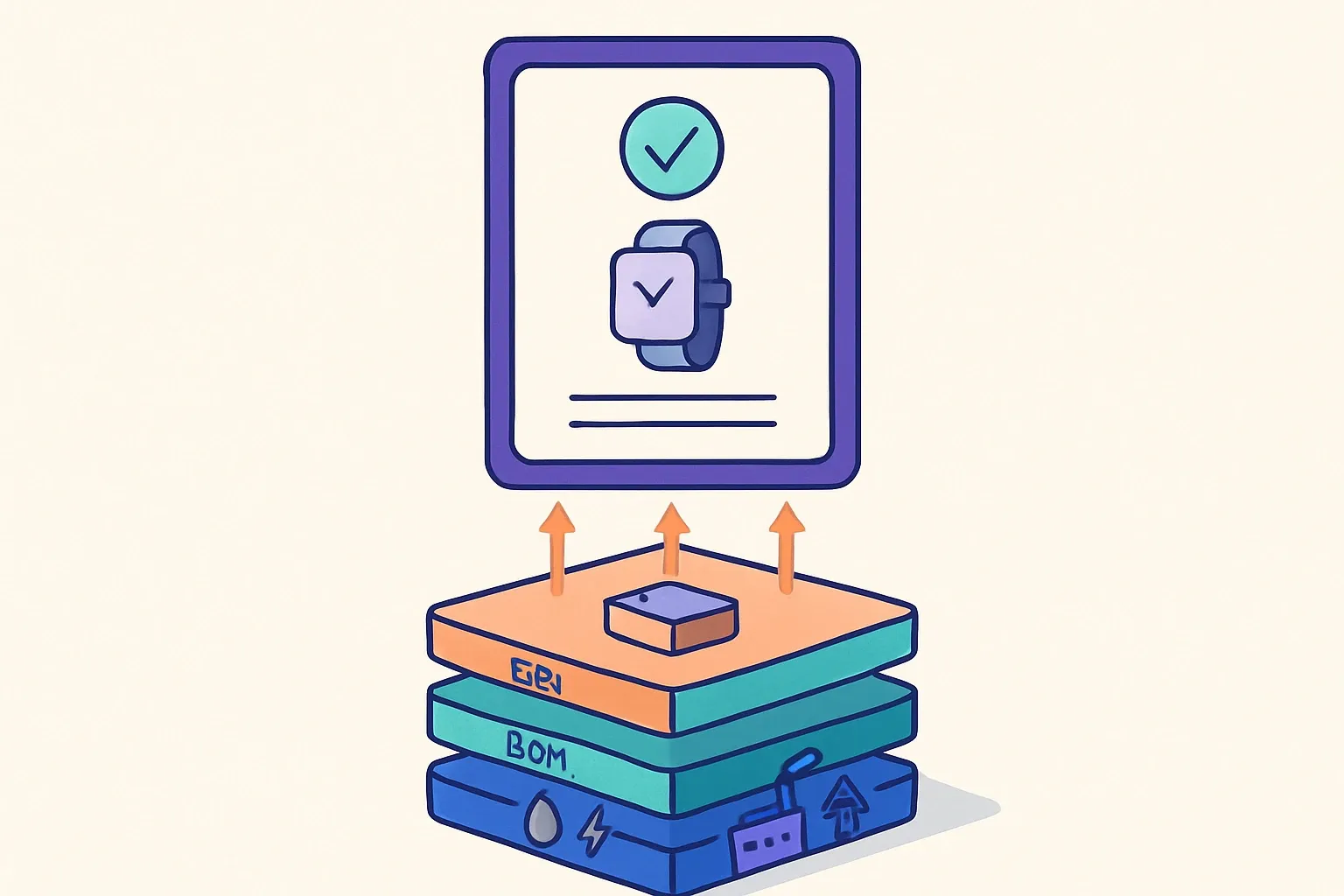
LEED v5 replaces the split of EPDs, material ingredients, sourcing, and circular economy pilots with a single multi‑attribute framework called Building Product Selection & Procurement. A product earns a combined score based on documentation across five criteria areas, with Level 1, 2, or 3 achievement and a maximum 5x multiplier per product. Scores are tallied in an Arc calculator for the credit. (USGBC BPSP Additional Guidance, Apr 2025) (USGBC, 2025)
What this means for messaging. Stop selling a lone badge. Start selling a portfolio of proofs that stack across climate health, human health, ecosystem health, social equity, and circularity.
What to say when someone asks “Are your products LEED v5 ready?”
Say exactly what v5 needs to see, not vague promises.
- “For v5 BD+C and ID+C, this product carries a product‑specific, third‑party verified EPD and an optimized reduction claim where applicable. It also has a published HPD to 1000 ppm, with third‑party verification to 100 ppm on our flagship line.”
- “We can supply declarations for recycled content and legal wood sourcing, plus take‑back details that align with extended producer responsibility criteria.”
- “Here is our BPSP mapping that shows the product’s multi‑attribute score across the five criteria areas, with document IDs and validity dates.”
These statements mirror the new framework and make life easier for specifiers who must enter data into Arc.
How this changes internal workflows
Marketing and sustainability teams should co‑own a BPSP document map per product family. Sales ops should version‑control submittal bundles so v4.1 projects receive the old credit framing while new registrations see the BPSP framing. R&D should time optimization updates to when declarations renew, so improvements turn into higher Level scores with minimal re‑work.
Procurement and channel impacts
Distributors and reps will field version questions through 2027 because of the exceptions. Give them a one‑pager that shows which SKUs have which documents, the date ranges, and a yes/no column for “meets Level 2 human health” or “meets Level 2 climate health.” Precision beats hype every time.
Avoid the common traps
- Calling all projects “v5” after July 1, 2026. Many active v4.1 projects will still be certifying through 2032. (USGBC, 2026) (USGBC, 2026)
- Assuming the old MR credit math still applies. It does not. The BPSP scoring table governs documentation value and caps the per‑product multiplier at 5. (USGBC, 2025) (USGBC, 2025)
- Forgetting the special pathways. Campus adds and Volume prototypes have later registration closes, which keeps v4.1 alive in some portfolios. (GBCI, 2026) (GBCI, 2026)
The takeaway manufacturers can act on now
After July 1, 2026, new commercial registrations use v5. Existing v4 and v4.1 work keeps moving toward a 2032 finish line. Build one clean, version‑labeled submittal bundle per product, map your documents to BPSP criteria, and brief every rep on the few real exceptions. That clarity will keep specs on track, avoid surprise re‑submittals, and defintely save late‑stage negotiation pain.