INIES in one minute
INIES is France’s national database for building product declarations. It houses FDES for construction products and PEP ecopassport for equipment, all third‑party verified and formatted for building LCA tools. As of December 9, 2025, INIES lists 5,432 FDES and 1,789 PEP, publicly accessible and ready for RE2020 workflows (INIES, 2025 INIES, 2025).
What RE2020 expects from product data
RE2020 measures carbon in two big buckets. Ic construction covers impacts from products and the jobsite. Ic énergie covers energy use over 50 years. From January 1, 2025, the Ic construction caps tightened to 530 kg CO₂e per m² for single family housing and 650 for multifamily, a 12 to 17 percent step down from 2022 levels (ADEME Batizoom, 2025 ADEME Batizoom, 2025).
INIES France RE2020, the short link
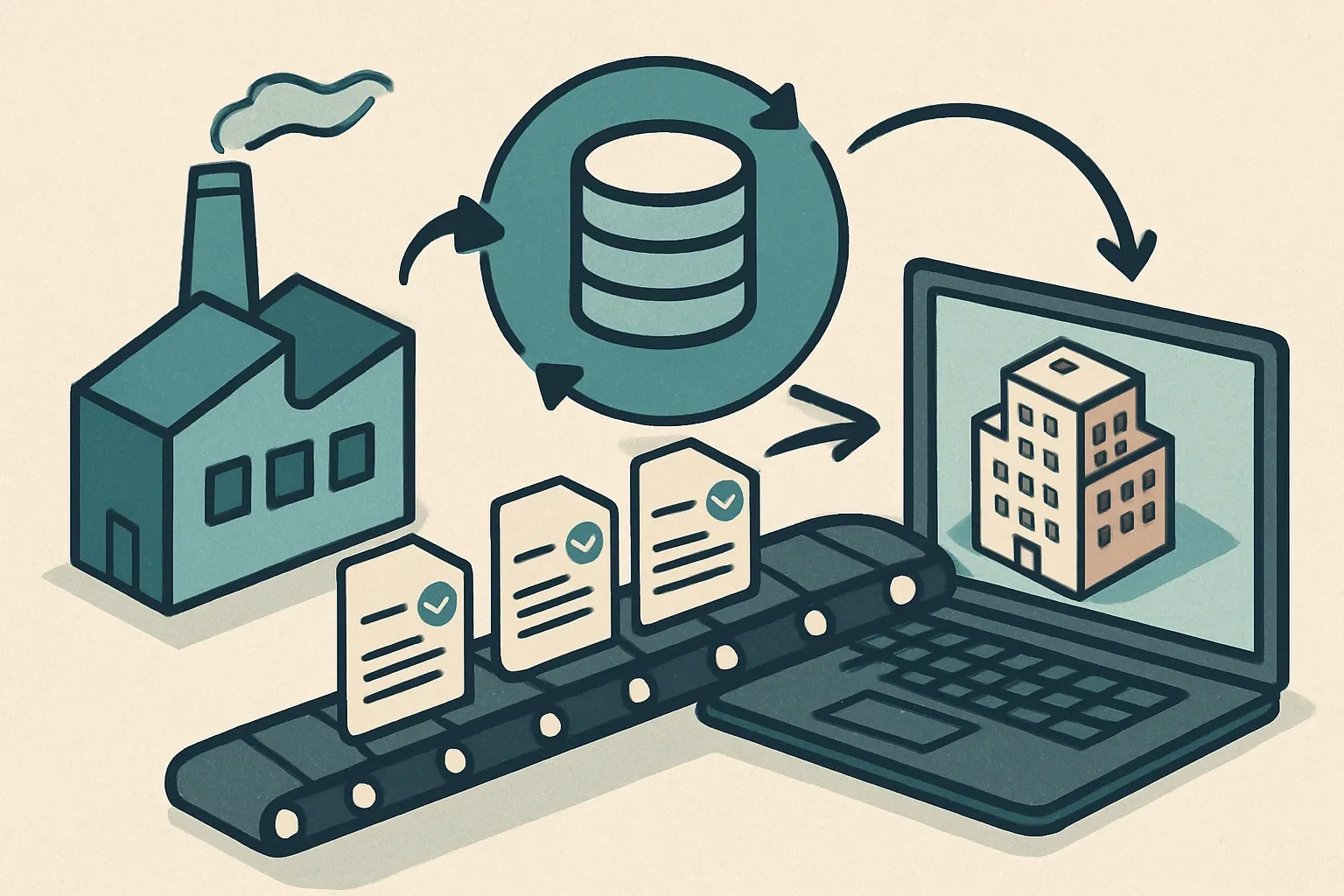
Two things make the pairing work. INIES provides verified, machine readable FDES and PEP. RE2020 software pulls those records directly through an INIES webservice so designers do not retype or reinterpret your numbers. When your product is missing, generic defaults fill the gap. Those defaults are conservative by design.
FDES vs PEP, and where your product fits
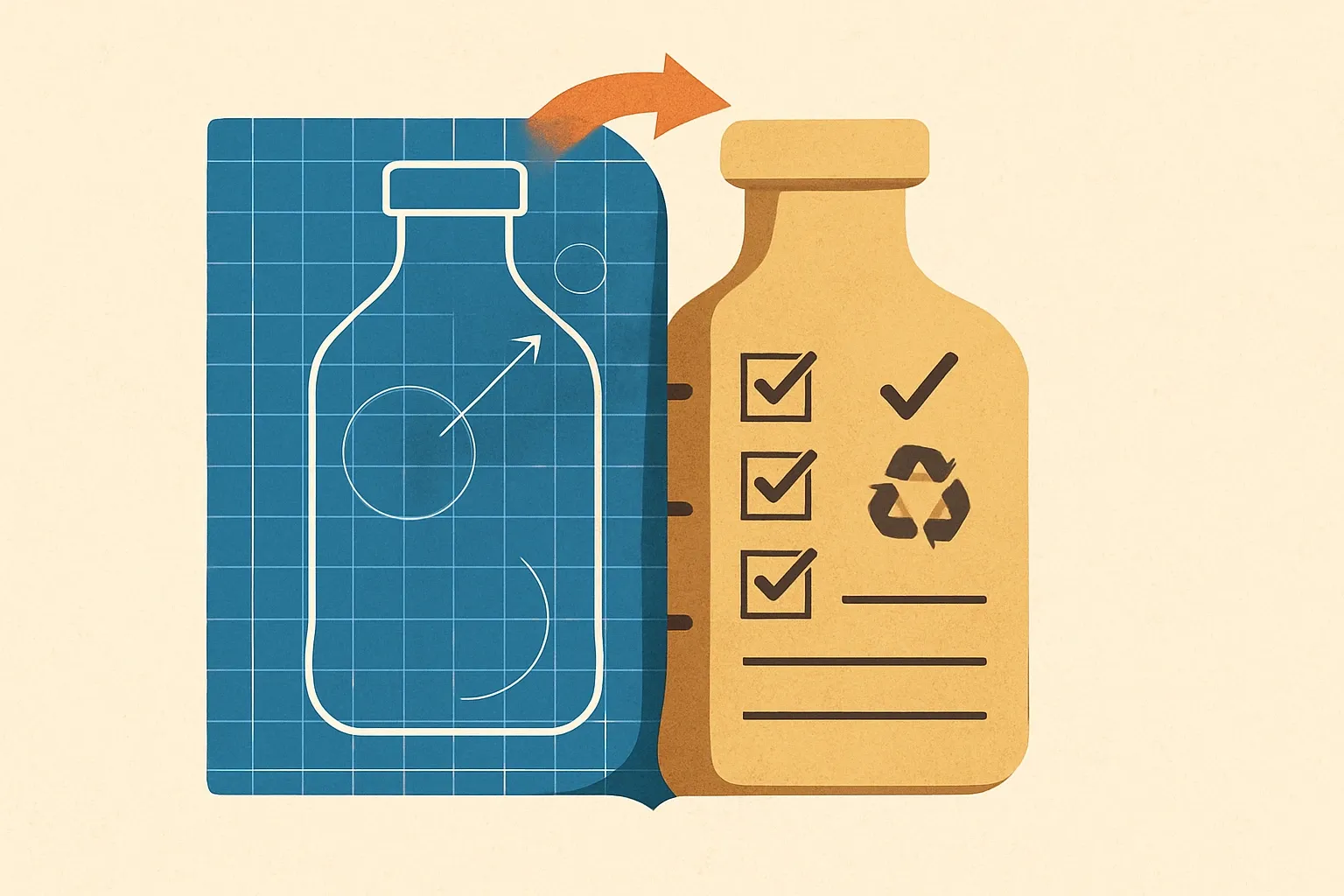
Think of a PCR as the rulebook of Monopoly. Ignore it and the game falls apart. In France, most building materials publish FDES aligned with EN 15804+A2 and the French national annex. Electrical, HVAC and related systems publish PEP ecopassport. Both are eligible for INIES after independent verification.
Can a non French EPD be used
Sometimes. EPDs from other European operators can map to French rules when they meet EN 15804+A2 and additional French requirements. INIES even provides guidance to translate some operator formats into FDES equivalents, then a verifier checks compliance before listing.
Navigating complex environmental regulations?
Follow us on LinkedIn for insights that help ensure your products get specified and compliant.
Why specific data beats defaults under RE2020
Designers model buildings to a tight Ic construction budget. If your FDES or PEP is present, they can count your product’s actual impacts. If it is absent, the software assigns generic values that can be higher than reality, which nudges the spec elsewhere. That is avoidable.
2024 to 2025 growth that signals buyer behavior
INIES crossed 6,324 total environmental records at year end 2024, including 4,560 FDES and 1,342 PEP. Biosourced products already made up 577 FDES, around 13 percent, and rose 29 percent year over year in that segment. The growth continued through 2025 with more than 6,000 declarations by April and 7,000 by November, a response clearly linked to RE2020 thresholds (INIES Baromètre, 2025 INIES Baromètre, 2025).
What changed exactly in 2025
The 2025 RE2020 step tightened Ic construction by roughly one sixth for housing types. Official communications confirm the shift and flag more calibration work ahead of the 2028 step, so teams should expect continued pressure to use product specific data and lower carbon materials (Ministry for Ecological Transition, 2025).
Practical path to an INIES listing
Pick the right PCR. Collect a clean reference year of plant data across energy, materials, waste and transport. Model to EN 15804+A2 with the French annex. Undergo independent verification through an INIES recognized program. Publish the FDES or PEP and register it in INIES so software can consume the digitized record. None of this should feel like busywork if your partner takes on the heavy lifting. Speed matters when a bid window is short.
Common pitfalls to dodge
Using a non updated PCR when a newer one is required at renewal. Dropping required modules beyond A1 to A3 when the category expects cradle to gate with options. Delivering PDFs without the digital dataset, which blocks software use. Waiting until a key tender to start, which forces designers back to generic defaults. One more: assuming a single product EPD covers a configurable family without documenting the ranges.
Looking ahead to 2028 and 2031
The trajectory keeps tightening. Housing steps drop again in 2028 and 2031, and offices and schools follow similar downward paths. Reliable cost averages for compliance are hard to pin down, yet the commercial signal is plain. Teams that publish complete, verified product data get considered faster, with fewer redesign loops.
Quick numbers to keep in your back pocket
France’s RE2020 Ic construction caps since 2025 are 530 kg CO₂e per m² for single family and 650 for multifamily. Education is at 770 in 2025, and offices at 810, all set to fall again by 2028 and 2031 (FFB, 2025; Ordre des Architectes, 2025). INIES visible counts as of December 2025 show thousands of specific records that project teams prefer to defaults when they can choose them (INIES, 2025).
The takeaway for manufacturers
Put simply, being in INIES converts effort into spec probability. It reduces modeling friction, de risks compliance, and protects margin when price is not the only lever. If you want a defintion of urgency, it is a designer opening a model and seeing either your FDES or a generic row. Make sure they see your FDES.