What “human impact” means in v5 interior work
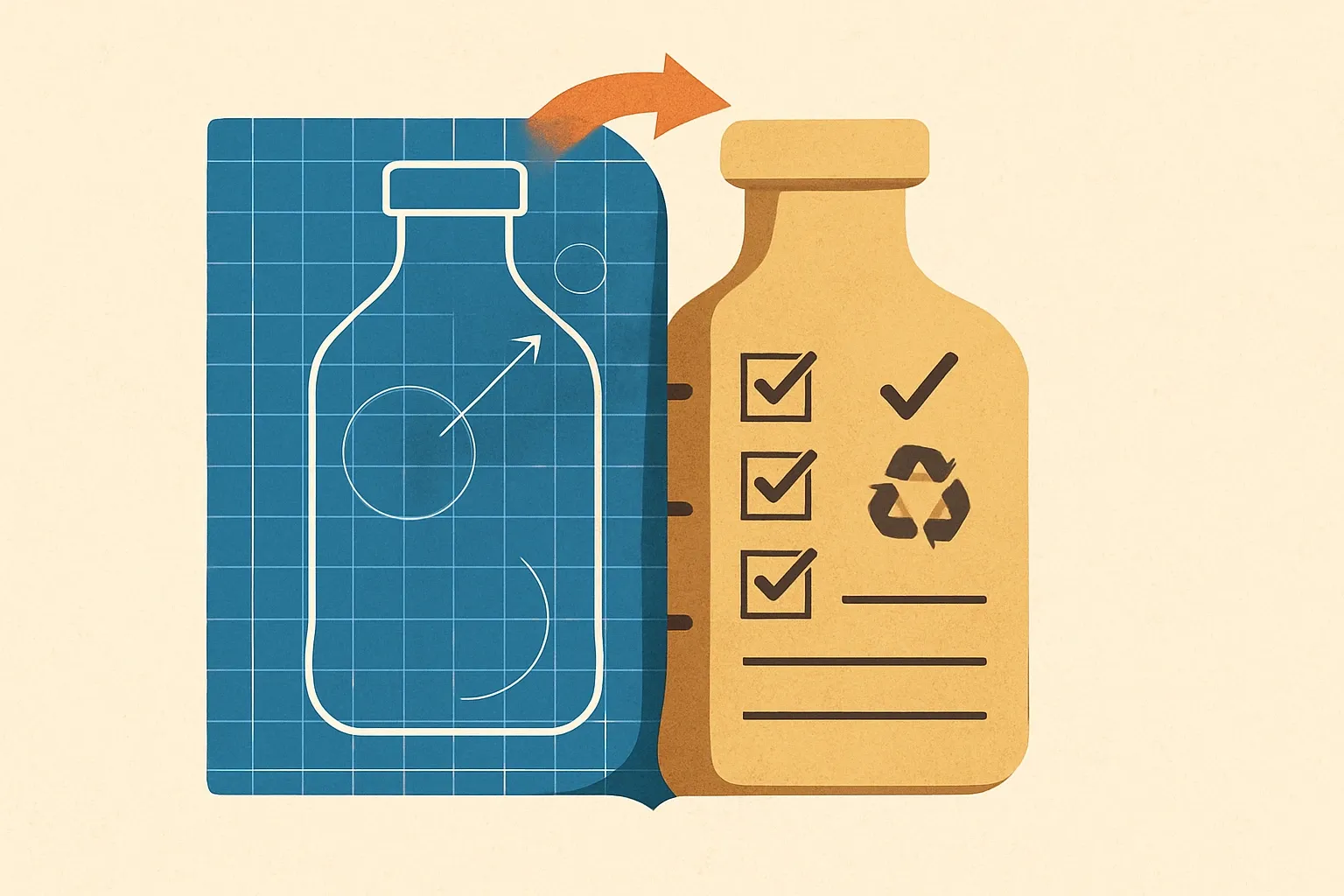
LEED v5 uses quality of life as a practical lens on materials. It prioritizes strategies that reduce exposure to harmful substances, improve everyday experience, and reflect equity and community impact. For interiors, that means ingredient transparency, cleaner indoor air, noise and glare comfort, and choices that do not compromise occupant well‑being.
The registration clock that changes your 2026 timeline
New commercial BD+C, ID+C, and O+M registrations move to v5 after June 30, 2026. Already‑registered v4 or v4.1 projects may proceed on their own sunset schedules, but fresh registrations will use v5 starting July 1, 2026 (USGBC Deadlines, 2026).
From single labels to multi‑attribute product scores
LEED v5 replaces siloed MR credits with the Building Product Selection & Procurement credit. Products now earn points through a multi‑attribute score across five criteria areas: human health, climate health, ecosystem health, social health and equity, and circular economy. Scores are tiered by achievement level with 1x, 2x, or 3x values and a 5x cap for any one product (USGBC BPSP Guidance, 2025). This reframes positioning from “we have X label” to “this SKU delivers a higher combined score across people, planet, and circularity.”
Health signals architects will look for first
Expect faster traction when ingredient disclosures are complete and verified. The guidance values HPDs disclosed to 1,000 ppm at Level 1 and third‑party verified to 100 ppm with avoidance of chemicals of high concern at Level 2 (USGBC BPSP Guidance, 2025). Declare and Cradle to Cradle Material Health certificates also slot cleanly into this scheme. Low‑emitting claims still matter, but v5 conversations start earlier in the chain with what is in the product and how hazards are screened.
Carbon stays in the story, but it is not the whole story
The climate health track rewards a product‑specific Type III EPD at Level 1 and recognizes “optimized” reductions at higher levels. The current thresholds show >20% GWP reduction as one step and >40% GWP plus >10% in three additional impact categories for the top step (with corresponding multi‑attribute points) (USGBC BPSP Guidance, 2025). That means a lower‑carbon profile is powerful, yet a strong health disclosure can lift the total product score further.
Join Parq Pulse!
Stay ahead with weekly insights on LEED v5, product health, and environmental standards to win more projects.
Procurement is now a framework, not a scavenger hunt
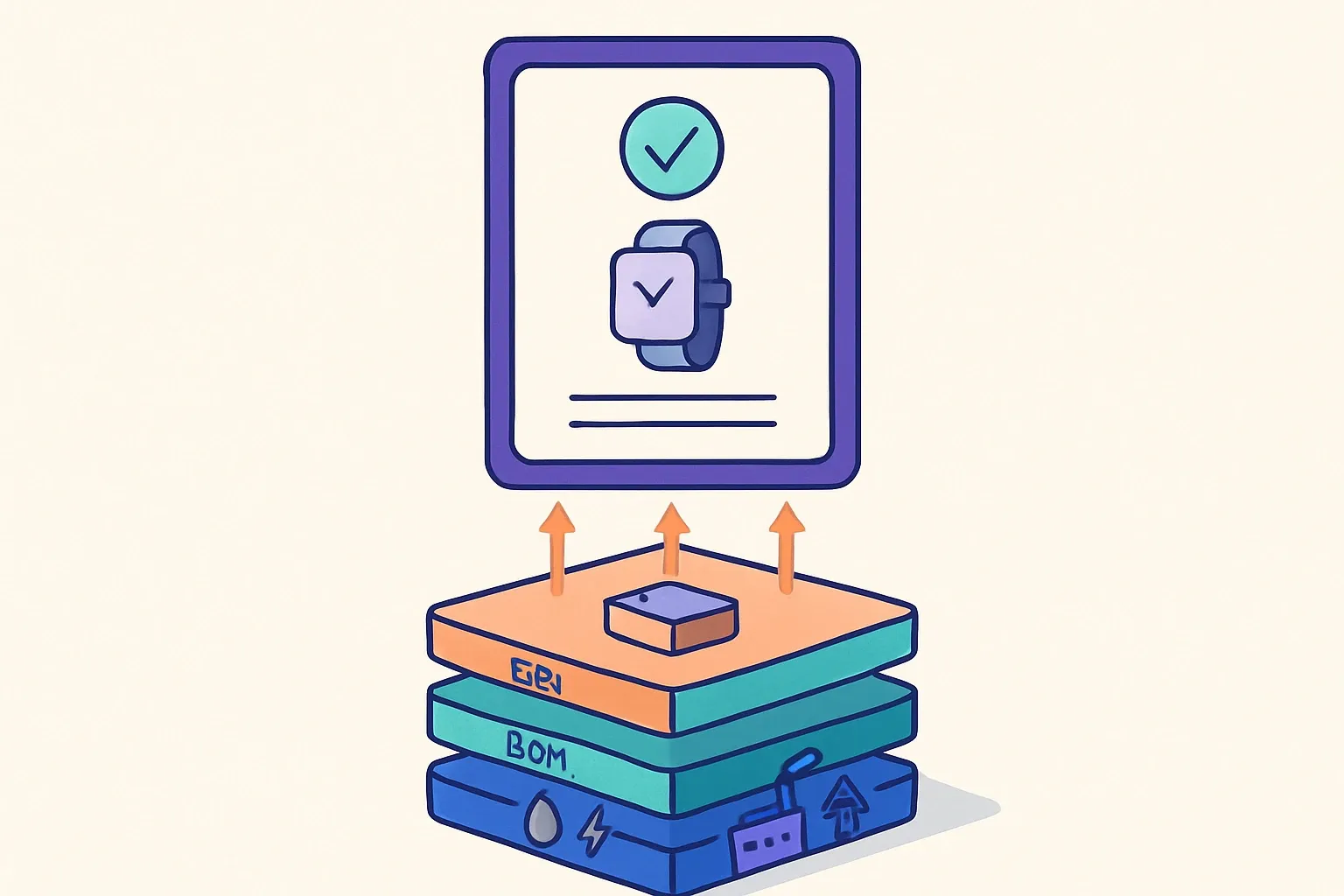
Submittals should mirror the five criteria areas so design teams can drop documentation straight into the Arc calculator. Provide clear product names and SKUs, quantity units, and direct links or IDs for each document. Bundle proofs that stack without double counting across one criteria area. When documentation is organized this way, reviews move faster and substitutions slow down.
Messaging shifts that land with specifiers
Speak in outcomes that matter at the room scale. Instead of “we have an HPD,” try “full 1000 ppm disclosure with third‑party verification in progress, targeting 100 ppm next revision.” Replace “low VOC” with “verified ingredient screening and certified emissions compliance for occupied hours.” Tie claims to use types like classrooms and patient rooms so quality‑of‑life benefits feel real.
Workflow updates inside manufacturers that pay off
Create a simple matrix that maps each interior SKU to its five criteria‑area scores, the doc owner, and next upgrade. Align R&D and sourcing on which Level 2 health target is attainable this year and which circularity attribute can be unlocked through takeback or EPR. Maintain a renewal calendar for HPDs and EPDs so documents do not lapse mid‑pursuit. It sounds basic, but this is where specs are either won or quietly lost. It’s definately worth formalizing.
Selection tradeoffs will look different
Designers can now pair a product with strong human health and social equity proofs with another that leads on climate and circularity to meet a space‑type goal. That calls for flexible portfolios. Interior categories like flooring, wall systems, ceilings, casework, and systems furniture benefit when at least one hero SKU achieves Level 2 in health plus a credible climate score. The conversation shifts from one perfect label to a set that performs together.
A practical play for interior product teams
- Map the five criteria areas to current documents, then identify the fastest lift to a higher score for two best‑seller SKUs.
- Rebuild submittal packets so each proof is labeled by criteria area and achievement level, with document IDs visible.
- Update product pages with a compact “quality‑of‑life” block that translates disclosures into plain benefits like cleaner occupied hours, fewer hazard flags, and better occupant experience.
The takeaway for manufacturers and specifiers
LEED v5 rewards products that prove multiple kinds of value at once. Human impact sits beside carbon, not behind it. Teams that streamline documentation and speak the five‑area language will help architects make confident interior choices with fewer back‑and‑forths and less risk of late swaps. That is the conversation that moves specs across the line.