What was published
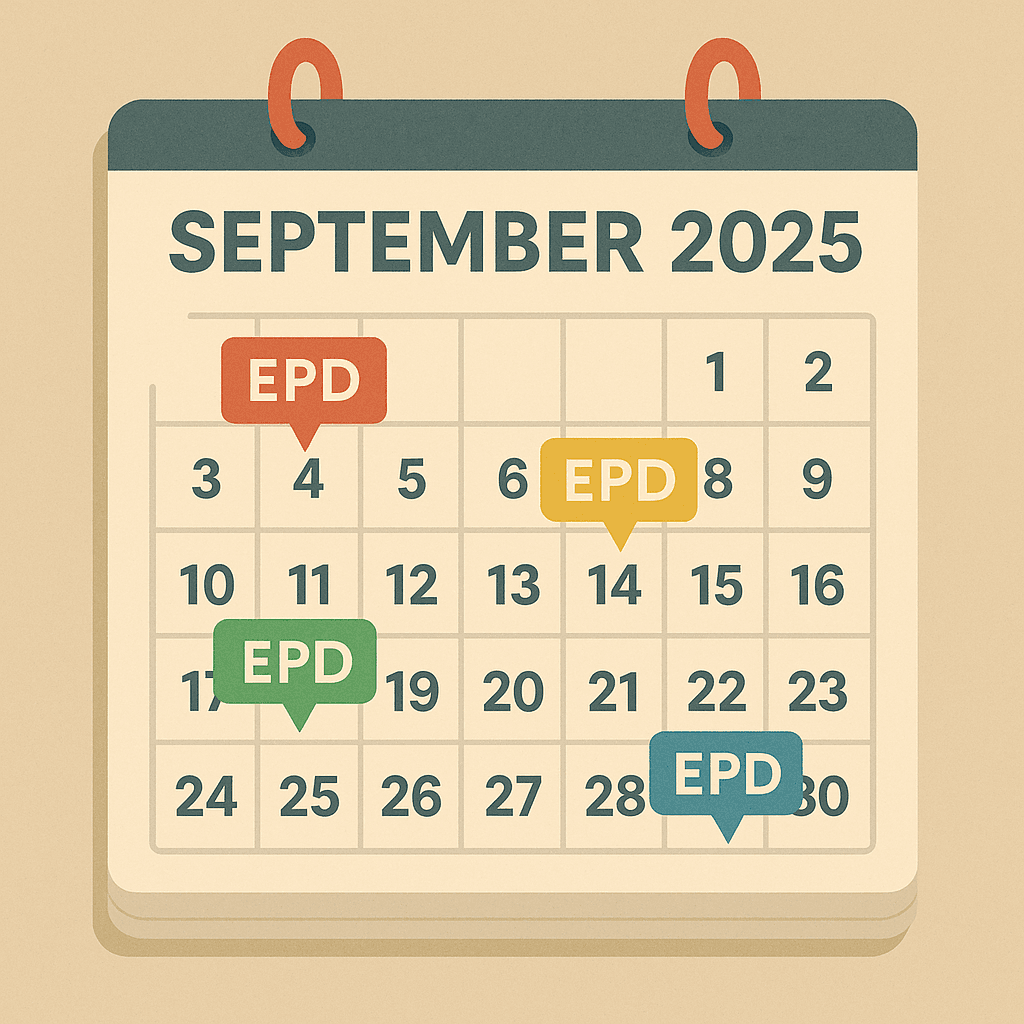
Safe At Site now has four product‑specific EPDs in market. The set covers ProGuard CB803, CB803E, CB806 and ProGuard City, reflecting a family scope rather than a single one‑off. All four are issued by EPD Hub and carry current validity into 2030. The public listings do not name a separate LCA developer, which is common for streamlined operator workflows.
Why this matters for bids and specs
Temporary and semi‑permanent road barriers increasingly sit inside carbon‑aware procurement. Without a product EPD, project teams default to generic factors that add a quiet penalty. A verified declaration puts ProGuard into fair comparisons, so selection is not forced to hinge on price alone when carbon targets are in play.
The products behind the data
ProGuard CB is designed for heavy traffic and high speeds, tested to EN 1317‑2 classes noted on Safe At Site’s product pages. ProGuard City targets tighter urban geometry and can connect with pedestrian and cyclist barriers for continuous protection. That split gives buyers coverage from highway lane closures to constrained city works.
Work for Safe At Site or a competitor?
Follow us for a product-by-product competitive analysis to see which ProGuard barriers win specs and how EPD coverage stacks up against Saferoad and others.
Competitive snapshot: who else is transparent here
- Saferoad Sverige AB actively publishes multiple EPDs for steel and aluminum road restraint products via EPD Norway. Those cover railings and bridge systems rather than temporary work‑zone CB‑style barriers, so direct apples‑to‑apples EPDs for temporary barriers are not visible from them at this time.
- Saferoad Traffic AS lists an EPD for traffic signs, not for temporary vehicle restraint barriers. Useful transparency, different category.
- Svevia AB publishes EPDs for road marking materials and asphalt mixes. Again, adjacent to work‑zone safety but not the same barrier class.
Taken together, Safe At Site has entered the transparency arena where few peers have declared temporary road‑work barriers yet. That narrows substitution risk in projects that need proven impact data and gives procurement an immediate like‑for‑like within this niche.
Commercial read: timing looks smart
Regulators and large owners are tightening carbon requests across Europe, and LEED v5 is steering more projects to product‑specific disclosures in North America. Teams that can answer the EPD question quickly keep bid cycles moving. For barriers that move from site to site, that speed turns into a repeatable sales enablement habit, not a one‑and‑done brochure line.
Where to find the products
Product information for ProGuard CB is here: https://safeatsite.com/en/proguard-cb/. As of January 5, 2026 we did not locate a public EPD download page on safeatsite.com. Adding a visible EPD hub or documents to product pages will help estimators and engineers grab proofs fast. It sounds small, but it saves hours on busy tender weeks and avoids back‑and‑forth that slows everyone down.
What to do next if you’re sizing an EPD push
Pick the product families that make or break revenue, then mirror the PCR choices your target specs already use. The easier you make data collection across plants and suppliers, the faster your first declarations go live. Most teams see that the effort pays back quickly because projects that require EPDs are often the ones with durable volume. And yes, these prodcuts deserve that visibility.
Bottom line
Safe At Site’s first four EPDs convert a strong safety story into verifiable environmental credentials. That catches up in transparency where it counts and creates daylight in a category where competitors have focused elsewhere. Welcome to the arena.