What landed, and why it matters
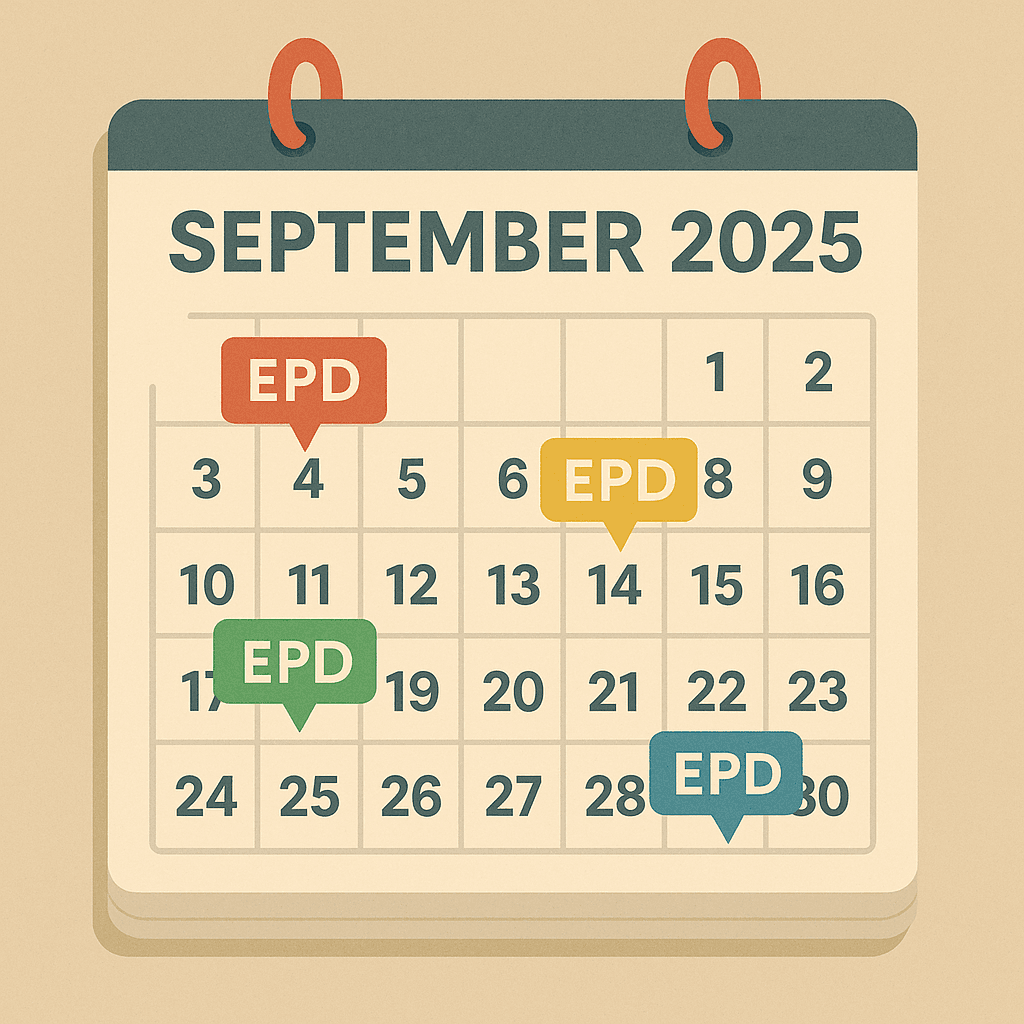
Patcraft has added four product‑specific EPDs to its portfolio this week. In practical terms, more of their carpet and resilient platforms can now be documented with third‑party verified impacts. That shrinks friction in early design and keeps Patcraft in the mix when carbon targets tighten.
Visibility in EC3 and the short lag to watch
As of May 11, 2026, the four new records are not yet visible in EC3. That delay happens sometimes when program operator posts precede database ingestion by a few days. Reducing this gap helps specifers find compliant products faster. If your team needs future EPDs to list in public hubs within days, reach out via LinkedIn or email.
What the recent pattern suggests
Patcraft’s newest visible entries in public records cover family‑level carpet tile EPDs for EcoWorx M with EcoSolution Q100 or EcoSolution Q face fibers under UL as operator, which bundle multiple styles and face weights rather than single SKUs. That pattern signals efficiency for libraries and submittals. Expect the May 2026 set to continue widening coverage across key soft surface platforms.
Join Parq Pulse!
Stay ahead with weekly insights on environmental declarations and industry trends to win projects and meet sustainability goals.
Program operators and where to look
Historically, Patcraft publishes with UL for North America, SCS for select resilient lines, IBU for bio‑based polyurethane, and EPD International AB for EMEA resilient formats. Examples already live publicly include EcoWorx Resilient Dryback on EPD International AB and an LVT declaration via SCS Global Services. See representative listings here: EPD International AB example and SCS LVT example.
Competitive frame
Interface, Mohawk Group, and Tarkett all offer broad EPD coverage in carpet tile and resilient. A fresh four‑EPD lift strengthens Patcraft’s parity across more SKUs and can tilt shortlists when design intent calls for moisture‑tolerant backings or low‑carbon nylon options. In busy interiors work where time kills deals, fewer gaps in declarations often decides who stays specified.
Why spec teams should care
A product‑specific, third‑party verified EPD removes the conservative penalties that kick in when only generic data is available. That can protect design choices while staying aligned to client carbon goals under LEED v5 and owner standards. One well‑placed declaration can keep an entire collection from being swapped late in the game.
What to do next
If you are on the Patcraft team, add these four EPD links directly to product and sustainability pages so they surface in search and in digital binders. Make sure PDFs are mirrored on collection pages and the sustainability hub. Also consider listing on epd.directory to centralize discoverability for design firms that standardize their sourcing.
Where this positions Patcraft
This batch reads as a deepening move inside core categories rather than a new‑category leap. That is smart. Doubling coverage across top sellers raises win‑rate without re‑educating the market. Keep the cadence tight so newly launched collections enter with EPDs on day one, not quarter three.
Closing thought
Specs are won by teams that make selection easy. Four new EPDs in the same week shows momentum and operational discipline. Keep the listings visible, keep the cadence steady, and the market will do the rest, quickly.