What an EPD standard actually governs
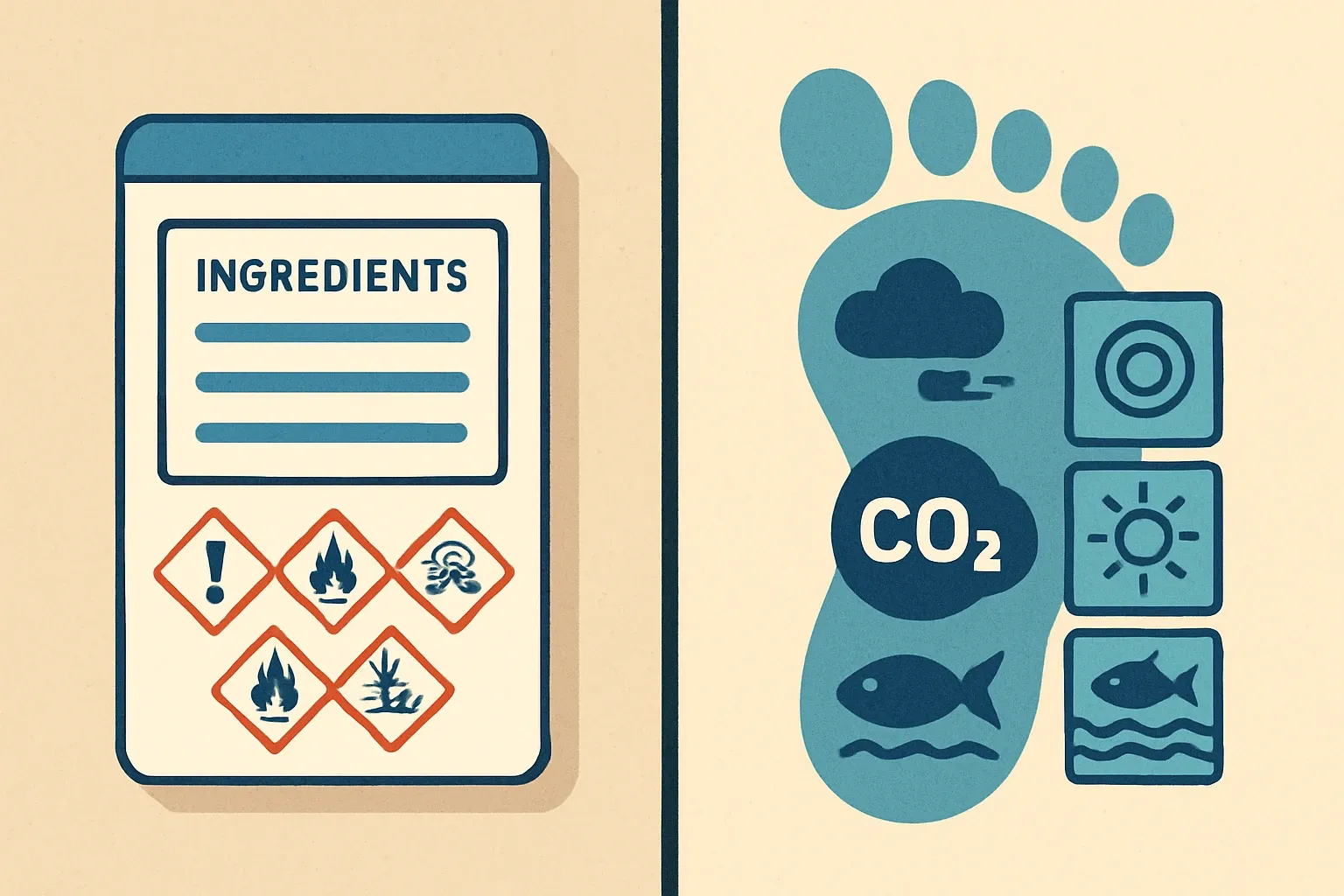
An Environmental Product Declaration is a Type III label built from a life cycle assessment. Think of the standard as the Monopoly rulebook. Ignore it and the game falls apart. The rulebook sets how you model the product system, which impacts to report, which life cycle stages to include, and how independent verification happens so specifiers can trust the numbers.
The big three you’ll see most often
ISO 14025 defines the framework for Type III declarations across industries. EN 15804 is the go‑to for construction products in Europe. ISO 21930 aligns with EN 15804 and is widely used for construction products globally, including North America. Many program operators accept either EN 15804 or ISO 21930 as the technical backbone, provided the correct Product Category Rules are applied.
Program operators and PCRs, in plain English
Program operators publish the house rules and oversee third‑party verification. Examples include The International EPD System, IBU, UL, ASTM, and SMART EPD. Product Category Rules sit under the standards and tailor methods for a product family. A good shortcut is to scan competitor EPDs, note the PCR they cite, and check its currency and scope alignment before you commit.
Validity periods and data windows that trip teams up
Most construction EPDs are issued with a 5‑year validity period set by program operator rules, after which they must be updated to remain current (International EPD System, General Programme Instructions 5.0, 2024) (EPD System, 2024). LCA foreground data typically needs to represent a recent 12‑month period, not a stitched patchwork from several years ago (IBU General Rules for the EPD Programme, 2023) (IBU, 2023). Picking and freezing a clean reference year early prevents rework.
Scope and modules change the story
Construction EPDs map results to life cycle modules. A1 to A3 cover raw materials and manufacturing. A4 and A5 capture transport to site and installation. B modules track use phase. C modules cover end‑of‑life. Module D reports benefits and loads beyond the system boundary. Being explicit about which modules you include keeps comparisons fair and avoids apples to oranges pitches.
Navigating EPD standards to win tenders?
Follow us on LinkedIn for updates that help you understand the standards that matter for your projects.
Impact methods you’ll read on page one
EN 15804 under its A2 amendment uses the Environmental Footprint method. North American PCRs may specify TRACI. Neither is “better” by default. They are different lenses. If buyers compare your GWP to a competitor, check you are both using the same method and the same module set before drawing conclusions. It sounds obvious, yet it’s a common pitfall.
EN 15804 vs ISO 21930 in practice
EN 15804 is often mandatory in European tenders for construction materials. ISO 21930 mirrors the structure and can be a smoother fit for North American data and supply chains. Many global manufacturers publish to both to meet regional expectations. If you only choose one, follow the one used by the majority of EPDs already referenced in your target projects.
Verification that buyers can trust
Third‑party verification is not a sticker. It is a documented review against the applicable standard, the PCR, and the operator’s rules. Verifiers check data quality, allocation choices, cut‑off criteria, and calculations. Strong verification notes are your defense when a specifier or GC digs into assumptions.
Digital publishing and discoverability
Publishing through a recognized operator gets your EPD into the ecosystems specifiers actually use. That usually means an operator registry plus national or sector databases. Make sure your product name, model ranges, plant identifiers, and modules are machine readable. If your EPD is hard to find, it might as well be in a drawer.
When regulations shift, the logic still holds
Policy winds change. Federal incentives may ebb. Yet owners, GCs, and design teams continue to set embodied‑carbon targets, and project documentation still prefers verified, product‑specific EPDs. That keeps you in the conversation on projects with carbon accounting requirements instead of getting filtered out before the shortlist. We see this pattern across sectors, definitily.
A quick decision map you can act on
If a buyer asks for “epd standards” or names EN 15804, confirm whether the tender expects EN 15804 or ISO 21930. Pull competitor EPDs and list their PCRs and modules. Check the PCR’s expiration timeline and whether an update is imminent. Lock a recent 12‑month reference year and line up the data owners before modeling. Choose a program operator familiar with your product category and required market.
Tying it together
Standards set the playing field. PCRs define the positions. Program operators referee the match. Pick the right trio, publish cleanly, and your EPD becomes a credible sales asset rather than a compliance chore. That is how teams move from reactive paperwork to repeatable wins without burning cycles on avoidable do‑overs.