EN 15804 in one minute
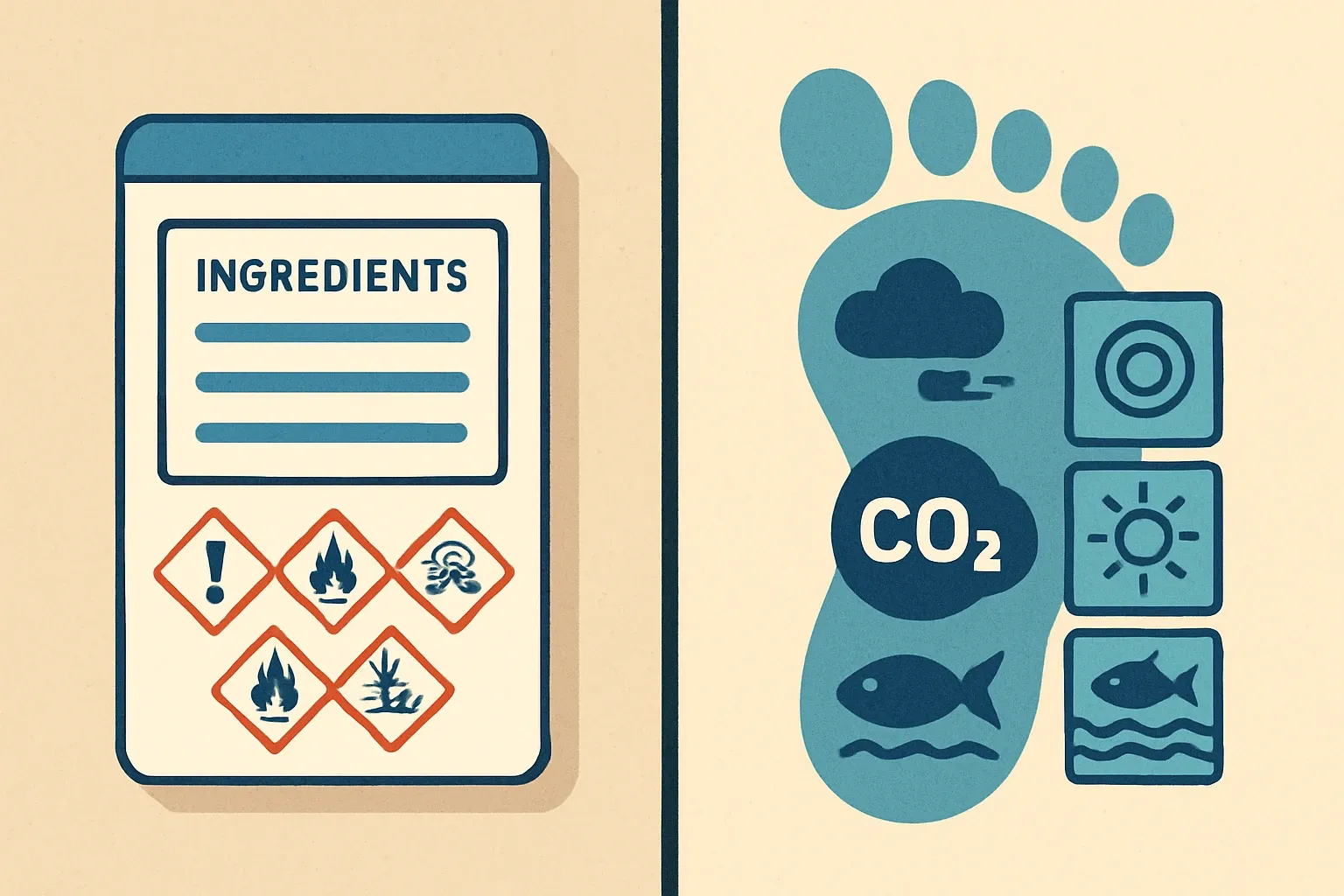
EN 15804 sets the core rules for construction product EPDs in Europe and, increasingly, for global buyers who want apples‑to‑apples results. Think of it as the grammar book that keeps LCAs readable across products, countries, and program operators.
A1 or A2, and why that difference matters
Most new EPDs now follow EN 15804+A2, which refined impact indicators and tightened guidance. Major European operators ended their A1 transition long ago. IBU states its A1 transition period expired in October 2022, and only A2 applies in their program (IBU, 2025).
What an EN 15804 EPD actually includes
Every declaration follows a Product Category Rule that references EN 15804. The PCR translates the standard into product‑specific instructions, then a verifier checks the work before publication under ISO 14025. Under A2 you will see greenhouse gas reporting split into fossil, biogenic, and land‑use change contributions, shown alongside a total.
Indicators that trip teams up under A2
A2 keeps the familiar categories like acidification and eutrophication and adds clarity on climate reporting. The International EPD System made GWP‑GHG an additional mandatory metric alongside the A2 core set in late 2024, which many specifiers now expect to see in tables (EPD International, 2024).
Modules A through D, translated for real life
A1 to A3 cover raw materials and manufacturing. A4 and A5 capture transport to site and installation. B‑modules describe use, maintenance, and replacements. C‑modules record end‑of‑life. Module D reports benefits beyond the system boundary, for example scrap credits or energy recovery. Buyers scan the scope first, then the numbers.
Struggling to navigate EN 15804 for EPDs?
Follow us on LinkedIn for updates that clarify standards and boost your project's success.
PCRs you will meet on the way
For construction products published in the International EPD System, the workhorse PCR is 2019:14. Version 2.0.0 landed on April 7, 2025, with an editorial 2.0.1 update on June 5, 2025, and is valid to April 7, 2030 (EPD International, 2025). If you maintain a portfolio, track your active PCR versions to avoid last‑minute rewrites.
Validity periods and what “expired” means to sales
EPDs typically carry a five‑year validity window, after which they must be renewed to remain market‑useful. The International EPD System states validity is normally five years, set at verification, with mid‑cycle updates required if impacts worsen by more than 10 percent (EPD International FAQ, 2025). Teams that plan renewals 6 to 9 months ahead rarely lose momentum in bids.
Program operators in the EN 15804 world
Well‑known operators include the International EPD System, IBU, BRE, UL, and Smart EPD. Many are part of ECO Platform, which aligns procedures and enables cross‑market recognition. Operator choice affects templates, verifier availability, and lead times more than the LCA math, so pick for reliability and fit with your target markets.
Where EN 15804 meets LEED v5
LEED is tightening how projects account for embodied carbon. LEED v5 was ratified by USGBC members on March 28, 2025, with registration pathways opening thereafter (USGBC, 2025). Product‑specific, third‑party verified EPDs aligned with EN 15804 remain the easiest way to keep your product in play when projects chase points and stricter carbon targets.
Commercial upside and common pitfalls
An EN 15804‑aligned EPD removes guesswork that can otherwise push your product out of consideration when teams model whole‑building carbon. The biggest pitfalls are messy data handoffs, unclear plant boundaries, and leaving Module A4 empty even when logistics are known. This stuff sounds dry, but it moves revenue.
Getting from factory data to “publish” with less pain
Pick an LCA partner that does heavy lifting on data collection across plants, meters, and ERP exports, not one that sends a spreadsheet and wishes you luck. Ask how they manage multi‑plant allocations, prospective EPDs for new lines, and PCR change tracking. If they cannot show a precise project plan, you will feel it later, trust us. You shouldn’t have to chase twelve spreadsheets to recieve a credible EPD.
Make EN 15804 work for you, not against you
Start by mapping product families to the right PCR, confirm operator timelines, and lock a realistic data window. Decide up front whether to publish A4 and installation scenarios, then gather evidence once. Keep a simple renewal calendar on the wall. When buyers ask for “epd en 15804” proof, your answer should already be in their inbox.