Who they are, what they sell
Superior Essex Communications is a focused communications‑cabling manufacturer. The lineup spans premises copper LAN cable across Cat 5e, Cat 6, and Cat 6A, PoE‑optimized PowerWise cables, indoor and indoor‑outdoor optical fiber, OSP fiber and drop, plus hybrid and composite builds for wireless and smart‑building applications. See their product portal and catalog for the breadth of variants and constructions (Superior Essex Communications, 2025).
They also publish a sustainability hub that spotlights long‑running Zero Waste to Landfill efforts and SBTi‑validated targets, a signal that the corporate ESG engine is switched on (Sustainability at Superior Essex Communications, 2025).
How well are products covered by EPDs today
Historically, Superior Essex promoted EPDs and HPDs for key copper and fiber families. As of late 2025, many of those public EPD listings appear to have lapsed, and current, program‑operator‑hosted EPDs for staple LAN families are hard to find in open sources. That happens when five‑year validity windows pass without renewal (UL Solutions, 2025).
If you sell into projects targeting disclosure points, this matters. LEED v4.1 still counts EPDs toward the BPDO credit, with a threshold of at least 20 qualifying products from five manufacturers for Option 1. Teams that chase these points tend to favor products with live, third‑party Type III EPDs to keep their documentation clean (USGBC, 2024).
At Superior Essex or competing against them?
Follow us for a product-by-product analysis to see which LAN cables get spec'd over competitors like CommScope and Leviton.
Where coverage gaps could sting commercially
Category 6A plenum and riser cables are the workhorses of modern commercial builds. If your Cat 6A offering lacks a current Type III EPD, the spec path gets steeper. Architects and GCs often avoid non‑EPD products because they trigger default values or penalties in carbon accounting. That pushes you into price‑only comparisons, which is exactly where no one wants to compete.
Meanwhile, several go‑to alternatives show active EPD signals. Leviton highlights UL‑verified EPDs for end‑to‑end copper systems that include plenum and riser cable families (Leviton, 2023). CommScope product pages also mark Category 6A LSZH families with EPD availability for project submittals (CommScope, 2025). Corning provides PEP Ecopassport EPDs for optical fiber families in North America and EMEA, giving fiber‑first designs a clear disclosure path as well (Corning, 2024).
Competitive set on typical projects
On horizontal copper and campus fiber, you are most often lined up against CommScope, Leviton, and regional arms of global cable majors such as Prysmian and Nexans. In healthcare, higher ed, and large office fit‑outs, the Cat 6A trunk usually determines the rest of the bill of materials. In industrial and mission‑critical spaces, fiber plus PoE‑heavy drops dominate. When EPDs are on the table, specifiers dont like surprises.
A likely best seller that needs the spotlight
If Superior Essex were to refresh a single declaration first, Category 6A plenum LAN cable would be the smart play. It is ubiquitous, shows up early in Division 27 specs, and often carries outsized influence on the disclosure tally. A current, product‑specific Type III EPD for Cat 6A can lift win rates on LEED‑targeted interiors because it counts cleanly toward the MR credit math (USGBC, 2024).
What a fast EPD refresh actually takes
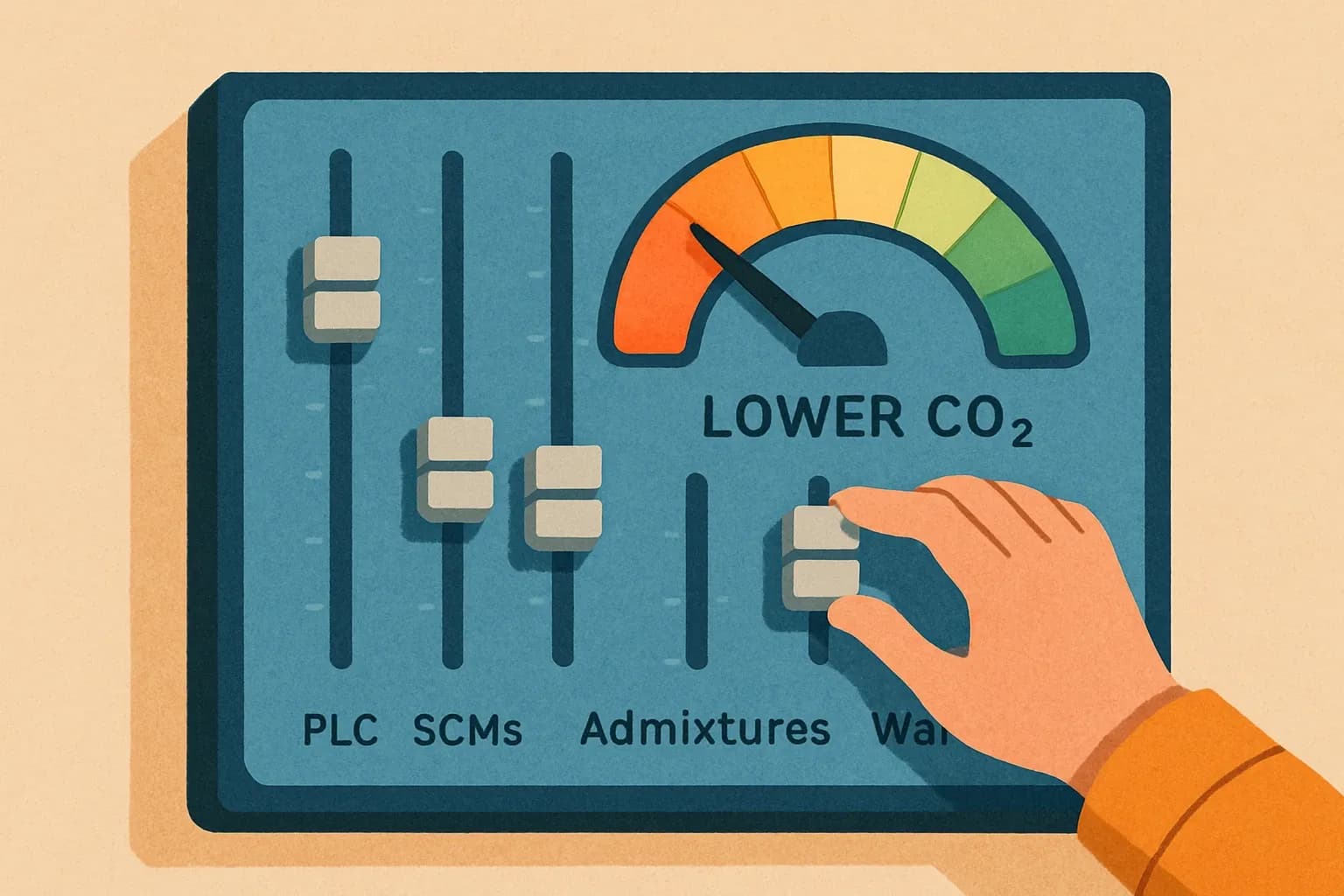
Two moves shorten the path. First, pick the same PCR family competitors are using so your EPD is apples‑to‑apples in the submittal set. Second, make data collection painless for plant teams. The clock usually hinges on metering utilities, resin and copper inputs, and waste streams for the reference year, then packaging that into a review‑ready LCA. A good partner will run the wrangling for you and keep reviewers focused on the substantive questions.
The upside in plain numbers
EPDs are valid on a five‑year cycle in most programs. That gives sales multiple seasons of clean specification mileage before the next refresh is due (UL Solutions, 2025). In LEED v4.1, those EPDs can be the difference between a team hitting the 20‑product threshold or coming up short, which is a straightforward specability boost (USGBC, 2024).
Bottom line for Superior Essex
Superior Essex has the product reach and market credibility. The opening is to bring EPD coverage back to where the portfolio already competes, starting with Cat 6A and the highest‑volume copper families, then key fiber lines. Publish, keep renewals on a calendar, and make documentation effortless for project teams. That is how cables move from “considered” to “chosen.”